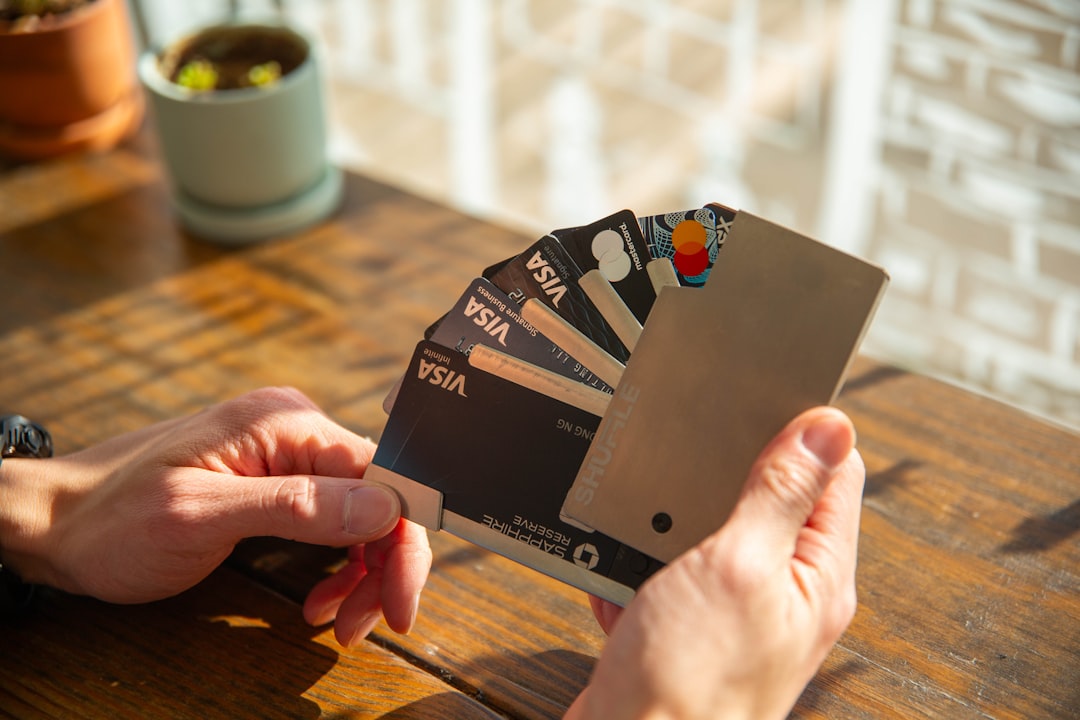
You’ve diligently worked to eliminate your credit card debt. Every payment was made with a sense of accomplishment, picturing a healthier financial future. You imagined your credit score soaring, a testament to your newfound fiscal responsibility. But then, a shock. Your credit score didn’t jump as expected. In fact, it might have even dipped. This isn’t a hypothetical scenario for many people, and the reason is far more nuanced than you might initially assume. Paying off your credit cards, while a hugely positive step for your financial well-being, doesn’t always translate to an immediate, dramatic credit score increase. It’s a common misconception, born from a simplified understanding of credit scoring. Let’s delve into why this can happen and what you can do to ensure your financial efforts are truly reflected in your creditworthiness.
You might have envisioned a scenario where, upon sending that final payment, your credit score would instantly climb. This is the narrative often projected by well-intentioned advice: “Pay off your debt and your score will go up!” While the underlying principle is sound, the execution and the mechanics of credit scoring introduce a layer of complexity you might not have anticipated.
Understanding What Credit Scores Measure
Your credit score isn’t just a simple reflection of how much debt you owe. It’s a complex algorithm designed to predict your likelihood of repaying borrowed money. Lenders use it to assess risk. They want to know if you’re a reliable borrower.
Payment History: The Kingpin
By far, the most significant factor influencing your credit score is your payment history. Do you pay your bills on time? A consistent record of on-time payments is the bedrock of a good credit score. Missing payments, even by a few days, can have a detrimental effect.
Amounts Owed: The Credit Utilization Ratio
This is where the disconnect can occur. The amount of credit you’re using relative to your total available credit is known as your credit utilization ratio. This is a crucial metric.
The Power of Available Credit
Credit scoring models look favorably upon individuals who have access to a significant amount of credit but use only a small portion of it. This suggests financial discipline and responsible borrowing.
Why Paying Off Everything Can Be Problematic
Here’s the crux of the issue for many. If you have a few credit cards with, say, $5,000 limit each, giving you a total of $15,000 in available credit, and you utilize $1,000 of that, your utilization is roughly 6.7%. This is generally considered very good. However, if you then go and pay off all three cards completely, your utilized credit becomes $0. This might seem like an ideal outcome, but from a credit scoring perspective, it can sometimes have unintended consequences.
The Nuance of Zero Utilization
When your credit utilization drops to 0%, it can sometimes signal that you are no longer actively using credit. This might be interpreted by some scoring models as a lack of credit experience or even a potential reluctance to take on new credit, which can be viewed as a slight negative. It’s not that you’re a bad borrower; it’s that the model is missing a key data point to assess your ongoing credit management skills.
Credit Mix and Length of Credit History
While the impact of these factors is less significant than payment history and utilization, they still play a role. A diverse mix of credit (e.g., credit cards, installment loans) and a long history of responsible credit management can contribute positively to your score.
Many individuals believe that paying off credit card debt will significantly improve their financial situation; however, a related article discusses why this may not always be the case. In the article, it is explained that simply eliminating credit card balances does not address underlying spending habits or financial literacy, which can lead to recurring debt. For a deeper understanding of this issue, you can read more in the article found here: Why Paying Off Credit Cards Didn’t Help.
The Impact of Shuttered Accounts
One of the often-overlooked reasons a credit card payoff might not boost your score, or could even cause a slight dip, is the impact on your overall available credit. When you pay off a credit card, and especially if you then close that account, you are essentially reducing your total available credit.
Reducing Your Total Available Credit
Let’s revisit the example of having three credit cards with $5,000 limits each, totaling $15,000 in available credit. If you pay off one card and then decide to close it, your total available credit is now $10,000.
The Shifting Utilization Landscape
Now, if you had previously used $1,000 across all cards, your utilization was 6.7%. If you keep all cards open and pay them off, your utilization on each card becomes 0%, and your overall utilization remains low. However, if you close one card and still have a small balance on another, say $500 on a $5,000 limit card, your utilization on that card is 10% and your overall available credit is $10,000. This might look acceptable. But, consider if you had used that $1,000 across all three cards. Now, with only two cards and a total available credit of $10,000 and no balances, your utilization is 0%.
The Double Whammy of Negative Impacts
If you’ve closed accounts, you’ve reduced your total available credit AND potentially increased your credit utilization on your remaining cards if you carry any balances on those. This can send mixed signals to credit scoring models.
The Psychology of Closing Accounts
There’s often a psychological urge to “get rid of” a credit card once it’s paid off. You associate it with debt and want to sever ties. However, from a credit score perspective, keeping inactive accounts open (as long as they don’t have annual fees that you’re unwilling to pay) can be beneficial for maintaining a healthy credit utilization ratio and demonstrating access to credit.
Annual Fees: A Practical Consideration
Of course, you shouldn’t keep cards with hefty annual fees that you don’t use. The decision to close an account should weigh the potential credit score impact against the cost of maintaining the card.
The Lag Time in Credit Reporting

Even when your actions are definitively positive for your credit score, credit scoring agencies don’t update in real-time. There’s a delay between when you make a payment or when a credit bureau reports changes and when those changes are reflected in your credit score.
How Credit Bureaus and Lenders Communicate
Credit card companies report your account activity to the major credit bureaus (Equifax, Experian, and TransUnion) typically once a month. This reporting cycle is not instantaneous.
The End-of-Billing-Cycle Phenomenon
Often, the information that influences your credit score is the balance reported at the end of your billing cycle. If you pay off your card after your statement closing date, that zero balance might not be reported until the next month.
Patience is a Financial Virtue
This lag time means that even if you’ve paid off your balance in full, you might not see the positive impact on your credit score for 30 to 60 days, or even longer, depending on the reporting schedule of your credit card issuer.
Understanding Your Statement Closing Date
It’s crucial to understand your statement closing date. Making a payment before this date ensures that your balance is reported as zero (or significantly reduced) for that billing cycle.
Alternative Strategies for Credit Score Improvement

Given that simply paying off credit cards doesn’t always yield the immediate results you might expect, you might be wondering what else you can do to boost your credit score. The good news is that there are several effective strategies.
Maintaining a Healthy Credit Utilization Ratio
This is arguably the most potent lever you can pull after ensuring on-time payments. Aim to keep your credit utilization below 30% on each card, and ideally below 10%.
Strategic Spending and Payment
Instead of waiting for your statement balance to accrue, try to make smaller payments throughout the month on the card you’re using. This can keep your reported utilization low even if you’re using the card regularly.
The “Rhino” Strategy
Some financial experts recommend a “rhino” strategy: pay off the large balance first for psychological wins, but strategically keep small balances on other cards and pay those down to zero after the statement closing date, while ensuring your overall utilization remains low. This is a more advanced tactic that requires careful management.
Becoming an Authorized User
If you have a trusted friend or family member with excellent credit, you might consider becoming an authorized user on one of their credit cards. This can allow you to benefit from their positive payment history and credit utilization, which can be reflected on your credit report.
Key Considerations for Authorized Users
It’s vital to trust the primary cardholder. Their financial behavior directly impacts your credit. If they miss payments or rack up high balances, it can hurt your score.
The Cautious Opening of New Credit
While it might seem counterintuitive, judiciously opening a new credit account can sometimes help your credit score, provided you manage it responsibly. This is especially true if you have a thin credit file (limited credit history).
The “Hard Inquiry” Effect
Opening a new credit account typically results in a “hard inquiry” on your credit report, which can temporarily lower your score by a few points. This is why it’s important not to open too many accounts at once.
Diversifying Credit Types
If all your credit is in the form of credit cards, opening a small installment loan (like a credit-builder loan or a secured loan) and making on-time payments can demonstrate your ability to manage different types of credit, which can be beneficial.
Checking and Correcting Errors
Errors on your credit report are more common than you might think. These errors can negatively impact your credit score. Regularly checking your credit reports from all three bureaus is essential.
The Dispute Process
If you find an error, you have the right to dispute it with the credit bureau. Providing documentation and clear explanations can help rectify the issue.
Types of Errors to Look For
Common errors include incorrect personal information, accounts that aren’t yours, incorrect payment statuses, or outdated negative information.
Many individuals believe that paying off their credit cards will significantly improve their financial health, but this isn’t always the case. In fact, some may find that their credit scores do not increase as expected after clearing their debts. This phenomenon can be attributed to various factors, including credit utilization ratios and the age of credit accounts. For a deeper understanding of why paying off credit cards might not yield the anticipated benefits, you can read a related article on this topic at How Wealth Grows.
Understanding the “Why” Behind the Slow Credit Score Growth
| Reasons | Explanations |
|---|---|
| High interest rates | Even after paying off the credit card balance, the high interest rates can accumulate quickly, making it difficult to see a significant improvement. |
| Continued use of credit cards | If the individual continues to use their credit cards for new purchases, it can offset the progress made by paying off the existing balance. |
| Impact on credit utilization ratio | If the credit utilization ratio remains high, it can negatively impact the individual’s credit score, despite paying off the balance. |
| Other outstanding debts | If there are other outstanding debts, such as loans or medical bills, paying off the credit card balance may not have a significant impact on overall financial health. |
Ultimately, the reason paying off your credit cards might not immediately skyrocket your credit score lies in the sophisticated, yet sometimes counterintuitive, nature of credit scoring models. These models are designed to assess risk over time, not just in a single snapshot.
Credit Scores as a Predictor, Not a Reward
Think of your credit score as a predictive tool for lenders. It’s saying, “Based on your past behavior, here’s how likely you are to repay future debts.” A sudden zero balance might be interpreted as a lack of ongoing credit engagement, which, while financially responsible, doesn’t provide as much predictive data as managing a moderate level of credit responsibly.
The Importance of Active Credit Management
The most effective way to build and maintain a strong credit score is through consistent, responsible credit management. This involves making on-time payments, keeping credit utilization low, and having a healthy mix of credit over a long period.
The Long Game of Credit Building
Building excellent credit is a marathon, not a sprint. While paying off debt is a monumental achievement and a critical step towards financial freedom, it’s just one piece of a larger puzzle.
Consistency is Key
Lenders and credit bureaus value consistency. Demonstrating a sustained pattern of responsible financial behavior is what builds true creditworthiness.
Your Financial Journey is Unique
Your credit score journey is personal. The impact of paying off credit cards will vary based on your overall credit profile, your spending habits, and how you choose to manage your credit moving forward. By understanding these nuances, you can make informed decisions to ensure your financial efforts translate into the credit score you deserve.

Nobody Warns You What Happens After You Pay Off Debt
FAQs
1. Why didn’t paying off credit cards help my financial situation?
Paying off credit cards may not have helped your financial situation if you continue to accumulate new debt or if you have other outstanding debts with higher interest rates.
2. What are some reasons why paying off credit cards may not have improved my financial situation?
Some reasons why paying off credit cards may not have improved your financial situation include not addressing the root cause of your debt, such as overspending, and not having a solid plan for managing your finances after paying off the credit cards.
3. How can I ensure that paying off credit cards will help my financial situation in the future?
To ensure that paying off credit cards will help your financial situation in the future, it’s important to create a budget, track your expenses, and avoid accumulating new debt. Additionally, consider seeking professional financial advice to develop a comprehensive plan for managing your finances.
4. What are some alternative strategies for improving my financial situation besides paying off credit cards?
Some alternative strategies for improving your financial situation include consolidating high-interest debts, increasing your income through additional sources of revenue, and seeking financial counseling to develop a personalized plan for managing your finances.
5. How can I avoid falling back into debt after paying off my credit cards?
To avoid falling back into debt after paying off your credit cards, consider creating an emergency fund, using cash or debit cards for purchases, and practicing responsible spending habits. Additionally, regularly reviewing your financial situation and seeking support from financial professionals can help you stay on track.