
You’re ready to take control of your financial future. The idea of building financial resilience might sound daunting, like scaling a sheer cliff face. But what if I told you it’s more like cultivating a strong, sturdy tree, one that weathers storms and continues to grow? It’s about creating a robust foundation and a diversified set of strategies that can support you through life’s inevitable ups and downs. This isn’t about becoming absurdly wealthy overnight, though that would be nice! This is about establishing a sense of security, predictability, and ultimately, freedom. You want to sleep soundly knowing that unexpected expenses won’t send you spiraling, and that you’re on a path towards achieving your long-term aspirations. You’ve decided it’s time to move beyond just surviving financially to truly thriving. This article is your guide to doing just that. We’ll break down the process into manageable steps, equipping you with practical tips and strategies to build a financial life that is resilient, adaptable, and ultimately, successful.
Before you can build anything, you need to understand what you’re working with. Think of it like a doctor assessing your health before prescribing treatment. Building financial resilience starts with a clear and honest picture of your current financial situation. You can’t effectively plan for the future if you don’t know where you stand today. This isn’t about judgment or self-criticism; it’s about gaining crucial data. You need to see the whole financial ecosystem you inhabit. This introspection might feel a little uncomfortable at first, but it’s the bedrock upon which all your future financial success will rest.
Assessing Your Income Streams
First, let’s look at what’s coming in. You need to meticulously track all your sources of income. This isn’t just your main paycheck. Are there any side hustles? Do you receive rental income? Are there dividends from investments? Every dollar that enters your financial world needs to be accounted for. Be thorough. This data will help you understand your earning potential and identify opportunities for increasing your income, which is a fundamental pillar of resilience.
Identifying Primary Income Sources
Your primary job is likely your biggest contributor. You already have a good handle on this, but it’s worth noting the stability and growth potential within this role. Consider whether your career offers opportunities for advancement or increased earnings.
Exploring Secondary Income Streams
This is where you can really boost your resilience. Think about your skills and passions. Can you freelance? Do you have a hobby that could generate income? Even small, consistent amounts from secondary sources can make a significant difference during lean times or when you’re saving for a larger goal. Perhaps you have expertise that you can share through online courses or consulting.
Tracking Your Expenses Meticulously
Now, let’s turn our attention to where your money is going. This is often the most eye-opening part of the process. You might be surprised at how much you’re spending on seemingly small, everyday items. You need to become intimately familiar with your spending habits. This isn’t about deprivation; it’s about understanding where your money is flowing so you can redirect it towards your goals.
Categorizing Your Spending
Break down your expenses into clear categories. You’ll typically see fixed costs (rent/mortgage, loan payments) and variable costs (groceries, entertainment, utilities). Understanding these categories helps you see where you have the most flexibility.
Identifying \”Wants\” vs. \”Needs\”
This distinction is crucial for making informed decisions about your spending. While occasional indulgences are perfectly fine, recognizing what is truly essential versus what is a discretionary purchase allows you to make conscious choices about where to cut back if necessary.
Understanding Your Debts
Debt can be a significant drag on your financial resilience. You need to have a clear picture of exactly what you owe, to whom, and at what interest rates. This knowledge is power when it comes to developing a strategy for managing and reducing your debt.
Listing All Outstanding Debts
Create a comprehensive list of all your loans, credit card balances, and any other outstanding financial obligations. Don’t forget about things like student loans or car payments.
Analyzing Interest Rates and Terms
The interest rate on your debt is a critical factor. High-interest debt, like that on many credit cards, can quickly snowball and erode your financial progress. Understanding the terms of your loans will help you prioritize repayment.
To build financial resilience, it’s essential to understand the strategies that can help you navigate economic uncertainties. One valuable resource on this topic is an article that offers practical tips and insights on enhancing your financial stability. You can read more about it in this informative piece: How to Become Financially Resilient. This article provides actionable advice that can empower you to manage your finances effectively and prepare for unexpected challenges.
Building a Robust Emergency Fund
An emergency fund is the cornerstone of financial resilience. It’s your financial safety net, designed to catch you when unexpected events occur. Without it, even minor setbacks can become major financial crises. Think of it as an investment in your peace of mind. This fund isn’t for your planned vacations or new gadget purchases; it’s strictly for genuine emergencies. Building this fund is a proactive step that will give you a significant sense of security.
Determining Your Target Emergency Fund Size
The general rule of thumb is to have three to six months of essential living expenses saved. However, your personal circumstances may call for more. Consider factors like the stability of your income, your dependents, and your health.
Calculating Your Monthly Essential Expenses
Run through your categorized expenses from the previous section. Total up all your absolutely necessary monthly costs – rent/mortgage, utilities, food, insurance premiums, minimum debt payments, and transportation to work. This gives you your baseline.
Adjusting for Personal Risk Factors
If you have a variable income, a single income source supporting a family, or a health condition that might lead to unforeseen medical bills, you’ll want to aim for a larger emergency fund, perhaps closer to nine or even twelve months of expenses.
Strategies for Saving and Accessing Your Emergency Fund
Once you know how much you need, you need a plan for building it and ensuring it’s accessible when needed. This fund should be liquid and separate from your everyday checking account.
Setting Up Automatic Transfers
The easiest way to build your emergency fund is to automate your savings. Set up recurring transfers from your checking account to a dedicated savings account on payday. Treat this transfer like any other bill you have to pay.
Choosing the Right Savings Vehicle
Your emergency fund should be held in a liquid, easily accessible account, such as a high-yield savings account. While the returns might not be spectacular, the priority is accessibility and safety, not aggressive growth. You want your money to be safe and readily available in a crisis.
Developing a Strategic Debt Reduction Plan

Debt can feel like an anchor dragging you down, hindering your progress towards financial resilience. Effectively tackling your debt is therefore a critical step. You need a plan that not only reduces your outstanding balances but also prevents you from falling back into debt traps. This is about taking control and freeing up your income for more productive purposes.
Prioritizing High-Interest Debt
The most financially sound approach is to tackle your highest-interest debts first. This is often referred to as the debt avalanche method. By focusing on these debts, you minimize the amount of interest you pay over time, accelerating your path to becoming debt-free.
The Debt Avalanche Method Explained
This strategy involves making minimum payments on all your debts except for the one with the highest interest rate. You’ll allocate any extra funds towards aggressively paying down that high-interest debt. Once it’s paid off, you roll that extra payment amount into the next highest-interest debt, and so on.
The Debt Snowball Method Explained
An alternative, sometimes psychologically more motivating, method is the debt snowball. Here, you pay off your smallest debts first, regardless of interest rate. As each debt is paid off, you roll that payment amount into the next smallest debt. The quick wins can provide momentum and encouragement.
Creating a Realistic Repayment Schedule
A well-defined repayment schedule makes your debt reduction goals achievable. It provides structure and a clear roadmap for progress. You need to be realistic about what you can commit to without overwhelming yourself.
Budgeting for Extra Debt Payments
Once you’ve identified your strategy, you need to integrate extra debt payments into your budget. This might involve finding areas to cut back on spending or increasing your income. Every extra dollar counts.
Exploring Debt Consolidation Options
In some cases, consolidating your debts into a single loan with a lower interest rate can be a beneficial strategy. This can simplify your payments and potentially save you money on interest, but it’s crucial to understand the terms and ensure it truly benefits your situation.
Investing Wisely for Future Growth
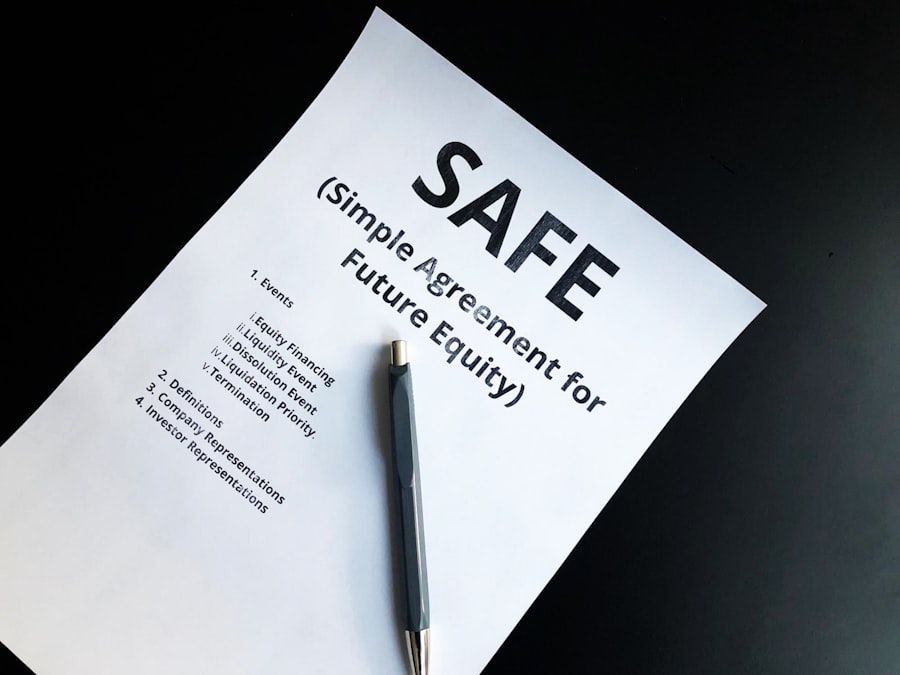
Once you have a solid emergency fund and a plan for managing debt, you can begin to focus on building wealth for the long term. Investing is how you make your money work for you, generating returns that outpace inflation and help you achieve your financial goals, whether that’s retirement, a down payment on a home, or funding your children’s education. You want to build a diversified portfolio that aligns with your risk tolerance and time horizon.
Understanding Your Risk Tolerance and Time Horizon
Your investment strategy should be tailored to your personal circumstances. Are you comfortable with some volatility for potentially higher returns, or do you prefer a more conservative approach? When do you need the money? These two factors are paramount in guiding your investment choices.
Assessing Your Comfort Level with Market Fluctuations
If the thought of your investments dropping in value makes you lose sleep, you likely have a lower risk tolerance. Conversely, if you’re willing to accept some short-term dips for the potential of greater long-term gains, you have a higher risk tolerance.
Defining Your Financial Goals and Timelines
Are you saving for retirement in 30 years, or a down payment on a house in 5 years? The longer your time horizon, the more risk you can generally afford to take, as you have more time to recover from market downturns.
Diversifying Your Investment Portfolio
Don’t put all your eggs in one basket. Diversification is about spreading your investments across different asset classes to reduce risk. If one investment performs poorly, others may perform well, balancing out your overall returns.
Exploring Different Asset Classes
Common asset classes include stocks (equities), bonds (fixed income), real estate, and commodities. Each has its own risk and reward profile. Understanding these differences is key to building a balanced portfolio.
The Role of Index Funds and ETFs
For many investors, low-cost index funds and Exchange Traded Funds (ETFs) offer an excellent way to achieve broad diversification across various markets and sectors. They are often a simpler and more cost-effective solution compared to picking individual stocks.
Seeking Professional Financial Advice
Navigating the world of investing can be complex. If you feel overwhelmed or unsure, consulting with a qualified financial advisor can provide invaluable guidance. They can help you create a personalized investment plan that aligns with your goals and risk tolerance.
Building financial resilience is essential in today’s unpredictable economy, and one effective way to enhance your understanding is by exploring related resources. For instance, you can read an insightful article on how to become financially resilient by visiting this link. It provides practical tips and strategies that can help you navigate financial challenges and secure your future. By incorporating these strategies into your financial planning, you can develop a more robust approach to managing your finances.
Cultivating Ongoing Financial Literacy and Discipline
| Steps to Become Financially Resilient | Benefits |
|---|---|
| 1. Create a budget and stick to it | Helps in managing expenses and saving money |
| 2. Build an emergency fund | Provides financial security in case of unexpected expenses |
| 3. Pay off high-interest debt | Reduces financial burden and saves money on interest |
| 4. Invest in retirement savings | Ensures financial stability in the future |
| 5. Diversify income sources | Provides multiple streams of income for added security |
Financial resilience isn’t a destination; it’s a continuous journey. It requires ongoing learning, adaptation, and consistent discipline. The financial landscape is constantly evolving, and so should your knowledge and strategies. You want to build habits that support your long-term financial well-being. This means staying informed and committing to sound financial practices.
Committing to Continuous Learning
The world of finance is vast, and there’s always something new to learn. Staying informed about economic trends, investment strategies, and personal finance best practices will empower you to make better decisions.
Reading Books and Articles
There’s a wealth of information available in books, reputable financial websites, and articles. Make it a habit to dedicate some time each week to expanding your financial knowledge.
Following Reputable Financial News Sources
Stay updated on what’s happening in the economy and financial markets. This awareness can help you make timely adjustments to your financial strategies.
Practicing Regular Financial Reviews
Set aside time periodically to review your financial progress. This allows you to identify areas where you’re excelling and areas where you might need to adjust your approach.
Monthly Budget Reviews
At least once a month, compare your actual spending to your budget. This helps you stay on track and make necessary adjustments.
Annual Financial Health Check-ups
Once a year, conduct a more comprehensive review of your net worth, investment performance, insurance coverage, and overall financial goals. This is a good time to re-evaluate your strategies.
Embracing Behavioral Economics in Financial Decisions
Understanding the psychological aspects of your financial behavior can be incredibly powerful. Many financial mistakes stem from emotional responses rather than rational analysis.
Recognizing Your Financial Triggers
Are you prone to impulse spending when you’re stressed? Do you avoid looking at your bank account when you’re worried about your finances? Identifying these triggers is the first step to managing them.
Developing Strategies for Disciplined Spending
Implement strategies like waiting periods for purchases, using cash for certain categories, or setting spending limits to combat impulsive financial decisions and maintain discipline.
Building financial resilience is an empowering process. By understanding your current situation, securing your immediate future with an emergency fund, strategically tackling debt, investing wisely, and committing to ongoing learning and discipline, you are laying the groundwork for a secure and prosperous financial life. You are not just surviving; you are actively building a future where you are in control, adaptable, and ultimately, successful. The journey may have its challenges, but the rewards – peace of mind, financial freedom, and the ability to achieve your dreams – are immeasurable. You have the power to build this resilience, and the time to start is now.

Nobody Warns You What Happens After You Pay Off Debt
FAQs
What does it mean to be financially resilient?
Financial resilience refers to the ability to withstand and recover from financial setbacks, such as job loss, unexpected expenses, or economic downturns, without experiencing significant long-term negative effects on one’s financial well-being.
What are some key strategies for becoming financially resilient?
Some key strategies for becoming financially resilient include building an emergency fund, reducing debt, living within your means, diversifying your income sources, and investing in your financial education and skills.
How can I build an emergency fund?
Building an emergency fund involves setting aside a portion of your income on a regular basis into a separate savings account, with the goal of accumulating enough to cover 3-6 months of living expenses. This fund can provide a financial cushion in the event of unexpected expenses or loss of income.
Why is reducing debt important for financial resilience?
Reducing debt is important for financial resilience because it can free up more of your income for savings and investments, reduce financial stress, and provide more flexibility in managing unexpected financial challenges.
What are some ways to diversify income sources?
Diversifying income sources can involve taking on a side hustle or part-time job, investing in stocks or real estate, starting a small business, or developing passive income streams such as royalties or dividends. Diversification can help protect against the risk of relying solely on one source of income.