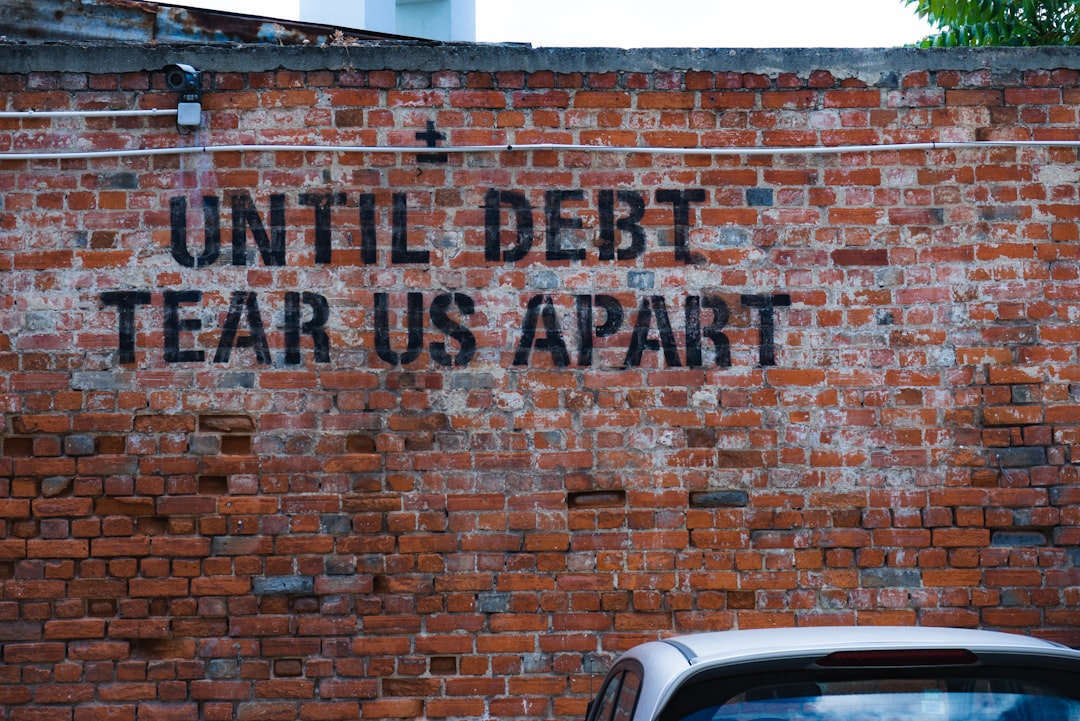
You’ve probably seen the countless articles, the infographics, the glowing testimonials. “Pay off your debt,” they proclaim, “and your life will be transformed!” You picture a phoenix rising from the ashes of financial struggle, soaring into a realm of effortless joy and boundless freedom. You imagine weight lifting from your shoulders, a sunbeam breaking through the clouds, a sudden, profound shift in your very being. You envision newfound peace, happiness, and a sense of accomplishment so powerful it reshapes your entire existence. Yet, you’re here, perhaps drowning in debt yourself, wondering if that promised land is truly attainable. And if it is, what does that transformation actually look like? I’m here to tell you, from personal experience, that the reality of paying off debt is often far more nuanced, and sometimes, less dramatically transformative, than you’ve been led to believe.
The narrative around debt repayment is a powerful one. It’s almost a cultural mantra, deeply embedded in our societal understanding of responsibility and success. We’re taught from a young age that debt is a burden, a cage, a constant source of stress. It’s the antagonist in our financial fairy tales, and its vanquishing is the hero’s glorious victory. You’ve probably internalize this, even if you haven’t articulated it. You can feel the knots in your stomach when you think about your credit card statements, the looming presence of your student loans, the monthly car payment that feels like a perpetual anchor.
The Promise of Freedom
The most intoxicating promise of debt-free living is freedom. Freedom from the monthly obligation, freedom from the interest charges that seem to multiply like rabbits, freedom from the nagging fear of financial insecurity. You imagine what you’ll do with that extra money: travel the world, buy that dream home, invest in your passions, or simply sleep soundly at night without the weight of your financial obligations. You envision yourself unburdened, uninhibited, finally able to live life on your own terms, unmarred by the shadow of your financial past. This dream is powerful because it speaks to a universal yearning for control and agency over your life.
The Social Cachet of Financial Stability
Beyond the personal benefits, there’s a certain social cachet associated with being debt-free. It’s often perceived as a marker of financial prudence, discipline, and success. You imagine the respect you’ll command, the conversations you’ll be able to engage in with confidence, the feeling of being on solid ground while others might still be struggling. It’s the idea that once you’ve eliminated debt, you’ve “arrived,” you’ve achieved a certain level of financial maturity that opens doors and garners admiration.
The Psychological Relief
Let’s be honest, the psychological relief you anticipate is immense. The constant hum of anxiety, the sleepless nights, the self-recrimination for past financial decisions – all of it is expected to evaporate the moment that final payment is made. You look forward to a mind free from the clutter of financial worries, a mind that can finally focus on higher pursuits, on personal growth, on simply being happy.
Many people believe that paying off debt will lead to a significant transformation in their lives, but my experience tells a different story. While eliminating debt can provide a sense of relief, it didn’t fundamentally change my day-to-day existence or my overall happiness. For a deeper exploration of this topic, you can read a related article that discusses the nuances of financial freedom and its impact on life satisfaction at How Wealth Grows. This article delves into the idea that financial stability is just one piece of the puzzle when it comes to achieving a fulfilling life.
The Grueling Grind: My Journey to “Freedom”
My own journey to debt freedom was not a sprint; it was a marathon. It involved years of diligent budgeting, sacrificing of immediate gratification, and a constant mental battle against the siren song of impulse purchases. I meticulously tracked every dollar, created elaborate spreadsheets, and said “no” to countless social outings and tempting purchases. There were moments of exhilaration, like when I paid off one of my credit cards in full. But mostly, it was a steady, often monotonous, grind.
The Avalanche Method vs. The Snowball Method
I experimented with different debt repayment strategies. Initially, I dabbled in the “avalanche method,” prioritizing high-interest debts to minimize the total interest paid. While mathematically sound, it lacked the immediate psychological wins that the “snowball method” offered. Eventually, I embraced the snowball, paying off the smallest debts first, reveling in the quick wins to keep my motivation high. Each paid-off account, no matter how small, felt like a tiny victory in the grand scheme of things.
The Sacrifices Made
The sacrifices were real. I remember turning down trips with friends, opting for homemade meals over restaurant dinners, and making do with older, less flashy items instead of upgrading. There were times when I felt a pang of envy seeing others indulge in experiences or possessions that were just out of my reach. It required a constant vigilance, a mental reinforcement of my long-term goals over my short-term desires.
The Incremental Nature of Progress
What I hadn’t fully appreciated was the incremental nature of progress. Paying off a credit card felt good, but it was just one step among many. The majority of my debt was tied up in student loans, which carried lower interest rates but had a much longer payoff timeline. The big, life-altering transformation wasn’t a single event; it was a slow, steady erosion of a massive liability.
The Moment of “Liberation”: A Surprisingly Quiet Affair

The day I made my final student loan payment, I remember feeling a sense of relief, yes. I felt proud, certainly. But the earth didn’t split open, angels didn’t sing, and my problems didn’t magically disappear. It was, in many ways, a surprisingly quiet and understated affair. I made the payment online, a few clicks of the mouse, and then I closed the tab. There wasn’t confetti, there wasn’t a parade. It was just… done.
The Absence of a Grand Finale
I had built up this internal narrative of a grand finale, a moment that would signify the complete transformation. When it didn’t arrive, there was a slight sense of anti-climax. I had anticipated a profound internal shift, a sudden shedding of all my anxieties and insecurities. While the absence of that debt was a tangible positive, the emotional weight I had attached to its removal hadn’t entirely lifted with it.
The Lingering Echoes of Financial Habits
The habits I had cultivated during my debt-reduction years – the meticulous budgeting, the conscious spending, the aversion to unnecessary debt – didn’t automatically vanish. These habits were deeply ingrained, a protective layer I had built around myself. While they were beneficial, they also meant that I didn’t suddenly transform into a free-wheeling spender overnight. This was, in retrospect, a good thing, but it certainly wasn’t part of the fairy tale.
The Unseen Benefits: Peace of Mind (Not Euphoria)
The primary transformation I did experience was a profound sense of peace of mind. The constant hum of low-grade anxiety about my finances quieted considerably. I no longer woke up in the middle of the night with a jolt of “what if” about my debt. That, I realized, was the true transformation: the quiet subtraction of a persistent stressor from my life, rather than the addition of ecstatic joy.
Beyond the Debt: New Realities and Unforeseen Challenges
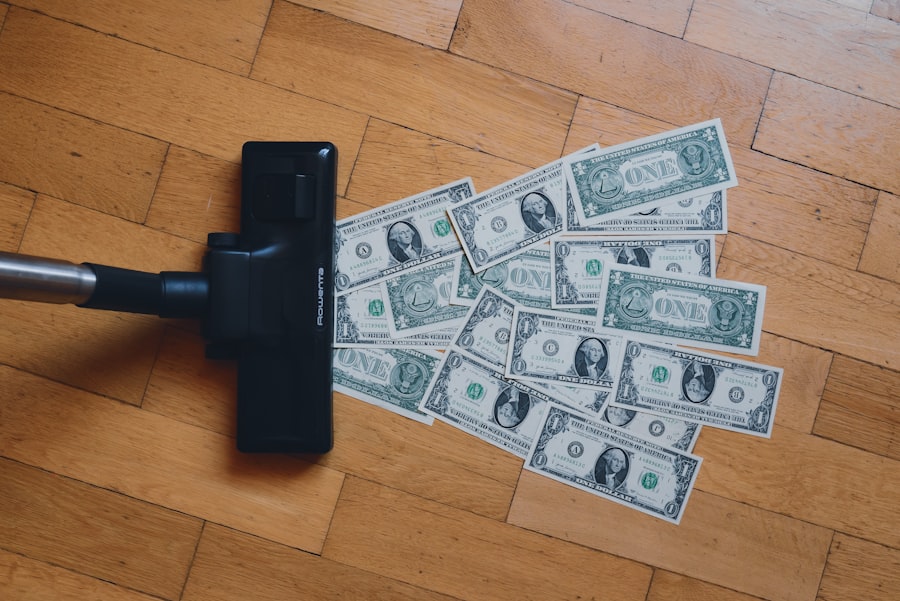
Once the debt was gone, you might expect that the financial transformation would lead directly to an easier, more joyful life. However, you quickly realize that being debt-free doesn’t magically shield you from life’s other complexities. It’s a significant hurdle cleared, but it’s not the finish line of all challenges.
The Investment Imperative: A New Set of Goals
Suddenly, those dollars that were going towards debt repayment were freed up. But what do you do with them? The focus shifted from elimination to accumulation. The pressure to start investing, to build wealth, and to plan for the future became the new financial imperative. While this is a positive challenge, it’s still a challenge, requiring new knowledge, discipline, and strategic planning. You’re no longer just trying to survive; you’re trying to thrive financially.
The Temptation of New Forms of Debt
The absence of old debt can, paradoxically, create a new vulnerability. Without the ingrained fear of accruing more debt, you might find yourself more susceptible to new forms of borrowing, especially if you fall back into old spending habits or encounter unforeseen expenses. The lesson learned through the hard slog of debt repayment is crucial for navigating this new landscape. You’ve tasted the bitter fruit of debt, and you know it’s not something to be taken lightly.
The Social and Familial Expectations
Once you announce your debt-free status, you might find yourself the subject of new expectations. Perhaps family members start looking to you for financial advice, or friends assume you have ample disposable income for every outing. While you might be happy to share your experiences, you also need to navigate these new social dynamics and set healthy boundaries. Your financial freedom doesn’t mean you’re obligated to fund everyone else’s.
Many people believe that paying off debt will lead to a significant transformation in their lives, but my experience tells a different story. While I felt a temporary sense of relief, the underlying issues that contributed to my financial situation remained unchanged. This realization is echoed in a related article that explores the complexities of financial well-being and personal fulfillment. If you’re curious about how wealth truly grows and the factors that influence our financial happiness, you can read more about it here.
The True Transformation: A Shift in Perspective
| Reasons | Explanation |
|---|---|
| Lifestyle Habits | Continued spending habits or lifestyle choices may not have changed after paying off debt. |
| Financial Goals | Other financial goals or responsibilities may have taken priority over the impact of paying off debt. |
| Emotional Impact | The emotional relief of paying off debt may not have been as significant as expected. |
| Unexpected Expenses | Unexpected expenses or financial challenges may have offset the positive impact of paying off debt. |
So, if the transformation wasn’t the earth-shattering, life-altering event I had envisioned, what was it? It was, I’ve come to realize, a subtle but profound shift in perspective. It wasn’t about a sudden influx of cash or an immediate end to all my problems. It was about the quiet empowerment that comes from conquering a significant challenge and the newfound clarity it brings.
The Erosion of Financial Anxiety
The most tangible and, arguably, the most significant transformation was the erosion of financial anxiety. The constant gnawing worry that used to be a part of my daily existence simply faded away. This mental space freed up became invaluable. I could focus on my work, my relationships, and my personal growth without the background static of financial stress. This, in itself, is a monumental shift.
The Increased Sense of Agency
Being debt-free granted me a greater sense of agency over my life. I was no longer beholden to creditors. I had more control over where my money went and what my financial future looked like. This empowerment wasn’t about frivolous spending; it was about the freedom to make choices aligned with my values and my long-term goals.
The Value of Delayed Gratification Reaffirmed
The journey of debt repayment reaffirmed the profound value of delayed gratification. You learn that true fulfillment often comes from sustained effort and disciplined choices, not from instant gratification. This realization has cascaded into other areas of my life, making me more patient, more persistent, and more appreciative of hard-won achievements.
The Realization That “Enough” Is Key
Perhaps the most surprising realization is that reaching debt freedom didn’t automatically make me feel “enough.” The desire for more, for better, for new experiences, persists. The transformation wasn’t about reaching a magical point of complete financial satisfaction, but rather about equipping yourself with the tools and the mindset to navigate your financial life with greater confidence and intention. The journey of financial well-being is ongoing, and debt freedom is a powerful milestone, but not the ultimate destination itself. You’ve cleared a major obstacle, and now you can focus on building the life you truly desire, with a newfound appreciation for the journey.

Nobody Warns You What Happens After You Pay Off Debt
FAQs
1. How does paying off debt affect your life?
Paying off debt can provide a sense of relief and reduce financial stress. It can also improve your credit score and financial stability.
2. Why might paying off debt not change someone’s life as expected?
Paying off debt may not drastically change someone’s life if they continue to overspend or accumulate new debt. It also may not address underlying financial habits or attitudes.
3. What are some potential reasons why paying off debt didn’t change someone’s life?
Some potential reasons could include not having a clear financial plan after paying off debt, not addressing other financial issues, or not adjusting spending habits.
4. How can someone ensure that paying off debt positively impacts their life?
To ensure that paying off debt positively impacts their life, individuals can create a budget, establish an emergency fund, and work on improving their overall financial literacy and habits.
5. What are some common misconceptions about paying off debt and its impact on one’s life?
Common misconceptions include the belief that paying off debt will automatically lead to financial freedom, happiness, or a complete change in lifestyle. It’s important to recognize that paying off debt is just one step in achieving financial well-being.