
You’ve probably heard the terms “income” and “assets” thrown around a lot, especially when people are talking about personal finance, wealth building, or even just getting a handle on your money. They sound similar, right? Both contribute to your financial picture. But understanding the fundamental difference between the two is not just a semantic exercise; it’s a foundational key to building real, sustainable wealth and achieving your financial goals. Think of it like this: if income is the water flowing into your bucket, assets are the way you store and effectively use that water. Ignore the distinction, and your bucket might always feel half empty, no matter how much is pouring in.
This isn’t just about fancy financial jargon. This distinction impacts every decision you make about your money, from your daily spending habits to your long-term investment strategies. When you truly grasp the interplay between income and assets, you start to shift your mindset from merely earning to strategically building. You move from a reactive approach, where you’re constantly trying to keep up with bills, to a proactive one, where your money is working for you, creating more opportunities and security. So, let’s dive deep and demystify these crucial concepts, equipping you with the knowledge to truly understand where your money is coming from and, more importantly, where it can take you.
Imagine yourself at the end of a typical month. You look at your bank account, and there it is – the money that arrived from your job, perhaps some freelance work, or even interest from a savings account. That’s income. It’s the money you earn or receive over a specific period, usually a day, week, or month. It’s the fuel that keeps your financial engine running on a day-to-day basis. Without income, life as you know it would likely grind to a halt. You need it to cover your expenses, from rent and utilities to groceries and entertainment.
Income is often described as a flow. Think of a river: it’s constantly moving, bringing new water. Your income behaves similarly. It’s not a static pile of money; it’s a stream that replenishes your financial resources. This flow can come from various sources, and understanding these different streams is crucial.
Earned Income: The Most Common Stream
This is likely the bedrock of most people’s financial lives. You exchange your time, skills, and effort for money.
Wages and Salaries
This is the most direct form of earned income. Your employer pays you a regular amount for the work you do. Whether you’re paid hourly, weekly, bi-weekly, or monthly, this predictable stream is a cornerstone of financial planning for many. You know, or can reasonably estimate, how much will be in your account after each payday, making it easier to budget and plan for expenses.
Freelance and Contract Work
If you’re a freelancer, consultant, or independent contractor, your earnings are also earned income, but they might be less predictable than a salary. You might have periods of high earnings followed by leaner times, requiring a different approach to financial management. You’re essentially running your own micro-business, where your income depends on securing clients and delivering valuable services.
Business Income
If you own a business, the profits generated by that business are considered income for you. This can be from selling products, providing services, or any other commercial activity. For sole proprietors and partners, this income is often directly tied to the success and operations of their venture.
Passive Income: Earning While You Sleep
This is where things start to get interesting when you consider wealth building. Passive income is money you earn with minimal ongoing effort. It’s often generated from assets you own, and it’s a powerful way to diversify your income streams and reduce your reliance on active work.
Rental Income
If you own properties and rent them out, the monthly payments you receive from tenants are a form of passive income. While there’s initial effort in acquiring and maintaining the property, once it’s rented, the income can largely be passive, especially if you have property management in place.
Dividend Income
When you own stocks in companies, they might distribute a portion of their profits to shareholders in the form of dividends. This is passive income because you receive it simply for being a shareholder, without having to actively do anything.
Interest Income
This is earned from savings accounts, certificates of deposit (CDs), bonds, or any other debt instruments where you lend money and receive interest payments in return. It’s a straightforward way to earn a return on your cash.
Royalties
If you’ve created something original like a book, music, or invention, you can earn royalties whenever it’s sold or used. This is a classic example of passive income that can provide a steady stream of earnings long after the initial creative effort.
Investment Income: The Return on Your Holdings
This overlaps significantly with passive income but specifically refers to the profits generated from your investments.
Capital Gains
When you sell an asset (like stocks, bonds, or real estate) for more than you paid for it, the profit you make is a capital gain. This is often a significant source of wealth for investors, but it’s typically realized only when the asset is sold.
Understanding Your Income Statement
At an individual level, your income is reflected in your financial statements. Think of your personal budget or a simple spreadsheet where you track money coming in. This is your income statement. It shows you how much you earned and from what sources during a given period. This clarity is the first step in controlling your financial destiny. You need to know how much is coming in before you can decide where it goes and what you can do with it.
Understanding the difference between income and assets is crucial for effective financial planning and wealth management. While income refers to the money earned on a regular basis, such as salaries or dividends, assets are valuable resources owned by an individual, including cash, real estate, and investments. For a more in-depth exploration of this topic, you can read the related article on wealth growth at How Wealth Grows, which provides valuable insights into how these two concepts interact and impact overall financial health.
The Pillars of Wealth: What Are Assets?
Now, let’s shift our focus from the flow to the foundation. Assets are things you own that have value and can generate future economic benefit for you. Unlike income, which is a flow, assets are more like a reservoir or a stockpile. They are the things that hold and grow value. Building a strong base of assets is the ultimate goal for most people seeking financial security and prosperity.
Think of assets as the tools in your financial toolbox, the building blocks of your wealth. They are what can potentially generate income for you, appreciate in value over time, or be converted into cash when needed. The key characteristic of an asset is its potential to provide future economic benefit.
Tangible Assets: The Physical Things You Own
These are the things you can see and touch. They have a physical presence and their value can be influenced by factors like market demand, condition, and scarcity.
Real Estate
Your home, investment properties, land – these are significant tangible assets. They can provide shelter, generate rental income, and often appreciate in value over time. The value of real estate can fluctuate, but it’s a cornerstone of wealth for many individuals and families.
Vehicles
Your car, truck, or motorcycle are tangible assets. While they depreciate in value over time, they are essential for many people and have a definite resale value. The key here is to recognize that while they are assets, most vehicles are depreciating assets, meaning their value decreases over time.
Valuables and Collectibles
This category includes things like art, jewelry, precious metals (gold, silver), and rare collectibles. Their value can be subjective and influenced by factors like rarity, condition, and market trends. While they can be sources of wealth, their liquidity (how easily they can be converted to cash) can vary.
Intangible Assets: The Non-Physical Wealth Builders
These assets are not physical objects but represent ownership or rights that have economic value. They are often the engine of passive income and long-term wealth growth.
Financial Assets
This is a broad category that encompasses a variety of investments designed to generate returns.
Stocks and Bonds
Owning stocks means you own a piece of a company. Owning bonds means you’ve lent money to a government or corporation. Both can generate income (dividends or interest) and potentially appreciate in value. These are crucial for long-term wealth building.
Mutual Funds and Exchange-Traded Funds (ETFs)
These are baskets of stocks, bonds, or other securities. They offer diversification and professional management, making them accessible for many investors. They are a convenient way to own a portfolio of assets.
Savings Accounts and Certificates of Deposit (CDs)
While their returns might be modest, these are safe and liquid assets that earn interest. They are essential for emergency funds and short-term savings goals.
Retirement Accounts (e.g., 401(k)s, IRAs)
These are specific types of investment accounts designed for long-term retirement savings. The funds within these accounts (stocks, bonds, etc.) are your assets. They offer tax advantages and are designed to help you build wealth for your future.
Intellectual Property
This includes things like patents, copyrights, and trademarks. If you’ve invented something or created original works, you own intellectual property that can be licensed or sold, generating income and value.
Businesses (Ownership Stake)
If you own a significant stake in a business, that ownership itself is an asset. The value of your stake is tied to the performance and profitability of the business.
Understanding Your Balance Sheet
Just as your income is tracked on an income statement, your assets are primarily represented on your balance sheet. This is a snapshot of what you own (assets) and what you owe (liabilities) at a specific point in time. A healthy balance sheet shows your assets significantly outweighing your liabilities, indicating a strong financial position.
The Interplay: How Income and Assets Work Together
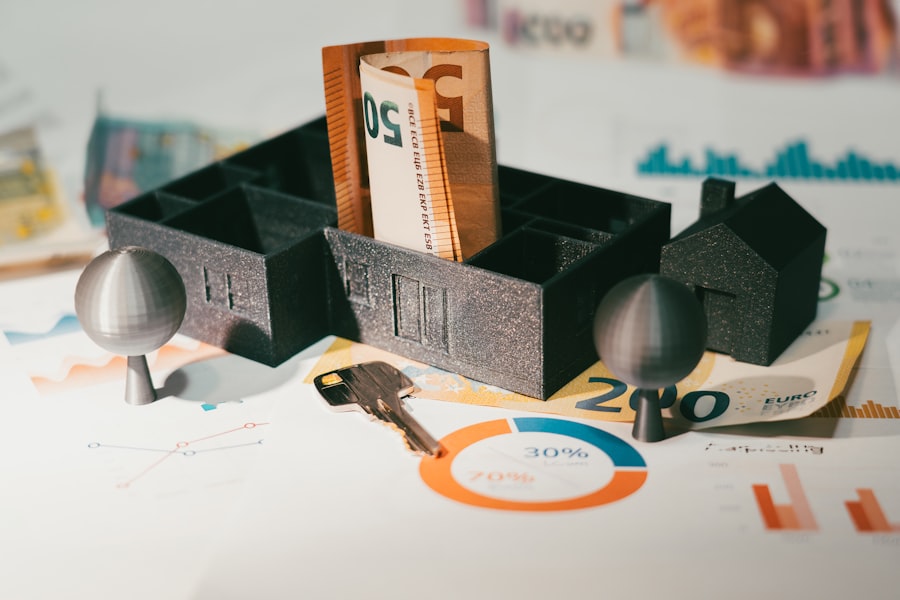
This is where the real magic happens. Income and assets are not isolated concepts; they are intrinsically linked and play off each other in a powerful way to build wealth. Think of it as a symbiotic relationship. Your income is the force that allows you to acquire and grow your assets, and your assets, in turn, can generate more income for you.
When you focus solely on income, you might be stuck in a cycle of earning to spend. You earn money, pay your bills, and have a little left over, but you’re not fundamentally changing your financial trajectory. However, when you start to strategically use your income to build assets, you begin to create a snowball effect.
Using Income to Acquire Assets
Every dollar you earn has a choice: you can spend it on consumption (things that don’t generate future value) or invest it in assets (things that can generate future value).
Saving and Investing
The most direct way to use income to build assets is by saving and investing. Even small, consistent contributions over time can accumulate into significant asset bases. This means making conscious decisions to set aside a portion of each paycheck rather than spending it all.
Debt Reduction as an Asset Strategy
While debt itself is a liability, aggressively paying down high-interest debt can be viewed as a strategic move that frees up future income. By eliminating interest payments, you effectively increase the amount of income available for savings and investments later. So, while not directly acquiring an asset, it’s clearing the path for one.
Assets Generating More Income
Once you have accumulated assets, their true power lies in their ability to generate additional income. This is what separates the wealthy from those who are merely earning a living.
The Power of Compounding
When your assets generate income (e.g., dividends, interest), and you reinvest that income back into acquiring more assets, you benefit from compounding. This means your returns start earning returns, leading to exponential growth over time. This is why starting early and being consistent are so critical.
Diversification of Income Streams
As your asset base grows, you can diversify your income sources. You might have income from your job, rental properties, stock dividends, and interest from bonds. This diversification makes your overall financial situation more resilient to fluctuations in any single income stream.
The “Rich Man’s Trick”: Leveraging Assets
The wealthy often use their assets to acquire more assets, or to generate even more income. This can involve various strategies, including using existing assets as collateral for loans to invest in new opportunities. While this requires careful management and understanding of risk, it’s a fundamental difference in how money is approached. You’re not just earning; you’re deploying capital strategically.
Assets vs. Income: Why the Distinction Matters for Your Financial Future

You might be thinking, “Okay, I get it, they’re different. So what?” The reason this distinction is so critical is that it directly influences your long-term financial health and your ability to achieve financial freedom. Misunderstanding this can lead you down a path of constant financial struggle, even if you’re earning a good income.
Shifting Your Mindset: From Earner to Builder
Successfully building wealth requires a shift from a consumption mindset to an asset-building mindset. It’s about understanding that your goal isn’t just to earn more money, but to own things that generate money for you. This means making deliberate choices to prioritize asset acquisition over instant gratification.
The Road to Financial Freedom
Financial freedom isn’t necessarily about earning an exorbitant income for the rest of your life. It’s about having enough assets generating enough passive income to cover your living expenses without needing to actively work. When your assets are working for you, you gain control over your time and your life choices. Income is still important to fuel that asset growth, but the ultimate goal is to reach a point where your assets provide for you.
Avoiding the “High-Income Trap”
Many individuals with high incomes still struggle with finances. This is often because they focus solely on increasing their income without building a commensurate asset base. They might live paycheck to paycheck, despite earning a substantial salary, because their expenses rise with their income, and they never prioritize investing in assets. This is the classic “high-income trap.”
Understanding the difference between income and assets is crucial for effective financial planning. While income refers to the money earned regularly, such as salaries or dividends, assets encompass valuable resources like property, investments, and savings. For a deeper exploration of this topic, you can refer to a related article that discusses these concepts in detail. By grasping how income and assets interact, individuals can make informed decisions about building wealth and securing their financial future. To learn more, check out this insightful piece here.
Strategies for Building Your Asset Base
| Category | Income | Assets | Difference |
|---|---|---|---|
| Definition | Refers to the money or earnings received on a regular basis, typically through employment, investments, or other sources. | Refers to the valuable resources owned by an individual or organization, such as cash, property, investments, and other possessions. | Income represents the flow of money, while assets represent the stock of wealth. |
| Measurement | Usually measured on a monthly or annual basis, and can be categorized as gross income or net income after taxes and deductions. | Measured at a specific point in time and includes both tangible and intangible assets, such as real estate, vehicles, stocks, and savings accounts. | The difference is in the way they are measured and the timing of the assessment. |
| Impact on Financial Stability | Higher income can provide a steady source of funds for living expenses, savings, and investments. | Having substantial assets can provide financial security and opportunities for growth through investments and asset appreciation. | Both income and assets contribute to overall financial stability, but they serve different purposes in wealth management. |
Understanding the difference is the first step. The next is taking action. Building a robust asset base requires discipline, strategy, and a long-term perspective.
Prioritize Saving and Investing
This might sound obvious, but it’s the bedrock. Make saving and investing a non-negotiable part of your financial life, just like paying your rent or mortgage. Automate your savings and investments so that it happens before you even have a chance to spend the money.
Budgeting and Tracking Expenses
You can’t save what you don’t have. A good budget helps you understand where your money is going and identify areas where you can cut back to free up funds for investment. Track your expenses diligently to ensure you’re staying on track.
Setting Financial Goals
Clearly defined financial goals – whether it’s buying a house, saving for retirement, or building an emergency fund – provide motivation and direction for your saving and investing efforts.
Educate Yourself About Investments
Don’t invest in what you don’t understand. Take the time to learn about different investment vehicles, their risks, and their potential returns. This knowledge will empower you to make informed decisions and avoid common pitfalls.
Diversify Your Assets
Don’t put all your eggs in one basket. Diversifying your assets across different categories (stocks, bonds, real estate, etc.) can help mitigate risk and enhance overall returns.
Consider Real Estate as an Asset Class
For many, real estate offers a powerful combination of potential appreciation, rental income, and tax benefits. Whether it’s your primary residence or an investment property, it can be a significant component of a well-rounded asset portfolio.
Explore Passive Income Opportunities
Actively seek out opportunities to generate passive income. This could involve investing in dividend-paying stocks, real estate crowdfunding, or creating your own digital products. The more passive income streams you have, the more financial security you’ll achieve.
Live Below Your Means
This is perhaps the most crucial principle for long-term wealth building. Regardless of your income level, consistently spending less than you earn is the only way to have funds left over to acquire assets and build wealth. This requires discipline and a willingness to delay gratification.
By internalizing the difference between income and assets and actively implementing strategies to build your asset base, you are not just managing your money; you are actively constructing your financial future. You are moving from being a passenger on the financial rollercoaster to becoming the architect of your own prosperity.

You’re Playing the Wrong Financial Game
FAQs
What is income?
Income refers to the money that an individual or household receives on a regular basis, typically through employment, investments, or government assistance programs. It includes wages, salaries, bonuses, interest, dividends, and rental income.
What are assets?
Assets are items of value that an individual or household owns, such as real estate, vehicles, savings accounts, investments, and personal belongings. They can also include intangible assets like patents and trademarks.
What is the difference between income and assets?
The main difference between income and assets is that income represents the money that is coming in on a regular basis, while assets represent the value of what is owned. Income is typically used to cover expenses and build wealth, while assets contribute to an individual’s net worth.
How are income and assets important for financial stability?
Income is important for meeting day-to-day expenses and achieving financial goals, while assets provide a safety net and contribute to long-term financial security. Both income and assets are important for building wealth and achieving financial stability.
How can individuals manage their income and assets effectively?
Individuals can manage their income and assets effectively by creating a budget, saving and investing wisely, and seeking professional financial advice when needed. It’s important to balance current expenses with long-term financial goals and to regularly review and adjust financial plans.