You’ve always admired them, haven’t you? The gleaming curves, the authoritative presence, the hushed whisper of immense power beneath the hood. You’ve pictured yourself behind the wheel, the envy of onlookers, the embodiment of success. The allure of a luxury car is undeniable, a potent symbol promising an elevated experience and an escape from the mundane. But have you ever truly considered the multifaceted cost of acquiring and maintaining such a machine? It’s a question that whispers through the polished chrome and supple leather, a reality that can quickly overshadow the initial euphoria. This isn’t just about the sticker price; it’s a deep dive into the financial, emotional, and even ethical implications that come with owning a vehicle designed for opulence.
The price tag itself is often the first hurdle. While aspirational, the figures associated with luxury brands can be staggering. But this is merely the tip of the iceberg, the gateway to a cascade of expenses that continue long after you’ve driven off the lot.
The Down Payment Deluge
For most, a luxury car isn’t purchased outright. This means a substantial down payment is required to secure financing. This isn’t just any down payment; it’s a significant chunk of your savings, money that could have been invested, used for a down payment on a home, or simply kept for emergencies.
Opportunity Cost of Capital: Where Else Could That Money Go?
Think about it. That $20,000, $30,000, or even $50,000 could have been earning you passive income through investments. It could have been a down payment on a more modest property, offering stable appreciation. Or perhaps it could have funded a significant home renovation, adding tangible value to your primary asset. When you tie up such a large sum in a depreciating asset, you relinquish the potential for that capital to grow elsewhere.
The Psychological Toll of a Large Debt Burden
Even with a substantial down payment, the remaining loan amount can be considerable. You’re signing up for years of monthly payments, a constant financial commitment that can create a subtle but pervasive sense of obligation. This can influence your larger financial decisions, making you more risk-averse in other areas of your life.
Depreciation: The Silent Killer of Value
Luxury cars are notorious for their rapid depreciation. As soon as you drive that pristine vehicle out of the showroom, its value begins to plummet. This isn’t a gradual decline like a fine wine; it’s a precipitous drop, especially in the first few years.
The First-Year Plunge: A Shocking Reality
Imagine spending $100,000 on a car, only to find out it’s worth $70,000 a year later. This isn’t an exaggeration in the luxury car market. The latest models quickly become superseded by newer versions, and the perceived “newness” factor wears off, accelerating the value erosion.
The Long-Term Erosion: Maintaining Value is a Losing Battle
While some premium vehicles might hold their value better than others, the general trend is downward. This means that if you plan to sell it within a few years, you’re likely to recoup significantly less than you originally paid, creating a substantial financial loss.
Taxes and Fees: The Government’s Share of Your Splurge
Beyond the purchase price, you’ll encounter a raft of taxes and fees that add to the initial outlay. These can vary significantly by region, but they’re an unavoidable part of the luxury car equation.
Sales Tax: A Percentage of Your Pain
The sales tax on a high-priced item is proportionally higher, meaning you’re paying a larger absolute amount in taxes compared to a more affordable vehicle. This can add thousands to your purchase price.
Registration and Annual Fees: The Gift That Keeps on Taking
Luxury vehicles often come with higher annual registration fees, reflecting their perceived status and value. These are recurring costs that you’ll face year after year.
When considering the true cost of owning a luxury car, it’s essential to look beyond the initial purchase price and factor in ongoing expenses such as maintenance, insurance, and depreciation. For a deeper understanding of these financial implications, you can explore a related article that breaks down the various costs associated with luxury vehicle ownership. Check out this insightful piece at How Wealth Grows to learn more about the hidden expenses that can significantly impact your budget.
The Ongoing Expenses: A Lifestyle of Maintenance and Care
The initial financial sting is just the beginning. Owning a luxury car is a commitment that extends far beyond the purchase. The ongoing expenses are designed to maintain that exclusive experience, and they come with a premium price tag.
Insurance Premiums: Protecting Your Investment
Your luxury car is an attractive target for thieves and a significant liability in the event of an accident. Consequently, insurance premiums for these vehicles are considerably higher.
Higher Repair Costs: When the Unexpected Happens
The specialized parts, advanced technology, and highly skilled labor required to repair a luxury car mean that any accident, no matter how minor, can result in exorbitant repair bills. This translates directly into more expensive insurance policies.
The Risk Factor: More Than Just the Car’s Value
Insurers factor in the likelihood of theft, vandalism, and the cost of replacing complex components. For high-performance or exotic vehicles, these risk factors can skyrocket your premiums.
Scheduled Maintenance: The Price of Precision
Luxury cars are intricate machines requiring specialized care and lubricants. Regular servicing isn’t just a recommendation; it’s a necessity to preserve the vehicle’s performance and longevity.
Dealership Labor Rates: The Hourly Premium
A significant portion of the cost of scheduled maintenance comes from labor. Luxury car dealerships typically charge higher hourly rates for their technicians because of their specialized training and the sophisticated equipment they use.
The Cost of Genuine Parts: Quality Comes at a Price
When parts need replacing, even for routine servicing like oil changes or brake pad replacements, the cost of genuine OEM (Original Equipment Manufacturer) parts for a luxury car can be several times that of a standard vehicle.
Unexpected Repairs: When Things Go Seriously Wrong
Beyond routine maintenance, luxury cars are prone to unexpected and often costly repairs. The complex systems, advanced electronics, and high-performance components are all susceptible to failure.
Electronic Glitches: The Mystery of Modern Cars
Modern luxury vehicles are essentially computers on wheels. A malfunctioning sensor, an infotainment system glitch, or a complex engine management issue can lead to diagnostic fees and repairs that can run into thousands of dollars.
Mechanical Failures: When the Heart of the Beast Falters
While generally well-engineered, the high-performance engines and transmissions in luxury cars can, when they fail, be incredibly expensive to repair or replace. These aren’t parts you can easily pick up at your local auto parts store.
The Hidden Costs: Beyond the Financial Bottom Line

The financial implications are often the most obvious, but the true cost of owning a luxury car extends into less tangible, yet equally significant, realms. These are the hidden expenses that can drain your energy and impact your overall well-being.
The Emotional Toll of Constant Worry
You’ve invested heavily, and that can breed a constant undercurrent of anxiety. Every scuff mark, every unexpected noise, every parked car in a questionable neighborhood can trigger a disproportionate level of stress.
The Fear of Damage and Theft: A Constant Companion
The worry of your pristine vehicle being scratched, dinged, or stolen can significantly detract from your enjoyment. You might find yourself avoiding certain parking areas or routes, limiting your freedom of movement.
The Pressure to Maintain an Image: The Burden of Perception
You bought the car to project an image, but if you’re not careful, the pressure to maintain that image can become a burden. You might feel compelled to constantly keep the car spotless, drive it impeccably, and avoid any situation that could tarnish its prestige.
The Time Commitment: More Than Just Driving
Owning a luxury car often means dedicating more time to its upkeep. This isn’t just about dropping it off for service; it’s the hours spent washing, waxing, and detailing to preserve its showroom shine.
The Detailing Ritual: A Labor of Love (or Necessity)
Ensuring your luxury car remains in pristine condition requires significant effort. You might spend hours every weekend meticulously cleaning and polishing, time that could have been spent on hobbies, with family, or simply relaxing.
The Logistics of Service: Scheduling and Transport
Scheduling appointments at specialized dealerships, arranging for transportation while your car is in the shop, and the general hassle of dealing with a vehicle that requires extra attention all contribute to a time drain.
The Social Implications: Perceptions and Expectations
While you might enjoy the admiration, the ownership of a luxury car can also come with unintended social consequences. People may make assumptions about you, and these can sometimes lead to awkward or even uncomfortable situations.
The “Rich Person” Stereotype: Preconceived Notions
Others might automatically categorize you as wealthy, leading to assumptions about your lifestyle, your spending habits, and even your political views. This can create a subtle barrier in relationships or interactions.
The Pressure to “Keep Up”: Social Comparisons
You might find yourself in social circles where owning a luxury car is the norm. This can inadvertently create pressure to upgrade, to compete, or to feel inadequate if your vehicle isn’t the latest or most impressive.
The Ethical Considerations: A Deeper Look at Your Consumption
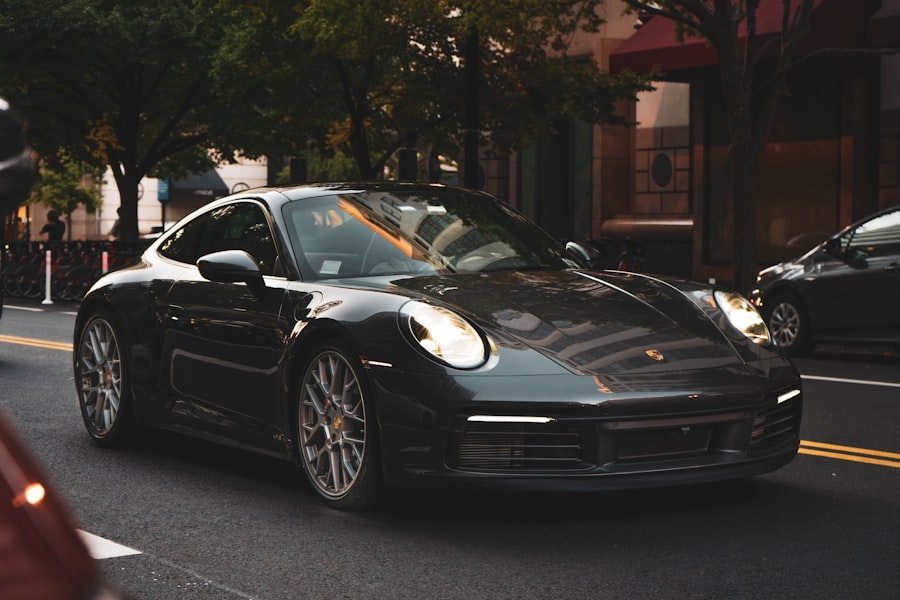
Beyond the personal costs, owning a luxury car also brings with it ethical considerations. In a world facing increasing environmental and social challenges, the choices you make about your consumption patterns have broader implications.
Environmental Impact: The Footprint of Indulgence
Luxury cars, particularly those with large engines and high fuel consumption, have a significant environmental footprint. While advancements are being made in electric and hybrid luxury vehicles, the traditional gas-guzzler still persists.
Fuel Consumption and Emissions: The Price for the Planet
The burning of fossil fuels contributes to air pollution and climate change. The higher the fuel consumption of your vehicle, the greater your contribution to these global issues.
Manufacturing and Disposal: The Lifecycle of a Luxury Item
The production of luxury vehicles, with their advanced materials and complex manufacturing processes, also has an environmental cost. Furthermore, the disposal of these vehicles at the end of their life cycle can be a more complex and resource-intensive process.
Resource Allocation and Inequality: The Broader Picture
The immense financial resources dedicated to the production and purchase of luxury vehicles could, arguably, be directed towards addressing more pressing global needs. This is a philosophical consideration for some, but it’s a valid point in the discourse of responsible consumption.
The “Haves” and the “Have-Nots”: A Visual Representation
A luxury car, by its very nature, is a symbol of affluence. In societies with significant wealth inequality, such conspicuous consumption can be seen as a stark reminder of the disparities, potentially contributing to social friction.
Prioritizing Needs Over Wants: A Personal Reflection
This isn’t about shaming individual choices, but rather encouraging a moment of reflection. Are the resources you’ve allocated to your luxury car best serving your needs and contributing to a more equitable world?
When considering the true cost of owning a luxury car, it’s essential to look beyond the initial purchase price and factor in ongoing expenses such as insurance, maintenance, and depreciation. A related article that delves deeper into these financial implications can be found here. Understanding these costs can help potential buyers make informed decisions and better assess whether a luxury vehicle aligns with their financial goals.
The Alternative Path: Smart Choices, Lasting Satisfaction
| Cost Category | Details |
|---|---|
| Purchase Price | The initial cost of buying the luxury car. |
| Depreciation | The decrease in value of the car over time. |
| Insurance | The monthly or annual cost to insure the luxury car. |
| Fuel | The cost of gasoline or electricity to power the car. |
| Maintenance | Regular upkeep and repairs for the luxury car. |
| Taxes and Fees | Additional costs such as registration fees and property taxes. |
| Opportunity Cost | The potential return on investment if the money used to purchase the luxury car was invested instead. |
You’ve seen the true cost, and it’s a hefty sum in more ways than one. But this doesn’t mean you have to abandon your appreciation for fine automobiles. It simply means approaching ownership with an informed perspective and considering alternatives that offer a more balanced approach.
The Value of “Nearly New” or Certified Pre-Owned
The steepest depreciation occurs in the first few years. Purchasing a luxury car that is only a year or two old can save you a considerable amount of money while still offering the prestige and performance you desire.
Avoiding the Initial Plunge: Smart Depreciation Management
By letting someone else absorb the initial depreciation hit, you can acquire a high-quality vehicle at a significantly reduced price, making the overall cost of ownership much more manageable.
Certified Pre-Owned Programs: Peace of Mind Included
Many luxury manufacturers offer certified pre-owned programs that include extended warranties and rigorous inspections, offering a level of assurance comparable to buying new.
The Appeal of a High-Quality, Non-Luxury Vehicle
The automotive market offers an incredible array of well-engineered, reliable, and stylish vehicles that don’t carry the “luxury” premium. You can often find a car that offers exceptional performance, advanced features, and a comfortable ride without the exorbitant price tag.
Investing in Quality, Not Just a Badge: Prioritizing Engineering
Focus on brands known for their engineering prowess, reliability, and occupant comfort. You might be surprised at how much automotive excellence you can find at a lower price point.
The Freedom of Lower Running Costs: More for Your Money
Opting for a non-luxury vehicle often means lower insurance premiums, cheaper maintenance, and better fuel efficiency, freeing up your finances for other pursuits.
The “Subscription” Model: Flexibility and Reduced Commitment
Emerging car subscription services offer a flexible alternative to traditional ownership. You pay a monthly fee that often includes insurance, maintenance, and roadside assistance, allowing you to drive different vehicles without the long-term commitment.
Avoiding Pricey Loans and Depreciation: A Financial Release
Subscription models eliminate the need for large down payments and loans, and you don’t have to worry about the depreciation of the vehicle.
Adapting to Changing Needs: Versatility at Your Fingertips
If your lifestyle or needs change, you can often switch vehicles within the subscription service, offering unparalleled flexibility.
Ultimately, the decision to own a luxury car is a personal one. But understanding the true cost, beyond the shimmering surface, empowers you to make an informed choice that aligns with your financial goals, your values, and your overall well-being. You can still appreciate the artistry and engineering of these magnificent machines without being consumed by their hidden expenses. The satisfaction of smart financial decisions, after all, can be its own unique form of luxury.

The Hidden Cost of Owning a Luxury Car
FAQs
What is the true cost of owning a luxury car?
The true cost of owning a luxury car includes the initial purchase price, insurance, maintenance, repairs, fuel, and depreciation.
How does depreciation affect the true cost of owning a luxury car?
Luxury cars typically depreciate at a faster rate than non-luxury vehicles, leading to a higher overall cost of ownership. This is due to factors such as brand reputation, technology advancements, and market demand.
What are the maintenance and repair costs associated with owning a luxury car?
Maintenance and repair costs for luxury cars tend to be higher than those for non-luxury vehicles due to the use of specialized parts, advanced technology, and the need for skilled technicians.
How does insurance impact the true cost of owning a luxury car?
Insurance for luxury cars is generally more expensive than for non-luxury vehicles due to higher replacement costs, increased risk of theft, and the potential for expensive repairs.
What are some additional factors to consider when calculating the true cost of owning a luxury car?
Additional factors to consider when calculating the true cost of owning a luxury car include taxes, registration fees, parking costs, and potential customization or personalization expenses.