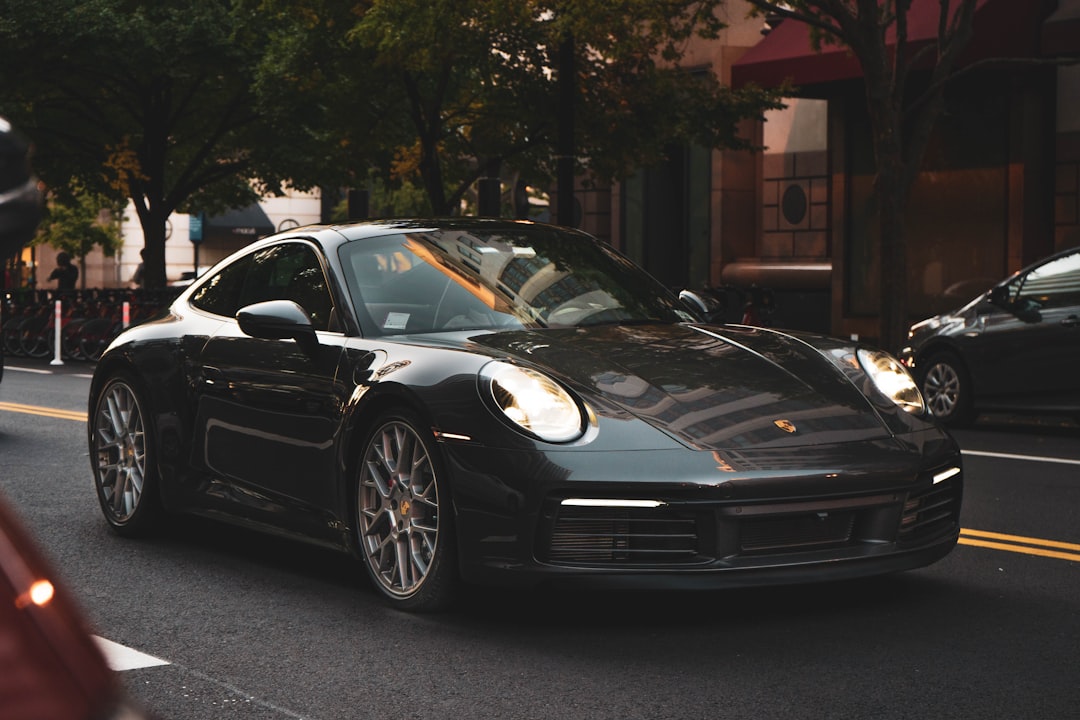
You’ve finally done it. You’ve cruised past the dealership window countless times, your eyes lingering on that gleaming automotive masterpiece. The curves, the leather, the sheer presence – it calls to you. And now, it’s yours. You’re rolling down the street, the engine whispering a symphony of power, the envious glances from other drivers a sweet affirmation. Owning a luxury car isn’t just about transportation; it’s a statement. It’s about experiencing a level of refinement, performance, and prestige that everyday vehicles simply can’t offer. But as you bask in the glow of your acquisition, it’s crucial to pull back the curtain and explore the often-overlooked, hidden costs that come with wielding such automotive excellence. This isn’t a deterrent, but an informed perspective, ensuring your ownership journey is as smooth and enjoyable as possible.
You know the purchase price. You probably budgeted for it, perhaps even stretched your finances a bit to make it a reality. But the number on the window sticker, while significant, is merely the opening act in the financial symphony of luxury car ownership. Beyond the initial transaction lies a landscape of expenses that can, and often do, far exceed your initial projections. This isn’t about regretting your decision, but about being prepared for the full spectrum of financial commitment.
Depreciation: TheSilent Value Eroder
No vehicle, regardless of its price tag, escapes the relentless march of depreciation. However, for luxury cars, this descent in value can be particularly steep and swift. The moment you drive that brand-new, exquisitely crafted machine off the dealership lot, its value plummets.
The Rapid Decline in the First Few Years
Luxury brands, with their rapid model updates and cutting-edge technology, often see the most aggressive depreciation in the first two to three years of a vehicle’s life. Think of it as the initial premium for being the first to own the latest and greatest. While a mass-market sedan might lose 15-20% of its value in its first year, a luxury equivalent can easily shed 20-30% or even more, depending on the make and model. This is a psychological barrier for some, as their significant investment visibly shrinks on paper.
The Impact on Resale Value and Trade-In
This rapid depreciation has direct implications when it’s time to sell or trade in your vehicle. Even if you’ve meticulously maintained it, the market value will be considerably lower than what you initially paid. This can lead to unexpected shortfalls when purchasing your next vehicle, or a significant chunk of equity lost if you were relying on the car’s value for a down payment. The allure of owning a new luxury car often means you’re constantly buying depreciating assets, and the cost of that constant upgrade can be substantial.
Insurance Premiums: More Than Just a Number
You likely anticipated higher insurance costs when buying a luxury vehicle, but the extent of this increase can be surprising. It’s not just about the car’s value; it’s a complex interplay of factors that drives up your premiums.
The Cost of Components and Repair Expertise
Luxury cars are built with sophisticated, often proprietary, components. These parts are engineered to exacting standards and come with a premium price tag. A fender bender that might cost a few hundred dollars to fix on a standard sedan can run into the thousands for a luxury counterpart. This is due to the specialized materials, advanced electronics, and often unique design elements. Furthermore, repairs require highly trained technicians who are certified to work on these specialized vehicles, and their expertise comes at a higher labor cost.
Higher Risk Factors and Theft Potential
Luxury vehicles, unfortunately, can also be targets for theft due to their desirability and the potential value of their components. Insurance companies factor in this higher risk of theft and damage when calculating premiums. They also consider the overall safety ratings and the potential payout in the event of a major accident, which can be significantly higher for a luxury vehicle with extensive safety features and advanced engineering.
Specialized Coverage and Deductibles
In some cases, insuring a luxury car might necessitate specialized coverage or higher deductibles. This is to account for the potential for high-value claims. You might find yourself paying more for coverage that specifically addresses the unique aspects of your vehicle, such as advanced driver-assistance systems or proprietary infotainment units.
When considering the hidden costs of luxury car ownership, it’s essential to look beyond the initial purchase price. An insightful article that delves into this topic can be found at How Wealth Grows, where it explores various factors such as maintenance, insurance, and depreciation that can significantly impact the overall cost of owning a luxury vehicle. Understanding these hidden expenses can help potential buyers make more informed decisions and better manage their finances.
The Maintenance Maze: Precision, Parts, and Premiums
This is where many luxury car owners find themselves facing their most significant and consistent hidden costs. You’re not just paying for oil changes; you’re investing in a complex ecosystem designed for peak performance and longevity, and that comes at a price.
Scheduled Maintenance: Beyond the Basics
While every car needs regular maintenance, the frequency and cost of these services for luxury vehicles are often on a different level. It’s not just about changing the oil and rotating the tires.
Manufacturer-Recommended Service Intervals
Luxury manufacturers often have more stringent and frequent service intervals. Where a standard car might have an oil change every 10,000 miles, a luxury vehicle might recommend one every 5,000 or 7,500 miles, especially for performance-oriented models. These scheduled services often include a comprehensive check of numerous systems, fluid flushes, filter replacements, and software updates.
The “A” and “B” Services: A Deeper Dive
You’ll likely encounter terms like “Service A” or “Service B.” These aren’t just arbitrary labels; they represent different levels of maintenance. Service A might be a more basic check, while Service B could involve a more in-depth inspection, including brake fluid flushes, transmission fluid checks, and spark plug replacements, depending on mileage. The cost of these services can escalate quickly.
Specialized Fluids and Filters
Luxury cars often require specific, high-performance synthetic oils and specialized filters that are more expensive than their standard counterparts. The cost of these premium consumables adds a significant layer to routine maintenance.
Unscheduled Repairs: The Price of Sophistication
When something goes wrong, and inevitably it will, the cost of repairs can be a stark reminder of your investment. The advanced technology and intricate engineering that make these cars so desirable also make them expensive to fix.
The High Cost of Specialized Parts
As mentioned earlier, the cost of replacement parts is a major factor. Think about a single headlight assembly for a high-end luxury sedan; it can easily cost thousands of dollars. This applies to everything from engine components and transmission parts to sensors, infotainment screens, and body panels. The rarity and precision required for these parts drive up their individual cost.
The Need for Dealership or Specialized Independent Shops
Many luxury car owners feel compelled to use dealerships for repairs to ensure warranty validity and access to the most qualified technicians. Dealerships, however, carry higher overhead costs, which are passed on to you in the form of labor rates and parts markups. While independent specialists exist, finding one with the specific expertise and equipment for your particular luxury marque can be challenging and still expensive.
Extended Warranties: A Double-Edged Sword
To mitigate the risk of expensive unscheduled repairs, many owners opt for extended warranties. While these can offer peace of mind, they also come with a significant upfront cost. It’s essential to scrutinize the coverage, understand the deductibles, and research the reputation of the warranty provider. You might pay for coverage that you never end up needing, or the warranty might have loopholes that leave you responsible for certain repairs.
Tire Replacements: A Recurring and Significant Expense
Luxury cars often come equipped with high-performance tires that are specifically designed to complement their handling and speed capabilities. These tires are not only expensive to buy but also wear out faster due to their softer compounds and aggressive tread patterns.
Performance Tires: More Grip, More Cost
The grippier the tire, the shorter its lifespan tends to be. You’ll likely find yourself replacing tires more frequently than you would on a standard vehicle. Plus, the specialized nature of these tires means they are often not readily available off-the-shelf at every tire shop, further increasing your reliance on specialized vendors and potentially higher prices.
Tire Pressure Monitoring Systems (TPMS) and Calibration
Modern luxury cars are equipped with sophisticated Tire Pressure Monitoring Systems. Replacing tires often involves recalibrating these systems, which adds an extra cost to the tire replacement process.
Fuel Consumption: The Thirst of Performance
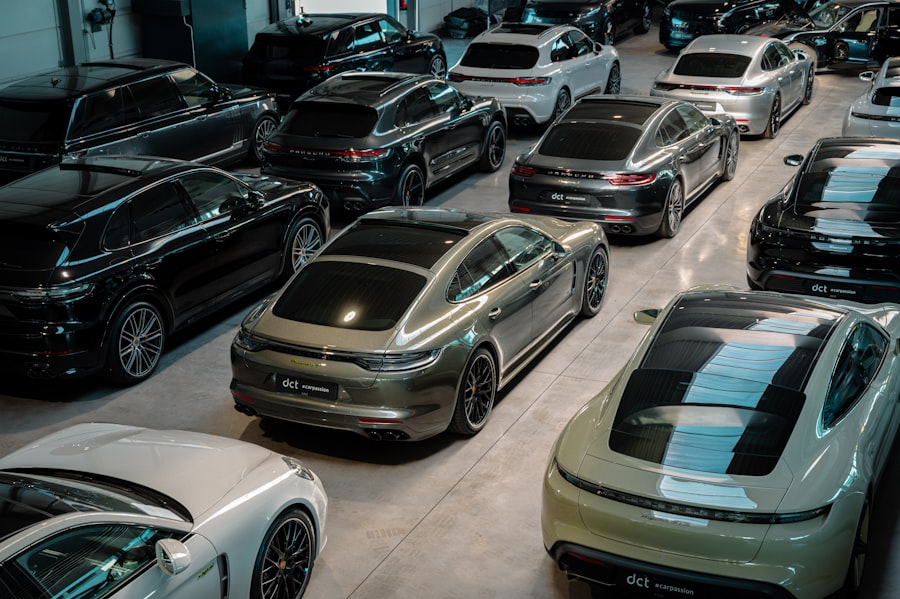
The exhilarating performance and powerful engines that define luxury cars often come with a commensurate thirst for fuel. While you might have factored in regular fuel costs, the reality of powering a high-performance machine can be a heavier hit to your wallet than anticipated.
Engine Size and Performance Tuning
Luxury cars are equipped with larger, more powerful engines designed for acceleration and sustained high speeds. These engines, by their nature, consume more fuel than their smaller, more fuel-efficient counterparts. Performance tuning and dynamic driving styles exacerbate this.
The “Sport” Mode Penalty
When you engage sport modes, or simply enjoy the responsive acceleration that your luxury car offers, you are directly impacting your fuel economy. The engine management system prioritizes performance over efficiency, leading to a noticeable increase in fuel consumption. Driving aggressively, even for short bursts, can significantly drive up your weekly fuel bill.
Higher Octane Fuel Requirements
Many luxury vehicles, especially those with high-performance engines, require premium or even super-premium octane fuel to prevent knocking and ensure optimal engine operation. This higher-octane fuel is, predictably, more expensive than regular unleaded gasoline, adding another layer to your fuel budget.
Aerodynamics and Weight
While luxury cars are designed with sleek aerodynamics, their often heavier construction, due to the integration of advanced safety features and premium materials, can also contribute to less-than-ideal fuel efficiency. The pursuit of luxury often involves adding substantial weight, and this weight needs to be constantly propelled.
Add-Ons and Upgrades: The Price of Personalization

The allure of a luxury car is amplified by the vast array of customization options available. From bespoke interior trims to advanced technological features, the ability to tailor your vehicle to your exact specifications is a significant part of the appeal. However, these enhancements come with a hefty price tag that can easily inflate your total ownership cost.
Interior and Exterior Enhancements
The temptation to enhance your already luxurious vehicle is powerful.
Premium Upholstery and Trim
Upgrading from standard leather to Nappa or full-grain leather, adding real wood or carbon fiber trim, or opting for Alcantara headliners are common desires. These premium materials are significantly more expensive than standard options and can add thousands to the initial purchase price.
Custom Wheels and Tires
While performance tires were discussed earlier, the aesthetic appeal of custom wheels is undeniable. Aftermarket wheels, especially those from reputable brands, can be incredibly expensive. They also may require specific tire sizes and types, further complicating replacements.
Advanced Lighting and Sound Systems
While high-end audio systems are often standard, further upgrades, or the integration of custom lighting packages, can add considerable expense. These systems are often highly integrated into the vehicle’s electronics, making aftermarket installations complex and costly if not done by professionals.
Technological Features and Infotainment
Luxury cars are often at the forefront of automotive technology. While these features enhance the driving experience, they also come with a premium.
Upgraded Infotainment and Navigation
Opting for the most advanced infotainment system, including larger screens, premium sound, augmented reality navigation, and enhanced connectivity features, can significantly increase the vehicle’s price.
Driver Assistance and Safety Packages
While many safety features are becoming standard, advanced driver-assistance systems (ADAS) such as semi-autonomous driving capabilities, advanced parking assist, and 360-degree camera systems are often optional extras that come with a substantial cost.
Software Updates and Connectivity Subscriptions
The sophisticated technology in luxury cars often requires ongoing software updates to maintain functionality and security. Some manufacturers also charge subscription fees for certain connected services, such as remote access, Wi-Fi hotspots, or real-time traffic information, adding a recurring cost to your ownership.
When considering the allure of luxury car ownership, it’s essential to be aware of the hidden costs that can significantly impact your budget. An insightful article on this topic explores various expenses beyond the initial purchase price, such as maintenance, insurance, and depreciation. For a deeper understanding of these financial implications, you can read more in this related article that delves into the true costs associated with owning a luxury vehicle.
The Intangible but Real Costs: Wear and Tear on Your Wallet and Wellbeing
| Hidden Costs of Luxury Car Ownership | |
|---|---|
| Depreciation | Higher insurance premiums |
| Costly maintenance and repairs | Specialized parts and labor |
| Increased fuel expenses | Luxury brand markups |
Beyond the tangible dollar figures, there are less quantifiable but equally significant costs associated with luxury car ownership that can impact your financial prudence and even your overall well-being.
The Psychology of Ownership: Maintaining the Dream
The act of owning a luxury car can subtly alter your financial behavior and expectations.
The “Don’t Touch It” Mentality
You might find yourself hesitant to park in crowded lots for fear of dings and scratches, or you might avoid certain roads for fear of damaging the pristine undercarriage. This increased anxiety about your vehicle can be a subtle but pervasive psychological cost, limiting your spontaneity and enjoyment.
The Pressure to Keep Up Appearances
There can be an unspoken pressure to maintain a certain image when you own a luxury car. This can manifest in a reluctance to admit to financial strain, or even the impulse to continue a lifestyle that is no longer financially sustainable simply to match the perceived status of your vehicle.
The Temptation of Overspending on Accessories
The desire to keep your luxury car looking its absolute best can lead to overspending on detailing products, custom accessories, and even the subconscious impulse to buy more luxury items to complement your vehicle’s image.
The Opportunity Cost: What Else Could You Have Done With That Money?
Every dollar spent on your luxury car is a dollar that cannot be used for other financial goals.
Investment Potential Lost
The significant sums spent on depreciation, maintenance, insurance, and fuel could have been invested in stocks, bonds, or real estate, generating returns and building long-term wealth. The opportunity cost of depreciation alone can be substantial over the lifespan of the vehicle.
Lifestyle Sacrifices
The ongoing costs of luxury car ownership might necessitate sacrifices in other areas of your life. This could mean fewer vacations, delaying home renovations, or limiting spending on hobbies and personal development. You are essentially trading potential financial growth and other life experiences for the privilege of driving a luxury vehicle.
The Cycle of Debt
For those who finance their luxury vehicles, the large monthly payments can contribute to a cycle of debt that is difficult to break. The interest paid on car loans, especially for high-value vehicles, can be a substantial additional cost over the life of the loan.
The Environmental Footprint and Associated Burdens
While not a direct monetary cost in the same vein as repairs, the environmental impact of luxury vehicles can lead to indirect financial and social consequences.
Higher Emissions and Potential Future Regulations
Larger, more powerful engines often produce higher emissions. As environmental regulations tighten globally, there’s a potential for increased taxes or fees on higher-emission vehicles. You might also face limitations on where you can drive your vehicle in certain urban areas with emission restrictions.
Fuel Price Volatility
While you’ve accounted for fuel costs, the reliance on premium fuels makes you more susceptible to fluctuations in gas prices. A sudden spike in the cost of high-octane gasoline can disproportionately affect your budget compared to an owner of a more fuel-efficient vehicle.
In conclusion, while the experience of owning a luxury car is undeniably exhilarating, it’s an experience built on a foundation of often substantial and recurring financial commitments. By understanding and preparing for these hidden costs – from the steep depreciation and escalating insurance premiums to the meticulous maintenance demands and the subtle psychological impacts – you can approach your luxury car ownership with informed optimism. It’s not about diminishing the joy, but about ensuring that your automotive dream remains a sustainable and fulfilling reality, free from the specter of unexpected financial distress. The road to luxury is paved with more than just smooth asphalt; it’s also paved with prudent financial planning and an honest assessment of the ongoing investment required.

The Hidden Cost of Owning a Luxury Car
FAQs
What are the hidden costs of luxury car ownership?
Luxury car ownership comes with hidden costs such as higher insurance premiums, expensive maintenance and repairs, and depreciation.
How much more expensive is insurance for luxury cars?
Insurance for luxury cars can be significantly more expensive than for non-luxury vehicles, with premiums often being 20-30% higher due to the higher cost of repairs and replacement parts.
What are the maintenance costs for luxury cars?
Maintenance costs for luxury cars are typically higher than for non-luxury vehicles, as they often require specialized parts and services, and may have more complex systems that require regular attention.
How does depreciation affect luxury car ownership?
Luxury cars depreciate at a faster rate than non-luxury vehicles, meaning that owners may experience a significant loss in value over a short period of time, resulting in a higher overall cost of ownership.
Are there any other hidden costs associated with luxury car ownership?
Other hidden costs of luxury car ownership may include higher fuel costs, expensive customization options, and the potential for higher taxes and registration fees in some areas.