You stand there, breathing in the scent of polished leather and the faint whisper of something electric or perhaps perfectly ignited internal combustion. The dealership lights gleam off curves that are not merely functional but sculpted, conveying a certain aspiration, a statement. It’s the allure of the luxury car. But the sticker price, that five or six-figure behemoth, looms large. This, you tell yourself, is the question: Is buying a luxury car worth it?
It’s a question that transcends mere practicality, delving into the realms of emotion, status, and an honest assessment of your own desires and financial realities. This isn’t about simply getting from point A to point B; it’s about the journey, the experience, and what that experience signifies. You’re not just buying a vehicle; you’re investing in a feeling, a lifestyle, and a perception. So, let’s dissect this elaborate decision, breaking down the multifaceted nature of luxury car ownership to help you determine if it truly aligns with your definition of worth.
Beyond the undeniable aesthetic appeal, luxury cars offer a suite of tangible advantages that contribute to the overall ownership experience. These are the features and functionalities that often distinguish them from their more mainstream counterparts, and you’ll want to consider how much value you place on them in your daily life.
Superior Engineering and Performance
This is often the bedrock of what makes a luxury car, well, luxurious. The engineers at these premium brands are tasked with pushing boundaries, not just in terms of raw power, but in refinement and efficiency.
Engine Prowess and Driving Dynamics
You can feel the difference the moment you press the accelerator. Luxury vehicles often boast more potent engines, whether it’s a V8 that purrs with latent power or a sophisticated electric powertrain that delivers instant, exhilarating torque. The transmission shifts are seamless, the acceleration is smooth and confident, and the overall sensation of power at your disposal is palpable. This isn’t just about speed; it’s about the effortless merging onto a highway, the decisive overtaking maneuver, and the sheer joy of commanding a finely tuned machine. The suspension systems are also meticulously calibrated to offer a ride that is both comfortable and dynamically capable, striking a balance between isolating you from road imperfections and providing a connected feel to the asphalt.
Advanced Technology and Connectivity
Luxury cars are often at the forefront of automotive innovation. You’ll find cutting-edge infotainment systems, intuitive driver-assistance features, and seamless connectivity options that enhance your driving experience and safety.
The Infotainment Experience
Forget clunky interfaces and pixelated screens. Luxury brands invest heavily in high-resolution displays, responsive touch controls, and sophisticated operating systems that are as aesthetically pleasing as they are functional. Integration with your smartphone, whether through Apple CarPlay or Android Auto, is typically seamless, offering access to navigation, music, and communication without distraction. Some manufacturers even offer augmented reality navigation, overlaying directions onto the real-world view, a truly futuristic touch.
Safety and Driver Assistance
While all modern cars are equipped with safety features, luxury vehicles often offer a more comprehensive and sophisticated suite. Adaptive cruise control that maintains a set distance from the vehicle ahead, lane-keeping assist that gently guides you back into your lane, and blind-spot monitoring are just the tip of the iceberg. Features like automatic emergency braking, 360-degree cameras, and even advanced parking assist systems are commonplace, providing an extra layer of confidence and security on the road.
Unparalleled Comfort and Refinement
The interior of a luxury car is a sanctuary, designed to cocoon you in comfort and tranquility, regardless of the world outside. This is where thoughtful design and premium materials converge to create an environment that elevates every journey.
Premium Materials and Craftsmanship
The touch and feel of the materials used in a luxury car are immediately apparent. Supple leather, real wood veneers, brushed aluminum, and meticulously stitched fabrics are not mere decorative elements; they are integral to the sensory experience. The attention to detail in the craftsmanship is also evident, from the precise fit and finish of every panel to the subtle detailing on the steering wheel or gear shifter. This is design that appeals to the senses, creating an atmosphere of sophistication and understated elegance.
Ergonomics and Seating Excellence
Long drives become a pleasure rather than a chore when you’re seated in a luxury car. The seats are designed with ergonomics in mind, offering exceptional support, ample adjustability, and often features like heating, ventilation, and massage functions. The cabin is meticulously insulated to minimize road noise, engine sound, and wind noise, creating a serene environment where you can enjoy conversations, your audio, or simply the quiet contemplation of the drive. Climate control systems are also typically more sophisticated, allowing for multi-zone temperature adjustments to ensure the comfort of all occupants.
When considering whether buying a luxury car is worth it, it’s essential to evaluate not only the financial implications but also the lifestyle benefits that come with such a purchase. For a deeper insight into the factors influencing this decision, you can read a related article that discusses the pros and cons of luxury vehicle ownership. Check it out here: Is Buying a Luxury Car Worth It?. This article provides valuable information that can help you make an informed choice based on your personal circumstances and preferences.
The Emotional and Psychological Rewards
Beyond the tangible, the decision to buy a luxury car often hinges on the intangible. These are the feelings, the perceptions, and the personal satisfaction that such an acquisition can bring.
The Feeling of Prestige and Status
Let’s be honest, part of the allure of a luxury car is the social signaling it provides. It’s a visible testament to success, a tangible reward for your hard work and achievements.
Making a Statement
Driving a luxury vehicle can be a way to project an image of competence and achievement. It can be a silent declaration of your status, a subtle nod to your accomplishments without uttering a single word. This isn’t necessarily about arrogance, but about acknowledging and enjoying the fruits of your labor. The car becomes an extension of your personal brand, a rolling billboard of your success.
The Psychological Boost
There’s an undeniable psychological uplift that comes with owning and driving a premium vehicle. It can boost your confidence, make you feel more in control, and simply bring a sense of joy and satisfaction to your daily commute. The attention it may garner, while not the primary motivation for everyone, can also contribute to a positive self-image. It’s about feeling good about yourself and the choices you’ve made.
Enhanced Driving Enjoyment and Personal Indulgence
For many, a luxury car is an indulgence, a way to enhance their personal enjoyment of driving and travel. It’s about transforming a mundane task into a delightful experience.
The Joy of the Drive Itself
When every aspect of the driving experience is optimized for pleasure and refinement, even a short trip can become an event. The responsive handling, the smooth ride, the engaging technology – these elements combine to make driving an active source of enjoyment. You might find yourself looking for excuses to drive, to simply experience the car.
A Reward for Your Efforts
You’ve worked hard. You’ve made sacrifices. Why not reward yourself with something that brings you genuine pleasure and a daily dose of luxury? Owning a luxury car can be a tangible symbol of your hard-earned success, a way to acknowledge and celebrate your achievements in a way that resonates with you on a personal level.
The Financial Considerations: Is It a Sound Investment?
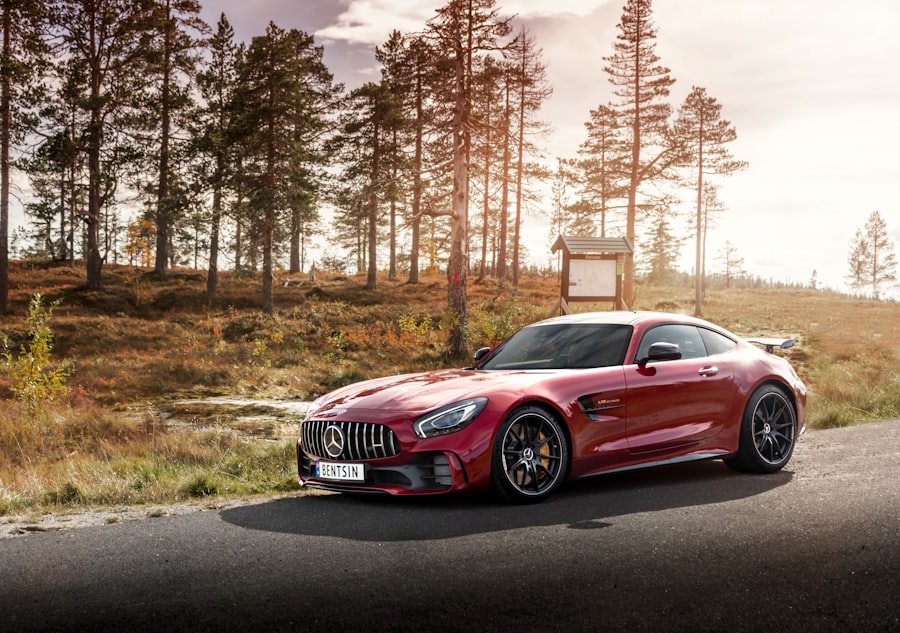
This is where the practicality clashes with the passion. While the emotional benefits are compelling, the financial implications cannot be ignored. You need to engage in a sober assessment of your financial health and long-term goals.
Depreciation: The Silent Killer
One of the biggest financial downsides of any new car, and especially luxury vehicles, is depreciation. The moment you drive it off the lot, its value begins to plummet.
Steep Initial Depreciation
Luxury cars, due to their higher initial price point, experience significant depreciation in their early years. While some high-demand models might hold their value better than others, you can expect a substantial loss in value within the first 1-3 years of ownership. This is a cost that needs to be factored into your decision, as it represents a tangible financial loss.
The Impact on Resale Value
Understanding the resale value of the specific model you’re considering is crucial. Some brands and models hold their value better than others, especially if they are in high demand or have a strong reputation for reliability. Researching historical depreciation trends for your chosen vehicle can provide a more realistic picture of its future worth.
Ownership Costs: More Than Just the Sticker Price
The purchase price is just the beginning. Luxury cars come with a distinct set of ongoing expenses that can significantly impact your budget.
Maintenance and Repairs
These are not your run-of-the-mill Corolla maintenance costs. Replacement parts for luxury vehicles can be astronomically expensive. Scheduled maintenance at authorized dealerships can also carry a premium price tag. Furthermore, if something goes wrong outside of the warranty period, you could be facing substantial repair bills. It’s vital to factor in the potential for these higher costs when assessing the overall affordability.
Insurance Premiums
The higher value and often more powerful nature of luxury cars translate into higher insurance premiums. Insurers perceive them as higher risk, and therefore, you’ll likely be paying more for comprehensive and collision coverage. Get quotes from your insurance provider before you commit to purchasing to understand this hidden cost.
Fuel Efficiency (or Lack Thereof)
While some luxury vehicles are now offering impressive fuel efficiency, particularly their hybrid and electric counterparts, many performance-oriented models can be quite thirsty. Factor in the cost of fuel, and whether the type of fuel required (e.g., premium unleaded) adds to the expense.
Alternatives and Compromises: Finding Your Value
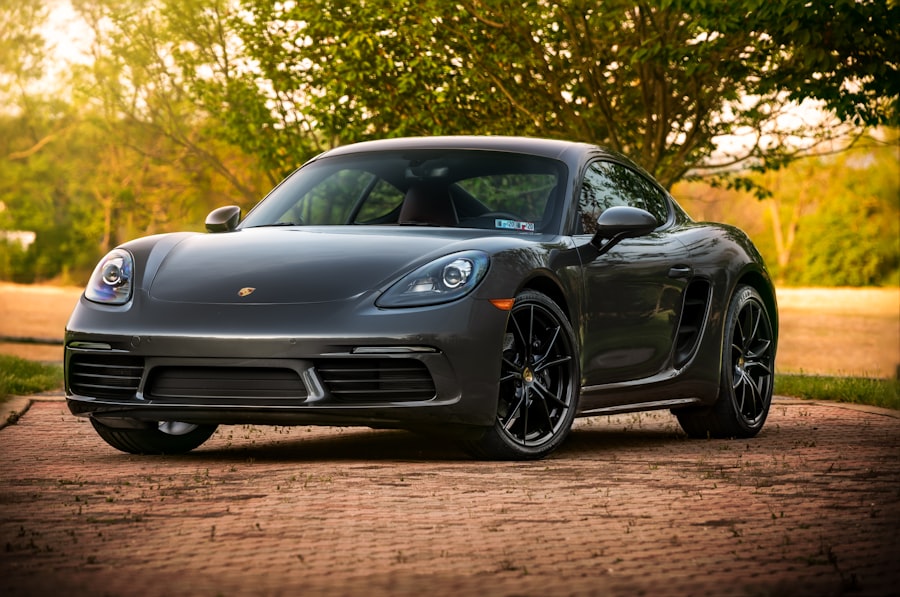
The binary choice might seem to be between a basic sedan and a high-end sports car. However, the automotive landscape offers a spectrum of options, and a compromise might just be the most financially prudent and personally satisfying solution.
“Near-Luxury” Brands: The Best of Both Worlds?
Many manufacturers offer vehicles that bridge the gap between mainstream and luxury. These “near-luxury” brands often provide a premium feel, advanced features, and a more refined driving experience without the exorbitant price tag.
High-Trim Mainstream Models
Consider equipping a mainstream vehicle with all the available bells and whistles. You might find that a top-tier trim level of a popular model offers many of the comfort, technology, and performance features you desire at a significantly lower cost than a comparable luxury vehicle. These cars are increasingly sophisticated and can offer a surprising amount of luxury for their segment.
Brands Occupying the Premium Space
Brands like Acura, Infiniti, Lexus (often considered true luxury, but with a different price point than ultra-luxury), Volvo, and some higher-end Hyundai or Genesis models can offer a compelling blend of features, performance, and exclusivity at a more accessible price point than traditional German luxury marques, for example. These brands are often designed to compete directly with the entry-level offerings of established luxury automakers.
The Pre-Owned Luxury Market: A Sweet Spot for Value
Buying a pre-owned luxury car can be a smart way to access the premium experience at a fraction of the original cost. The steepest depreciation has already occurred, leaving you with a vehicle that still offers a high level of luxury and performance.
Certified Pre-Owned Programs
Many luxury manufacturers offer certified pre-owned (CPO) programs. These vehicles undergo rigorous inspections and come with extended warranties, offering peace of mind and mitigating some of the risks associated with buying used. This can be an excellent way to get a nearly new luxury car with a significant discount.
Understanding the Risks of Private Sales
While private sales can offer the lowest prices, they also come with the highest risk. You won’t have the recourse of a dealership or CPO warranty, so a thorough inspection by a trusted mechanic is paramount. Always verify the vehicle’s history through services like Carfax or AutoCheck.
When considering whether buying a luxury car is worth it, many factors come into play, including maintenance costs, depreciation, and the overall driving experience. For those interested in exploring the financial implications of such a purchase, a related article can provide valuable insights. You can read more about the potential benefits and drawbacks of luxury investments in this informative piece that delves into how wealth can be effectively managed and grown over time.
The Bottom Line: Defining “Worth It” for You
| Factors to Consider | Pros | Cons |
|---|---|---|
| Quality and Comfort | High-quality materials and luxurious comfort | Higher cost of maintenance and repairs |
| Prestige and Status | Elevated social status and prestige | Higher insurance costs and potential for envy or resentment |
| Performance and Technology | Advanced technology and superior performance | Depreciation and potential for higher fuel costs |
| Resale Value | Potential for higher resale value | Initial depreciation and market fluctuations |
Ultimately, whether buying a luxury car is “worth it” is a deeply personal decision. It’s about aligning your desires with your financial capabilities and understanding what truly brings you value.
Your Financial Readiness
This is the non-negotiable starting point. Can you comfortably afford not just the purchase price, but also the ongoing ownership costs without straining your budget or compromising your financial goals? This includes emergency funds, retirement savings, and other essential financial obligations. Buying a luxury car should be an addition to a secure financial foundation, not a detriment to it.
Your Personal Priorities and Lifestyle
Does a luxury car genuinely enhance your life in a way that justifies the expense? Do you have a long commute where comfort and refinement are paramount? Do you frequently entertain clients or colleagues where image is important? Or is it purely an emotional desire? Be honest with yourself about the practical impact and your motivations.
A Balanced Perspective
It’s about finding a balance between aspiration and affordability. It’s about appreciating the finer things without becoming a slave to them. Perhaps a slightly less extravagant luxury car, or a well-maintained pre-owned model, can offer you the desired experience without the crippling financial burden. The feeling of luxury can be achieved in many ways, and it doesn’t always require the most expensive option.
The decision to buy a luxury car is a significant one, laden with both emotional appeal and financial responsibility. By carefully considering the tangible benefits, the intangible rewards, the financial implications, and the available alternatives, you can make an informed choice that truly represents “worth it” to you. It’s a journey of self-reflection as much as it is a journey to the dealership.

The Hidden Cost of Owning a Luxury Car
FAQs
1. What are the benefits of buying a luxury car?
Luxury cars often come with advanced technology, high-quality materials, and superior performance. They also tend to have better safety features and a more comfortable driving experience.
2. Are luxury cars worth the higher price tag?
The value of a luxury car depends on individual preferences and financial situation. While they may offer a more luxurious driving experience, they also come with a higher price tag and potentially higher maintenance costs.
3. What are the potential drawbacks of buying a luxury car?
Luxury cars can be more expensive to maintain and repair. They also tend to depreciate in value more quickly than non-luxury vehicles. Additionally, the initial purchase price can be significantly higher.
4. How do luxury cars compare to non-luxury vehicles in terms of performance and features?
Luxury cars often offer superior performance, advanced technology, and higher-quality materials compared to non-luxury vehicles. They may also come with more advanced safety features and a more comfortable driving experience.
5. What factors should be considered before buying a luxury car?
Before purchasing a luxury car, it’s important to consider factors such as budget, long-term maintenance costs, resale value, and personal preferences. It’s also important to research the specific make and model to ensure it meets individual needs and expectations.