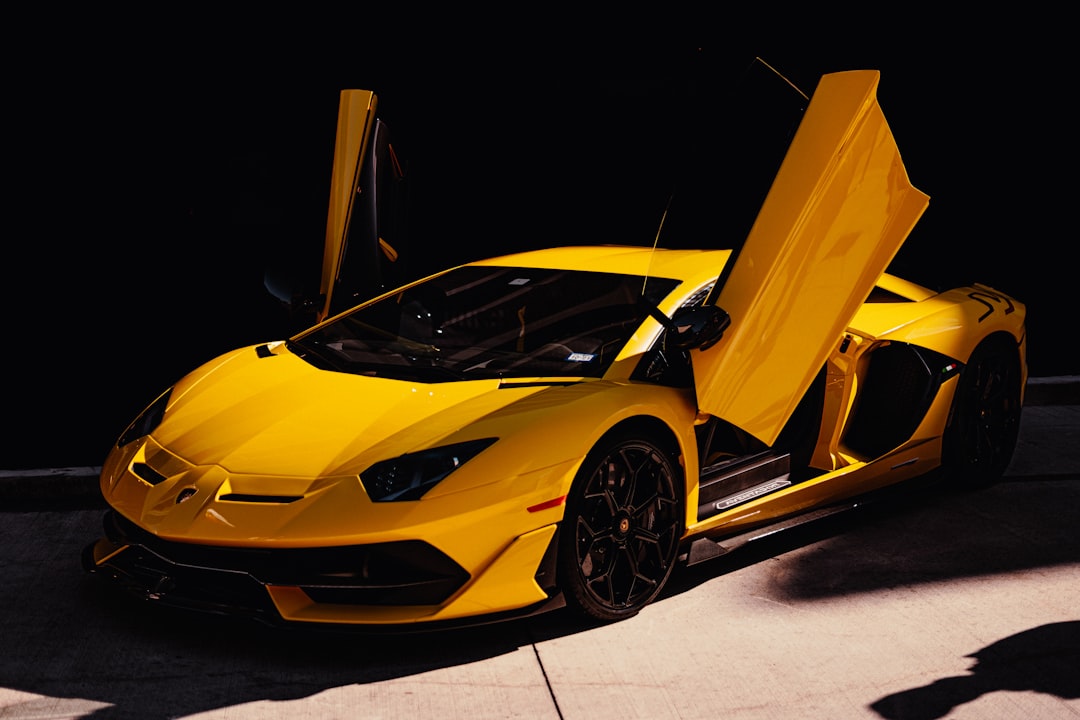
You crave the gleam, the scent of supple leather, the roar of the engine. You envision yourself behind the wheel of that undeniably impressive machine, a symbol of success and discerning taste. It’s a powerful allure, isn’t it? The desire for a luxury car isn’t just about transportation; it’s about aspiration, status, and a perceived elevated lifestyle. But as you meticulously research models, pore over brochures, and perhaps even take that exhilarating test drive, have you truly considered the silent, insidious wealth drain that accompanies such a purchase? It’s not just the sticker price; it’s a complex web of ongoing costs that can steadily erode your financial well-being, turning that dream car into a financial nightmare.
The sticker price is merely the gateway to luxury, and it’s a gateway that opens into a chasm of expense. You might be drawn to the exquisite craftsmanship, the cutting-edge technology, and the sheer aesthetic appeal of the vehicle. However, the initial outlay for a luxury car is significantly higher than for its mass-market counterparts, even for models that might, on the surface, offer similar features. This isn’t accidental; it’s a deliberate pricing strategy that reflects the brand’s exclusivity and the perceived value of its prestige.
The Unseen Mark-up: Brand Prestige and Perceived Value
When you look at a luxury car, you’re not just paying for metal, rubber, and electronics. You’re paying for the heritage, the engineering prowess, the meticulous attention to detail, and the aspirational image that the brand has cultivated over decades. This brand equity comes with a substantial premium. Consider a high-end sedan versus a well-equipped mid-size car. While the latter might offer comfortable seating, a decent infotainment system, and adequate performance, the former will undoubtedly boast superior materials, more refined driving dynamics, and a nameplate that signifies something more. This “something more” is precisely what drives up the initial price, and it’s a cost you absorb from the moment you sign the paperwork.
Performance and Technology Premiums: Paying for the Edge
Luxury cars often come equipped with the latest and greatest in automotive technology and performance. This can include advanced driver-assistance systems (ADAS), sophisticated infotainment units, powerful engines, and adaptive suspension systems. While these features undoubtedly enhance your driving experience, they also come with a significant price tag. The research and development that go into creating these innovations, as well as the premium components used, are reflected in the car’s final cost. You’re not just paying for a faster 0-60 mph time; you’re paying for the engineering that makes it happen, the intricate sensors that enable autonomous parking, and the algorithms that fine-tune the ride.
The Depreciation Avalanche: Watching Your Investment Plummet
Perhaps the most significant and often underestimated financial drain of luxury car ownership is depreciation. Unlike some other assets that hold their value or even appreciate over time, cars, especially luxury vehicles, are notorious for their rapid decline in value. The moment you drive that gleaming masterpiece off the dealership lot, its value plummets. This depreciation is exacerbated in the luxury segment due to several factors.
The Rapid Obsolescence of Cutting-Edge Tech
Luxury cars are often showcases for the newest automotive innovations. However, what is considered cutting-edge today can become commonplace or even outdated within a few years. This rapid technological evolution means that newer models quickly surpass older ones in terms of features and capabilities, making older luxury cars less desirable and therefore worth less. You might have the latest self-driving features, but by the time your car is three years old, newer models will have even more advanced iterations, impacting the resale value of yours.
The Perils of High Mileage and Wear-and-Tear
While you might enjoy putting miles on your luxury machine, each mile contributes to its depreciation. High mileage, combined with the general wear and tear that comes with regular use, significantly impacts a car’s resale value. Luxury cars, designed for performance and comfort, can be particularly susceptible to wear on certain components if not meticulously maintained. Furthermore, the perception of wear and tear can be heightened in a luxury vehicle, where pristine condition is often expected.
The Market Perception of Luxury: A Double-Edged Sword
While luxury brands strive for exclusivity, this can also contribute to rapid depreciation. The perception of luxury is tied to novelty and prestige. Once a model has been around for a while, its aura of exclusivity can diminish, leading potential buyers to seek newer, more desirable alternatives. This is compounded by the fact that the luxury car market is often driven by trends and the constant desire for the latest and greatest. This means that the car you bought yesterday might already be a step behind the desirability curve.
Luxury cars can often be a financial burden, leading many to question whether the allure of high-end vehicles is worth the cost. An insightful article that delves into this topic is available at How Wealth Grows, which discusses how the depreciation, maintenance, and insurance costs associated with luxury cars can significantly impact one’s financial health. By prioritizing status symbols over financial stability, individuals may find themselves trapped in a cycle of debt and diminished wealth.
The Relentless Thirst for Maintenance and Repairs
Owning a luxury car is akin to caring for a prized thoroughbred. It requires specialized attention, and when something goes wrong, the costs can be astronomical. The intricate engineering and high-performance components that make these cars so desirable also make them incredibly expensive to maintain and repair.
Specialized Technicians and Exclusivity of Parts
When your luxury vehicle needs servicing, you can’t just pull into any neighborhood mechanic. You’ll likely need to visit a dealership or a specialist shop with trained technicians who understand the complex systems and proprietary technologies of your specific brand. These specialists command higher hourly rates, and their expertise comes at a premium. Furthermore, the parts themselves are often manufactured to exacting standards and are produced in lower quantities, making them significantly more expensive than those for mass-market vehicles. A simple part replacement that might cost a few hundred dollars on a standard car could easily run into thousands for its luxury counterpart.
The Cost of Precision Engineering: When Every Bolt Matters
The precision engineering that defines luxury cars means that even minor repairs can be complicated and costly. Components are often integrated in ways that require specialized tools and knowledge to access and replace. For example, a simple sensor replacement might necessitate the removal of multiple panels or even major powertrain components. This complexity translates directly into higher labor costs and a greater likelihood of needing specialized, and therefore expensive, replacement parts.
The “It’s a Luxury Car” Justification: Inflated Service Bills
You’ve likely heard it, or perhaps even thought it yourself: “Well, it’s a luxury car, so I expect the service to be expensive.” This expectation, while sometimes valid, can also be exploited. Dealerships and specialized shops are aware of the premium drivers are willing to pay for the care of their high-end vehicles. This can lead to inflated service bills for routine maintenance that seems disproportionately high compared to standard vehicles. You’re not just paying for the oil change; you’re paying for the pristine waiting area, the specialized equipment, and the perceived higher standard of care.
The Inevitability of Costly Upgrades and Replacements
As your luxury car ages, even with meticulous care, certain components will inevitably need to be replaced. These aren’t always simple wear-and-tear items like brake pads. We’re talking about crucial systems that can be prohibitively expensive to repair or replace.
Ailing Electronics and Sophisticated Infotainment Systems
Modern luxury cars are packed with sophisticated electronic systems, from advanced navigation and entertainment to complex climate control and driver assistance features. These systems are prone to glitches and failures, and when they do, the repair bills can be staggering. Replacing an entire infotainment unit or a complex array of ADAS sensors can easily cost tens of thousands of dollars, a sum that could buy you a perfectly functional, albeit less luxurious, car.
Performance Components: The Price of Speed and Comfort
The high-performance engines, adaptive suspension systems, and advanced braking mechanisms that contribute to a luxury car’s exhilarating driving experience are also incredibly expensive to maintain and replace. A blown engine, a failed transmission, or a malfunctioning adaptive suspension can result in repair bills that exceed the car’s depreciated value. You might enjoy the responsive handling, but are you prepared for the financial implications when those sophisticated components eventually falter?
The Insurance Premium Burden: Protecting Your Investment at a Cost

Insuring a luxury car is not a passive expense; it’s an active and significant drain on your finances. Insurance providers see these vehicles as high-risk propositions, and their premiums reflect this perception. They are aware of the higher costs of repairs, the greater likelihood of theft (due to desirability), and the potential for higher payouts in the event of an accident.
Higher Replacement Costs: The Foundation of Elevated Premiums
The fundamental reason for higher insurance premiums for luxury cars lies in their elevated replacement costs. In the event of a total loss due to an accident or theft, the insurance company will need to pay out a substantial amount to cover the value of the vehicle. This inherent risk translates directly into higher premiums for you, the policyholder. You are essentially paying for the insurance company’s exposure to a larger financial liability.
The Cost of Exotic Materials and Advanced Manufacturing
Many luxury vehicles incorporate exotic materials like carbon fiber, aluminum alloys, and premium leather. These materials are not only expensive to produce but also require specialized techniques for repair and replacement after an accident. Insurance companies factor these higher material and labor costs into their premium calculations, knowing that repairing a damaged luxury car will invariably be more expensive than repairing a standard vehicle.
The “New for Old” Replacement Dilemma
In some cases, if your luxury car is deemed a total loss shortly after purchase, your insurance policy might offer a “new for old” replacement clause. While this sounds beneficial, it also means that the insurance company is obligated to purchase a brand-new vehicle of the same make and model to replace yours. This commitment to replacing a high-value asset further justifies their higher premium structure.
Increased Risk of Theft and Vandalism: A Target on Your Back?
Luxury cars, with their perceived prestige and desirability, can unfortunately attract unwanted attention from thieves and vandals. This increased risk of theft and vandalism is a significant factor that insurance companies consider when setting premiums. While advanced security systems are often standard on luxury vehicles, they don’t always deter determined criminals. The higher probability of a claim due to theft or damage necessitates a higher premium to offset the insurer’s potential losses.
The Allure of the Steal: High Demand on the Black Market
The components of luxury cars, as well as the vehicles themselves, can be highly sought after on the black market. This elevated demand makes them a more attractive target for organized crime rings and opportunistic thieves. Insurance companies are acutely aware of this elevated risk and factor it into their pricing to maintain profitability.
The Higher Cost of Liability Claims: When Things Go Wrong
Beyond the cost of the vehicle itself, luxury cars can also contribute to higher liability claims in the event of an accident. This is due to a combination of factors. The higher speeds attainable by these vehicles can lead to more severe accidents, resulting in greater medical expenses for injured parties. Furthermore, the perceived wealth and status of luxury car owners can sometimes influence jury perceptions in liability cases, potentially leading to larger payouts. Insurance companies factor in this higher potential for significant liability payouts when determining your premium.
The Fuel Guzzler Factor: More Than Just a Drop in the Tank

While fuel efficiency has improved across the automotive landscape, many luxury cars, particularly those with high-performance engines, remain significant fuel consumers. This isn’t just an inconvenience; it’s a recurring and substantial financial drain that you’ll experience with every mile you drive.
The Thirst of High-Performance Engines: Power Comes at a Price
The powerful engines that deliver the exhilarating acceleration and smooth performance expected of luxury vehicles are often less fuel-efficient than their mass-market counterparts. The engineering that prioritizes power and responsiveness can come at the expense of optimizing fuel consumption. You might enjoy the roar of the V8, but you’ll also be paying a premium at the pump for every surge of power.
Blending Speed and Efficiency: A Difficult Equation
Achieving a balance between high performance and excellent fuel economy is a complex engineering challenge. While advancements in engine technology, such as turbocharging and direct injection, have improved efficiency, the sheer power output of many luxury car engines still results in higher fuel consumption. You’re paying for the engineering that unlocks that power, and that often means higher fuel bills.
The Inflated Cost of Premium Fuel: The Only Option for Some
Many luxury cars are designed to run on premium unleaded gasoline, and sometimes even higher octane fuels are recommended or required. This isn’t a suggestion; it’s often a necessity to prevent engine knocking and ensure optimal performance. The cost of premium fuel is consistently higher than regular unleaded, adding another layer of expense to your already costly driving experience.
The “Recommended Fuel” Trap: No Room for Compromise
The sophisticated engine management systems in luxury cars are calibrated to perform best with specific fuel grades. Using a lower octane fuel can lead to engine damage and reduced performance, making the use of premium fuel not merely a preference but a necessity. This reliance on more expensive fuel is a constant drain on your wallet, impacting your budget with every fill-up.
Many people dream of owning a luxury car, believing it to be a symbol of success and status. However, the reality is that these high-end vehicles can lead to financial strain and keep you poor in the long run. The costs associated with luxury cars, such as insurance, maintenance, and depreciation, can quickly add up, diverting funds from savings and investments. For a deeper understanding of how such expenditures can impact your financial health, you might find this article on wealth management insightful. It discusses the hidden costs of luxury purchases and offers practical advice on building wealth over time. You can read more about it here.
The Hidden Drains: Beyond the Obvious Costs
| Reasons Luxury Cars Keep You Poor | Explanation |
|---|---|
| Depreciation | Luxury cars lose value quickly, leading to significant financial loss. |
| High Maintenance Costs | Luxury cars often require expensive maintenance and repairs. |
| Insurance Costs | Luxury cars typically have higher insurance premiums. |
| Fuel Costs | Luxury cars often have lower fuel efficiency, leading to higher fuel costs. |
| Opportunity Cost | Money spent on luxury cars could be invested or used for other wealth-building opportunities. |
Beyond the clearly defined expenses of purchase, maintenance, insurance, and fuel, there are subtler, often overlooked financial drains associated with luxury car ownership that can further erode your wealth.
The Emotional Toll of Constant Worry and Maintenance Anxiety
The significant financial investment in a luxury car can breed a sense of anxiety. You might find yourself constantly worrying about scratches, minor dents, or potential mechanical issues. This heightened sense of concern can lead to unnecessary preventive measures and a reluctance to fully enjoy the vehicle, knowing that every potential mishap comes with a hefty price tag.
The Fear of the Unexpected: A Constant Companion
Every unexplained noise, every warning light, can trigger a wave of panic and financial dread. The knowledge that even a minor repair could escalate into a significant expense creates a background level of stress that can detract from the pleasure of ownership. This emotional burden, while not directly monetary, has a tangible impact on your peace of mind and can influence your spending habits in other areas to compensate.
The Opportunity Cost of Tied-Up Capital: What Else Could You Do?
The substantial capital you tie up in a luxury car could be invested elsewhere, generating returns and growing your wealth. Imagine that down payment and subsequent loan payments invested in stocks, real estate, or a thriving business. The opportunity cost of owning a depreciating asset like a luxury car can be significant over the long term, representing potential wealth that is essentially “lost” to depreciation and expenses.
The Silent Growth of Deferred Investments
Every dollar spent on a luxury car is a dollar that isn’t earning returns elsewhere. The compounding effect of missed investment opportunities over years can amount to a substantial sum. While the tangible pleasure of the car is immediate, the intangible benefit of growing your wealth through smart investments is a long-term advantage that you forgo.
The Temptation of Accessories and Customization: The Rabbit Hole of Extras
Once you’ve invested in a luxury car, you might find yourself tempted by the wide array of expensive accessories and customization options available. From bespoke interiors and performance upgrades to specialized detailing and protective coatings, these extras can quickly add thousands, and sometimes tens of thousands, of dollars to your overall expenditure.
The Allure of Personalization: A Slippery Slope
The desire to make your luxury vehicle truly unique can lead you down a rabbit hole of expensive personalization. While some upgrades might seem practical, many are purely aesthetic and offer little in terms of functional benefit, yet come with a hefty price tag. Each seemingly small addition contributes to the overall cost and can quickly outweigh the initial perceived value of the car.
In conclusion, while the allure of a luxury car is undeniable, it’s crucial to approach such a purchase with a clear understanding of the extensive financial implications. The wealth drain isn’t confined to the initial sticker price; it’s a multifaceted drain that encompasses depreciation, maintenance, insurance, fuel, and a host of other hidden costs. Before you succumb to the siren song of luxury, take a long, hard look at your finances and ask yourself if the perceived benefits truly outweigh the very real, and often substantial, financial sacrifices you’ll be making. The dream car can quickly become a financial burden if you’re not prepared for its insatiable appetite for your hard-earned wealth.

The Hidden Cost of Owning a Luxury Car
FAQs
1. Why are luxury cars considered a financial burden?
Luxury cars are considered a financial burden because they come with high purchase prices, expensive maintenance and repair costs, and rapid depreciation. These factors can lead to significant financial strain and contribute to long-term financial instability.
2. How do luxury cars depreciate faster than regular cars?
Luxury cars depreciate faster than regular cars due to their high initial purchase price, which leads to a larger absolute dollar amount of depreciation. Additionally, luxury cars often have higher maintenance and repair costs, which further accelerates their depreciation.
3. What are the ongoing costs associated with owning a luxury car?
Ongoing costs associated with owning a luxury car include higher insurance premiums, expensive maintenance and repair costs, premium fuel requirements, and potentially higher registration fees. These costs can add up significantly over time and contribute to financial strain.
4. Why do luxury cars often require expensive maintenance and repairs?
Luxury cars often require expensive maintenance and repairs due to their advanced technology, specialized parts, and the need for specialized mechanics. Additionally, luxury car manufacturers may charge higher prices for parts and labor, further increasing the cost of ownership.
5. How can owning a luxury car impact long-term financial stability?
Owning a luxury car can impact long-term financial stability by tying up a significant portion of income in car-related expenses, limiting the ability to save and invest for the future. Additionally, the rapid depreciation of luxury cars can result in negative equity, making it difficult to sell or trade in the car without incurring a financial loss.