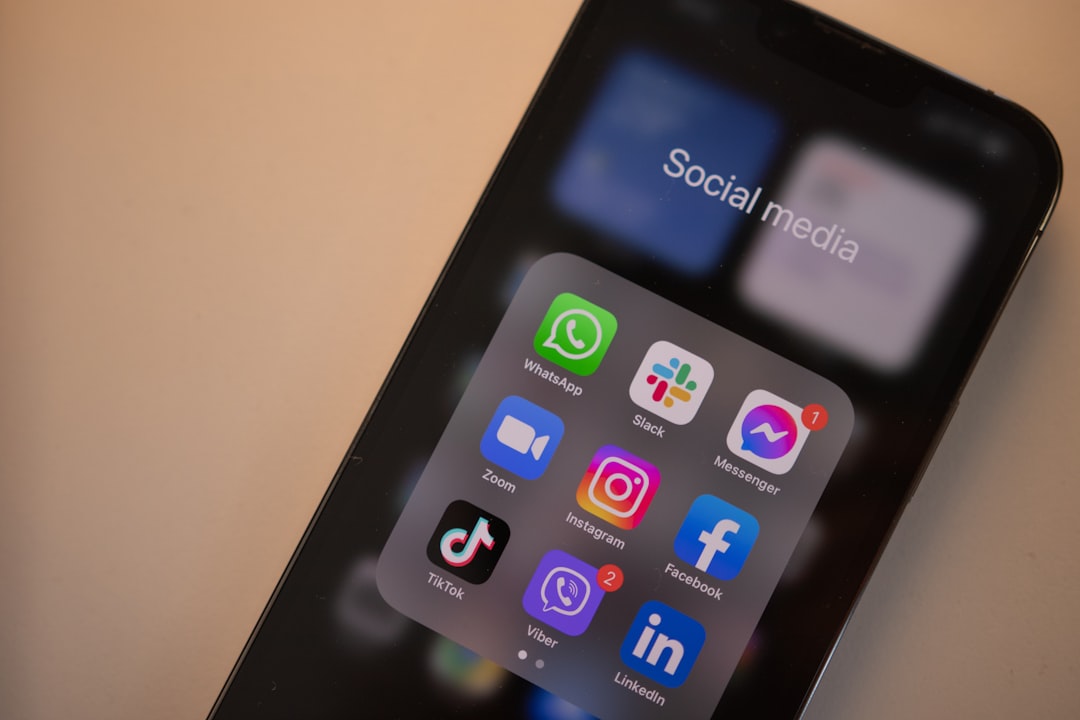
You’ve likely scrolled through your feed, bombarded by images of lavish lifestyles, unsolicited financial advice, and whispers of overnight riches. Social media, once a space for casual connections, has morphed into a complex ecosystem where wealth is both flaunted and dissected. You might be wondering, how does this digital landscape truly impact your financial reality, and what’s the genuine story behind the curated perfection? This analysis aims to peel back the layers, offering you a comparative look at the intricate relationship between social media and wealth, from the allure of quick riches to the harsh realities of financial missteps.
You’ve seen them: the influencers showcasing their latest luxury purchases, the slick graphics promising guaranteed returns, the testimonials of ordinary people who supposedly became millionaires overnight. Social media platforms have become a veritable buffet of financial content, and for many, especially younger generations, it’s the primary source of financial information. This accessibility is a double-edged sword, offering a democratizing effect on financial education while simultaneously opening the door to significant risks.
The Siren Song of “Finfluencers”
You might have stumbled upon a “finfluencer” – a social media personality dispensing financial advice. They can be incredibly charismatic, making complex financial concepts seem simple and approachable. For you, a young adult navigating your financial future, the idea of learning from someone who appears to be living the dream can be highly appealing. The taboo surrounding money talk has been broken down, and these individuals are often seen as relatable figures, far more accessible than traditional financial advisors.
The Generational Divide in Information Sourcing
Consider this: Gallup data highlights a stark generational shift. While only 27% of adults aged 18–29 consult financial advisors, a staggering 42% are turning to social media for financial information. This isn’t just a matter of preference; it’s a fundamental change in how information is consumed. You, as part of this demographic, are demonstrating a preference for digital, on-demand content. This preference, however, means you’re increasingly exposed to the unfiltered influx of information that characterizes these platforms.
The Elusive Nature of Credibility
The challenge you face is discerning credible advice from unqualified opinions. The rise of finfluencers has been met with increasing scrutiny from regulatory bodies like the UK’s Financial Conduct Authority (FCA). They are cracking down on individuals providing unregulated investment tips, recognizing the potential harm to consumers who may not have the expertise to differentiate sound advice from reckless speculation. This regulatory spotlight shines a light on the inherent risk you undertake when relying on these often unverified sources.
The Illusion of Accessible Wealth
Beyond direct financial advice, social media bombards you with aspirational content. Images of private jets, exotic vacations, designer wardrobes, and sprawling mansions are a constant backdrop to your scrolling. This curated display of wealth creates a powerful illusion of accessibility, suggesting that such a lifestyle is within reach if you just follow the right strategies or make the right investments.
The Double-Edged Sword of Visual Appeal
The visual nature of social media is its strongest asset and its most significant liability when it comes to wealth displays. You are constantly presented with the highlight reels of others’ lives. While this can be motivational for some, for many, it fosters a sense of inadequacy and can lead to unhealthy financial behaviors.
In today’s digital age, social media platforms have become a significant influence on how individuals perceive wealth and success. A related article that delves into this phenomenon is available at How Wealth Grows, which explores the impact of social media on wealth comparison and the psychological effects it has on users. This article provides insights into how curated online personas can shape our understanding of financial status and lead to unrealistic expectations.
The Shadow Side: Financial Losses and Deceptive Practices
While the allure of social media wealth is potent, the reality for many is far less glamorous. The very platforms that promise prosperity are also breeding grounds for financial disaster, with alarming statistics emerging about the consequences of blindly following online advice.
The High Cost of Trusting Unverified Sources
You might have felt confident after seeing a few compelling posts or videos about a particular investment. However, new research from TSB paints a concerning picture: 55% of people who followed financial advice found on social media ended up losing money. This is a significant indicator that the information you are consuming is often flawed, misleading, or outright fraudulent.
The Social Media Vector for Fraud
The figures become even more alarming when you consider the prevalence of fraud. Over two-thirds of push-payment investment fraud cases originate from social media platforms. This means that a substantial portion of online “investment opportunities” are designed to separate you from your hard-earned money. You are, unknowingly, navigating a landscape populated by individuals and groups actively seeking to exploit your trust.
The Psychological Toll of Digital Deprivation
Beyond direct financial losses, the constant exposure to curated opulence can have a profound psychological impact on you. Studies indicate that this relentless display of luxury – the private yachts, the Michelin-starred meals, the designer collaborations – creates a distorted view of what constitutes a normal or achievable lifestyle.
The Birth of “Lifestyle Inflation”
This distorted reality can lead to what is known as “lifestyle inflation.” When you constantly see others living a seemingly extravagant life, you may feel pressure to keep up, even if your financial reality doesn’t support it. This can manifest as increased spending on non-essential items, accumulating debt, and a general feeling of never having enough. Research suggests that as many as 43% of respondents feel worse about their own finances after being exposed to these curated displays, a statistic that underscores the negative impact on your mental well-being and financial decision-making.
The Cycle of Dissatisfaction and Overspending
The feeling of falling short can trigger a vicious cycle. You might spend more to achieve a perceived level of success, only to find yourself still dissatisfied, leading to further overspending. This is a subtle but powerful manipulation of your desires, driven by the algorithms that prioritize engagement through aspirational content, regardless of its detrimental effects on your financial health.
Global Responses: Governments Take Notice

The widespread impact of social media on financial behavior, particularly the negative consequences, hasn’t gone unnoticed by governments around the world. In response, a trend of regulatory crackdowns on the open display of wealth and unverified financial advice is emerging, reflecting a growing concern for consumer protection and societal well-being.
China’s Ban on “Wealth Flaunting”
China has been particularly proactive in curbing the ostentatious display of wealth online. Authorities have implemented bans on influencers who engage in “wealth-flaunting” personas and showcase luxury goods. This policy aims to promote a more equitable social image and discourage the excessive materialism that can be fostered by such content. Livestreamers are now subject to strict codes of conduct, moving away from the glorification of extreme wealth towards more practical or socially conscious content.
The Rationale Behind the Crackdown
The Chinese government’s move is rooted in a desire to temper social inequality and prevent the negative influence of conspicuous consumption on public values. By restricting the open flaunting of wealth, they aim to foster a sense of modesty and discourage the kind of aspirational spending that can lead to financial strain for the general population.
Pakistan’s Taxman Targets Online Extravagance
In a similar vein, Pakistan’s Federal Board of Revenue (FBR) is actively targeting individuals who non-maliciously or deliberately display their wealth on social media without corresponding tax declarations. Luxury vehicles, lavish lifestyles, and expensive possessions displayed online are being used as markers to identify potential tax evaders. Notifies are being issued to individuals whose online presence suggests a higher net worth than their declared income or tax records indicate, prompting them to verify their financial standing and tax compliance.
The Use of Social Media as a Deductive Tool
This approach highlights how social media, once merely a personal broadcasting tool, is now being actively used by tax authorities as a source of intelligence. You, as a user, might not consider the implications of posting a photo of your new car or your vacation destination, but for tax agencies, these very posts can serve as valuable indicators of undeclared income or assets.
The Shifting Sands of Privacy: Wealthy Individuals Go Offline

While some are drawn to social media for its perceived opportunities, a growing segment of the wealthy is taking a decidedly different approach. The very nature of social media – its public-facing, interconnected, and often intrusive environment – is prompting a retreat towards privacy and exclusivity for those with substantial fortunes.
The “Privatization of Wealth” Trend
You might notice a subtle shift in how the ultra-wealthy conduct themselves, both online and offline. There’s a discernible trend towards the “privatization of wealth,” where individuals are seeking environments that offer a higher degree of discretion and control over their financial lives. Social media, in its current form, is increasingly viewed as a threat to the traditional secrecy that has long been associated with high net worth individuals.
Seeking Refuge in Exclusive Circles
This trend is manifesting in a rise of private membership clubs, exclusive investment syndicates, and offshore financial arrangements. These are spaces where information exchange is limited to trusted networks, and public scrutiny is minimized. For the wealthy, social media’s tendency to broadcast and amplify anything and everything renders it an undesirable platform for managing or displaying their financial standing.
The Value of Secrecy in Maintaining Wealth
Historically, discretion has been a cornerstone of wealth preservation. The ability to conduct financial affairs without public knowledge has allowed for strategic investments, tax planning, and protection from unwanted attention or potential threats. Social media, with its inherent transparency and potential for information leaks, directly contradicts this core principle. You can infer that for those at the top, the perceived risks of public exposure through social media outweigh any potential benefits.
In today’s digital age, social media platforms often serve as a stage for individuals to showcase their lifestyles, leading to a pervasive culture of wealth comparison. This phenomenon can have significant psychological effects, as people may feel inadequate when they see curated images of luxury and success. For a deeper understanding of how wealth is portrayed and perceived in the online world, you can explore this insightful article on the topic. It delves into the implications of social media on our perceptions of wealth and success, highlighting the importance of maintaining a balanced perspective. To read more, visit this article.
Navigating the Digital Financial Landscape: Your Path Forward
| Platform | Number of Users (millions) | Revenue (billion USD) |
|---|---|---|
| 2850 | 86 | |
| 1300 | 20 | |
| 330 | 3.7 | |
| 740 | 8 |
You’re standing at a crossroads, bombarded by a cacophony of financial narratives on social media. It’s a world of dazzling promises and stark warnings, of democratized information and rampant misinformation. Understanding this complex interplay is crucial for your financial well-being.
Cultivating Critical Consumption
The most important tool you possess is your critical thinking. Don’t accept anything at face value. When you encounter financial advice online, ask yourself: Who is providing this information? What are their qualifications? What is their motivation? Is this advice regulated? You must develop a healthy skepticism, especially when the advice promises quick or guaranteed returns.
Verifying Information from Multiple Sources
Never rely on a single source, digital or otherwise, for your financial decisions. Cross-reference information you find on social media with reputable financial publications, government bodies, and qualified financial advisors. Look for consensus among credible sources rather than latching onto a sensational claim made by a single influencer.
The Enduring Value of Professional Guidance
While social media can be a supplementary source of financial education, it should not be a replacement for professional guidance, especially when it comes to significant financial decisions. The 42% of young adults turning to social media over advisors in Gallup’s data is a concerning statistic. Remember, financial advisors are regulated professionals who are ethically bound to act in your best interest. They offer personalized advice tailored to your specific circumstances, goals, and risk tolerance, something that generic social media content can rarely provide.
Bridging the Gap Between Digital and Traditional Advice
The ideal scenario for you is likely a blend of both worlds. Use social media to demystify financial concepts and stay informed about general trends. However, for personalized advice, investment strategies, and long-term financial planning, consult with qualified financial professionals. This approach allows you to leverage the accessibility of digital information while mitigating the risks associated with unregulated content.
Protecting Your Financial and Psychological Well-being
Recognizing the psychological impact of social media is as vital as understanding its financial implications. Be mindful of how the constant exposure to curated wealth affects your self-perception and your financial behaviors. Curate your own feed to include content that is aspirational in a healthy way, focusing on genuine progress and sustainable growth rather than unattainable luxury.
Setting Boundaries and Prioritizing Real-Life Goals
Establish clear boundaries with your social media consumption. If you find yourself falling into the trap of comparison and lifestyle inflation, take breaks from platforms that trigger these feelings. Prioritize your own financial goals and work towards them at your own pace, understanding that your financial journey is unique and not a competition against the highlight reels of others. Social media can be a tool, but how you wield it, and what you choose to consume, will ultimately determine its influence on your wealth, both real and perceived.

The Millionaire Next Door Doesn’t Look Rich Anymore
FAQs
What is the relationship between social media and wealth comparison?
Social media often leads to wealth comparison as people tend to showcase their luxurious lifestyles, leading others to compare their own financial status.
How does social media impact wealth comparison?
Social media can impact wealth comparison by creating feelings of inadequacy or envy, as individuals compare their own lives to the seemingly perfect lives portrayed on social media.
What are the potential negative effects of wealth comparison on social media?
Wealth comparison on social media can lead to decreased self-esteem, increased anxiety, and a focus on material possessions rather than personal fulfillment.
Are there any positive aspects of wealth comparison on social media?
While wealth comparison on social media often has negative effects, it can also serve as motivation for some individuals to work towards their financial goals and aspirations.
How can individuals mitigate the negative effects of wealth comparison on social media?
To mitigate the negative effects of wealth comparison on social media, individuals can limit their time on social platforms, practice gratitude, and focus on their own personal growth and achievements rather than comparing themselves to others.