
You’re an accomplished professional. You’ve climbed the ladder, you’ve executed your plans, and you’re bringing home a commendable salary. You’ve likely hit or even surpassed the six-figure mark, a benchmark many associate with financial security, perhaps even prosperity. Yet, despite this objective measure of success, you find yourself in a peculiar state: you feel… broke. This isn’t a hypothetical scenario; it’s a growing reality for a significant segment of our population, a phenomenon experts are labeling the “High Earner Illusion.”
You’re not alone in this feeling of financial disconnect. You might be what the surveys are calling a “HENRY” – a High Earner, Not Rich Yet. This designation is increasingly common, describing individuals pulling in upwards of $175,000 annually, who, despite owning homes and contributing to retirement accounts, feel like they’re just treading water, or worse, barely getting by. This isn’t about being irresponsible with your money; it’s a complex interplay of societal pressures, economic realities, and psychological perceptions that can leave you feeling perpetually in a state of something akin to “comfortable poverty.”
Perhaps you’ve heard the terms money dysmorphia or comfortable poverty being thrown around. These aren’t just jargon; they’re attempts to capture the essence of your experience. You have the income, the objective indicator of financial capability, but your actual disposable income, the cash you have readily available, feels perpetually stretched thin. This isn’t a failure of your earning potential; it’s a testament to how quickly higher incomes can be absorbed by the ever-increasing fixed costs of modern life.
It’s a startling statistic, but a recent Harris Poll revealed a stark truth: a staggering 64% of individuals earning six figures view their income not as a sign of arrival, but as the absolute minimum required to maintain their current lifestyle. This means that for the majority of you, that substantial paycheck isn’t translating into a feeling of surplus, of freedom, of true wealth. Instead, it’s often just enough to keep the wheels turning. And for many, even that isn’t enough, leading to reliance on credit cards and “buy now, pay later” schemes, or the necessity of pursuing side hustles, not for extra luxury, but to cover basic needs. This is the core of the High Earner Illusion: your income looks good on paper, but your reality feels precarious.
You’ve always operated with certain benchmarks in mind. Reaching a certain income level was supposed to be the point where financial worries began to recede, where you could truly start to live. But the definition of “rich” seems to be in constant flux, moving further away the closer you get.
The Erosion of the Six-Figure Dream
When your parents or even you yourself were younger, earning six figures was a clear marker of financial success. It signified a life of comfort, of security, of the ability to save and invest without constant strain. Now, however, that same income feels… different. It’s a larger number, yes, but the purchasing power it represents, and the lifestyle it can afford, haven’t kept pace with your perceived needs or the expectations of your peers. You might be earning more than ever before, but the aspirations tied to that income feel just as out of reach as they did when you were earning less.
The “HENRY” Awakening
The term “HENRY” – High Earner, Not Rich Yet – is a modern descriptor for your situation. It acknowledges your high earning capacity but highlights the gap between that potential and your actual net worth and perceived financial security. This isn’t about judgment; it’s an observation of a widespread financial reality. You are, by definition, a high earner, but the “rich yet” part remains elusive. This disconnect is what fuels the illusion. You have the income, but you lack the tangible signs of accumulated wealth that typically define being “rich.”
Redefining Affluence in the Modern Age
The definition of affluence has been significantly altered by economic shifts and societal expectations. What was once considered a sign of wealth – owning a home, for instance – is now often the largest single expense that consumes a substantial portion of your income. This redefinition means that traditional markers of success are no longer sufficient to confer a sense of financial well-being. You might possess the trappings of a successful life, but the underlying financial foundation feels less secure than you’d expect. Your income is technically high, but your definition of what that income should mean in terms of freedom and security is being challenged by your lived experience.
Many high earners often express feelings of financial strain despite their substantial incomes, a phenomenon explored in detail in the article “Why High Earners Feel Broke” on How Wealth Grows. This article delves into the psychological and societal factors that contribute to this paradox, highlighting issues such as lifestyle inflation, high living costs, and the pressure to maintain a certain status. For a deeper understanding of this topic, you can read the full article here: Why High Earners Feel Broke.
Lifestyle Inflation: The Silent Wealth Killer
This is perhaps the most insidious culprit in the High Earner Illusion. As your income has increased, so too has your spending. This isn’t necessarily a conscious decision to live extravagantly, but rather a gradual, almost imperceptible increase in your expenses that keeps pace with, or even outpaces, your earnings.
The Creeping Cost of Comfort
You’ve worked hard, and you deserve to enjoy the fruits of your labor. The upgrades feel natural: a slightly nicer car, a larger home in a better school district, more frequent dining out, perhaps a vacation or two. Each incremental increase in spending seems reasonable on its own. However, when aggregated over time, these seemingly small upgrades compound. That “little bit extra” you can afford each month quickly becomes a substantial chunk of your increased income. You’re not splurging wildly or irresponsibly; you’re simply adjusting your baseline of comfort as your income allows.
The Opportunity Cost of “Living Well”
The critical issue with lifestyle inflation is the opportunity cost. Every dollar spent on an upgraded lifestyle is a dollar that isn’t being invested, saved, or used to pay down debt. While enjoying life is important, if your spending rises in lockstep with your income, you miss the chance to build significant wealth. The extra earnings, instead of accumulating and generating future returns, are simply absorbed into your present-day consumption. This keeps you perpetually dependent on your active income, rather than building a passive income stream or a substantial nest egg that offers true financial freedom.
The Homeowner’s Dilemma: Mortgage and Maintenance
For many, owning a home is a cornerstone of financial success. However, for high earners, the mortgage payment, property taxes, insurance, and ongoing maintenance can represent a colossal monthly expenditure. The desire for a more spacious home, a better neighborhood, or a property with desirable amenities often drives up housing costs significantly. This, in turn, consumes a disproportionately large amount of your income, leaving less disposable cash for other financial goals, even with a high salary. You’re building equity, yes, but the immediate cash flow strain can be significant.
The Realities of Essential Expenses in a High-Cost World

It’s not just about discretionary spending; the cost of the absolute essentials has also skyrocketed, directly impacting your financial bandwidth. The items that were once manageable are now significant financial burdens.
The Staggering Cost of Raising a Family
If you have children, you’re likely acutely aware of the escalating costs associated with raising them. Childcare is a significant expense for many dual-income households, often rivaling mortgage payments. Beyond that, there’s education – from private preschools or tutoring to the daunting prospect of college tuition. Even seemingly mundane costs like clothing, activities, and food for growing children can add up at an astonishing rate. Your high income is often directly channeled into providing the best for your children, leaving less for your personal financial accumulation.
The Inflationary Squeeze on Daily Life
Beyond housing and children, the cost of everyday necessities has been relentlessly climbing. Groceries, gas, utilities, healthcare – these are not luxuries; they are fundamental requirements. When these costs surge, as they have in recent times due to inflation, the impact on your budget is profound. Your six-figure salary, while substantial, is now stretched thinner as it’s tasked with covering these increased costs. The purchasing power of your income effectively diminishes, making it harder to save and invest even when you’re earning more.
The “Comfortable Poverty” Trap
This is where the concept of “comfortable poverty” truly takes hold. You have the income to afford a certain lifestyle, to access quality goods and services, and to maintain a certain standard of living. However, the proportion of your income that is absorbed by these essentials means you have very little left over at the end of the month. You are “comfortable” in that you can meet your obligations and enjoy basic comforts, but you are “poor” in terms of discretionary income, savings, and the feeling of financial abundance. Your high earnings are essentially a salary to fund your current obligations, not to build future wealth.
Social Comparison and the Digital Mirage
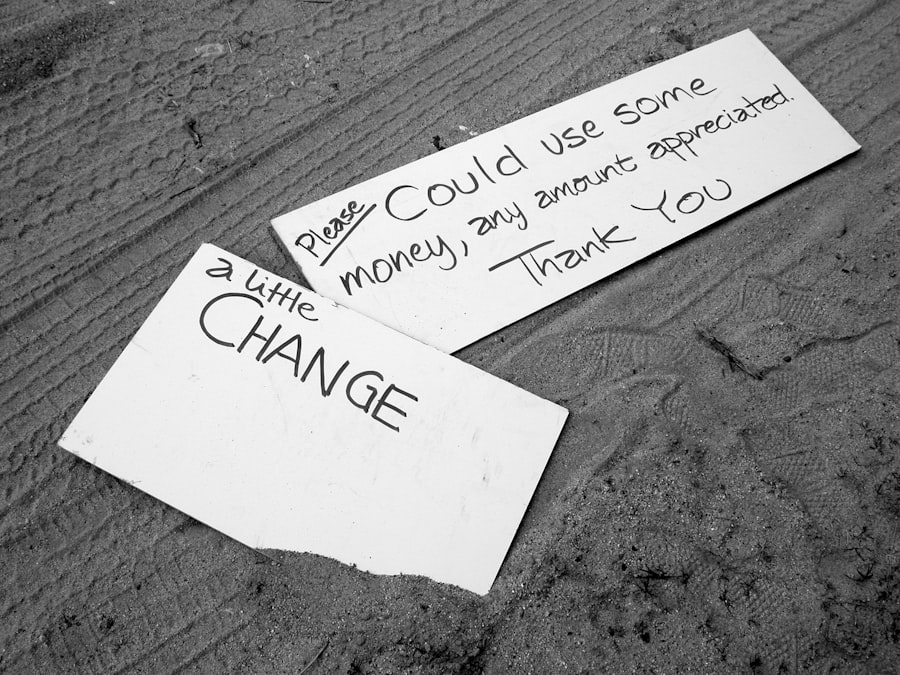
In today’s hyper-connected world, you’re constantly bombarded with images and narratives of success, wealth, and perceived happiness. This relentless social comparison, amplified by social media, fuels the High Earner Illusion.
The Curated Lives of Social Media
Social media platforms are often a showcase of the best, most aspirational moments of people’s lives. You see elaborate vacations, designer purchases, and seemingly effortless prosperity from others. Even if you know these portrayals are often curated, the sheer volume of such content can create a feeling of inadequacy. You might be living a good life, but when constantly exposed to what appears to be an even better life, your own achievements can feel diminished. This creates a subtle but powerful pressure to “keep up.”
The Stratification Within the Elite
Within your own social circles, and certainly on a broader societal level, there’s a vast spectrum of wealth. You might be earning six figures, but your peers could include individuals who are significantly wealthier – entrepreneurs who’ve sold companies, inherited fortunes, or hit it big in high-stakes industries. This stratification means that even within the “high earner” category, there are tiers. Being a high earner might place you in the upper echelon for many, but in the context of the ultra-wealthy, you can still feel like you’re on the lower rung, contributing to the illusion of not being “rich enough.”
The Pressure to Project Success
There’s an unspoken pressure to project an image of success, especially when you’re in a visible professional role. This can extend to your friends, colleagues, and even casual acquaintances. You might feel the need to maintain a certain appearance, to participate in certain social activities, or to own certain things, not because you necessarily want to, but because it aligns with the societal expectation of someone with your income. This drive to “look the part” can further strain your finances and contribute to the feeling of being broke, even when you’re not.
Many high earners often express feelings of financial strain despite their substantial incomes, a phenomenon explored in a related article that delves into the psychological and social factors at play. This article highlights how lifestyle inflation, increased expectations, and the pressure to maintain a certain status can lead to a sense of being broke among those who earn significantly more than the average person. For a deeper understanding of this issue, you can read more in this insightful piece here.
The Psychological Paradox: Accumulation Mode vs. Perceived Wealth
| Reasons | Metrics |
|---|---|
| High cost of living | Percentage of income spent on housing, transportation, and other essentials |
| Debt burden | Amount of outstanding debt compared to income |
| Lifestyle inflation | Percentage increase in spending as income rises |
| Financial obligations | Percentage of income allocated to taxes, insurance, and other fixed expenses |
| Lack of financial planning | Percentage of high earners without a budget or savings plan |
Beyond the tangible financial pressures, there’s a significant psychological component to the High Earner Illusion. Your mindset and focus can play a crucial role in how you perceive your own wealth.
The “Accumulation Mode” Mindset
Clinical psychologists are noting a common paradox among high earners: many are in “accumulation mode.” This means your primary financial focus is on building wealth, on saving, on growing your assets for the future. While this is a sound strategy, it can lead to a psychological disconnect. You’re so focused on the process of accumulating – on what’s going into your savings accounts and investment portfolios – that you tend to discount the cash you have readily available. Your emotional focus is on the future gains rather than the present financial flow.
The Fragility of Cash Flow Security
When your financial security is primarily tethered to your monthly cash flow, even a substantial income can feel precarious. You might have millions in retirement accounts, but if your checking account is consistently low, or you worry about covering next month’s bills, your sense of security erodes. This focus on liquidity over long-term net worth makes you feel less affluent than your overall financial picture suggests. You’re living paycheck to paycheck, even with a large paycheck.
The Disconnect Between Net Worth and Lived Experience
Your net worth – the total value of your assets minus your liabilities – might be quite healthy. However, your lived experience of wealth is often tied to your discretionary income and your perceived financial freedom. If you feel you can’t afford spontaneous purchases, if you’re constantly budgeting, or if you’re worried about unexpected expenses, that objective net worth doesn’t translate into a subjective feeling of affluence. The illusion is that your objective financial standing doesn’t align with your subjective emotional state regarding your finances, leaving you feeling financially insecure despite your high earnings. You’re building something substantial, but you’re not feeling it yet, and that delay can be deeply unsettling.

The Millionaire Next Door Doesn’t Look Rich Anymore
FAQs
1. Why do high earners often feel broke?
High earners often feel broke due to lifestyle inflation, where their spending increases as their income rises. This can lead to a cycle of overspending and feeling financially strained despite a high income.
2. What are some common reasons for high earners feeling broke?
Some common reasons for high earners feeling broke include high levels of debt, such as mortgages, student loans, and car payments, as well as high living expenses, such as housing costs, childcare, and healthcare.
3. How does comparison to others contribute to high earners feeling broke?
High earners may feel broke when they compare themselves to others who earn more or have a higher standard of living. This comparison can lead to feelings of inadequacy and the desire to keep up with the spending habits of their peers.
4. What are some strategies for high earners to avoid feeling broke?
High earners can avoid feeling broke by creating a budget, prioritizing saving and investing, avoiding lifestyle inflation, and seeking financial advice to manage their wealth effectively.
5. What are the potential consequences of high earners feeling broke?
The potential consequences of high earners feeling broke include increased stress, strained relationships, and the inability to achieve long-term financial goals such as retirement savings or financial independence.