
You’re busy. Between work, school runs, doctor’s appointments, and trying to carve out a few moments for yourself, the idea of financial planning can feel overwhelming. But as a parent, you’re already a master of preparedness, aren’t you? You pack snacks, have a first-aid kit readily accessible, and know the best route to avoid traffic jams. Building a strong emergency fund for your family is simply an extension of that innate readiness, applied to your financial well-being.
Life throws curveballs, and for families, these can land with significant financial impact. A sudden job loss, an unexpected medical emergency, or a critical home repair can derail your budget and send you spiraling into debt if you’re unprepared. An emergency fund isn’t about indulging in luxury; it’s about creating a safety net that shields your family from financial catastrophe and allows you to navigate turbulent times with a little less stress and a lot more confidence. It’s the financial equivalent of your child’s favorite stuffed animal – a source of comfort and security when things feel a bit scary. So, let’s break down how you can build this essential financial buffer, step by step, to protect your family’s future.
Before you even think about numbers, it’s crucial to internalize why this fund is so important. It’s more than just a savings account with a different name; it’s the bedrock of your family’s financial security. When you grasp the true purpose, the motivation to prioritize it will be much stronger.
Peace of Mind: The Priceless Return on Investment
Think about the last time a major unexpected expense hit your household. Did you lie awake at night, worrying about how you’d cover the bill? Did you have to dip into retirement savings or take on high-interest debt? An emergency fund eliminates that agonizing uncertainty. It provides a palpable sense of security, knowing that you have resources available to handle life’s inevitable surprises without jeopardizing your long-term financial goals or your family’s daily needs. This peace of mind is an invaluable asset that money can’t always buy, but building an emergency fund is a direct route to acquiring it.
Breaking the Debt Cycle: Avoiding the High Cost of Short-Term Solutions
When emergencies strike and you’re without savings, the temptation to rely on credit cards, personal loans, or payday lenders becomes very real. These short-term solutions come with incredibly high interest rates, trapping you in a cycle of debt that can be difficult and expensive to escape. Building an emergency fund is a proactive strategy to avoid this pitfall. It allows you to pay for unexpected expenses outright, preventing the accumulation of high-interest debt that will burden your family for years to come.
Protecting Your Long-Term Goals: Safeguarding Your Future
Your emergency fund isn’t just about weathering immediate storms; it’s also about protecting your progress towards bigger financial aspirations. Without an emergency fund, a single unexpected expense could force you to withdraw money from your retirement accounts, delay saving for your children’s education, or postpone paying down your mortgage. By having a dedicated emergency fund, you insulate these crucial long-term goals, ensuring that life’s inevitable hiccups don’t derail your family’s future financial well-being.
When it comes to building a solid emergency fund strategy for families, it’s essential to consider various approaches that cater to your unique financial situation. A related article that provides valuable insights on this topic can be found at How Wealth Grows. This resource offers practical tips and strategies to help families establish and maintain an effective emergency fund, ensuring financial security during unexpected situations.
How Much Do You Need? Defining Your Target Fund Size
The question of “how much” is often the most daunting, but it doesn’t have to be. While there’s no one-size-fits-all answer, we can establish a clear framework to help you determine the right target for your family. This isn’t about hitting an arbitrary number; it’s about creating a fund that’s realistically tailored to your unique circumstances.
The Rule of Thumb: Three to Six Months of Living Expenses
The most widely cited guideline for an emergency fund is to save three to six months of essential living expenses. This range provides a solid buffer for most common emergencies. Think about what your family absolutely needs to survive each month.
Calculating Your Essential Monthly Expenses
This is where you’ll need to get a bit granular. Grab a notebook or open a spreadsheet and start listing.
Housing Costs: Mortgage or Rent
Make a note of your monthly mortgage payment or rent. Don’t forget to include any associated costs like property taxes or homeowner’s association (HOA) fees if they are paid monthly.
Utilities: Electricity, Gas, Water, and Internet
Factor in your estimated monthly costs for electricity, gas, water, and your internet service. If these fluctuate significantly, take an average of the past few months or use the higher end of your typical usage.
Food and Groceries: Feeding Your Family
This is a significant one. Estimate how much you spend on groceries each month. Be realistic; don’t base it on a “frugal week” if that’s not your norm. Consider the needs of your family.
Transportation: Car Payments, Insurance, and Fuel
Include your monthly car payments, insurance premiums, and an estimate for fuel costs. If you rely on public transportation, factor in those monthly passes or fares.
Insurance Premiums: Beyond Car and Home
Think about other essential insurance policies you pay monthly, such as health insurance premiums (if not deducted from your paycheck), life insurance, or even pet insurance if that’s a crucial expense for your family.
Minimum Debt Payments: The Bare Minimum
List the minimum required payments for any debts you have, such as student loans, personal loans, or credit card minimums. You’re aiming to cover the minimum to avoid defaults, not to aggressively pay them down during an emergency.
Essential Healthcare Costs: Co-pays and Prescriptions
Consider any regular, predictable healthcare expenses like co-pays for doctor visits or prescription medications. This isn’t for major surgeries, but for ongoing, necessary treatments.
Expanding the Buffer: When More is Better
For some families, three to six months might not be enough. Consider increasing your target if you fall into any of these categories:
Irregular Income or Self-Employment
If your income fluctuates significantly from month to month, or if you’re self-employed with inconsistent earnings, a longer emergency fund is a wise investment. You have less of a predictable safety net, so your savings need to compensate. Aiming for 6-12 months of expenses provides a much-needed buffer against dry spells.
High Cost of Living Area
If you live in an area with a very high cost of living, your essential expenses will naturally be higher. Consequently, your emergency fund needs to be proportionally larger to cover prolonged periods of unemployment or unexpected major expenses.
Single-Income Household
When only one parent is earning an income, the financial impact of a job loss or extended illness is amplified. A larger emergency fund is crucial to provide a cushion while the sole earner is unable to work or while searching for new employment.
Health Concerns or Dependents with Special Needs
If you or a family member has ongoing health issues, or if you have dependents with special needs that require significant financial resources, a more robust emergency fund is essential. This allows you to cover unexpected medical bills or specialized care without derailing your family’s overall financial stability.
Job Security Concerns
If your industry or company is experiencing significant instability, or if your job feels precarious, it’s prudent to build a larger emergency fund. This provides peace of mind and a financial runway should you need to find a new position.
Where to Stash Your Savings: Choosing the Right Account
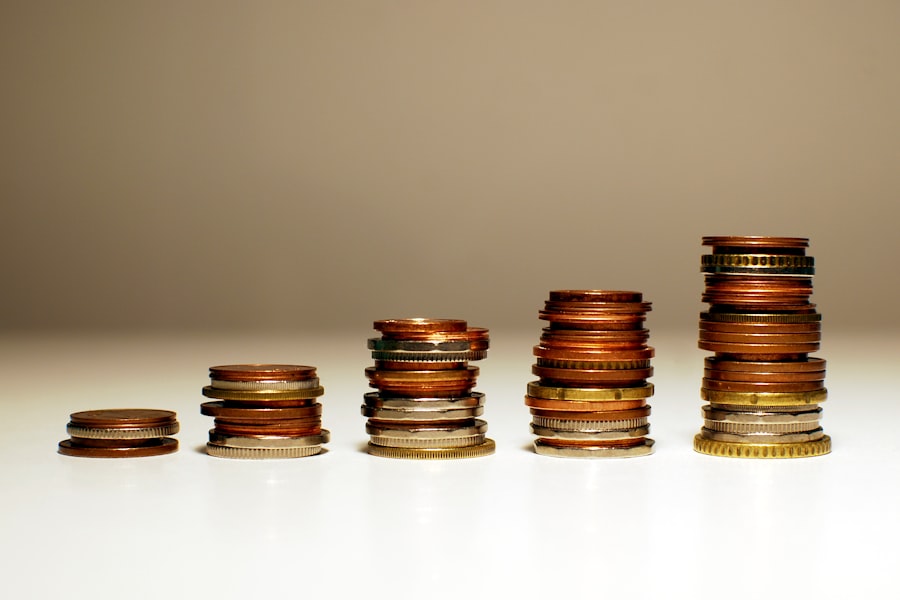
The purpose of your emergency fund dictates where you should keep it. Accessibility and safety are paramount, but a little bit of interest can also help your savings grow.
High-Yield Savings Accounts: The Sweet Spot of Accessibility and Growth
High-yield savings accounts (HYSAs) are often the ideal place for your emergency fund. They offer a higher interest rate than traditional savings accounts, allowing your money to grow slightly, while still providing easy access when you need it.
Key Features of HYSAs for Emergency Funds
When choosing an HYSA, look for these characteristics:
High Annual Percentage Yield (APY): Maximizing Your Returns
The primary benefit of an HYSA is its APY. The higher the APY, the more interest your money will earn. Shop around for the best rates available from reputable online banks.
FDIC Insurance: Protecting Your Principal
Ensure the bank is FDIC insured. This guarantees your deposits up to $250,000 per depositor, per insured bank, for each account ownership category. This means your money is safe even if the bank fails.
Low or No Minimum Balance Requirements: Freedom from Fees
Many HYSAs have no minimum balance requirements, meaning you won’t be penalized for keeping a smaller amount in the account, especially when you’re just starting out. Some may have minimums to earn the highest APY, so check the fine print.
Easy Online Access and Mobile Banking: Convenience at Your Fingertips
You want to be able to access your funds quickly and easily. Look for banks with user-friendly online portals and mobile apps that allow for seamless transfers and balance checks.
Limited Transaction Fees: Avoiding Unnecessary Charges
While most HYSAs have minimal to no fees, it’s worth confirming that there are no excessive transaction fees or monthly maintenance fees that could eat into your savings.
Money Market Accounts: Another Viable Option
Money market accounts (MMAs) are similar to HYSAs and can also be a good place for your emergency fund. They often offer competitive interest rates and may come with check-writing privileges or a debit card, adding a layer of convenience.
Considerations for Money Market Accounts
While MMAs are a good option, consider these points:
Variable Interest Rates: Staying Informed
Like HYSAs, MMAs typically have variable interest rates that can fluctuate with the market. Keep an eye on these rates.
Potential Minimum Balance Requirements: Planning Ahead
Some MMAs may have higher minimum balance requirements to earn the best rates or avoid fees. Ensure this aligns with your savings goals.
Transaction Limits: Understanding Limitations
MMAs may have limits on the number of transactions you can make per month, similar to traditional savings accounts. Understand these restrictions to avoid penalties.
What to Avoid: Where Your Emergency Fund Should NOT Live
Some places might seem convenient, but they can undermine the purpose of your emergency fund.
Checking Accounts: Too Accessible and Low Interest
While easy to access, checking accounts typically offer very low or no interest and are designed for everyday transactions, not for holding significant savings. Leaving your emergency fund here means it’s too easy to spend.
Investment Accounts (Stocks, Bonds, Mutual Funds): Too Volatile
These are for long-term growth, not for short-term needs. The stock market can be volatile, and you could lose money when you need it most. The risk of significant loss is too high for emergency funds.
Certificates of Deposit (CDs): Inflexibility When You Need Liquidity
CDs typically offer higher interest rates but lock your money away for a set term. If you need to access your emergency fund before the CD matures, you’ll likely face substantial penalties, defeating the purpose of an emergency fund.
Strategies for Building Your Fund: Making Progress a Reality
Now that you know why and where, let’s talk about how to get there. Building an emergency fund is a journey, and there are several effective strategies you can employ to make steady progress.
Automating Your Savings: The Power of “Set It and Forget It”
The most effective way to build your emergency fund is to make it automatic. Treat your savings contribution like any other bill.
Setting Up Automatic Transfers: Your “Pay Yourself First” System
Log into your banking portal and set up a recurring automatic transfer from your checking account to your high-yield savings account. Choose a date shortly after you receive your paycheck. This ensures that money is saved before you have a chance to spend it.
Bi-Weekly or Monthly Contributions: Finding Your Rhythm
Decide if you want to transfer money weekly, bi-weekly (which aligns with many pay cycles), or monthly. The frequency is less important than the consistency. Even small, regular contributions add up significantly over time.
Cutting Expenses and Redirecting Savings: Finding Extra Dollars
Every dollar you can save and redirect towards your emergency fund brings you closer to your goal.
Tracking Your Spending: Where Does Your Money Go?
For a month, meticulously track every single dollar your family spends. Use a budgeting app, a spreadsheet, or a good old-fashioned notebook. This exercise will likely reveal areas where you can cut back.
Identifying “Wants” vs. “Needs”: Making Tough Choices
Once you see your spending patterns, differentiate between essential needs (housing, food, utilities) and discretionary wants (dining out, entertainment, impulse purchases). Focus on reducing spending in the “wants” category.
Small Sacrifices, Big Impact: The Coffee Shop Example
It’s not about deprivation, but about making informed choices. Could you skip that daily fancy coffee and make your own at home? Could you pack lunches instead of buying them? Even small, consistent sacrifices can free up significant funds for your emergency savings.
Negotiating Bills and Subscriptions: Lowering Your Fixed Costs
Take the time to review your recurring bills. Can you negotiate lower rates with your internet provider, mobile carrier, or insurance companies? Are there subscriptions you no longer use that can be canceled? Even a few dollars shaved off each bill can be redirected to savings.
Increasing Your Income: Boosting Your Earning Potential
While cutting expenses is crucial, increasing your income can accelerate your progress towards your emergency fund goal.
Side Hustles: Leveraging Your Skills and Time
Explore opportunities for a side hustle. This could be anything from freelance writing or graphic design, to driving for a ride-sharing service, selling crafts online, or tutoring. Dedicate the income from your side hustle directly to your emergency fund.
Selling Unused Items: Decluttering and Earning
Go through your home and identify items you no longer need or use. Old electronics, furniture, clothing, or even children’s toys can be sold online or at a garage sale. The cash generated can be a significant boost to your savings.
Asking for a Raise or Seeking a Higher-Paying Job: Long-Term Earning Power
While this is a longer-term strategy, don’t underestimate the power of advocating for yourself professionally. If you feel you’re underpaid, do your research and prepare to discuss a raise with your employer. Alternatively, consider exploring job opportunities that offer a higher salary.
When it comes to building a solid financial foundation, having an effective emergency fund strategy is crucial for families. A well-planned emergency fund can provide peace of mind and security during unexpected situations. For more insights on this topic, you can check out a related article that offers valuable tips and strategies for families looking to enhance their financial resilience. This article discusses various approaches to saving and managing funds, making it a great resource for anyone interested in improving their financial stability. To read more, visit this informative article.
Maintaining Your Fund: Keeping Your Safety Net Strong
| Emergency Fund Strategy | Key Metrics |
|---|---|
| Amount to Save | 3-6 months of living expenses |
| Where to Keep | High-yield savings account or money market account |
| Regular Contributions | Set monthly savings goal |
| Emergency Fund Purpose | Financial security in case of job loss, medical emergency, or unexpected expenses |
Building your emergency fund is a significant achievement, but the work isn’t over. Maintaining it requires ongoing vigilance and a commitment to keeping it healthy and accessible.
Reviewing and Replenishing: Staying Prepared for the Unexpected
Life happens. If you have to dip into your emergency fund, don’t despair. The important thing is to have had it in the first place. Once the immediate crisis is over, make it a priority to replenish the amount you used.
Prioritizing Replenishment: Making it a Non-Negotiable
Treat replenishing your emergency fund with the same urgency as any other essential bill. Set up a plan to put money back into the account until it’s fully restored to your target level.
Adjusting Contributions as Needed: Reflecting Your Current Reality
Your life circumstances will change. Your income might increase, or your expenses might decrease. Periodically review your target fund size and your contribution amounts to ensure they still align with your family’s needs and your financial goals. If you’ve welcomed a new baby or bought a new car, your essential expenses likely increased, and your emergency fund target might need to be adjusted upwards.
Protecting Your Fund from “Lifestyle Creep”: Resisting the Urge to Spend More
As your income grows, there’s a natural tendency to increase your spending. This is known as “lifestyle creep.” Be mindful of this, and ensure that increased income is prioritized for building your emergency fund and other financial goals, rather than simply inflating your lifestyle.
Guarding Against Temptation: Staying Focused on Your Goal
When you get a bonus or a pay raise, resist the urge to immediately spend it on wants. Instead, direct a significant portion of that windfall directly into your emergency fund. This is how you truly build wealth and security.
Revisiting Your “Why”: Remembering Your Motivation
When you feel tempted to use your emergency fund for non-emergencies, take a moment to revisit the reasons you built it in the first place. Remind yourself of the peace of mind and security it provides. This can be a powerful deterrent against impulsive spending.
Regular Audits: Ensuring Your Fund is Healthy
Set a reminder on your calendar, perhaps once or twice a year, to conduct a thorough review of your emergency fund.
Checking Your Balance and APY: Staying Informed
Ensure your balance is on track and that you are still getting a competitive APY on your savings. If your current bank’s APY has dropped significantly, it might be time to explore other high-yield savings account options.
Reassessing Your Target Amount: Adapting to Life’s Changes
As your family grows, your income changes, or your living situation evolves, your ideal emergency fund size might need an update. A child starting college, a change in marital status, or a move to a higher-cost-of-living area are all reasons to re-evaluate your target.
Building a strong emergency fund for your family isn’t about deprivation; it’s about empowerment. It’s about giving your family the gift of financial resilience, the ability to weather storms with confidence, and the freedom to pursue your dreams without the constant overhang of financial anxiety. Start small, be consistent, and celebrate every milestone. Your future, well-prepared self will thank you.

You Can Be a Millionaire… and Still Financially Fragile
FAQs
What is an emergency fund and why is it important for families?
An emergency fund is a savings account specifically set aside to cover unexpected expenses or financial emergencies. It is important for families to have an emergency fund to provide a financial safety net in case of job loss, medical emergencies, or unexpected home or car repairs.
How much should a family have in their emergency fund?
Financial experts recommend that families have at least three to six months’ worth of living expenses saved in their emergency fund. This amount can vary depending on individual circumstances, such as the number of dependents and job stability.
What are some strategies for building an emergency fund for families?
Some strategies for building an emergency fund for families include setting a monthly savings goal, cutting unnecessary expenses, and allocating windfalls such as tax refunds or bonuses directly into the emergency fund. Automating contributions to the fund can also help ensure consistent savings.
Where should families keep their emergency fund?
Families should keep their emergency fund in a separate, easily accessible account such as a high-yield savings account or a money market account. It’s important that the funds are liquid and readily available in case of an emergency.
How can families avoid using their emergency fund for non-emergencies?
To avoid using their emergency fund for non-emergencies, families can create a separate budget for discretionary spending and non-essential expenses. It’s also important to distinguish between true emergencies and unexpected but non-urgent expenses, and to replenish the fund after it has been used.