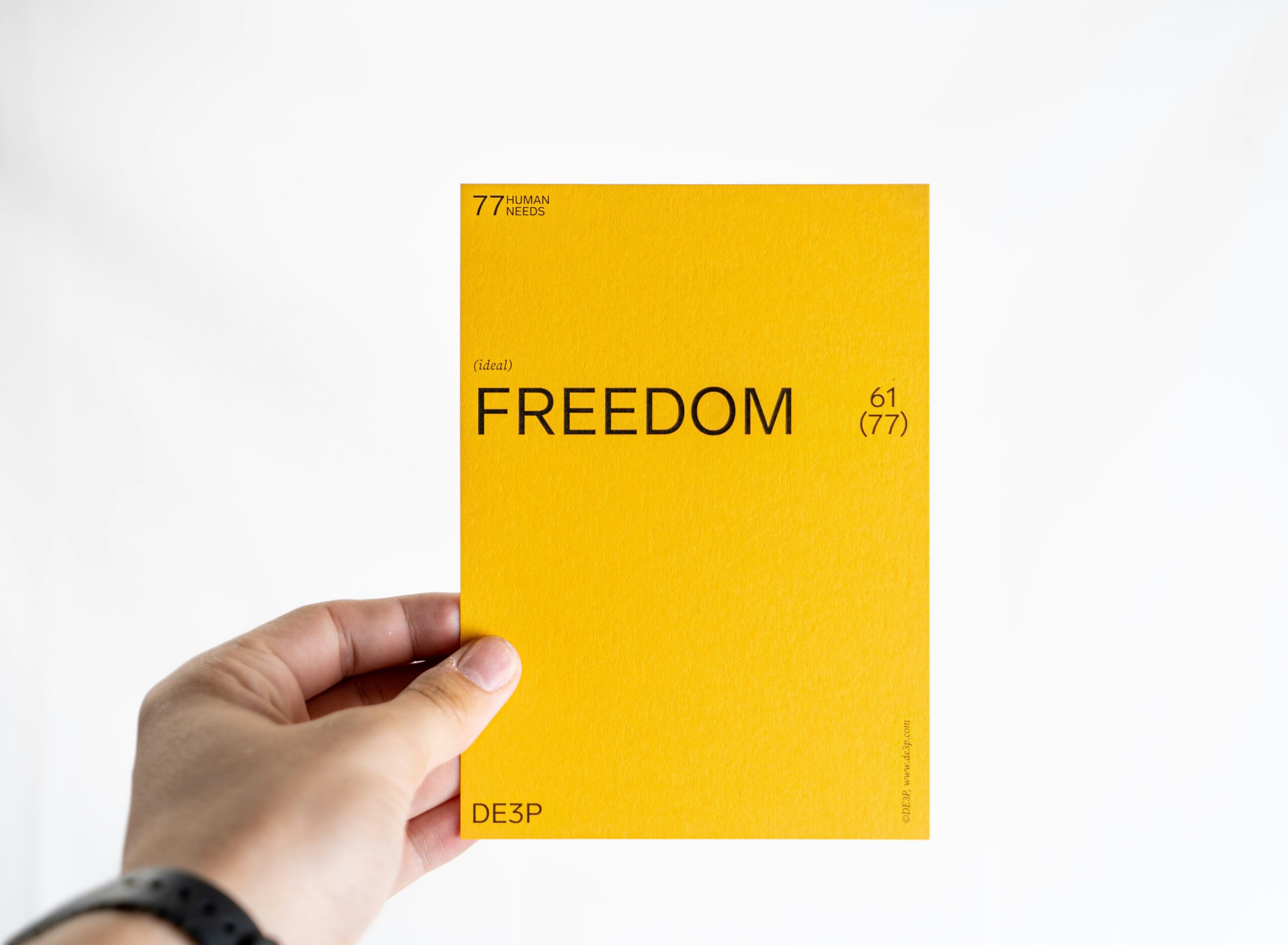
You stand at a precipice, a familiar sense of unease prickling your skin. For years, you’ve navigated a landscape defined by invisible fences, by the whispered expectations of others, by the comfortable cage of routine. But today, a different feeling stirs – a yearning for something more, for a life unburdened, for a freedom that resonates deep within your bones. You’re ready to break free from the perceived limitations and construct a reality where possibilities are not just imagined, but tangible. The journey to creating true freedom, to building a life without limits, begins not with external changes, but with a profound internal shift. It’s a decision you make, a conscious commitment to reclaiming your agency.
True freedom isn’t a lottery win or a bestowed gift; it’s an inherent attribute residing within you, waiting to be recognized and cultivated. For too long, you’ve likely operated under the assumption that external circumstances dictate your freedom. While external factors undeniably play a role, the most potent form of liberation stems from your internal landscape.
Understanding the Shackles of Perceived Limitations
You carry with you a tapestry of beliefs, some conscious, many unconscious, that act as invisible restraints. These are the often-subtle narratives you’ve absorbed about what’s possible for you, about your capabilities, and about the world’s inherent unfairness.
The Weight of Societal Conditioning
From childhood, you’ve been subtly (and sometimes overtly) molded by the expectations of society. You’ve been told what a “successful” life looks like, what a “good” person does, and what careers are acceptable. This conditioning, while often well-intentioned, can create a narrow definition of what human potential can encompass, leading you to believe that certain paths are inherently closed off. You might have internalized the idea that financial security trumps passion, or that stability is more valuable than exploration. These are agreements you’ve made, often without realizing it, that limit your horizon.
The Echoes of Past Experiences
Your personal history, too, casts a long shadow. Past failures, rejections, or traumas can solidify beliefs about your own inadequacy. If you once tried something and it didn’t work out, you might have concluded that you’re simply not good enough in that area, or that life itself is against you. These experiences, while real and impactful, don’t define your future potential. They are data points, not destiny. You can choose to learn from them without letting them dictate your current choices.
The Deception of the Comfort Zone
The comfort zone, while seemingly safe and familiar, is often the most insidious jailer of your freedom. It’s the place where you know what to expect, the place where effort feels minimized. But it’s also the place where growth stagnates, where new experiences are avoided, and where your capacity for anything beyond the predictable remains untapped. You might find yourself making decisions based on the fear of discomfort rather than the pull of aspiration. This fear is a powerful illusion, convincing you that the known, however unfulfilling, is preferable to the unknown, however promising.
Reclaiming Your Narrative and Agency
The first step in unearthing your innate capacity for freedom is to consciously examine the narratives you’ve accepted about yourself and your world. This is an act of courageous self-inquiry.
Deconstructing Limiting Beliefs
Take an inventory of your deeply held beliefs. When you catch yourself thinking, “I can’t do that,” or “That’s impossible for me,” pause. Ask yourself: Is this truly a fact, or is it a belief I’ve adopted? Where did this belief come from? What evidence do I have to support it? More importantly, what evidence do I have to disprove it? This is where the work of dismantling begins. You start to see that many of your “limitations” are constructs, not inherent truths.
Cultivating a Growth Mindset
Embrace the principles of a growth mindset. This perspective, popularized by Carol Dweck, posits that your abilities and intelligence are not fixed but can be developed through dedication and hard work. When you adopt a growth mindset, challenges are not seen as insurmountable obstacles, but as opportunities to learn and improve. Setbacks become learning experiences, and effort is viewed as the path to mastery. This shift in perspective fundamentally alters how you approach every aspect of your life, opening up new avenues of possibility.
Embracing Self-Compassion
As you begin to challenge deeply ingrained beliefs, you’ll encounter moments of doubt and frustration. It’s crucial to approach this process with self-compassion. You are not to blame for the limitations you’ve absorbed; you have been a product of your environment and experiences. Treat yourself with the same kindness and understanding you would offer a dear friend navigating a difficult journey. This gentle approach will foster resilience and encourage you to continue exploring your potential without harsh self-judgment.
In exploring the concept of building freedom rather than merely focusing on lifestyle, it is essential to understand the foundational principles that contribute to true financial independence. A related article that delves into this topic is available at How Wealth Grows, where you can discover strategies and insights on creating a sustainable path to freedom that prioritizes long-term wealth accumulation over short-term lifestyle choices.
Redefining Success Beyond Conventional Metrics
The pursuit of true freedom is inextricably linked to a redefinition of what success means to you. The world often presents a narrow, materialistic definition, but your liberation lies in forging your own path, aligned with your deepest values and aspirations.
The Myth of the One-Size-Fits-All Success
You’ve seen the shimmering images of success splashed across media and societal discourse: the corner office, the extravagant lifestyle, the constant accumulation of possessions. This standardized definition often leaves individuals feeling inadequate, even when they’ve achieved outwardly impressive milestones. Your unique journey requires a unique definition.
Financial Independence vs. Wealth Accumulation
While financial stability is important, confusing wealth accumulation with true success can be a trap. You might find yourself chasing money for the sake of it, becoming a slave to the very pursuit you believe will grant you freedom. True financial freedom is about having enough to live the life you desire without being driven by greed or fear. It’s about aligning your income with your values and ensuring your money serves your life, not the other way around.
The Social Currency of Prestige
Prestige and social validation can be alluring motivators. However, chasing accolades and the approval of others often leads you down a path that isn’t truly yours. Your freedom is found in aligning your actions with your internal compass, not with the external gaze of others. When you stop seeking external validation, you free yourself from the constant pressure to conform and perform.
Crafting Your Personal Definition of Flourishing
Your definition of success should be a vibrant, personalized blueprint that reflects your unique desires and aspirations. It’s about what makes you feel alive, fulfilled, and deeply satisfied.
Identifying Your Core Values
What principles are most important in your life? Is it creativity, connection, learning, service, adventure, or something else entirely? Understanding your core values is the bedrock upon which you can build a life of authentic success. When your actions and choices are aligned with your values, you experience a deep sense of integrity and purpose, which are hallmarks of true freedom.
Embracing Your Passions and Interests
What activities make you lose track of time? What subjects ignite your curiosity? Your passions are not frivolous distractions; they are often indicators of your innate talents and your life’s potential direction. Allowing yourself to explore and nurture these interests is a powerful act of self-liberation. This can manifest in various ways, from a side hustle that fuels your creativity to a volunteer role that aligns with your desire to contribute.
Defining Your Contribution and Legacy
Beyond personal fulfillment, true success often involves making a positive impact on the world around you. This doesn’t necessarily mean grand gestures; it can be as simple as being a supportive friend, a dedicated employee, or a conscious consumer. Consider what mark you want to leave, what difference you want to make, however small. This sense of contribution brings a profound sense of purpose and fulfillment, contributing to your overall sense of freedom.
Designing Your Life with Intention and Purpose

Building a life without limits is not an accident; it’s a deliberate act of creation. You have the power to design your days, your weeks, and your years, aligning them with your deepest aspirations.
The Power of Vision and Goal Setting
A life without limits is guided by a clear vision and supported by actionable goals. Without a destination, you risk drifting aimlessly.
Crafting Your Visionary Blueprint
Imagine your ideal life – not just a fantasy, but a tangible vision. What does your average day look like? Who are you surrounded by? What are you doing? What environment are you in? What feelings are you experiencing? This visionary blueprint serves as your north star, an inspiring image that fuels your journey. Write it down, draw it, create a vision board – engage your senses and make it real in your mind.
Setting SMARTer Goals
Once you have your vision, break it down into smaller, achievable goals. Go beyond the traditional SMART (Specific, Measurable, Achievable, Relevant, Time-bound) framework. Consider making them SMARTer:
Strategic: Does this goal align with your overall vision and values?
Motivating: Is this goal exciting and inspiring enough to keep you engaged?
Auditable: Can you regularly track your progress and make adjustments?
Realistic, yet Reaching: Is it challenging enough to push you, but not so impossible that it leads to discouragement?
Time-bound with Tickets: Set clear deadlines, but also define the intermediate “tickets” or milestones that will get you there. Celebrating these smaller victories is crucial for sustained motivation.
Strategic Action and Adaptability
Vision without action is a dream. Action without strategy can be chaotic. Building a life without limits requires a blend of focused effort and the flexibility to adapt.
The Importance of Consistent Action
Small, consistent actions compound over time. Don’t wait for the perfect moment; start where you are, with what you have. Each step, no matter how small, moves you closer to your vision. This could involve dedicating a few hours each week to a passion project, learning a new skill, or making healthier choices. The momentum generated by consistent action is a powerful force.
Navigating Obstacles with Resilience
Challenges are inevitable. The difference between a life of limits and a life without them lies in how you respond to these obstacles. View them not as roadblocks, but as opportunities to learn, grow, and refine your approach. Develop strategies for problem-solving, seek support when needed, and maintain a positive, solution-oriented mindset. Resilience is not about avoiding hardship, but about bouncing back stronger.
Embracing the Iterative Process
Creating a life without limits is not a linear path. It’s an iterative process of experimentation, learning, and adjustment. Be willing to try new things, to make mistakes, and to pivot when necessary. Your initial plans may evolve as you gain new insights and experiences. This flexibility is key to staying on course while remaining open to the unexpected gifts that emerge.
Cultivating a Mindset of Abundance and Possibility

The mental landscape from which you operate has a profound impact on the reality you create. Shifting from a scarcity mindset to one of abundance is fundamental to building a life without limits.
The Illusion of Scarcity
The scarcity mindset is characterized by a belief that there are limited resources, opportunities, and good things in the world. This leads to fear, competition, and a constant feeling of not having enough.
Comparing Yourself to Others
When you operate from scarcity, it’s easy to fall into the trap of comparing your journey to others. You see what they have, what they’ve achieved, and you feel a pang of envy or inadequacy. This comparison steals your joy and distracts you from your own path. Remember, everyone is on their own unique journey, facing their own unique battles.
Focusing on What You Lack
Your attention is a powerful magnet. If you consistently focus on what you don’t have – the money, the connections, the skills – you will perpetuate that feeling of lack. This creates a self-fulfilling prophecy, attracting more of what you perceive as missing.
Embracing the Abundance Mindset
An abundance mindset, conversely, recognizes that the universe is rich with possibility and that there are more than enough good things to go around.
Practicing Gratitude Diligently
Gratitude is the antidote to scarcity. Make a conscious effort to acknowledge and appreciate the good things in your life, no matter how small. This shifts your focus from what’s missing to what’s present. Start a gratitude journal, express appreciation to others, or simply take moments throughout your day to acknowledge what you’re thankful for.
Seeing Opportunities Everywhere
When you operate from abundance, you begin to see opportunities where others see obstacles. You become more open to new ideas, to collaborations, and to unexpected avenues of growth. The world appears as a playground of potential, rather than a battlefield of limited resources.
Believing in Infinite Possibilities
The most potent aspect of an abundance mindset is the unwavering belief in infinite possibilities. This isn’t naïve optimism; it’s a deep-seated conviction that with the right approach, intention, and effort, almost anything is achievable. This belief fuels your courage to take risks, to dream big, and to push beyond perceived boundaries.
In exploring the concept of building true freedom rather than merely focusing on lifestyle choices, one can find valuable insights in a related article that delves into the principles of financial independence and personal growth. This piece emphasizes the importance of creating a sustainable foundation for freedom, allowing individuals to pursue their passions without the constraints of financial stress. For more information, you can read the full article here. By understanding these principles, you can begin to shift your mindset from a lifestyle-oriented approach to one that prioritizes lasting freedom.
Living a Life of Authentic Freedom: The Ongoing Journey
| Aspect | Metrics |
|---|---|
| Financial Independence | Percentage of income saved |
| Time Management | Hours spent on personal development |
| Health | Number of days exercised per week |
| Relationships | Quality time spent with loved ones |
| Mental Well-being | Number of mindfulness practices per week |
Creating true freedom is not a destination; it’s a continuous process of becoming. It’s an ongoing commitment to living in alignment with your authentic self, unburdened by the limitations you once accepted.
Embracing Continuous Learning and Growth
The world is constantly evolving, and so too should you. To maintain a life without limits, you must be committed to lifelong learning and personal growth.
Staying Curious and Open
Cultivate an insatiable curiosity about the world and about yourself. Ask questions, seek new knowledge, and be open to different perspectives. This keeps your mind agile and your spirit alive, preventing stagnation.
Embracing New Experiences
Step outside your comfort zone regularly. Try new hobbies, visit new places, meet new people. These experiences broaden your horizons, challenge your assumptions, and reveal hidden strengths. The more you expose yourself to the new, the more you realize your capacity to adapt and thrive.
Nurturing Your Well-being: The Foundation of Freedom
Your physical, mental, and emotional well-being are the bedrock upon which your freedom is built. Neglecting these areas will inevitably lead to limitations.
Prioritizing Self-Care Holistically
Self-care is not selfish; it’s essential. This involves nourishing your body with healthy food, getting adequate sleep, engaging in regular physical activity, and practicing mindfulness or meditation. It also extends to setting boundaries, saying no when necessary, and protecting your energy.
Building a Supportive Community
True freedom is rarely achieved in isolation. Cultivate meaningful connections with people who uplift, inspire, and support you. Surround yourself with individuals who celebrate your successes and offer encouragement during challenging times. Mutual support is a powerful driver of personal liberation.
Living in the Present Moment
The past is a memory, the future a possibility, but the present is your reality. To truly experience freedom, you must learn to live fully in the now.
Mindfulness and Presence
Practice mindfulness to anchor yourself in the present moment. This means paying attention to your thoughts, feelings, and surroundings without judgment. When you are fully present, you are not distracted by past regrets or future anxieties, allowing you to fully engage with and appreciate your life as it unfolds.
Appreciating the Journey
The pursuit of freedom is a journey, not a race to the finish line. Savor the experiences, learn from the challenges, and celebrate the milestones along the way. By embracing the process, you discover that true freedom is not a distant goal, but a way of living, right here, right now. You are the architect of your life, and the blueprints for true freedom are already within your grasp. Step boldly, with intention, and begin building a reality without limits.

You’re Not Wealthy. You’re Just Hard to Fire.
FAQs
What is the difference between building freedom and lifestyle?
Building freedom focuses on creating a life that allows for autonomy, self-expression, and the ability to make choices without external constraints. Lifestyle, on the other hand, often refers to a set of behaviors, habits, and preferences that reflect an individual’s way of living.
How can one build freedom in their life?
Building freedom involves making intentional choices that prioritize personal values, setting boundaries, and creating a life that aligns with one’s goals and aspirations. This may include financial independence, pursuing passions, and cultivating meaningful relationships.
What are some practical steps to build freedom instead of lifestyle?
Practical steps to build freedom may include creating a budget and saving for financial security, pursuing education and skill development, setting boundaries in personal and professional relationships, and prioritizing mental and physical well-being.
What are the benefits of building freedom in one’s life?
Building freedom can lead to increased happiness, fulfillment, and a sense of purpose. It can also reduce stress, increase resilience, and provide a greater sense of control over one’s life and choices.
How can building freedom impact society as a whole?
When individuals prioritize building freedom, it can lead to a more empowered and engaged society. This can result in greater innovation, creativity, and a more equitable distribution of resources and opportunities.