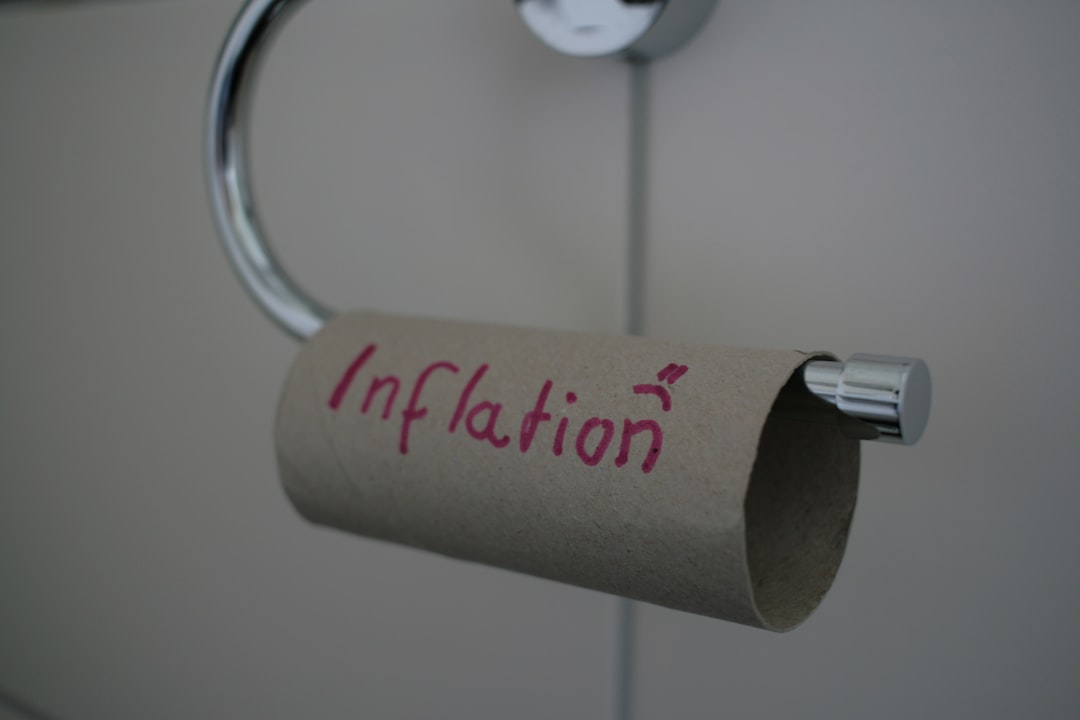
You’ve probably heard the term “lifestyle inflation” tossed around, and perhaps you’ve experienced it firsthand without even realizing it. It’s that insidious creep of your spending habits that often accompanies a rise in your income. You get a raise, a promotion, or some other financial windfall, and suddenly, your expenses start to climb to match or even exceed your new earnings. It’s a common pitfall, a siren song luring you into a cycle of spending that can leave you feeling no wealthier, despite earning more. This article will be your guide to understanding lifestyle inflation, why it happens, and – most importantly – how you can manage your expenses to ensure your financial well-being isn’t eroded by your successes.
Lifestyle inflation, often called “lifestyle creep,” is the phenomenon where your spending increases as your income rises. It’s not about malicious intent or deliberate overspending. Instead, it’s a gradual, often unconscious, adaptation to your new financial reality. Think of it as your baseline of “normal” shifting upwards. What once felt like a treat or a luxury becomes your everyday expectation.
The Illusion of Being Richer
One of the most significant aspects of lifestyle inflation is the illusion it creates. You earn more money, so logically, you should have more disposable income and be in a better financial position. However, if your expenses have risen in lockstep, you might find yourself with the same amount of savings – or even less – than before your income increased. This can be incredibly frustrating and confusing. You’re working harder, achieving more, yet feeling no closer to your long-term financial goals.
Common Culprits Fueling the Creep
Several factors contribute to lifestyle inflation. Recognizing these culprits is the first step in combating them.
The “You Deserve It” Mentality
This is a powerful driver. After a period of hard work or overcoming challenges, it’s natural to feel you deserve a reward. This mentality, while valid in moderation, can quickly spiral. You deserve that new car because you worked so hard. You deserve that vacation because you’ve been stressed. You deserve that upgrade because you’re doing so well. The problem arises when “deserve it” becomes the justification for every incremental increase in spending.
Social Comparison and Keeping Up Appearances
Humans are social creatures, and we often measure our success and worth against those around us. If your coworkers or friends start buying newer cars, bigger houses, or taking more lavish vacations, you might feel pressure to do the same to maintain a certain social standing or avoid feeling left behind. This “keeping up with the Joneses” mentality can be a significant contributor to lifestyle inflation, pushing you to spend money you don’t necessarily need or want, simply to align with perceived social norms.
The Ever-Present Temptation of Consumerism
We live in a world saturated with advertising and easy access to credit. From targeted online ads to glossy magazine spreads, we are constantly bombarded with messages telling us what we need to be happy, successful, or content. This constant exposure to desirable goods and services makes it incredibly easy to justify purchases that push your spending upwards.
Convenience and Automation
As you earn more, you might also prioritize convenience. This could mean paying a premium for pre-prepared meals instead of cooking, opting for faster, more expensive delivery services, or automating bill payments that obscure the actual amount you’re spending. While convenience has its place, it can also act as a silent enabler of higher expenses by reducing your active awareness of where your money is going.
Lifestyle inflation, the tendency to increase spending as income rises, can significantly impact long-term financial health. For a deeper understanding of this phenomenon and strategies to manage it, you can explore a related article that delves into the intricacies of lifestyle inflation and offers practical tips for maintaining a balanced budget. To read more, visit this article.
Identifying the Signals: Recognizing Lifestyle Inflation in Your Own Life
The first step to managing lifestyle inflation is acknowledging its presence. It’s easy to dismiss it as simply “enjoying the fruits of your labor,” but there are telltale signs that indicate you might be falling victim to its allure. Don’t ignore these signals; use them as a prompt to re-evaluate your financial habits.
The Shrinking Savings Rate
Perhaps the most significant indicator of lifestyle inflation is a declining savings rate. If you earn more but your savings account isn’t growing proportionally, or even if it’s shrinking, it’s a clear sign that your expenses are outpacing your income growth. Track your income versus your savings over a period of months or even years. If the percentage of your income you’re saving is decreasing, that’s a red flag.
The “No Extra Money” Paradox
A common complaint, even among those with substantial incomes, is “I just don’t have any extra money.” If you find yourself saying this despite earning more than you did a year or two ago, it’s highly probable that lifestyle inflation has silently eaten away at your increased earnings. You might be struggling to cover unexpected expenses or feeling stressed about your financial situation, which is incongruent with your income level.
The Gradual Escalation of “Necessities”
What once seemed like luxuries are now considered necessities. That annual vacation might have shifted to two. That basic cable package has been upgraded to premium streaming services and movie channels. You might have moved from a modest car to a more expensive model simply because you “can afford it” now. These small, incremental upgrades, when added together, represent a significant increase in your baseline spending.
Less Financial Flexibility Than Expected
With a higher income, you’d expect to have more financial flexibility to handle unexpected events, invest more, or even take career risks. If you consistently feel stretched, unable to comfortably cover an emergency expense, or if your long-term investment goals feel perpetually out of reach, lifestyle inflation is likely the culprit.
The Feeling of Being Stuck Despite Progress
The ultimate sign is often an intangible one: a feeling of being stuck. You see your peers progressing, buying homes, and building wealth, and you wonder why you’re not experiencing the same acceleration despite your increased income. This feeling of stagnation, despite outward success, is a strong indicator that your spending habits are undermining your financial progress.
The Reins of Control: Strategies for Managing Your Expenses

Once you’ve identified lifestyle inflation within your own financial life, it’s time to take the reins and implement strategies to manage your expenses effectively. This isn’t about deprivation; it’s about conscious spending and prioritizing your long-term financial goals.
The Power of a Budget: Your Financial Compass
The most fundamental tool for managing expenses is a budget. It’s not a restrictive cage, but rather a roadmap that guides your money towards your goals.
Crafting a Realistic Budget
Start by tracking your income and all your expenses for at least a month, ideally two or three. Categorize your spending (housing, food, transportation, entertainment, savings, debt payments, etc.). Be honest and thorough. Once you have a clear picture of where your money is going, create a budget that allocates specific amounts to each category.
The Envelope System (Digital or Physical)
For those who struggle with overspending in certain categories, the envelope system can be highly effective. Allocate a fixed amount of cash (or a digital equivalent) to each spending category. Once the money in an envelope is gone, you stop spending in that category until the next budget period.
Regular Budget Reviews and Adjustments
A budget isn’t a set-it-and-forget-it tool. Life changes, expenses fluctuate, and your goals may evolve. Commit to reviewing your budget regularly – weekly or bi-weekly – to ensure you’re staying on track. Make adjustments as needed to reflect your current reality.
Mindful Spending: The Art of Conscious Consumption
Managing lifestyle inflation is as much about your mindset as it is about numbers. Cultivating mindful spending habits can significantly curb unnecessary expenses.
The 24-Hour Rule (or Longer)
Before making any non-essential purchase over a certain amount (decide what that amount is for you – maybe $50, $100, or more), implement a waiting period. The 24-hour rule, or even a week-long pause, allows you to step away from the immediate urge to buy and consider whether you truly need or want the item. You’ll often find that the desire fades.
Distinguishing Wants from Needs
This is a classic but crucial distinction. Needs are essential for survival and well-being (food, shelter, basic clothing, healthcare). Wants are things that enhance your life but aren’t strictly necessary. When you’re tempted to spend, ask yourself: Is this a want or a need? If it’s a want, evaluate its true value and whether it aligns with your financial priorities.
Embracing “Good Enough”
You don’t always need the top-of-the-line, most expensive option. For many purchases, a perfectly functional and satisfactory “good enough” option exists. This could apply to electronics, appliances, clothing, or even cars. Opting for quality but not necessarily the most luxurious often leads to significant savings.
Prioritizing Your Financial Goals: The Driving Force
Your financial goals are your best defense against lifestyle inflation. When you have clear, compelling targets, it’s easier to resist the urge to spend unnecessarily.
Automate Your Savings and Investments
Treat savings and investments like any other essential bill. Set up automatic transfers from your checking account to your savings and investment accounts on payday. This ensures that money is set aside before you have a chance to spend it.
Define and Track Your Goals
Whether it’s buying a house, retiring early, or funding your children’s education, clearly define your financial goals and assign them a timeline and a target amount. Regularly track your progress towards these goals. Seeing that progress can be a powerful motivator to stay disciplined with your spending.
Consider “Paying Yourself First”
This is the essence of automating savings. By allocating a portion of your income directly to your savings and investment goals before spending on anything else, you are literally paying yourself first. This makes your financial future a priority.
The Long-Term View: Building Wealth and Financial Security

Managing lifestyle inflation isn’t just about the present; it’s about building a secure and prosperous future for yourself. By controlling your expenses, you create the opportunity to accumulate wealth and achieve financial freedom.
The Compounding Power of Savings and Investments
The magic of compound interest and investment growth is amplified when you have more money to invest. By resisting lifestyle inflation, you free up more capital to put to work in the market. Over time, these smaller, consistent investments can grow into substantial wealth.
Achieving Financial Independence Sooner
Financial independence – the point where your investments generate enough income to cover your living expenses – is a realistic goal when you manage your spending effectively. Lifestyle inflation can delay or even derail this aspiration. By keeping your expenses in check, you accelerate your journey to financial freedom.
Creating a Safety Net for Life’s Curveballs
Life is unpredictable. Job loss, medical emergencies, or unexpected home repairs can happen. By consistently saving and managing your expenses, you build a robust emergency fund that can cushion these blows and prevent you from falling into debt or derailing your long-term plans.
The Freedom to Make Choices
Ultimately, managing your expenses is about gaining freedom. Freedom from debt, freedom from financial worry, and the freedom to make choices that align with your values, not just your budget. This could mean pursuing a passion project, taking a career break, or simply having the peace of mind that comes with financial security.
Lifestyle inflation can significantly impact your financial health, often leading to a cycle of increased spending that outpaces income growth. For those looking to understand this phenomenon better, a related article provides valuable insights into how to manage your finances effectively while avoiding the pitfalls of lifestyle inflation. You can explore more about this topic in the article found at How Wealth Grows, which offers practical tips on maintaining a balanced lifestyle without compromising your financial goals.
Breaking the Cycle: Sustaining Good Habits and Avoiding Future Inflation
| Aspect | Definition |
|---|---|
| Lifestyle Inflation | The tendency for people to increase their spending as their income rises, leading to a higher standard of living. |
| Causes | Increased income, peer pressure, desire for status symbols, lack of financial education. |
| Effects | Reduced savings, increased debt, financial stress, inability to maintain lifestyle during income decrease. |
| Prevention | Setting financial goals, budgeting, avoiding unnecessary expenses, investing for the future. |
Understanding lifestyle inflation is one thing; consistently managing it is another. Breaking the cycle requires ongoing vigilance and a commitment to your financial well-being.
Regularly Reassessing Your Financial Picture
Just as you reviewed your budget initially, make it a habit to periodically reassess your entire financial picture, especially after significant life events like marriage, children, or a job change. Are your expenses still aligned with your income and goals?
Education is Key: Continuous Learning About Personal Finance
The world of personal finance is constantly evolving. Stay informed about investing strategies, tax changes, and new ways to save. The more you know, the more empowered you’ll be to make smart financial decisions. Consider reading books, following reputable financial blogs, or even taking a personal finance course.
Finding Your “Why”: The Deeper Motivation
Beyond the practical reasons of saving and investing, connect with your deeper “why” for managing your money. What does financial security truly mean to you? Is it the ability to travel the world, support your family, or leave a legacy? Keeping this deeper motivation in focus will help you stay disciplined when temptation arises.
Seeking Support and Accountability
Don’t be afraid to talk about your financial goals with trusted friends, family members, or a financial advisor. Having someone to hold you accountable can be incredibly beneficial. Sharing your struggles and successes can also provide valuable perspective and encouragement.
Lifestyle inflation is a common challenge, but it’s not an insurmountable one. By understanding its workings, recognizing its signs, and implementing effective strategies for managing your expenses, you can navigate this pitfall and ensure that your increased income leads to genuine financial progress and lasting security. It’s a journey of conscious choices, and the rewards of financial well-being are well worth the effort.

You’re Not Wealthy. You’re Just Hard to Fire.
FAQs
What is lifestyle inflation?
Lifestyle inflation, also known as lifestyle creep, refers to the tendency for people to increase their spending as their income rises. This often leads to an increase in the standard of living, with individuals upgrading their homes, cars, and other possessions as they earn more money.
What causes lifestyle inflation?
Lifestyle inflation can be caused by a variety of factors, including salary increases, bonuses, inheritances, or other financial windfalls. Additionally, societal pressure and the desire to keep up with peers or portray a certain image can also contribute to lifestyle inflation.
What are the consequences of lifestyle inflation?
The consequences of lifestyle inflation can include increased debt, decreased savings, and a reduced ability to achieve long-term financial goals such as retirement or financial independence. It can also lead to a cycle of constantly needing more money to maintain an inflated lifestyle.
How can one avoid lifestyle inflation?
To avoid lifestyle inflation, individuals can create a budget, prioritize saving and investing, and resist the urge to immediately spend any increase in income. It’s also important to regularly reassess financial goals and priorities to ensure that spending aligns with long-term objectives.
What are some strategies for managing lifestyle inflation?
Some strategies for managing lifestyle inflation include automating savings and investments, setting specific financial goals, and periodically evaluating expenses to identify areas where spending can be reduced. Additionally, seeking out financial education and advice can help individuals make informed decisions about their money.