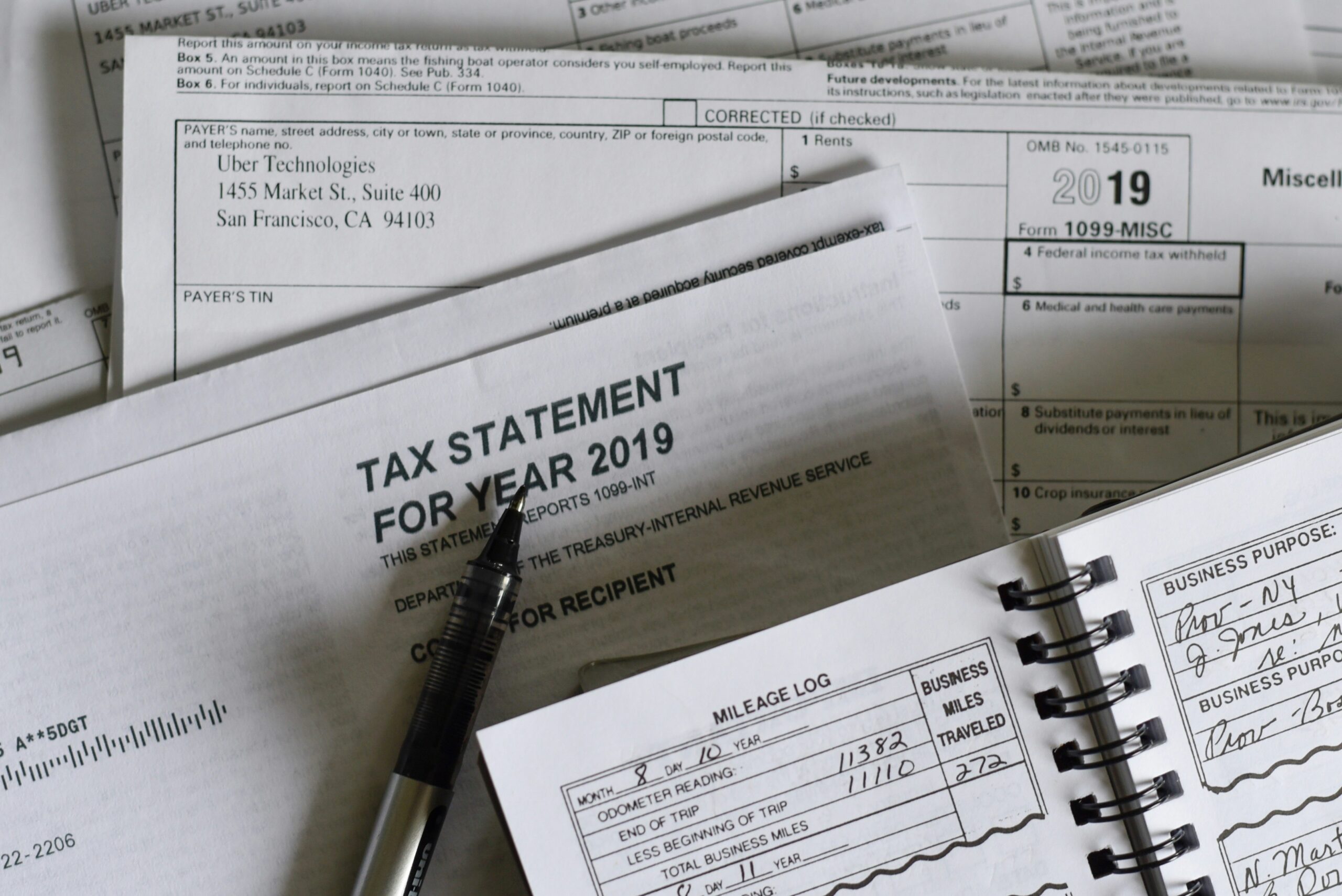
You dream of financial freedom. The ability to make choices without the constant pressure of accumulating wealth, to pursue passions, travel, and perhaps even retire early. You imagine a life where your money works for you, not the other way around. But as you navigate your financial journey, you’ll inevitably encounter a significant barrier to this ideal: taxes. These mandatory contributions to your government, while funding public services, also act as a pervasive force, shaping your decisions and diminishing your disposable income, thereby limiting your financial freedom.
Your income, the very fuel for your financial growth and freedom, is immediately subject to taxation. Whether it’s the salary from your job or the profits from your business, a portion of it is siphoned off before it even hits your bank account. This direct reduction is the most fundamental way taxes limit your financial freedom.
Income Tax: The Most Obvious Culprit
When you earn money, you’re not truly earning the full amount. The progressive income tax system, common in many countries, means that as your income increases, so does the percentage you pay in taxes. This has profound implications for your ability to save and invest.
The Bracket System and Your Marginal Rate
Understanding tax brackets is crucial. Each bracket represents a range of income taxed at a specific rate. As your income rises into a higher bracket, only the portion of your income within that bracket is taxed at the higher rate. However, this higher marginal tax rate means that every additional dollar you earn is taxed at a significant percentage, directly impacting how much extra you actually take home. For example, if your marginal tax rate is 30%, for every $100 you earn above a certain threshold, only $70 remains in your pocket. This reduces your capacity to aggressively save for a down payment, invest in a side hustle, or simply enjoy more discretionary spending. Your ambition to earn more is met with a larger chunk disappearing into government coffers.
The Illusion of Gross Income
You see your gross income on your pay stub – a seemingly grand figure. But the reality is that your net income, the amount you actually receive, is significantly less. This gap, filled by income taxes, is a constant reminder that a substantial portion of your labor and effort is not yours to control. This can lead to a feeling of being trapped; you work harder, earn more, but the tangible increase in your personal wealth feels disproportionately small, hindering your progress towards financial independence.
The Impact on Savings and Investment Goals
Your ability to reach crucial financial goals, such as building an emergency fund, saving for retirement, or investing for long-term wealth creation, is directly hampered by income taxes. The money that could be compounding in your investment portfolio or providing a safety net during times of need is instead diverted. This forces you to work longer, save harder, and perhaps even compromise on the quality of your lifestyle to compensate for the lost income.
Payroll Taxes: The Hidden Deductions
Beyond income tax, you’re also subject to payroll taxes, often deducted automatically from your paycheck. These are specifically earmarked to fund social security, Medicare, and other social programs. While vital for societal well-being, they further reduce your take-home pay.
Social Security and Medicare Contributions
These are mandatory contributions that, over time, can amount to a considerable sum. While you may benefit from these programs in the future, their immediate effect is to decrease the amount of money available for your personal financial pursuits. This is money that could have been invested, used for education, or contributed to early retirement plans.
The Cumulative Effect
The combined effect of income taxes and payroll taxes means that a significant percentage of your earnings never truly belongs to you. This cumulative reduction can feel like a heavy burden, making it more challenging to escape the cycle of earning and spending, and thus delaying your journey to financial freedom.
Taxes can significantly impact an individual’s financial freedom, as they often reduce the disposable income available for savings and investments. A related article that delves deeper into this topic is available at How Taxes Reduce Financial Freedom. This article explores various ways in which taxation affects personal finances and offers insights on strategies to mitigate its effects, ultimately helping individuals regain control over their financial futures.
Taxes on Your Earnings: More Than Just Income
The limitations imposed by taxes extend beyond your direct earnings. The way you generate wealth, the assets you own, and even the way you spend your money are all subject to taxation, creating further hurdles to financial freedom.
Capital Gains Tax: Penalizing Investment Success
When you invest in stocks, real estate, or other assets and sell them for a profit, you’re likely to face capital gains tax. This tax is levied on the profit you make, effectively taxing your success and reducing the overall return on your investments.
Short-Term vs. Long-Term Capital Gains
The distinction between short-term and long-term capital gains is significant. Short-term gains (from assets held for a year or less) are typically taxed at your ordinary income tax rate, which can be substantially higher. Long-term gains are usually taxed at lower, more favorable rates. This distinction encourages long-term investment but still means that successful investing is ultimately taxed, impacting the growth of your wealth and your ability to achieve financial independence sooner.
The Impact on Rebalancing and Realizing Profits
Capital gains tax can influence your investment decisions. You might be hesitant to sell an asset and realize profits, even when it might be strategically beneficial, due to the tax liability. This can lead to suboptimal portfolio management and potentially hinder your ability to diversify or reallocate capital to more promising opportunities. Essentially, the tax on your gains can keep you from optimizing your investments, thereby delaying your journey towards greater financial freedom.
Investment Income Tax: Earning from Your Money is Taxed
Even the passive income generated by your investments – dividends from stocks, interest from bonds, or rental income from properties – is subject to taxation. This means that your money, working hard to generate more money, is also contributing to the government’s coffers.
Dividend and Interest Income Taxation
Dividends from stocks and interest from savings accounts or bonds are typically taxed as ordinary income or at qualified dividend tax rates. This reduces the net income you receive from these investments, meaning it takes longer to reach your financial goals. If your goal is to live off investment income in retirement, this tax directly impacts how much passive income you need to generate to maintain your desired lifestyle.
Rental Income and Property Taxes
Owning property can be a path to wealth, but it comes with its own set of taxes. Rental income is taxable, and you also pay annual property taxes. While there are deductions available for property owners, these taxes still represent a significant ongoing expense that reduces your return on investment and can impede your financial freedom.
The Indirect Limits: How Taxes Shape Your Choices

The influence of taxes isn’t always direct. Often, tax implications can subtly or overtly steer your decisions, influencing what you can and cannot do with your money, and therefore limiting your financial freedom.
Tax-Advantaged Accounts: A Double-Edged Sword
While tax-advantaged retirement accounts like 401(k)s and IRAs offer significant tax benefits, they also come with restrictions. The ability to access your funds before retirement is often penalized by taxes and early withdrawal fees, creating a disincentive to tap into your retirement savings for other financial goals, even if it would enhance your immediate financial freedom.
Early Withdrawal Penalties and Taxes
The penalties and taxes associated with early withdrawals from retirement accounts can be substantial. This means that even if you face an unexpected financial emergency or a lucrative investment opportunity outside of retirement, you might be deterred from accessing your retirement funds, thereby limiting your flexibility and financial freedom in the short term.
Contribution Limits and Investment Choices
These accounts also have annual contribution limits, meaning you can only save a certain amount tax-efficiently each year. Furthermore, the investment options within some employer-sponsored plans might be limited, restricting your ability to tailor your portfolio to your specific risk tolerance and financial goals. This can feel like a constraint on your ability to maximize your savings and investment potential.
The Cost of Doing Business: Taxes on Entrepreneurship
Starting and running a business is a common avenue for wealth creation and financial freedom. However, businesses are subject to a complex web of taxes.
Business Income and Corporate Taxes
Profits generated by your business are subject to corporate income tax (if structured as a corporation) or pass-through taxation (if structured as an LLC or partnership, where profits are taxed at the owner’s individual income tax rate). This reduces the capital available for reinvestment, expansion, or distribution to the owner, slowing down the business’s growth and the entrepreneur’s personal wealth accumulation.
Sales Tax, Excise Tax, and Other Business-Related Taxes
Beyond income taxes, businesses often face sales taxes on goods and services, excise taxes on specific products (like fuel or tobacco), and various other local and state taxes. These taxes increase the cost of goods and services for consumers and businesses alike, impacting profitability and consumer spending power, consequently limiting financial freedom for both.
Tax Avoidance vs. Tax Evasion: Navigating the Legal Landscape

Understanding the difference between legitimate tax avoidance strategies and illegal tax evasion is crucial for maintaining your financial freedom and avoiding severe penalties.
Tax Avoidance: Legitimate Strategies for Reducing Your Tax Burden
Tax avoidance involves legally minimizing your tax liability by taking advantage of deductions, credits, and tax-advantaged investment opportunities.
Maximizing Deductions and Credits
Deductions reduce your taxable income, while credits directly reduce your tax owed. Understanding what you are eligible for – such as deductions for business expenses, mortgage interest, charitable donations, or credits for education – can significantly reduce your tax burden, leaving you more money for financial freedom.
Strategic Investments and Tax-Loss Harvesting
Making strategic investment decisions, such as investing in tax-efficient funds or utilizing strategies like tax-loss harvesting (selling investments at a loss to offset capital gains), can legally reduce your capital gains tax liability. These strategies allow you to retain more of your investment profits, thereby accelerating your path to financial freedom.
Tax Evasion: Illegal Manipulation of Tax Laws
Tax evasion, on the other hand, involves intentionally misrepresenting income, hiding assets, or otherwise illegally avoiding tax obligations. This carries severe consequences, including hefty fines and imprisonment, effectively destroying any semblance of financial freedom.
The Risks and Consequences
Engaging in tax evasion is a risky gamble that can lead to devastating financial and personal repercussions. It’s a path that unequivocally leads away from freedom, replacing it with the constant fear of discovery and prosecution.
Taxes can significantly impact an individual’s financial freedom, often limiting the ability to save and invest for the future. A related article discusses how various tax policies can affect personal wealth accumulation and overall economic mobility. By understanding these implications, individuals can better navigate their financial strategies. For more insights on this topic, you can read the article at How Wealth Grows.
The Broader Economic Impact: Taxes and the Bigger Picture of Financial Freedom
| Aspect | Impact |
|---|---|
| Income Tax | Reduces disposable income |
| Property Tax | Increases cost of homeownership |
| Sales Tax | Reduces purchasing power |
| Capital Gains Tax | Reduces investment returns |
The influence of taxes extends beyond individual finances, shaping the broader economic landscape and influencing the collective pursuit of financial freedom.
Government Spending and Public Services
Taxes are the engine of government spending, funding essential public services like infrastructure, education, healthcare, and national defense. While these services contribute to societal well-being and can indirectly support economic growth, the allocation and efficiency of this spending can impact the overall economic environment, which in turn affects your financial freedom.
The Efficiency of Government Spending
When government funds are spent efficiently and effectively, they can create opportunities and a stable environment that fosters economic growth. However, inefficient spending or overtaxation without commensurate benefits can stifle economic activity, ultimately limiting the financial freedom of individuals and businesses.
Inflation and the Erosion of Purchasing Power
Taxation can indirectly contribute to inflation. When governments run deficits and print more money to finance their spending, it can devalue existing currency and lead to inflation, eroding the purchasing power of your savings and income. This makes it even harder to achieve your financial freedom goals, as the money you have buys less over time.
The Role of Fiscal and Monetary Policy
Understanding how fiscal policy (government spending and taxation) and monetary policy (interest rates and money supply) interact is crucial. When these policies are not well-managed, they can lead to economic instability and inflation, directly impacting your ability to save, invest, and achieve financial freedom.
In conclusion, while taxes are a necessary component of a functioning society, their pervasive nature undeniably limits your financial freedom. From the direct reduction of your income to the indirect shaping of your choices and the broader economic impact, taxes are a constant consideration on your journey towards financial independence. By understanding the intricacies of the tax system, employing legitimate avoidance strategies, and advocating for responsible fiscal policies, you can mitigate some of these limitations and inch closer to the ultimate goal: the freedom to live your life on your own terms.

You Make Too Much Money to Feel This Broke
FAQs
1. How do taxes reduce financial freedom?
Taxes reduce financial freedom by taking a portion of an individual’s income or wealth, which limits the amount of money they have available to save, invest, or spend as they choose.
2. What are some examples of taxes that can impact financial freedom?
Examples of taxes that can impact financial freedom include income taxes, property taxes, sales taxes, and capital gains taxes. These taxes can reduce the amount of money individuals have available for personal financial goals.
3. How do taxes affect investment and savings opportunities?
Taxes can impact investment and savings opportunities by reducing the amount of money available to invest or save. For example, capital gains taxes can reduce the returns on investments, while income taxes can decrease the amount of money available to save for the future.
4. Can tax planning help mitigate the impact of taxes on financial freedom?
Yes, tax planning can help individuals and businesses minimize the impact of taxes on financial freedom. Strategies such as maximizing tax-advantaged accounts, taking advantage of deductions and credits, and structuring investments in a tax-efficient manner can help reduce the overall tax burden.
5. What are some ways to maintain financial freedom despite taxes?
Some ways to maintain financial freedom despite taxes include budgeting and managing expenses effectively, seeking out tax-efficient investment opportunities, and staying informed about tax laws and regulations to make strategic financial decisions. Additionally, working with a financial advisor or tax professional can help individuals navigate the complexities of taxes and maintain financial freedom.