
You live in a world obsessed with time. You’re bombarded with messages about efficiency, productivity hacks, and the constant pressure to do more. But what if the secret to a fulfilling life isn’t about how much time you have, but how you experience it? Welcome to the concept of time affluence, a perspective shift that can transform your relationship with the clock and unlock a richer, more meaningful existence.
The Illusion of Scarcity: Deconstructing Your Time Anxiety
You’re probably nodding your head right now, feeling the familiar tightness in your chest when you think about your overflowing to-do list. This is the pervasive feeling of time scarcity, a manufactured scarcity that often has little to do with your actual available hours and everything to do with your perception. You’ve been conditioned to believe that time is a finite, dwindling resource, something to be hoarded and maximized. This mindset, though deeply ingrained, is the primary obstacle to experiencing time affluence.
The Social Construction of Busyness
Consider the cultural emphasis on being “busy.” It’s become a badge of honor, a shorthand for importance and success. When someone asks how you are, a common answer is “busy,” implying a life packed with activity and, therefore, value. This social conditioning has led you to equate a packed schedule with a meaningful life, often at the expense of genuine enjoyment and reflection. You might even feel guilty if you’re not constantly occupied. This societal narrative dictates that the less free time you have, the more your time is worth.
When “Busy” Becomes a Competition
You’ve likely participated in this unspoken competition, subtly or overtly comparing your level of busyness with others. You might feel a sense of validation when you can recount a week filled with back-to-back meetings and late nights. Conversely, admitting to having a relaxed weekend can trigger feelings of inadequacy. This is a cultural trap that prevents you from truly assessing your priorities and instead pushes you towards a superficial display of constant activity.
The Media’s Role in Fueling Time Anxiety
Furthermore, the media constantly bombards you with advertisements and articles promoting time-saving devices, faster commutes, and instant gratification. This constant stream of “solutions” for your perceived lack of time reinforces the idea that time is a problem to be solved, rather than an experience to be savored. You’re T

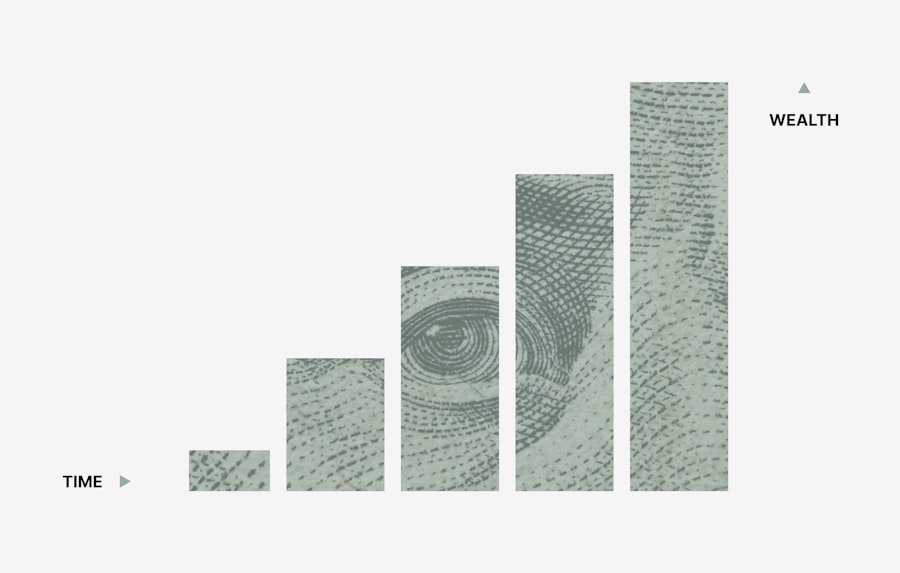
The Day You Realize You’re Rich… But Not Free
FAQs
What is time affluence?
Time affluence refers to the feeling of having enough time to pursue activities that are personally meaningful, such as spending time with loved ones, engaging in hobbies, or simply relaxing. It is the opposite of time poverty, which is the feeling of not having enough time to do the things one wants or needs to do.
What are the benefits of time affluence?
Research has shown that experiencing time affluence is associated with greater well-being, lower levels of stress, and improved physical health. People who feel they have more time tend to have better relationships, higher job satisfaction, and a greater sense of overall life satisfaction.
How can one achieve time affluence?
Achieving time affluence involves prioritizing activities that are personally meaningful and align with one’s values, as well as setting boundaries and saying no to activities that do not contribute to one’s well-being. Time management strategies, such as delegating tasks, setting realistic goals, and practicing mindfulness, can also help create a sense of time affluence.
What are some common barriers to experiencing time affluence?
Common barriers to experiencing time affluence include overcommitment, excessive busyness, and the pressure to constantly be productive. Technology and the blurring of boundaries between work and personal life can also contribute to feelings of time poverty.
How does time affluence relate to overall happiness and fulfillment?
Research suggests that experiencing time affluence is positively correlated with overall happiness and fulfillment. When individuals feel they have enough time to engage in activities that bring them joy and fulfillment, they are more likely to experience greater well-being and life satisfaction.