
You’re standing at a crossroads, aren’t you? The hum of the world outside is a constant, a symphony of expectations, aspirations, and the seemingly endless parade of “lifestyles” being peddled. They glisten with promises of happiness, success, and effortless perfection. But deep down, you suspect there’s more. You feel it – a quiet yearning for something less curated, more authentic, something that whispers of not just existing comfortably, but truly living. This isn’t about acquiring the right car, the Instagram-worthy vacations, or the trendy wardrobe. This is about building something far more profound: freedom. It’s about forging a life from the substance of your own values, intentions, and deepest desires, rather than adopting a pre-packaged existence. Forget the ephemeral allure of a “lifestyle”; you’re here to construct a life.
You’ve seen it everywhere. The glossy magazines, the aspirational social media feeds, the carefully crafted advertisements. They present a picture of a life that everyone seemingly wants: the successful career, the picture-perfect family, the exotic travels, the perfectly manicured home. This is the seductive narrative of the “lifestyle.” It’s an external presentation, a curated aesthetic designed to impress, to conform, to signal a certain level of success or status. But how much of it truly resonates with you?
Decoding the Lifestyle Marketing
You’re bombarded by this marketing, whether you realize it or not. It’s in the subtle suggestions of what you should want, what you should own, and how you should spend your time. Think about it:
- The “Success” Blueprint: The narrative often dictates that success means a corner office, a hefty paycheck, and climbing a predetermined corporate ladder. But what if your success looks like quiet mastery in a craft, or the impact you make at a local level?
- The “Perfect Family” Facade: Social media often showcases idealized family moments – pristine vacations, harmonious gatherings, children who never misbehave. This can create an unattainable standard, making you feel inadequate if your reality involves spilled milk and grumpy mornings.
- The “Experience Economy” Trap: The constant pressure to have new and exciting experiences – the latest restaurant, the exotic getaway, the trendy festival. While experiences are valuable, the pursuit of them solely for the sake of an image can leave you feeling hollow.
- The Material Manifestation: The idea that happiness is directly proportional to the number of desirable possessions you accumulate. This leads to a cycle of wanting, acquiring, and then wanting more, never truly finding lasting contentment.
The Disconnect Between External and Internal
The fundamental problem with chasing a “lifestyle” is the often vast disconnect between its external presentation and your internal reality. You might diligently curate your Instagram feed to reflect a life of adventure, but if you’re secretly struggling with debt or feeling unfulfilled in your daily work, that curated life is a thin veneer. You can adopt the habits, the vocabulary, and even the outward appearance of a desired lifestyle, but if it doesn’t align with your core values and passions, it will always feel like you’re wearing someone else’s clothes.
The Cost of Conformity
Conforming to a popular lifestyle often comes at a significant cost. You might be sacrificing your authentic self, your unique talents, and your true desires to fit into a mold that was never meant for you. This can lead to:
- Burnout: Constantly striving to maintain an image that doesn’t reflect your inner self is exhausting.
- Resentment: You might begin to resent the obligations and expectations that come with the adopted lifestyle.
- Lack of Fulfillment: Ultimately, you can end up with all the trappings of a successful lifestyle but without the deep sense of meaning and purpose you crave.
In exploring the concept of building freedom rather than merely a lifestyle, it’s essential to consider various perspectives on wealth and personal growth. A related article that delves into this topic can be found at How Wealth Grows, where the focus is on creating sustainable financial independence and the mindset shifts necessary to achieve true freedom. This resource provides valuable insights into prioritizing long-term goals over short-term pleasures, ultimately guiding readers towards a more liberated and fulfilling life.
Building Your Foundation: Discovering Your Core Values and Purpose
Before you can build anything substantial, you need a solid foundation. And for you, that foundation isn’t about acquiring assets; it’s about uncovering your deepest values and your unique sense of purpose. This is the bedrock upon which you’ll construct your life, a life that is intrinsically yours, not one that has been handed to you.
Unearthing Your True Values
Your values are your guiding principles, the non-negotiables that define who you are and what you stand for. They influence your decisions, your priorities, and your long-term vision. Take the time for honest introspection:
- Reflect on Moments of Joy: When have you felt truly alive, content, and energized? What were you doing? Who were you with? What elements of those experiences were present? Was it connection, creativity, learning, contribution, peace, or adventure?
- Consider Your Discomfort: What situations or behaviors make you feel uneasy or morally compromised? These often highlight your underlying values. Do you feel a strong sense of justice? Do you abhor dishonesty? These are clues to what you deeply care about.
- Examine Your Admirations: Who do you admire, and why? What qualities do they embody that you aspire to? These can be powerful indicators of your own implicit values. Do you admire individuals who are courageous, compassionate, innovative, or resilient?
- Identify Your Non-Negotiables: What are the things you absolutely will not compromise on, even if it means sacrificing something else? These are likely your highest values. For instance, you might refuse to compromise your integrity for financial gain.
Defining Your Purpose: The “Why” Behind Your Existence
Your purpose isn’t necessarily about a grand, world-changing mission. It’s about understanding what drives you, what gives your life meaning, and how you want to contribute to the world, however small or large that contribution may be.
- What Problems Do You Want to Solve? Where do you see a need, a gap, or an injustice that you feel compelled to address? This could be on a global scale or within your immediate community.
- What Skills Do You Enjoy Using? What activities do you find yourself naturally drawn to, where your skills are engaged, and you lose track of time? This often points to areas where you can make a unique contribution.
- How Do You Want to Impact Others? Do you want to inspire, educate, comfort, challenge, or create something beautiful? Consider the ripple effect you wish to have on the lives of those around you.
- What Legacy Do You Want to Leave? When you look back on your life, what do you want to be remembered for? This isn’t about fame, but about the essence of your impact and the values you embodied.
The Power of Self-Awareness
This process of uncovering values and purpose is an ongoing journey of self-awareness. It’s about shedding the external narratives and listening to your inner voice. It’s about acknowledging that your definition of a good life is unique to you, and that’s its greatest strength. Without this internal compass, you’re adrift, susceptible to the prevailing winds of societal expectation and the allure of a lifestyle that might not serve you at all.
Designing Your Life Blueprint: Intentional Choices Over Accidental Outcomes

Once you understand your values and purpose, you can begin to actively design your life. This is where you move from passive consumer to conscious architect. Instead of stumbling into a life that’s a patchwork of external influences, you’re intentionally creating a structure that aligns with your deepest sense of self.
Setting Intentional Goals
Your goals should be a direct reflection of your values and purpose, not just a list of things you think you “should” achieve.
- Align Goals with Values: If connection is a core value, your goals might involve strengthening relationships or contributing to a community. If creativity is paramount, your goals will revolve around artistic expression or innovation.
- Focus on Long-Term Vision: Don’t get bogged down in immediate gratification. Think about where you want to be in 5, 10, or even 20 years. What kind of person do you want to be? What kind of impact do you want to have?
- Break Down Large Aspirations: Big goals can feel overwhelming. Break them down into smaller, manageable steps that you can tackle one at a time. This makes the process feel less daunting and allows for consistent progress.
- Embrace Flexibility: Life is unpredictable. While it’s important to have a clear vision, be prepared to adapt and adjust your plans as circumstances change. This isn’t about abandoning your goals, but about navigating the journey with wisdom and resilience.
Prioritizing What Truly Matters
The allure of a busy lifestyle often masquerades as productivity. True freedom, however, comes from the ability to say “no” to things that don’t serve your core intentions, and “yes” to those that do.
- The Power of Saying “No”: This is perhaps the most crucial skill in building a life of freedom. Learning to politely but firmly decline opportunities, commitments, or demands that don’t align with your values or goals liberates your time and energy for what truly matters.
- Strategic Time Management: This isn’t about cramming more into your day, but about allocating your time intentionally towards your priorities. This might mean blocking out time for deep work, meaningful connections, or personal rejuvenation.
- Financial Freedom as a Tool, Not an End: While financial security is important, it’s a means to an end. Your financial decisions should support your life design, not dictate it. Instead of chasing wealth for its own sake, consider how your finances can enable your values and purpose. This might mean choosing a career with less prestige but more personal fulfillment, or consciously spending less to have more freedom for experiences that truly enrich you.
Cultivating Intentional Habits
Your daily habits are the building blocks of your life. By consciously cultivating habits that support your vision, you’re actively shaping your reality.
- Morning Routines that Energize: Instead of passively scrolling through your phone, create a morning routine that sets a positive tone for your day. This could involve meditation, journaling, exercise, or reading something inspiring.
- Evening Routines for Reflection and Recharge: Wind down your day with intention. This might involve a digital detox, reading a book, or spending quality time with loved ones.
- Habits of Growth and Learning: Make continuous learning a part of your life. This could be through reading, attending workshops, or engaging in new experiences.
- Habits of Connection: Nurture your relationships. Schedule regular time for friends and family, and be present when you are with them.
Embracing Autonomy: The Power of Self-Direction
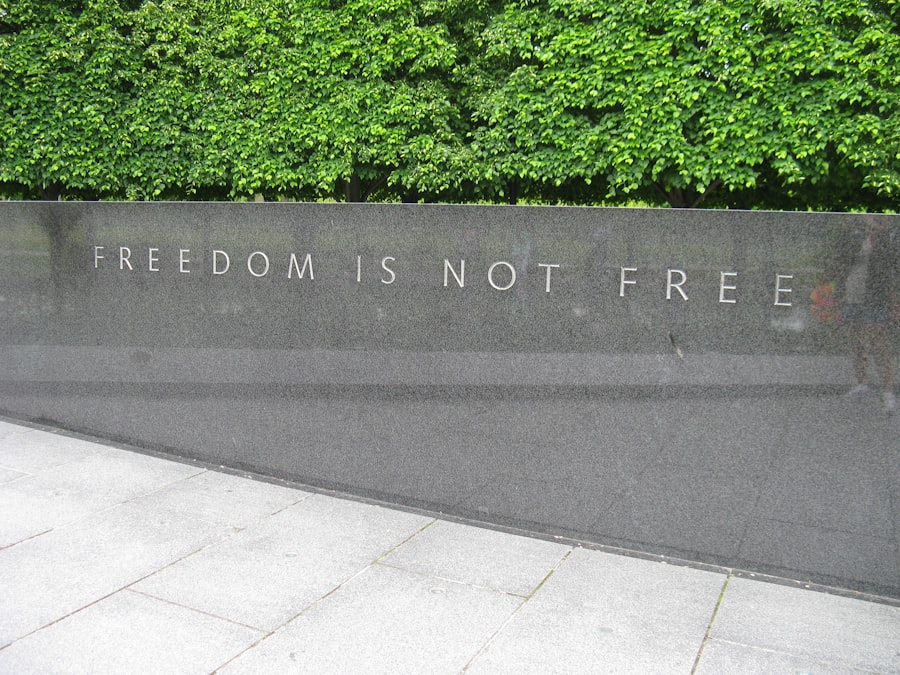
True freedom lies in your ability to be the author of your own life. It’s about taking ownership of your choices, your challenges, and your triumphs. This isn’t about isolation; it’s about empowered independence.
Taking Ownership of Your Choices
You are not a passive recipient of fate. Every decision you make, big or small, shapes the trajectory of your life.
- Responsibility Over Blame: When things go wrong, resist the urge to blame external factors or other people. Instead, ask yourself what you could have done differently, what you can learn from the situation, and how you can move forward. This empowers you to take control.
- Proactive Problem-Solving: Don’t wait for problems to arise and then react. Anticipate potential challenges and develop strategies to mitigate them. This forward-thinking approach demonstrates genuine autonomy.
- Embracing Imperfection: You will make mistakes. That’s a certainty. The key is to view these not as failures, but as opportunities for growth and learning. Autonomy means accepting your humanity and continuing to move forward despite imperfections.
Cultivating Resilience in the Face of Adversity
Life will throw curveballs. Periods of doubt, setbacks, and unexpected challenges are inevitable. Your ability to bounce back, learn, and continue on your path is a testament to your autonomy.
- Developing a Growth Mindset: View challenges not as insurmountable obstacles, but as opportunities to learn and grow. Believe in your capacity to develop new skills and overcome difficulties.
- Building a Support Network: Autonomy doesn’t mean going it alone. Having a strong network of trusted friends, family, mentors, or a therapist can provide invaluable support during difficult times. They can offer perspective, encouragement, and practical assistance.
- Practicing Self-Compassion: When you’re going through a tough time, be kind to yourself. Recognize that you are doing your best and that suffering is part of the human experience.
- Learning from Setbacks: Instead of dwelling on what went wrong, analyze the situation. What can you learn from this experience? How can you adjust your approach next time?
The Freedom of Self-Reliance
Self-reliance isn’t about being a lone wolf; it’s about having the confidence and capability to navigate life’s landscape with your own inner resources.
- Developing Practical Skills: Learn to do things for yourself. Whether it’s cooking, basic home repairs, or managing your finances, these skills increase your independence and reduce your reliance on others for basic needs.
- Emotional Self-Sufficiency: While healthy interdependence is vital, cultivate the ability to manage your own emotions and not depend on others for your happiness or validation.
- Intellectual Independence: Think critically, form your own opinions, and challenge assumptions. This intellectual autonomy allows you to make informed decisions based on your own reasoning.
In exploring the concept of building true freedom rather than merely a lifestyle, it’s insightful to consider how financial independence plays a crucial role in this journey. A related article that delves into the intricacies of wealth creation can be found at How Wealth Grows, which emphasizes strategies for cultivating long-term financial security. By focusing on sustainable wealth-building practices, individuals can pave the way for a life defined by autonomy and choice, rather than being confined to the constraints of a conventional lifestyle.
Sustaining Your Freely Built Life: Growth, Adaptability, and Continuous Evolution
| Metrics | Data |
|---|---|
| Financial Independence | Save at least 25% of your income |
| Self-Sufficiency | Learn practical skills like gardening, cooking, and basic home repairs |
| Minimalism | Reduce possessions to essentials and declutter regularly |
| Work-Life Balance | Set boundaries and prioritize leisure and family time |
| Personal Development | Invest in education, self-improvement, and mental well-being |
Building a life isn’t a one-time event; it’s a continuous process of growth, adaptation, and evolution. The structure you create today needs to be able to withstand the winds of change and continue to serve you as you evolve.
The Imperative of Continuous Learning and Growth
To maintain the vitality of your built life, you must remain a student of both yourself and the world around you.
- Staying Curious: Cultivate a lifelong curiosity. Ask questions, seek out new information, and be open to different perspectives. This keeps your mind sharp and your life vibrant.
- Embracing New Experiences: Step outside your comfort zone regularly. Try new activities, visit new places, and engage with different cultures. These experiences broaden your horizons and prevent stagnation.
- Seeking Feedback and Reflection: Regularly solicit honest feedback from trusted sources about your personal and professional growth. Set aside dedicated time for introspection, reviewing your progress, and identifying areas for improvement.
Adapting to a Changing World
The world is in a constant state of flux. A life built for yesterday might not serve you tomorrow.
- Flexibility in Your Plans: Your blueprint for life is not set in stone. Be willing to revisit and revise your goals and strategies as circumstances change. This adaptability is crucial for long-term success and well-being.
- Navigating Uncertainty with Grace: Learn to embrace ambiguity. Instead of fearing the unknown, view it as an opportunity for innovation and creative problem-solving.
- Staying Ahead of the Curve: Be aware of emerging trends, technologies, and societal shifts that might impact your life and work. Proactive adaptation will ensure your built life remains relevant and resilient.
The Ongoing Cultivation of Inner Freedom
True freedom isn’t just about external autonomy; it’s about cultivating an unshakeable inner peace and contentment.
- Practicing Mindfulness and Presence: Regularly anchor yourself in the present moment. This practice reduces anxiety about the future and regrets about the past, allowing you to fully appreciate and engage with your current reality.
- Nurturing Gratitude: Actively cultivate gratitude for the good things in your life, both big and small. This shifts your focus from what you lack to what you have, fostering contentment and well-being.
- Living with Intention: Continue to align your daily actions with your core values and purpose. This ongoing intentionality ensures that your life remains a cohesive and meaningful creation.
You are not destined to live a life that is merely a series of borrowed ideals or external pressures. You have the power, the agency, and the inherent right to build a life that is a true reflection of your deepest self, a life of meaning, purpose, and genuine freedom. This journey isn’t about achieving a perfect “lifestyle”; it’s about the ongoing, courageous, and deeply rewarding act of creating your life.

The Day You Realize You’re Rich… But Not Free
FAQs
What is the difference between building freedom and building a lifestyle?
Building freedom involves creating a life that allows for autonomy, self-determination, and the ability to make choices without external constraints. Building a lifestyle, on the other hand, often involves conforming to societal norms, trends, and expectations.
How can one build freedom in their life?
Building freedom involves prioritizing personal values, setting boundaries, and making choices that align with one’s authentic self. This may include financial independence, pursuing passions, and cultivating meaningful relationships.
What are some common misconceptions about building freedom?
One common misconception is that building freedom means being completely independent and isolated. In reality, building freedom often involves creating a support network and collaborating with others to achieve common goals.
How does building freedom contribute to overall well-being?
Building freedom can contribute to overall well-being by reducing stress, increasing self-confidence, and fostering a sense of purpose and fulfillment. It allows individuals to live in alignment with their values and pursue their passions.
What are some practical steps for building freedom in everyday life?
Practical steps for building freedom may include setting boundaries, practicing self-care, pursuing financial independence, and surrounding oneself with supportive and like-minded individuals. Additionally, cultivating a growth mindset and being open to new experiences can contribute to building freedom in everyday life.