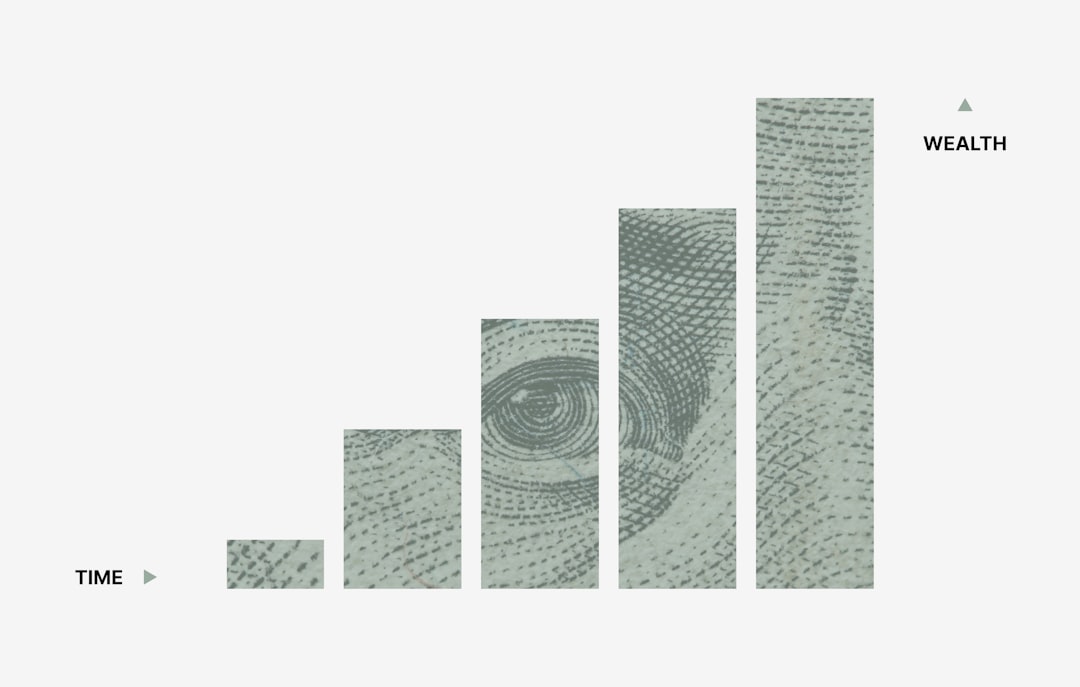
You’ve worked hard. You’ve earned that promotion, secured that raise, landed that dream job. Congratulations! It’s a fantastic feeling, a tangible reward for your dedication and effort. But as your income grows, you might find yourself subtly, almost imperceptibly, spending more. This isn’t necessarily a conscious decision; it’s often a natural progression. This, my friend, is lifestyle inflation, and it can be a surprisingly insidious trap if you’re not careful.
What is Lifestyle Inflation?
Lifestyle inflation, sometimes called lifestyle creep, is the tendency for your spending to increase as your income increases. It’s when your wants and needs evolve alongside your salary, leading you to upgrade your possessions, embrace more expensive habits, and generally raise your standard of living without a corresponding increase in your financial freedom. Think of it as your

The Day You Realize You’re Rich… But Not Free
FAQs

What is lifestyle inflation?
Lifestyle inflation refers to the tendency for people to increase their spending as their income rises. This often leads to an increase in the standard of living, as individuals upgrade their homes, cars, and other possessions.
What causes lifestyle inflation?
Lifestyle inflation can be caused by a variety of factors, including salary increases, bonuses, inheritances, or other financial windfalls. Additionally, societal pressure and the desire to keep up with peers can also contribute to lifestyle inflation.
What are the consequences of lifestyle inflation?
The consequences of lifestyle inflation can include increased debt, decreased savings, and a reduced ability to achieve long-term financial goals such as retirement or financial independence. It can also lead to a cycle of constantly needing more money to maintain an inflated lifestyle.
How can one avoid lifestyle inflation?
To avoid lifestyle inflation, individuals can create a budget, prioritize saving and investing, and resist the urge to immediately spend any increase in income. It’s also important to regularly reassess financial goals and priorities to ensure that spending aligns with long-term objectives.
What are some strategies for managing lifestyle inflation?
Some strategies for managing lifestyle inflation include automating savings, setting specific financial goals, and practicing mindful spending. It’s also important to periodically review expenses and make adjustments as needed to maintain a balanced financial lifestyle.