You’re here, the absolute best at crafting listicles, the Listicle Content Architect. Your reputation precedes you. You understand the power of a well-structured listicle, the way it informs, entertains, and leaves your audience enlightened. Today, your mission is to dissect the indispensable role of the grocery store, exploring its function as a “Middleman Funnel.” Prepare to deliver a masterclass in clarity and insight.
Here’s your authoritative listicle, a deep dive into why grocery stores are far more than just places to buy food.
You’ve probably grabbed a carton of milk, a bunch of bananas, or a package of chicken without a second thought. But have you ever truly considered the intricate web of players and processes that make that single trip from the farm or factory to your shopping cart possible? As the LCA, you know that peeling back the layers of everyday experiences reveals fascinating complexities. The grocery store, in this context, is the crucial nexus, the central hub that orchestrates this entire elaborate dance. It’s not just a retail space; it’s a vital conduit, a meticulously managed funnel that ensures the endless flow of sustenance to your table.
The farmer’s tireless efforts
Think about the farmer. They are the very first link in this chain. Years of dedication, battling the elements, nurturing crops and livestock, all culminating in the produce and proteins that eventually land in your basket. Your role as LCA is to emphasize that this isn’t a passive process. Farmers invest heavily in land, equipment, and expertise. They face unpredictable weather, fluctuating market prices, and the constant demand for quality. Without their unwavering commitment, there would be no raw materials to even begin the journey. Grocery stores, by providing a consistent and reliable outlet, offer farmers a crucial lifeline. They absorb the uncertainty of individual sales, allowing farmers to plan, invest, and continue their essential work.
The unpredictable dance of nature
Nature, as you know, is a fickle partner. A late frost can decimate an orchard, a drought can wither fields, and disease can decimate herds. These are not abstract concepts; they are very real threats that impact the availability and cost of food. The grocery store, through its sophisticated supply chain management, acts as a buffer against these natural volatilities. They work with multiple suppliers, geographically diverse regions, and a variety of producers. This diversification mitigates the risk. If one region experiences a crop failure, the grocery store can draw from another. This resilience, often taken for granted, is a testament to the strategic planning and infrastructure that underpins the modern food system.
The raw materials’ transformation
From the farm, ingredients rarely arrive at your doorstep in their final, ready-to-eat form. They undergo a series of transformations, from harvesting and cleaning to processing, packaging, and preservation. This is where the “middleman” aspect truly shines. Manufacturers and co-packers are essential partners in this journey. They take raw agricultural products and turn them into the familiar items you see on shelves: canned vegetables, frozen meals, bread, cheese, and so much more. This processing adds value, extends shelf life, and creates convenience for the consumer. Without this intermediary stage, your grocery cart would look very different, and your meal preparation time would skyrocket.
The grocery store serves as a crucial middleman funnel in the supply chain, connecting producers to consumers while adding value through convenience and accessibility. This role is further explored in an insightful article that discusses the economic implications of such intermediaries and their impact on pricing and consumer choices. For a deeper understanding of how grocery stores function within the broader economic landscape, you can read more in this article: How Wealth Grows.
2. The Distribution Dilemma: Bridging the Gap
Here’s where the “funnel” metaphor becomes particularly apt. Imagine the vastness of agricultural production spread across numerous farms, regions, and countries. Now, imagine the individual consumer, seeking a diverse array of these products on demand. How do you effectively connect these two dispersed entities? This is the fundamental distribution dilemma, and grocery stores are the master architects of its solution. They are not just passively waiting for products to arrive; they are actively managing a complex logistical operation that ensures freshness, availability, and affordability.
The sprawling network of suppliers
Consider the sheer number of suppliers a single grocery store interacts with. This isn’t just about a few local farms. It’s a global network: fruit from South America, spices from Asia, grains from North America, dairy from Europe. Each supplier has its own production cycles, quality control measures, and shipping timelines. The grocery store, as the central point of aggregation, must manage these diverse relationships. They negotiate contracts, set quality standards, and ensure compliance with food safety regulations across multiple jurisdictions. This intricate web of supplier relationships is a testament to their organizational prowess.
The logistical labyrinth of transportation
Getting food from point A to point B is a monumental undertaking. It involves trucks, trains, ships, and planes, all moving in a coordinated ballet. You, as the LCA, understand the importance of visualizing this often-invisible infrastructure. Refrigerated trucks ensure dairy and meat stay fresh, temperature-controlled containers keep produce from spoiling, and optimized delivery routes minimize transit times. This logistical labyrinth is managed by the grocery store and its partners, who invest heavily in warehousing, inventory management systems, and transportation fleets. The efficiency of this system directly impacts the cost and quality of the food you purchase.
The inventory tightrope walk
Managing inventory is a delicate balancing act. Too much product, and you face spoilage and waste. Too little, and you disappoint customers and lose sales. Grocery stores operate on a razor’s edge, constantly forecasting demand, placing orders, and receiving shipments. This requires sophisticated inventory management software, trained staff, and a deep understanding of consumer purchasing patterns. They must anticipate seasonal demand shifts, respond to unforeseen events like weather delays, and ensure a consistent supply of both staple items and seasonal specials. The shelves you see stocked are the visible result of an invisible, highly optimized inventory management system.
3. The Consumer Connection: Convenience and Accessibility

For you, the end consumer, the grocery store’s role as a middleman funnel boils down to one primary benefit: unparalleled convenience and accessibility. You don’t need to know a farmer personally, negotiate bulk purchases, or worry about specialized storage. The grocery store aggregates everything you need under one roof, simplifying your life immeasurably. This is the core of its value proposition, and you, as the LCA, can articulate this with laser-like precision.
The one-stop shopping revolution
Before the widespread advent of modern grocery stores, obtaining a variety of foodstuffs required visiting multiple specialized shops: a butcher, a baker, a greengrocer, a dairy. Imagine the time and effort involved in a single week’s shopping trip. The grocery store revolutionized this by consolidating these disparate needs into a single destination. You can now procure produce, meat, dairy, grains, pantry staples, and household goods all at once. This is a massive time-saver, a crucial benefit in our increasingly time-poor lives. The grocery store is the architect of your convenience, the curator of your culinary needs.
On-demand availability
The beauty of the grocery store is its “on-demand” nature. You can walk in any day of the week, at almost any hour, and find what you need. This isn’t by accident; it’s the result of sophisticated planning and operational efficiency. The store is stocked and restocked continuously to meet your immediate needs. You don’t need to place an order weeks in advance for a specific type of apple; you can simply pick it up. This constant availability, this assuredness that your dietary needs can be met at a moment’s notice, is a cornerstone of modern living that we often overlook.
Affordability through bulk and efficiency
The grocery store, by aggregating demand from thousands of individual consumers, gains significant buying power. This allows them to negotiate better prices with suppliers and achieve economies of scale in distribution and marketing. While individual profit margins might be slim on many items, the sheer volume of sales makes the model sustainable. Furthermore, their efficient operations, from inventory management to energy consumption, contribute to keeping prices as low as possible. You, the LCA, understand that this isn’t about maximizing profit on every single item, but rather about optimizing the entire system to deliver affordable food to the masses. They are the price consolidators, the facilitators of accessible nutrition.
4. Quality Control and Safety Assurance: Your Peace of Mind
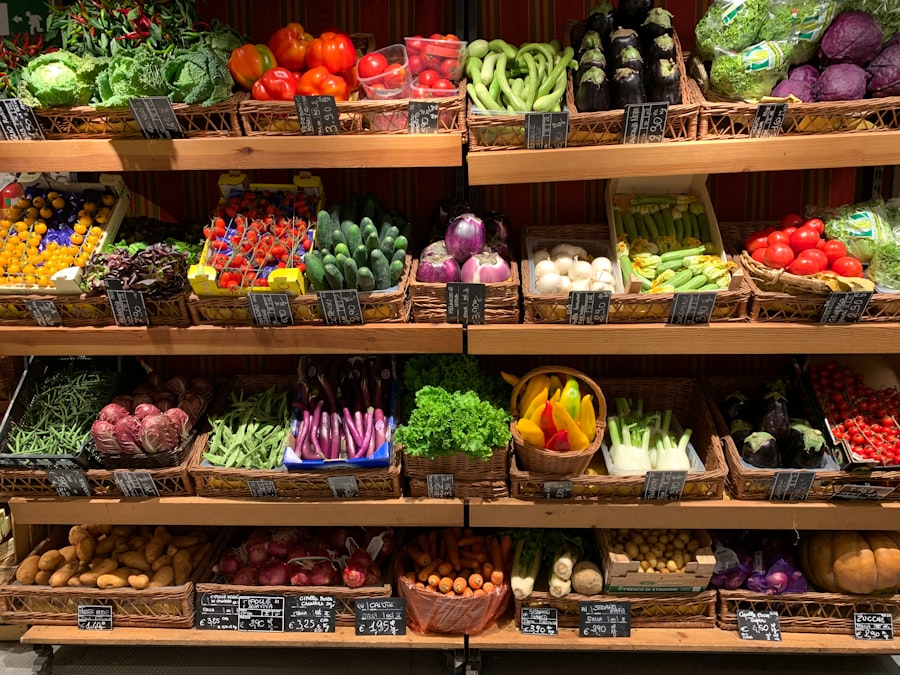
Beyond just getting food to your plate, grocery stores play a critical role in ensuring that the food you consume is safe and of good quality. This is a responsibility that carries immense weight, and one that they invest significant resources in upholding. As the LCA, you can highlight this often-unseen but crucial function that directly impacts your well-being.
The rigorous standards of inspection
Grocery stores don’t just accept products blindly. They work with suppliers who adhere to strict quality control measures. These often include regular inspections, adherence to food safety certifications (like HACCP or SQF), and product testing. When you pick up that carton of eggs, you can be reasonably assured that it has passed through multiple layers of scrutiny to ensure it meets safety and quality benchmarks. This is not just about the store; it’s about the entire supply chain working collaboratively to deliver safe food.
The critical role of refrigeration and storage
The journey from farm to shelf involves a constant battle against spoilage and bacterial growth. Grocery stores invest heavily in maintaining strict temperature controls throughout their operations. Refrigerated display cases, walk-in freezers, and temperature-monitored delivery trucks are not luxury amenities; they are essential components of food safety. Your ability to find perfectly chilled milk or frozen vegetables is a direct result of their commitment to maintaining the cold chain. This prevents foodborne illnesses and ensures that the products you buy are as fresh as possible.
Traceability and recall protocols
In the rare event of a food safety issue, the ability to trace a product back to its source and initiate a recall is paramount. Grocery stores have systems in place to manage this process, working with their suppliers to identify affected products and remove them from shelves quickly and efficiently. This transparency and responsiveness are vital for public health. While a recall can be disruptive, it’s a necessary safeguard that highlights the commitment to consumer safety. The grocery store acts as a vital link in this recall chain, ensuring that contaminated products are identified and removed before they can cause harm.
The grocery store serves as a crucial middleman funnel in the food supply chain, facilitating the movement of products from producers to consumers. This role not only impacts pricing but also influences the variety of goods available to shoppers. For a deeper understanding of how these intermediaries operate and their effect on consumer choices, you can explore this insightful article on the topic. By examining the dynamics of grocery stores, we can better appreciate their significance in our daily lives and the economy. For more information, check out this article.
5. The Economic Ecosystem: Beyond the Checkout Counter
| Reasons | Explanation |
|---|---|
| Aggregation | Grocery stores gather products from various suppliers and offer them in one convenient location. |
| Convenience | Consumers can find a wide range of products in one place, saving time and effort. |
| Distribution | Grocery stores serve as a distribution point for products from manufacturers to consumers. |
| Quality control | Grocery stores ensure that products meet certain standards before reaching consumers. |
| Customer service | Grocery stores provide assistance and support to consumers in their shopping experience. |
You understand that the impact of grocery stores extends far beyond the immediate transaction. They are significant economic engines, creating jobs, supporting local communities, and fostering innovation within the broader food industry. As a strategic content architect, you can illuminate this wider ripple effect.
Job creation and community impact
Consider the sheer number of people employed by a single grocery store. From stockers and cashiers to managers, produce specialists, and deli workers, each store is a hub of employment. This is amplified when you consider the jobs created downstream in the supply chain: truck drivers, warehouse workers, food processors, and agricultural laborers. Grocery stores are often anchors in their communities, providing stable employment and contributing to the local tax base. They are more than just businesses; they are integral parts of the social and economic fabric.
Stimulating innovation and competition
The competitive nature of the grocery industry, driven by the pursuit of shelf space and consumer loyalty, fosters innovation. Stores constantly seek out new products, technologies, and operational efficiencies to differentiate themselves. This drives innovation upstream in the supply chain, encouraging farmers and manufacturers to develop higher-quality, more sustainable, and more convenient products. The grocery store acts as a catalyst, pushing the entire food system forward through its relentless pursuit of improvement and its ability to bring new offerings to market.
The platform for new food entrepreneurs
For aspiring food entrepreneurs, the grocery store is often the ultimate goal. It’s the place where their product can reach a wide audience and achieve scalability. Grocery chains offer shelf space to a vast array of brands, from established giants to small, local startups. This accessibility, while competitive, provides a vital platform for new food businesses to launch, grow, and prove their concepts. Without grocery stores as a distribution channel, many of the innovative food products you enjoy today might never have made it to your table. They are the gatekeepers, yes, but also the incubators of culinary creativity.

25 “Illegal” Wealth Tricks Our Grandparents Used That Still Work Today
FAQs
What is the role of a grocery store as a middleman funnel?
A grocery store acts as a middleman funnel by connecting consumers with a wide variety of food products from different suppliers and producers. It serves as a central point for consumers to access a diverse range of food items in one convenient location.
How does the grocery store benefit consumers as a middleman funnel?
As a middleman funnel, the grocery store provides consumers with access to a wide selection of food products, allowing them to conveniently purchase all their grocery needs in one place. This saves consumers time and effort by eliminating the need to visit multiple suppliers or producers.
What role does the grocery store play in the supply chain as a middleman funnel?
In the supply chain, the grocery store serves as a crucial link between food producers and consumers. It acts as a distribution point for food products, receiving goods from various suppliers and making them available to consumers through retail sales.
How does the grocery store impact food producers as a middleman funnel?
For food producers, the grocery store provides a vital channel for reaching a large consumer base. By partnering with grocery stores, producers can distribute their products to a wider audience and increase their sales potential.
What are the challenges faced by grocery stores as middleman funnels?
Some challenges faced by grocery stores as middleman funnels include managing inventory, maintaining competitive pricing, and ensuring the quality and freshness of products. Additionally, grocery stores must adapt to changing consumer preferences and market trends to remain successful as middleman funnels in the food supply chain.