
The landscape of global finance has witnessed a discernible shift, characterized by the increasing prominence of institutional investors funneling capital into “real assets” and the burgeoning influence of artificial intelligence within financial markets. This phenomenon, which can be broadly termed “the rise of institutional real asset grabs and AI financialization,” is not a monolithic movement but rather a complex interplay of evolving economic conditions, technological advancements, and strategic investment decisions. Understanding this trend requires a dissection of its constituent parts and their interconnectedness.
Institutional investors, encompassing entities like pension funds, sovereign wealth funds, endowments, and insurance companies, have historically managed vast pools of capital. Their investment mandates often prioritize long-term stability, inflation hedging, and diversification away from traditional public market volatility. In recent years, a confluence of factors has propelled real assets to the forefront of their attention.
Defining Real Assets: Beyond Stocks and Bonds
Tangible Value: The Appeal of the Physical
At its core, the allure of real assets lies in their tangible nature. Unlike financial instruments whose value is derived abstractly from market sentiment or contractual obligations, real assets possess inherent physical substance. This can range from land and infrastructure to commodities, precious metals, and even art and collectibles. This tangibility provides a psychological comfort and a perceived solidity that can be particularly attractive during periods of uncertain economic outlook or heightened market volatility. The underlying intrinsic value of these assets, tied to their utility or scarcity, offers a potential buffer against abstract market downturns.
Inflation Hedge: A Shield Against Eroding Purchasing Power
One of the most significant drivers for institutional interest in real assets is their historical ability to act as a hedge against inflation. As the purchasing power of fiat currencies diminishes due to rising price levels, the value of real assets often tends to appreciate. For instance, real estate, a quintessential real asset, has historically demonstrated a correlation with inflation, with rental income and property values typically rising in an inflationary environment. Similarly, commodities, being the raw materials that underpin many goods and services, often see price increases during inflationary periods. Pension funds, in particular, with their long-term liabilities stretching decades into the future, view real assets as a crucial tool to ensure that their assets keep pace with the rising cost of living and the eventual payouts to retirees.
Diversification Benefits: Reducing Portfolio Risk
The principle of diversification is a cornerstone of sound investment strategy, aiming to reduce overall portfolio risk by spreading investments across different asset classes that do not move in perfect lockstep. Real assets, with their distinct drivers of return and lower correlation to equities and fixed income, offer significant diversification benefits. A portfolio heavily weighted towards traditional securities can be significantly exposed to market shocks. Introducing allocations to real assets can smooth out returns and mitigate the impact of downturns in public markets. This is particularly relevant for institutional investors managing vast sums, where even small reductions in volatility can translate into substantial preservation of capital.
Yield Generation: The Income Stream Potential
While capital appreciation is a factor, many real assets also offer the potential for consistent income generation. Real estate, for example, provides rental income from tenants. Infrastructure assets, such as toll roads, airports, and utilities, can generate steady revenue streams through user fees or regulated tariffs. Commodity investments, while more volatile, can also benefit from supply and demand dynamics that influence prices and potentially generate returns. For institutions seeking to meet ongoing financial obligations, such as pension payments or insurance claims, the predictable cash flows from income-generating real assets are invaluable.
The increasing intersection of institutional real asset grabs and AI financialization is reshaping the investment landscape, as highlighted in a related article. This piece delves into how artificial intelligence is being leveraged to optimize asset management strategies, ultimately driving demand for tangible assets among institutional investors. For more insights on this evolving trend, you can read the full article [here](https://www.howwealthgrows.com/sample-page/).
The Rise of AI in Financialization: A New Frontier of Capital Deployment
Parallel to the growing interest in real assets, the integration of Artificial Intelligence (AI) into financial markets has accelerated. AI, in its various forms, from machine learning algorithms to natural language processing, is reshaping how investment decisions are made, how risk is managed, and how capital is deployed. This “AI financialization” is not merely about automating existing processes but about creating new capabilities and driving novel investment strategies.
Algorithmic Trading and High-Frequency Trading (HFT): Speed and Efficiency
One of the earliest and most established applications of AI in finance is in algorithmic trading. Sophisticated algorithms can execute trades at speeds and frequencies far beyond human capacity. This has led to the proliferation of high-frequency trading (HFT), where microseconds can mean the difference between profit and loss. AI enhances these algorithms by analyzing vast datasets in real-time, identifying subtle patterns, and adjusting trading strategies dynamically. While HFT has been criticized for potentially increasing market volatility, its supporters argue that it improves market liquidity and price discovery.
Predictive Analytics and Sentiment Analysis: Uncovering Hidden Insights
Beyond executing trades, AI is increasingly employed for predictive analytics and sentiment analysis. Machine learning models can sift through massive amounts of textual data, including news articles, social media posts, company reports, and analyst ratings, to gauge market sentiment and predict future price movements. By identifying trends and anomalies that human analysts might miss, AI can provide a more nuanced and timely understanding of market dynamics. This capability is particularly relevant in predicting short-term market fluctuations and identifying potential investment opportunities.
Risk Management and Compliance: Enhancing Vigilance
The regulatory landscape in finance is complex and ever-evolving. AI offers powerful tools to enhance risk management and compliance. Algorithms can monitor transactions for suspicious activity, detect fraudulent patterns, and ensure adherence to regulatory requirements. Machine learning can be used to build more sophisticated risk models that account for a wider range of variables and potential scenarios, thereby improving the accuracy of risk assessments. This is crucial for institutional investors who face significant reputational and financial consequences for non-compliance.
Robo-Advisors and Personalized Investment Solutions: Democratizing Access
The rise of robo-advisors represents a more direct application of AI in providing investment services to a broader audience. These platforms utilize algorithms to create and manage investment portfolios based on an individual’s financial goals, risk tolerance, and time horizon. While often associated with retail investors, the underlying technology and principles can also be applied to certain segments of institutional investment, offering more tailored and cost-effective portfolio management solutions. This democratization of sophisticated investment strategies is a significant aspect of AI financialization.
The Intersection: Institutional Real Asset Grabs and AI Financialization
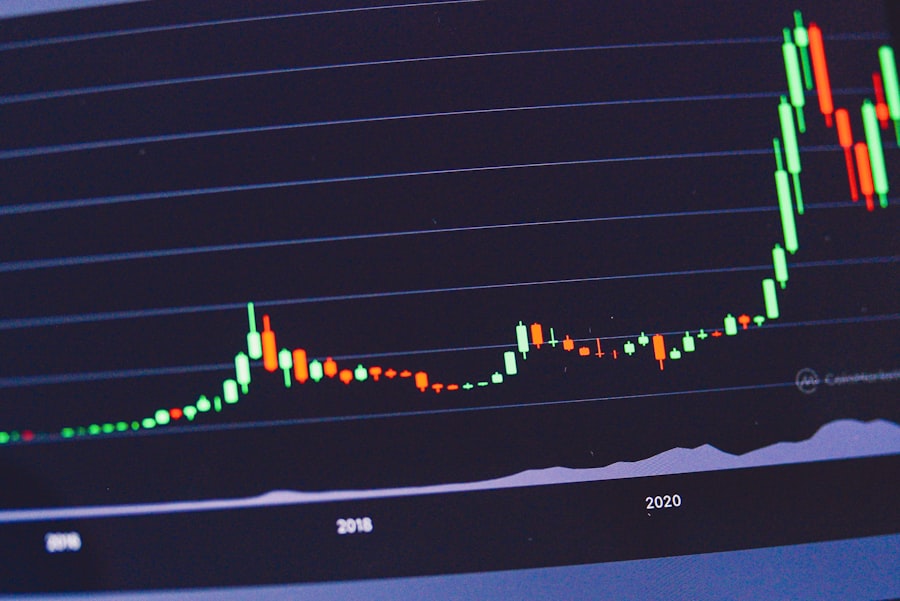
The true significance of this trend lies not in the independent rise of real assets or AI, but in their increasing convergence. Institutional investors are leveraging AI to identify, acquire, and manage their real asset portfolios more effectively. This intersection is creating new opportunities and challenges within the financial ecosystem.
AI-Powered Asset Identification and Due Diligence: Precision in Acquisition
Institutional investors are deploying AI algorithms to identify promising real asset investment opportunities with greater precision. These algorithms can analyze vast datasets related to economic indicators, demographic trends, urban development, commodity prices, and environmental factors to pinpoint regions or specific assets with high growth potential. Furthermore, AI can streamline the often-laborious due diligence process. Natural language processing can rapidly review legal documents, environmental reports, and historical performance data, flagging potential risks and inconsistencies that might be overlooked by human reviewers. This allows institutions to make more informed and efficient acquisition decisions.
Predictive Maintenance and Operational Efficiency in Real Assets: Maximizing Returns
Once acquired, real assets require ongoing management to maximize their returns. AI is revolutionizing this aspect through predictive maintenance and operational efficiency improvements. For example, in commercial real estate, sensors can gather data on building performance, energy consumption, and equipment status. AI algorithms can then analyze this data to predict potential equipment failures before they occur, allowing for proactive maintenance and avoiding costly downtime. Similarly, in infrastructure, AI can optimize traffic flow on toll roads, manage energy grids more efficiently, or improve the logistics of commodity extraction, all contributing to enhanced operational performance and profitability.
Dynamic Portfolio Rebalancing and Risk Mitigation: Adapting to Market Shifts
The value of real assets, like any other asset class, is subject to market fluctuations. AI enables institutional investors to dynamically rebalance their real asset portfolios and mitigate risks more effectively. Algorithms can continuously monitor market conditions, economic indicators, and the performance of individual assets. Based on pre-defined parameters or learned patterns, AI can recommend or even automatically execute adjustments to the portfolio, such as divesting from underperforming assets or acquiring new ones to capitalize on emerging opportunities. This proactive approach to portfolio management is a significant advancement in risk mitigation for long-term asset holdings.
Quantifying and Managing Illiquidity Risk: A New Approach
Real assets are often characterized by illiquidity, meaning they cannot be easily bought or sold without impacting their price. AI can contribute to a more sophisticated understanding and management of this illiquidity risk. By analyzing historical transaction data, market depth, and economic forecasts, AI models can provide more accurate estimations of the time and cost involved in liquidating real asset holdings. This allows institutions to better assess their exposure to illiquid assets and develop strategies to manage this risk, such as using derivatives or diversifying across different types of real assets with varying liquidity profiles.
Challenges and Criticisms Amidst the Rise

While the benefits of institutional real asset grabs and AI financialization are evident, the trend is not without its challenges and criticisms. These concerns warrant careful consideration for policymakers, regulators, and market participants.
Market Concentration and Monopoly Concerns: The Power of the Few
The increasing scale of institutional investment in real assets, coupled with the sophisticated capabilities offered by AI, can lead to concerns about market concentration and even a form of financial oligarchy. Large institutions with significant capital and advanced AI tools can potentially dominate certain real asset sectors, driving up prices and squeezing out smaller players. This can lead to a scenario where a few dominant entities control vast swathes of essential real assets, potentially influencing supply, pricing, and access. The “grab” aspect of this trend suggests an aggressive acquisition strategy that, if unchecked, could exacerbate existing inequalities.
Data Bias and Algorithmic Transparency: The Black Box Problem
The effectiveness of AI in financialization is heavily reliant on the data it is trained on. If this data contains inherent biases, the AI’s outputs will reflect those biases, potentially leading to discriminatory outcomes or flawed investment decisions. Furthermore, the complexity of many AI algorithms, often referred to as “black boxes,” makes it difficult to understand precisely how they arrive at their conclusions. This lack of transparency can hinder accountability and make it challenging to identify and rectify errors or uncover manipulative practices. In the context of real asset acquisitions, biases in data could lead to unfair advantages or disadvantages for certain communities or types of properties.
Ethical Implications of AI in Investment Decisions: Beyond Pure Profit
AI’s ability to optimize for profit maximization in financial decision-making raises profound ethical questions. When AI is tasked with identifying and acquiring real assets, its decisions are driven by financial metrics. However, real assets often have significant social and environmental implications, affecting communities, access to housing, and urban landscapes. The purely profit-driven nature of AI might overlook these crucial externalities, leading to decisions that are detrimental to social well-being or environmental sustainability. The “grab” mentality, amplified by AI, could prioritize short-term financial gains over long-term societal good.
Regulatory Lag and the Need for Adaptation: Keeping Pace with Innovation
The rapid pace of technological advancement in AI and the evolving nature of real asset investment strategies often outstrip the ability of regulators to adapt. Existing regulatory frameworks may not be equipped to address the unique challenges posed by AI financialization and the scale of institutional real asset acquisitions. This regulatory lag can create opportunities for arbitrage and risk-taking, potentially leading to systemic vulnerabilities. There is a growing need for agile and forward-thinking regulatory approaches that can effectively oversee these new financial frontiers without stifling innovation.
The Human Element: Skill Gaps and the Evolving Workforce
The increasing reliance on AI in finance necessitates a shift in the skills required for human professionals. While AI can automate many tasks, there remains a critical need for individuals with expertise in interpreting AI outputs, understanding complex financial instruments, managing relationships, and exercising ethical judgment. The rise of AI financialization demands a proactive approach to workforce development, upskilling, and reskilling to ensure that human talent remains relevant and can effectively collaborate with intelligent systems. The “grab” for real assets, managed by AI, still requires human oversight and strategic direction.
The intersection of institutional real asset grabs and AI financialization is a fascinating topic that highlights the evolving landscape of investment strategies. As institutions increasingly turn to artificial intelligence to optimize their portfolios, the dynamics of asset acquisition are changing dramatically. For a deeper understanding of how these trends are shaping the future of wealth management, you might find this article on wealth growth particularly insightful. It explores the implications of AI in financial markets and its impact on institutional investment decisions.
The Future Trajectory: Navigating an AI-Driven Real Asset Landscape
| Year | Number of Real Asset Grabs | Amount of AI Financialization |
|---|---|---|
| 2018 | 120 | 2.5 billion |
| 2019 | 150 | 3.2 billion |
| 2020 | 180 | 4.1 billion |
The trajectory of institutional real asset grabs and AI financialization suggests a continued evolution of financial markets. The trends are likely to deepen and broaden, presenting both opportunities for enhanced efficiency and potential systemic risks if not managed thoughtfully.
Increased Sophistication of AI Models: Deeper Insights and Predictive Power
As AI technology continues to advance, its application in financial markets will become even more sophisticated. We can anticipate AI models that possess deeper insights into market dynamics, more accurate predictive capabilities, and a greater capacity for understanding complex interdependencies between various asset classes, including real assets. This could lead to even more efficient capital allocation and risk management for institutional investors. The “grab” for real assets may become even more targeted and data-driven.
Blurring Lines Between Real and Financial Assets: New Hybrid Instruments
The intersection of AI and real assets may lead to the development of new, hybrid investment instruments that combine elements of both. For instance, AI could facilitate the tokenization of real estate or infrastructure assets, creating more liquid and tradable securities backed by tangible property. This could further democratize access to real asset investments for a wider range of investors and allow institutions to manage their exposure more dynamically.
The Growing Importance of ESG in AI-Driven Real Asset Investment: A Balancing Act
Environmental, Social, and Governance (ESG) considerations are becoming increasingly important for institutional investors. The future will likely see a greater integration of ESG factors into AI models used for real asset acquisition and management. This will require AI to not only optimize for financial returns but also for positive societal and environmental impact. The challenge will be in ensuring that AI can accurately quantify and weigh these non-financial factors, preventing them from being overshadowed by purely profit-driven objectives in the “grab.”
Enhanced Regulatory Scrutiny and International Cooperation: A Global Response
The potential systemic risks associated with a highly financialized real asset market driven by AI will likely necessitate increased regulatory scrutiny. Governments and international bodies will need to collaborate to develop appropriate frameworks that address issues of market concentration, data privacy, algorithmic bias, and systemic risk. The global nature of institutional investing and the borderless reach of AI demand coordinated regulatory responses.
The Enduring Role of Human Judgment: The Human-AI Nexus
Despite the increasing capabilities of AI, the human element in finance is unlikely to disappear. Rather, the focus will shift towards a collaborative “human-AI nexus.” Human professionals will be responsible for setting strategic objectives, interpreting AI outputs, exercising ethical judgment, and managing stakeholder relationships. The ability to effectively leverage AI while retaining human oversight and critical thinking will be paramount for success in the evolving landscape of institutional real asset grabs and AI financialization. The “grab” remains a human endeavor guided, but not solely dictated, by artificial intellect.
FAQs
What are institutional real asset grabs?
Institutional real asset grabs refer to the acquisition of physical assets such as real estate, infrastructure, and natural resources by institutional investors such as pension funds, sovereign wealth funds, and insurance companies.
What is AI financialization?
AI financialization is the use of artificial intelligence and machine learning algorithms to automate and optimize financial processes, including trading, risk management, and investment decision-making.
How are institutional real asset grabs and AI financialization related?
Institutional real asset grabs and AI financialization are related in the sense that institutional investors are increasingly using AI and machine learning to analyze and make investment decisions about real assets. This can lead to more efficient allocation of capital and potentially higher returns for investors.
What are the potential impacts of institutional real asset grabs and AI financialization?
The potential impacts of institutional real asset grabs and AI financialization include increased competition for real assets, potential price inflation, and the potential for more efficient and data-driven investment decisions.
What are some concerns surrounding institutional real asset grabs and AI financialization?
Some concerns surrounding institutional real asset grabs and AI financialization include the potential for market manipulation, reduced transparency, and the concentration of power and wealth in the hands of a few large institutional investors.