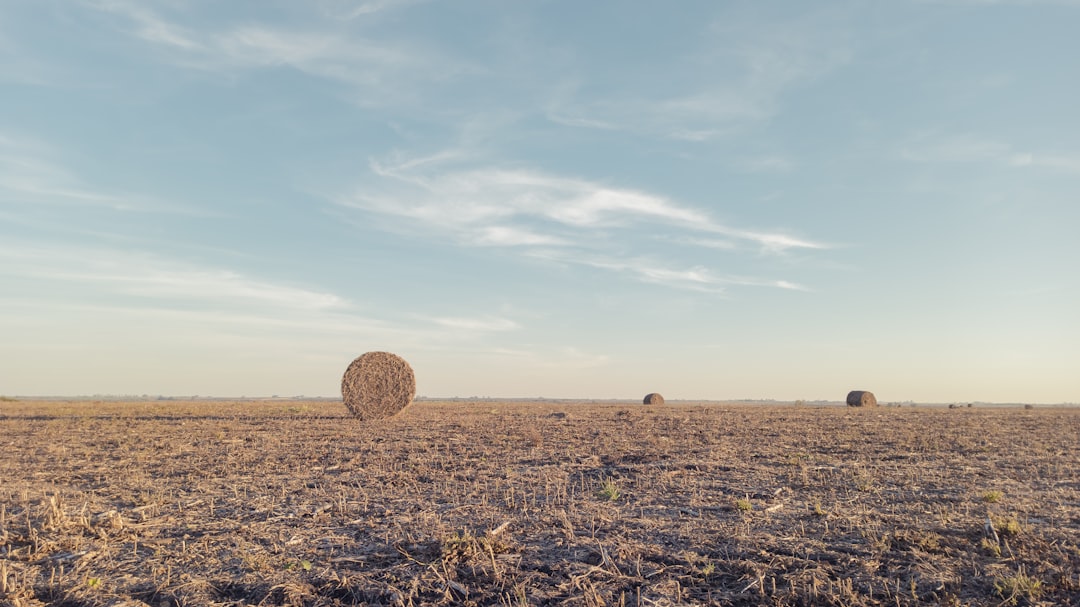
You’re standing on ground that feels as solid as rock, the value of your farmland a comforting anchor in a world of flux. For years, agricultural land has been seen as a safe haven, an investment impervious to the whims of stock markets and the volatility of other asset classes. Driven by factors ranging from a growing global population and increasing demand for food to low interest rates and a perceived hedge against inflation, farmland values have seen a significant and sustained appreciation. You’ve likely watched the numbers climb, perhaps even participated in the fervor, seeing it as a reliable pathway to long-term wealth. But as you move through the 2020s, a growing unease might be starting to surface. The very forces that propelled farmland prices upward are also laying the groundwork for a potential correction, a “farmland bubble burst” that could redefine the financial landscape for those invested in it. Understanding the risks, both apparent and hidden, is no longer optional; it’s a necessity for safeguarding your assets and your future.
The current valuation of farmland isn’t solely a reflection of its agricultural productivity. A complex interplay of economic forces has contributed to the inflating prices, and it’s crucial to dissect these to understand where vulnerabilities lie. You might have benefited from these trends, but they also carry inherent risks that cannot be ignored.
The Role of Low Interest Rates and Easy Credit
For an extended period, interest rates remained at historically low levels. This environment made borrowing incredibly cheap, enabling investors, both large and small, to leverage their purchases of farmland. You might have taken advantage of this, acquiring more land than you otherwise could have. However, this easy access to credit also fueled demand and pushed prices higher, decoupling them from fundamental agricultural economics in some instances. As interest rates begin their upward trajectory, the cost of borrowing increases, impacting the profitability of leveraged farmland investments. This can lead to a domino effect, as highly indebted landowners face increased pressure to sell to service their debts, thereby increasing supply and putting downward pressure on prices.
Inflationary Hopes and the Search for Tangible Assets
In periods of rising inflation, tangible assets like farmland have often been perceived as a hedge. The logic is that while the purchasing power of currency diminishes, the value of land, a finite resource tied to essential production, tends to rise. You might have viewed your farmland as a safe harbor against eroding purchasing power. This perception, amplified by media narratives and investor sentiment, drove significant capital into the agricultural sector, further inflating land values. However, the effectiveness of farmland as an inflation hedge is not absolute and can be influenced by various factors, including the specific agricultural commodities being produced and the overall economic climate. An overheated inflationary environment can also lead central banks to implement aggressive monetary tightening, which, as mentioned, impacts borrowing costs and investor appetite for risk.
The Influence of Institutional Investors and Corporate Agribusiness
The 2020s have seen a marked increase in the activity of institutional investors, pension funds, and large agricultural corporations in the farmland market. These entities possess significant capital and often have longer investment horizons, allowing them to acquire vast tracts of land. You may have observed larger players entering your local market, driving up competition for acquisitions. While their presence can sometimes bring operational efficiencies and investment, it also fundamentally alters the supply and demand dynamics. Their exit or a shift in their investment strategy, perhaps driven by changing economic outlooks or regulatory pressures, could lead to a rapid increase in supply, overwhelming the market.
As concerns about the agricultural sector’s stability grow, many experts are warning about the potential for a farmland bubble burst in the 2020s. This situation is exacerbated by rising land prices and increasing interest rates, which could lead to a significant correction in the market. For a deeper understanding of the factors contributing to this risk, you can read a related article that explores the dynamics of farmland investment and its implications for investors. Check it out here: How Wealth Grows.
Shifting Agricultural Fundamentals: Beyond the Hype
While the economic factors have played a significant role in inflating farmland values, it’s essential to examine the underlying agricultural fundamentals. Are these fundamentals as robust as the rising land prices suggest, or are they masking weaknesses that will eventually surface? You might be focused on the immediate profitability of your crops, but the long-term viability of agricultural production is facing its own set of challenges.
Volatility in Commodity Prices
The price of agricultural commodities, the bedrock of farmland profitability, is inherently volatile. Factors such as global supply and demand, weather patterns, geopolitical events, and government policies can cause dramatic swings. You’ve likely experienced these fluctuations firsthand, impacting your revenue and your ability to service debt. While periods of high commodity prices can temporarily support higher land values, a sustained downturn in prices can quickly render expensive farmland uneconomical to operate. This can lead to a reassessment of land values, especially if the current prices are predicated on optimistic, unsustainable commodity price assumptions.
The Rising Cost of Inputs
The cost of essential agricultural inputs, including fertilizers, pesticides, fuel, and labor, has been on a steady upward trend. You’ve undoubtedly felt the pinch of these rising costs, impacting your margins. This is driven by a confluence of factors, including supply chain disruptions, increased global demand, and geopolitical influences on energy and raw material markets. As input costs continue to climb, the pressure on farm profitability intensifies. If commodity prices do not keep pace with these rising expenses, the net return on your land diminishes, making your investment less attractive and potentially leading to a downward revaluation.
Labor Shortages and Mechanization Challenges
Finding and retaining skilled agricultural labor is becoming increasingly challenging in many regions. You might be struggling with this issue, impacting your operational capacity. While mechanization offers a solution, it requires significant capital investment and may not be universally applicable to all farming operations or crop types. The growing reliance on expensive technology to offset labor shortages adds another layer of financial burden. If the cost of implementing and maintaining advanced machinery, combined with the scarcity of skilled operators, outpaces the returns, it can further strain the economic viability of agricultural enterprises and, consequently, the value of the land.
Environmental and Climate Risks: The Unforeseen Disruptors
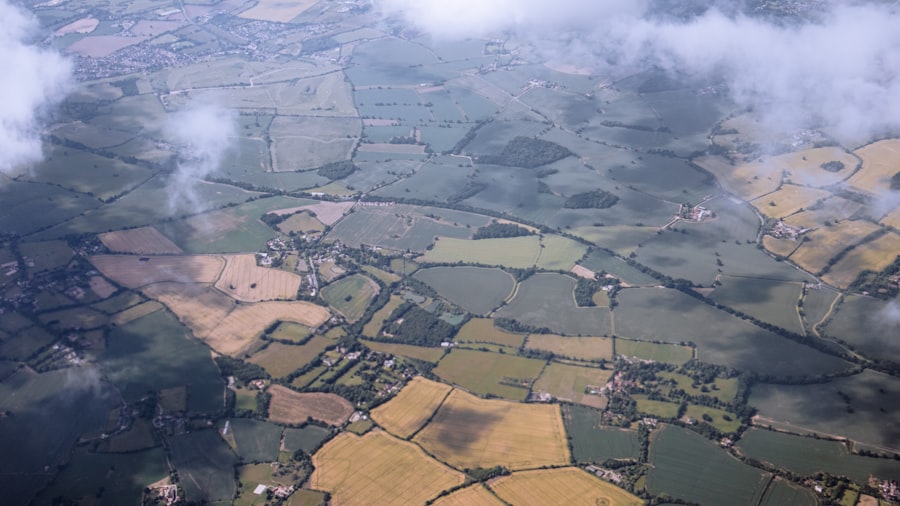
The environmental and climate landscape is undergoing rapid and often unpredictable changes. These shifts pose significant risks to agricultural productivity and, by extension, farmland values. You might have experienced firsthand the vagaries of weather, but the long-term implications are far more profound than just a single bad harvest.
Climate Change and Extreme Weather Events
The increasing frequency and intensity of extreme weather events – droughts, floods, heatwaves, and severe storms – are a direct threat to agricultural production. You might have faced crop losses due to unpredictable weather patterns. These events can decimate yields, damage infrastructure, and disrupt planting and harvesting cycles. The long-term impact of climate change suggests a future where such events become the norm rather than the exception, leading to increased uncertainty and potentially rendering some agricultural land unviable for current uses. Insurers are already recalibrating risk, and this will undoubtedly be reflected in farmland valuations that fail to account for these escalating environmental perils.
Water Scarcity and Resource Management
Access to reliable water sources is fundamental to agriculture. In many regions, water scarcity is becoming a critical issue, exacerbated by climate change and increased competition for resources from urban and industrial sectors. You might be facing restrictions on water usage or witnessing dwindling groundwater levels. This directly impacts your ability to irrigate crops and maintain yields. Land in areas with diminishing water resources will likely see a significant devaluation as its productive capacity is compromised. Effective water management strategies and the potential for long-term drought are factors that cannot be overlooked in assessing farmland value.
Soil Degradation and Biodiversity Loss
Unsustainable farming practices can lead to soil degradation, reducing fertility and increasing vulnerability to erosion. Similarly, the loss of biodiversity can disrupt natural pest control mechanisms and pollination. You might be employing practices that, over time, deplete soil health or rely heavily on external solutions. A decline in soil quality over the long term will necessitate increased input costs for farmers or result in lower yields, directly impacting profitability and thus the economic justification for high land values. Land that is highly degraded or located in areas with declining biodiversity will become less valuable.
Regulatory and Policy Shifts: Navigating the Labyrinth
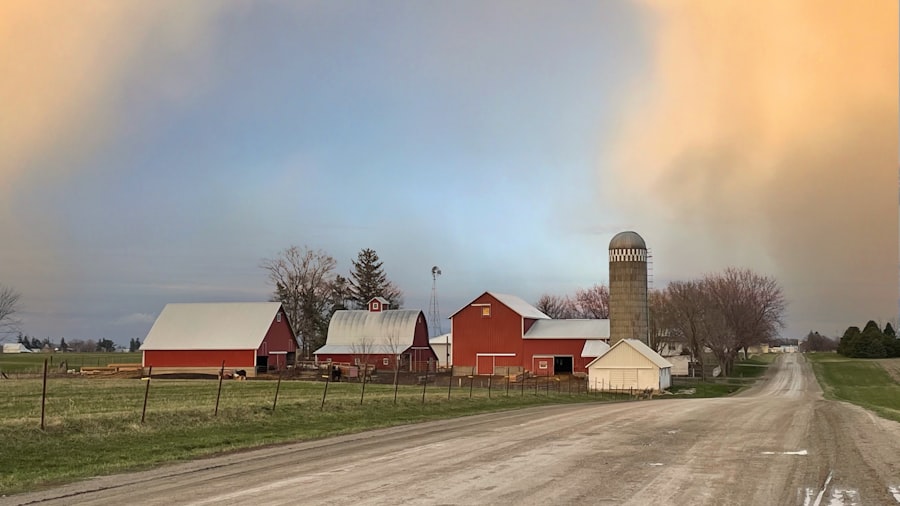
Government policies and regulations play a pivotal role in shaping the agricultural landscape. Changes in these areas can have swift and significant impacts on farmland values, creating both opportunities and risks. You operate within this regulatory framework, and its potential shifts demand your attention.
Environmental Regulations and Land Use Restrictions
Increasingly stringent environmental regulations, aimed at protecting water quality, reducing greenhouse gas emissions, and preserving habitats, can impact how farmland is managed and utilized. You might be facing new requirements for nutrient management, pesticide application, or land management practices. While these regulations are often in place for sound environmental reasons, they can increase operational costs, limit certain farming practices, and potentially reduce the economic productivity of the land. This can lead to a downward pressure on values, especially for land that requires significant adaptation to meet new standards.
Trade Policies and Market Access
International trade agreements, tariffs, and subsidies directly influence the competitiveness of agricultural products in global markets. You may be reliant on export markets for your produce. Shifts in trade policies, such as the imposition of tariffs or changes in access to key markets, can dramatically impact commodity prices and the demand for agricultural goods. A sudden contraction in export opportunities can lead to lower farm incomes, making formerly attractive farmland less valuable and potentially triggering a sell-off.
Subsidies and Agricultural Support Programs
Government subsidies and support programs have historically played a significant role in stabilizing farm incomes and influencing land values. You might be a beneficiary of these programs. However, changes in the structure, level, or duration of these programs can have a substantial impact. A reduction or elimination of subsidies could expose farmers to greater market volatility and reduce the overall profitability of farming operations, thereby affecting the underlying value of farmland. Furthermore, the expectation of continued government support can sometimes inflate land values beyond what is sustainable by market forces alone.
As concerns about the agricultural economy grow, many experts are warning of a potential farmland bubble burst in the 2020s. The rising prices of farmland, driven by factors such as low interest rates and increased demand for food production, have led to speculation that a correction may be on the horizon. For a deeper understanding of this issue, you can read more in this insightful article about the dynamics of farmland investment and its implications for the future. To explore this topic further, visit this article which delves into the risks and opportunities within the farmland market.
The Mechanics of a Potential Burst: How the Bubble Deflates
| Factors | Metrics |
|---|---|
| Farmland Prices | Historical price trends, price-to-income ratio |
| Interest Rates | Current and projected rates, impact on farmland investment |
| Government Policies | Regulations on farmland ownership, subsidies |
| Global Demand | Export/import trends, impact on farmland prices |
| Climate Change | Impact on crop yields, insurance costs |
Understanding the triggers and mechanisms of a potential farmland bubble burst is crucial for preparedness. It’s not a single event, but rather a confluence of factors that can lead to a rapid and substantial correction in values. Observing these dynamics can help you anticipate and mitigate potential losses.
Margin Compression and Reduced Profitability
The combination of rising input costs, volatile commodity prices, and potential increases in interest rates can lead to significant margin compression for farmers. You might be experiencing this squeeze on your profits. When the income generated from farming can no longer support the high land valuations, the market begins to reprice the asset. This reduction in profitability is a primary driver for a downward revision of farmland values.
Increased Foreclosures and Forced Selling
As profitability declines, especially for highly leveraged landowners, the risk of loan defaults and foreclosures increases. You might know of fellow farmers struggling to meet their debt obligations. A wave of forced selling, driven by financial distress, can flood the market with supply, overwhelming demand and leading to sharp price declines. This can create a ripple effect, as falling prices make it harder for other landowners to refinance their debts, further exacerbating the situation.
Shifting Investor Sentiment and Capital Flight
When the narrative surrounding farmland shifts from a guaranteed appreciation to one of risk and potential loss, investor sentiment can change dramatically. You might observe a cooling of interest from new buyers or a withdrawal of capital by existing investors, particularly institutional players. This capital flight, driven by fear or a search for better returns elsewhere, can accelerate a price correction as demand dries up.
The “Contagion Effect” from Other Asset Bubbles
The financial system is interconnected. A significant bubble burst in another major asset class, such as real estate or even the stock market, could create a broader economic downturn. This could lead to deleveraging across the economy, impacting all asset classes, including farmland. Furthermore, a general loss of confidence in the financial system can trigger a flight to safety, which might see investors selling less liquid assets like farmland to move into more secure, albeit potentially lower-returning, investments.
As you navigate the complexities of the 2020s, the idea of a “farmland bubble burst” should not be dismissed as mere speculation. The interwoven economic, agricultural, environmental, and regulatory factors present a compelling case for caution. Your understanding of these risks, and your proactive measures to mitigate them, will ultimately determine the resilience of your farmland investment in the face of potential market turbulence. The solid ground beneath your feet might be less immutable than it once seemed.
FAQs
What is a farmland bubble?
A farmland bubble refers to a situation where the prices of farmland are inflated beyond their true value due to speculation, excessive demand, or other market factors.
What are the factors contributing to the risk of a farmland bubble burst in the 2020s?
Several factors contribute to the risk of a farmland bubble burst in the 2020s, including low interest rates, high levels of debt in the agricultural sector, and potential changes in government policies related to agriculture and trade.
What are the potential consequences of a farmland bubble burst?
If a farmland bubble were to burst, it could lead to a significant decline in farmland prices, which could have negative impacts on farmers, lenders, and the overall agricultural economy. It could also lead to a decrease in agricultural land values and affect the financial stability of those who have invested in farmland.
How can the risk of a farmland bubble burst be mitigated?
To mitigate the risk of a farmland bubble burst, it is important for policymakers, lenders, and farmers to closely monitor farmland prices and assess the underlying factors driving those prices. Additionally, maintaining a sustainable level of debt and promoting responsible land use and investment practices can help mitigate the risk.
What are some potential indicators of a farmland bubble?
Some potential indicators of a farmland bubble include rapid increases in farmland prices, high levels of speculative investment in farmland, and significant increases in agricultural land values that are not supported by underlying agricultural productivity or market demand.