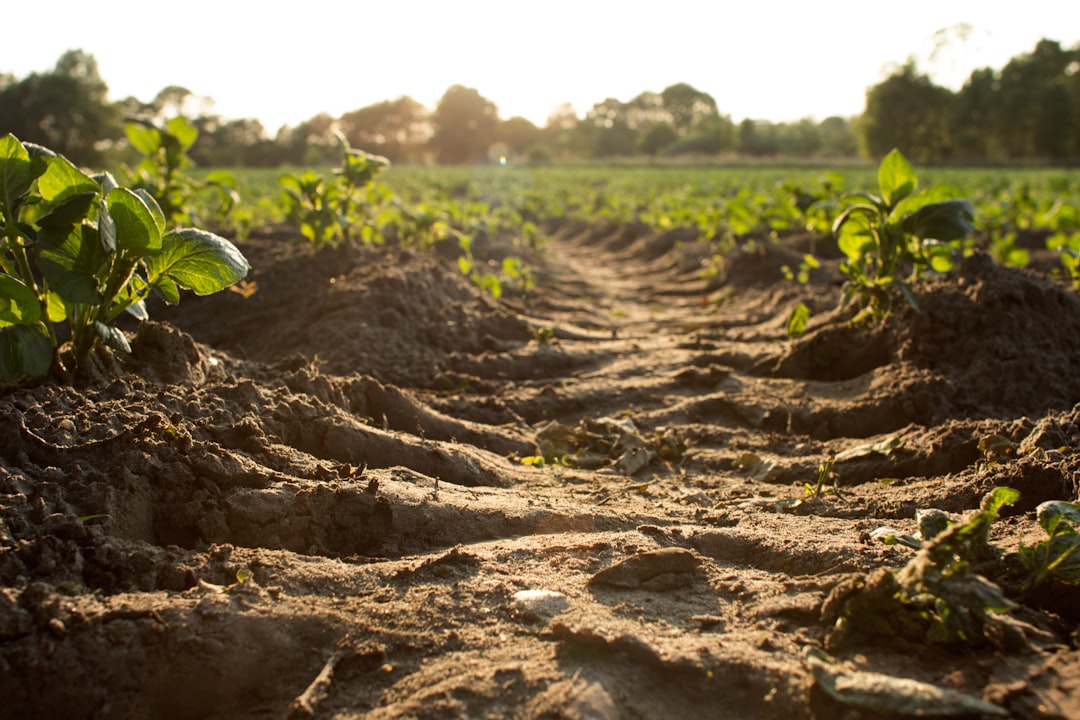
You’re familiar with the glitter of silicon, the gleam of polished steel, the towering edifices that traditionally signify immense wealth. For generations, the narrative of billionaire accumulation has revolved around technology, finance, and industry. But a subtler, more grounded shift is underway. The very earth beneath us, the soil that sustains life, is increasingly catching the eye of those with the deepest pockets. Farmland, once the domain of farmers and agrarians, is quietly becoming the new gold standard for the ultra-wealthy. This isn’t a fad; it’s a strategic pivot driven by a confluence of global pressures and the inherent, often overlooked, value of land.
This phenomenon isn’t just about individual billionaires acquiring sprawling estates. It’s about institutional investors, family offices, and sovereign wealth funds recognizing farmland as a tangible, essential asset class with defensive qualities and long-term growth potential. You might find yourself wondering why this particular resource, which has supported civilizations for millennia, is suddenly garnering such intense focus from the very top of the economic pyramid. The answer lies in a complex interplay of factors, from demographic changes to environmental anxieties, all of which are pushing investors to diversify their portfolios beyond traditional markets.
Underlying Drivers of the Farmland Acquisition Trend
Several powerful currents are converging to make farmland an attractive proposition for those with vast sums to invest. These aren’t fleeting trends but fundamental forces shaping the global economy and resource landscape. Understanding these drivers is key to grasping why you’re seeing headlines about billionaires investing in agricultural land.
The Growing Global Population: A Demand Surge on the Horizon
It’s a simple equation, really. More people means more mouths to feed. By 2050, the global population is projected to reach nearly 10 billion. This expansion translates directly into an escalating demand for food, fiber, and other agricultural products. For investors, this presents a clear, consistent, and ultimately inelastic demand curve.
The Inevitable Need for Sustenance and Material Production
This isn’t about niche markets or discretionary spending. Food is a necessity. As populations grow, particularly in emerging economies with rising middle classes, the per capita consumption of food increases, often with a shift towards more protein-rich diets and processed goods. This amplified demand creates a foundational investment thesis for agricultural land, decoupling it from the speculative ups and downs of other sectors.
Demographic Shifts in Urbanization and Rural Exodus
While cities continue to grow, drawing populations away from rural areas, this paradox doesn’t negate the need for food production. In fact, it amplifies it. Fewer hands on the land often mean increased reliance on larger, more efficient agricultural operations, often managed by professional entities rather than individual farmers. This trend can create opportunities for investors to acquire and professionalize land holdings.
The Impermanence of Other Assets: A Search for Tangible Value
In an era of volatile stock markets, uncertain geopolitical landscapes, and the increasingly digital nature of wealth, there’s a growing appeal for assets that are, quite literally, solid. Farmland fits this description perfectly. It’s not subject to the same algorithmic trading or intangible valuation methods that can whipsaw other investments.
Volatility in Traditional Financial Markets
You’ve seen it. Stock markets can plunge on a tweet or a rumor. Bonds can be affected by interest rate shifts. The digital assets that have captured imaginations can experience dramatic price swings. In this climate of uncertainty, tangible assets like land offer a perceived stability and a hedge against systemic financial risks.
The Erosion of Trust in Intangible Investments
As more of our wealth becomes tied to digital platforms, algorithms, and abstract financial instruments, there’s a subconscious pull towards physical, real-world assets. Farmland represents a direct connection to a fundamental economic activity – growth, yield, and sustenance – that is harder to manipulate or disappear overnight.
In recent years, farmland has emerged as a prime investment opportunity for billionaires, often being referred to as the new gold due to its potential for long-term appreciation and sustainable returns. A related article discusses the factors driving this trend, including the increasing global population and the rising demand for food, which make agricultural land an attractive asset. For more insights on this topic, you can read the article here: Why Farmland is the New Gold for Billionaires.
The Defensive Qualities of Farmland: A Safe Haven in Turbulent Times
Beyond its growth potential, farmland possesses a suite of defensive characteristics that make it particularly attractive to astute investors seeking to preserve capital. In times of economic uncertainty or geopolitical instability, certain assets tend to hold their value, or even appreciate, when others falter. Farmland is increasingly being recognized for these very qualities.
Inflation Hedging: An Intrinsic Value Proposition
One of the most compelling arguments for farmland as an investment is its historical performance as an inflation hedge. As the cost of goods and services rises, so too does the value of the commodities produced on the land. This inherent link to real-world production offers a powerful shield against the erosion of purchasing power.
The Link Between Agricultural Output and Consumer Prices
When inflation takes hold, the cost of everything from seeds and fertilizers to labor and transportation rises. These increased input costs are often passed on to consumers in the form of higher food prices. Farmland, as the source of these essential goods, sees its underlying value increase in parallel with these rising prices.
Commodity Prices as a Barometer of Inflation
The prices of agricultural commodities – grains, meats, dairy, fruits, and vegetables – are key components of inflation indices. As these prices climb, the revenue generated by farms increases, making the land that produces these goods more valuable. This direct correlation makes farmland a formidable hedge against an inflationary environment.
The Tangible Nature of the Asset as a Hedge
Unlike paper assets, farmland is a physical entity. It cannot be devalued by a sovereign debt crisis or a cryptocurrency hack. Its value is tied to its productive capacity and its location, making it a more resilient store of wealth.
Physical Scarcity and Limited Supply
Good agricultural land is not infinite. In many developed nations, prime farmland is a finite resource, often protected by zoning laws or simply unavailable for acquisition. This scarcity, coupled with growing demand, creates upward pressure on land values.
The Real-World Productivity of the Land
The inherent value of farmland lies in its ability to generate crops, raise livestock, or produce other agricultural outputs. This continuous stream of potential revenue, tied to a fundamental human need, provides a bedrock of value that is less susceptible to speculative bubbles.
Low Correlation with Other Asset Classes: Diversification Benefits
The power of diversification lies in spreading your risk across different types of investments that don’t move in perfect sync. Farmland’s performance often treads a different path than stocks, bonds, or real estate, making it a valuable addition to a well-balanced portfolio. If one sector is experiencing a downturn, another might be holding steady or even advancing.
Historical Performance Data as Evidence
Studies and historical data often show that farmland’s returns are not strongly correlated with traditional financial markets. This means that when the stock market is in decline, farmland may be experiencing its own independent cycle of growth or stability.
The Agricultural Cycle vs. The Financial Cycle
The drivers of agricultural production – weather, crop yields, global demand for food – operate on different timelines and are influenced by different factors than the drivers of stock prices, which can be swayed by economic indicators, corporate earnings, or investor sentiment. This divergence is precisely what makes farmland such a powerful diversification tool.
Strategic Portfolio Allocation for Risk Mitigation
For sophisticated investors, the inclusion of farmland is not merely about picking another asset. It’s a deliberate strategy to reduce overall portfolio volatility and introduce a component that behaves differently from the rest of their holdings.
Reducing Overall Portfolio Risk Profile
By adding an asset that is less correlated with existing investments, you inherently reduce the potential for simultaneous losses across your entire portfolio. This can lead to more stable and predictable long-term returns, even if the magnitude of individual gains might be smaller in some periods.
Enhanced Long-Term Capital Appreciation Through Diversification
While individual asset classes may rise and fall, a well-diversified portfolio, including assets like farmland, can achieve more consistent and robust long-term capital appreciation. The interplay of different return drivers can smooth out the ride and enhance overall growth.
The Mechanics of Billionaire Farming: How the Wealthy Acquire and Manage Farmland
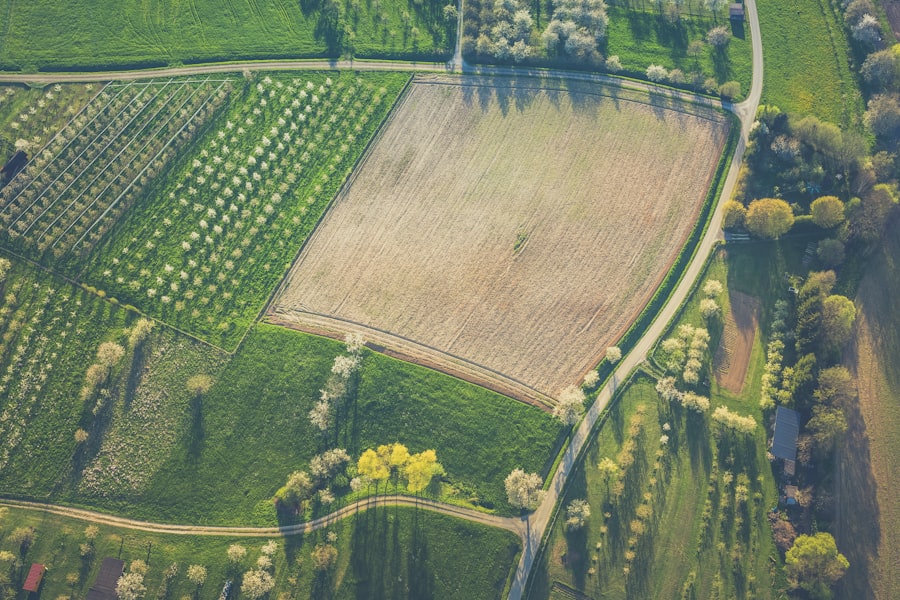
The acquisition of farmland by billionaires is not typically a“mom and pop” operation. It involves sophisticated financial structures, professional management, and a long-term perspective. You’re not likely to see a billionaire personally tilling the soil, but rather orchestrating complex investment strategies.
Investment Vehicles and Structures: The Sophisticated Approach
Billionaires rarely buy farmland directly with personal funds in the same way an individual might buy a house. They utilize specialized investment vehicles designed for large-scale acquisitions and professional management.
Agribusiness Funds and Private Equity Investments
Many billionaires invest through specialized agribusiness funds or private equity firms that focus exclusively on agricultural assets. These funds pool capital from multiple investors, allowing for larger acquisitions and economies of scale in management and operations.
Harnessing Expertise and Economies of Scale
These funds employ professionals with deep expertise in agriculture, land management, and commodity markets. This allows them to make informed decisions about land acquisition, crop selection, operational efficiency, and risk management, far beyond the capabilities of an individual investor.
Professional Farm Management Companies
The actual day-to-day operations of the farmland are often outsourced to professional farm management companies. These companies handle everything from planting and harvesting to equipment maintenance and regulatory compliance, ensuring the land is operated profitably and sustainably.
Family Offices and Sovereign Wealth Funds
The family offices of ultra-high-net-worth individuals and large sovereign wealth funds are also significant players in farmland acquisition. They manage vast pools of capital with a mandate to preserve and grow wealth over generations, making long-term, stable assets like farmland highly attractive.
Long-Term Investment Horizons and Capital Preservation
Unlike some hedge funds that focus on short-term gains, family offices and sovereign wealth funds typically have investment horizons spanning decades, if not centuries. This long-term perspective aligns perfectly with the nature of farmland as a generational asset.
Diversification of National Reserves and Endowments
For sovereign wealth funds, farmland represents an opportunity to diversify national reserves away from liquid assets and into tangible resources that can provide long-term economic stability and security.
Operational Models and Value Creation: Beyond Simple Ownership
Simply owning land is only part of the equation. Billionaires and their associated investment entities are often actively involved in optimizing the productivity and profitability of their farmland holdings.
Strategic Crop Selection and Diversification
Instead of planting the same crops year after year, sophisticated investors often employ data analytics and market intelligence to select crops with the highest potential for profitability and demand, considering local climate conditions and global market trends.
Maximizing Yields and Market Demand
This involves investing in high-yield seed varieties, adopting advanced farming techniques, and ensuring that production aligns with current and projected market demand for specific commodities.
Technological Integration for Enhanced Productivity
Precision agriculture, drone technology, soil sensors, and data analytics are increasingly employed to optimize irrigation, fertilization, and pest control, leading to higher yields and reduced waste.
Vertical Integration and Supply Chain Control
Some large-scale farmland investors are exploring vertical integration, extending their operations beyond the farm gate into processing, distribution, and even retail. This allows them to capture more of the value chain and reduce reliance on external intermediaries.
Capturing Value Across the Agricultural Supply Chain
By controlling more stages of the production and distribution process, investors can potentially achieve higher profit margins and gain greater control over the quality and availability of their products.
Investing in Infrastructure and Logistics
This can involve building or acquiring processing facilities, storage solutions, and transportation networks to ensure efficient delivery of agricultural products to market.
The Ethical and Environmental Considerations: A Responsible Approach to Land Ownership
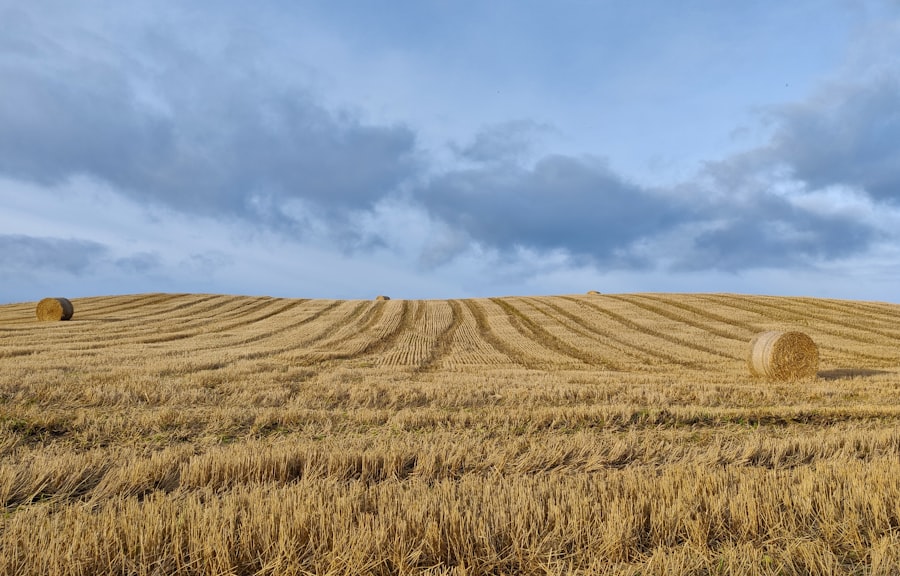
As the scale of farmland acquisition by large entities grows, so do the questions surrounding the ethical and environmental implications. You can’t separate the act of owning vast tracts of land from its impact on local communities and the planet. It’s a crucial aspect of this new gold rush that warrants careful consideration.
Sustainable Agricultural Practices: Preserving the Land for Future Generations
The long-term value of farmland is inextricably linked to its ability to remain productive. Responsible investors are increasingly recognizing the importance of sustainable practices not just for environmental reasons, but also for economic sustainability.
Soil Health and Biodiversity Preservation
Practices such as crop rotation, cover cropping, and reduced tillage help to maintain and improve soil health, prevent erosion, and support biodiversity. These are not just environmental niceties; they are essential for long-term agricultural productivity.
Minimizing Soil Erosion and Degradation
Over-farming and poor land management can lead to irreversible soil degradation. Sustainable practices aim to reverse this trend, ensuring the land remains fertile for decades to come.
Promoting Healthy Ecosystems and Biological Control
Investing in practices that support natural ecosystems can reduce the need for chemical pesticides and fertilizers, benefiting both the environment and the long-term health of the crops.
Water Management and Conservation
Efficient water use is critical, especially in increasingly arid regions. This involves investing in modern irrigation technologies and water-saving techniques.
Efficient Irrigation Techniques
Drip irrigation, for example, delivers water directly to the plant roots, minimizing evaporation and water waste compared to traditional methods.
Protecting Water Resources from Pollution
Sustainable practices also focus on preventing agricultural runoff from polluting local water sources, ensuring the availability of clean water for both human consumption and ecological health.
Social Impact and Community Relations: Being a Good Steward of the Land
The acquisition of large farmland holdings can have significant social impacts on rural communities. Responsible investors are increasingly aware of the need to engage constructively with these communities and to operate in a way that benefits all stakeholders.
Fair Labor Practices and Worker Welfare
Ensuring fair wages, safe working conditions, and benefits for agricultural workers is not only an ethical imperative but also contributes to a stable and motivated workforce.
Ensuring Dignified and Equitable Employment
This involves adhering to labor laws, providing adequate training, and fostering a respectful work environment.
Investing in Local Communities and Infrastructure
Some large landowners are investing in local infrastructure, schools, or healthcare facilities, becoming positive contributors to the economic and social fabric of the regions where they operate.
Land Use and Access: Navigating Local Needs and Regulations
The decision of how to use vast tracts of land can impact local ecosystems, wildlife habitats, and the traditional livelihoods of smaller farmers. Careful consideration of these factors, along with adherence to local zoning and environmental regulations, is essential.
Balancing Development with Conservation Efforts
Large-scale agricultural operations need to be carefully planned to minimize their impact on surrounding natural environments and to ensure they are not displacing existing biodiversity.
Collaborating with Local Stakeholders and Governments
Open communication and collaboration with local communities, environmental groups, and government agencies are crucial for navigating complex land-use issues and ensuring that development is sustainable and mutually beneficial.
As billionaires increasingly turn their attention to agriculture, many are recognizing that farmland is becoming the new gold. This shift is driven by a combination of rising food demand, climate change, and the potential for sustainable investments. For a deeper understanding of how wealth is evolving in this sector, you can explore a related article that delves into the reasons behind this trend. The insights provided in this piece highlight the strategic moves made by wealthy individuals and the implications for the future of food production. To read more about this phenomenon, visit How Wealth Grows.
The Future Horizon: What’s Next for Billionaires and Farmland?
| Reasons | Explanation |
|---|---|
| Stable Investment | Farmland provides a stable and reliable investment option for billionaires due to its consistent demand and limited supply. |
| Portfolio Diversification | Billionaires are diversifying their investment portfolios by including farmland, which acts as a hedge against market volatility. |
| Long-Term Value | Farmland has the potential for long-term appreciation, making it an attractive asset for billionaires looking to preserve and grow their wealth. |
| Income Generation | Farmland can generate income through agricultural activities such as crop production, livestock farming, and leasing to farmers. |
| Environmental Impact | Investing in farmland allows billionaires to contribute to sustainable agriculture and environmental conservation efforts. |
The trend of billionaires investing in farmland is not likely to abate anytime soon. As global demographics continue to shift and the importance of food security becomes even more pronounced, land will remain a fundamental asset. The question for you, as an observer of this economic shift, is not if it will continue, but how it will evolve.
Technological Advancements Shaping Agricultural Investments
The integration of technology into agriculture is accelerating, and this will undoubtedly shape how billionaires approach farmland investments in the future. Think beyond traditional farming methods.
The Rise of Agri-Tech and Precision Farming
You’re already seeing it. Drones for surveillance, sensors for soil analysis, AI for yield prediction. These technologies are not only increasing efficiency but also generating vast amounts of data that can inform even more sophisticated investment decisions.
Data-Driven Decision Making and Optimization
The ability to collect and analyze granular data on every aspect of the farming process allows for unprecedented levels of optimization, leading to higher yields and reduced costs.
Robotics and Automation in Agriculture
The labor-intensive nature of farming is being addressed by increasing automation, from autonomous tractors to robotic harvesters, which can operate continuously and efficiently.
Biotechnology and Genetic Improvement
Advancements in genetics and biotechnology offer the potential to develop crops that are more resilient to climate change, disease, and pests, further enhancing the profitability and sustainability of farmland investments.
Developing Climate-Resilient and High-Yielding Crops
The ability to engineer crops that can thrive in challenging environments, or produce higher yields with fewer resources, is a game-changer for agricultural productivity.
Reducing Reliance on Chemical Inputs
Biotechnology can also lead to crops that are naturally more resistant to pests and diseases, reducing the need for chemical pesticides and herbicides.
The Continued Scrutiny and Regulation of Large-Scale Land Ownership
As the scale of investment grows, so too will the scrutiny. Governments and the public will likely demand greater transparency and accountability from large landowners.
Policy Implications and Land Use Regulations
You can expect to see more debate around land ownership, foreign investment in agricultural land, and regulations aimed at ensuring food security and preventing land speculation.
Ensuring National Food Security and Self-Sufficiency
Many governments are increasingly focused on ensuring their own nations can produce enough food, which may lead to policies that favor domestic ownership or investment in strategic agricultural areas.
The Debate Around Concentrated Land Ownership
Concerns about market power, the impact on smaller farmers, and the equitable distribution of resources may lead to greater regulation of the extent of land that can be controlled by a single entity.
Public Perception and Corporate Social Responsibility
Ultimately, the long-term success of any investment, especially one as visible as farmland, depends on public acceptance. Billionaires and their investment entities will need to demonstrate a commitment to responsible land stewardship and community engagement.
Building Trust Through Transparency and Ethical Practices
Demonstrating a commitment to environmental sustainability, fair labor, and positive community impact will be crucial for maintaining a favorable public image.
The Importance of Being a Good Neighbor and Steward
Farmland is not just a business asset; it’s a living resource interwoven with local economies and ecosystems. Operating as a responsible and engaged member of the agricultural landscape will be paramount.
FAQs
1. Why are billionaires investing in farmland?
Billionaires are investing in farmland due to its potential for long-term growth and stability. Farmland is seen as a tangible asset that can provide a hedge against inflation and economic uncertainty.
2. How are billionaires acquiring farmland?
Billionaires are acquiring farmland through various means, including direct purchases, partnerships with agricultural companies, and investment in farmland-focused funds. Some are also buying up large tracts of farmland in different regions.
3. What are the benefits of investing in farmland for billionaires?
Investing in farmland offers billionaires the potential for steady income from agricultural production, as well as the opportunity for land appreciation over time. Farmland also provides diversification for their investment portfolios.
4. Are there any concerns or criticisms about billionaires investing in farmland?
Some concerns and criticisms about billionaires investing in farmland include potential impacts on local communities, environmental sustainability, and the consolidation of agricultural land ownership.
5. How does the trend of billionaires investing in farmland impact the agricultural industry?
The trend of billionaires investing in farmland can impact the agricultural industry by influencing land prices, shaping agricultural practices, and potentially leading to changes in land use and ownership patterns.