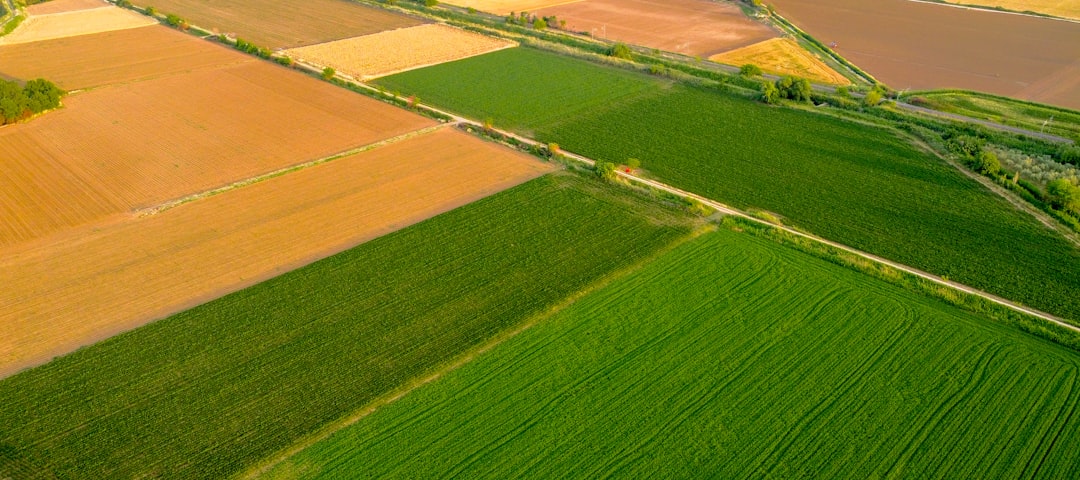
You’re likely aware that a significant shift is happening in the agricultural landscape. Beyond the traditional image of family farms, a new player is increasingly entering the scene: institutional investors. And their interest isn’t solely in the land itself, but in its most precious and increasingly scarce resource – water. This growing acquisition of farmland, explicitly for its associated water rights, is a trend with profound implications, touching upon food security, environmental sustainability, and the very definition of land ownership.
The allure of farmland as an investment asset is not entirely new. Historically, it has been viewed as a tangible asset with potential for appreciation and a hedge against inflation. However, the scale and nature of current investor involvement are undergoing a transformation. Private equity firms, pension funds, sovereign wealth funds, and other large institutional bodies are allocating substantial capital to acquire agricultural land. This isn’t simply a passive investment; it’s often a strategic move to control not just the soil, but the hydrological resources upon which its productivity depends.
The Rise of Agribusiness as a Financial Sector
For decades, agribusiness was largely the domain of farmers and food processors. Now, you see it increasingly integrated into the broader financial sector. Investment banks are creating specialized funds dedicated to agricultural assets, and these funds are actively seeking out opportunities that offer attractive risk-adjusted returns. This influx of capital, while potentially bringing efficiency and modernization, also introduces new dynamics into the rural economy and resource management.
Beyond Crop Yields: The Water Premium
You might initially assume investors are drawn to fertile land that guarantees high crop yields. While that’s a factor, the real game-changer is often the water rights attached to that land. In many arid and semi-arid regions, water is the bottleneck for agricultural production. Owning land with secure, long-term water access, whether through surface water allocations or groundwater rights, has become a primary driver of investment decisions. This is especially true in areas facing increasing water scarcity due to climate change, population growth, and competing demands from urban centers and industry.
Institutional investors are increasingly turning their attention to farmland, not just for agricultural production but also for the valuable water rights associated with these properties. This trend is highlighted in a related article that discusses the implications of such investments on both the agricultural sector and water resource management. For more insights on this topic, you can read the article here: How Wealth Grows.
The Strategic Acquisition of Water Entitlements
Institutional investors are not just buying dirt; they are meticulously identifying and acquiring parcels of land that come with valuable water rights. These rights can be complex, governed by a patchwork of state and federal laws, and can take various forms, from direct diversions from rivers and lakes to permits for groundwater pumping. The ability to control and allocate this water is becoming the central theme of these acquisitions.
Understanding Water Rights: A Complex Legal Landscape
For you, the average consumer or observer, understanding water rights can be akin to navigating a legal labyrinth. Water law varies dramatically by region. In some Western U.S. states, for instance, water rights are based on the “prior appropriation” doctrine – “first in time, first in right.” This means whoever began diverting water first has the senior right. In other areas, riparian rights prevail, granting landowners along waterways a right to reasonable use. Institutional investors dedicate significant resources to understanding these nuances, as they directly impact the value and security of their water assets.
Surface Water Diversions: Navigating State Allocations
When you think of water for agriculture, you might picture canals and diversions from rivers. Institutional investors are keen on land with established surface water rights, which are often allocated by state water management agencies. These allocations can be based on historical usage, land irrigated, or other criteria. Investors analyze these allocations for their reliability, the priority of the rights, and any potential for increased allocation or transfer.
Groundwater Pumping: The Unseen Reservoir
Groundwater is a critical resource, particularly in regions where surface water is scarce or unreliable. Institutional investors are acquiring land with established groundwater rights, which typically involve permits for pumping from underground aquifers. The sustainability of these rights is a growing concern, as over-extraction can lead to declining water tables, land subsidence, and saltwater intrusion in coastal areas. Investors are increasingly factoring in the long-term viability and regulatory risks associated with groundwater pumping.
The Economics of Water Value
Water itself is becoming a recognized financial commodity, even if it’s not directly traded on an exchange like oil or gold. The value of water rights is intrinsically linked to the agricultural output they enable and the growing scarcity of the resource. Investors are essentially buying future agricultural productivity by securing water access. They analyze the cost of acquiring water rights, the associated operational costs, and the potential revenue generated from irrigated crops.
Water as a Scarce Commodity: Driving Investment Decisions
You can witness the increasing value of water through its impact on land prices. Land with abundant and secure water rights commands a premium. Investors are willing to pay more for land that offers a reliable water supply, recognizing that it provides a competitive advantage and reduces operational risks, especially during drought years. This premium is a clear indicator of water’s growing importance in agricultural investment strategies.
The Potential for Water Leasing and Trading
In some jurisdictions, water rights can be leased or traded. This opens up further avenues for institutional investors to generate returns. They might acquire land with surplus water rights and lease them to other farmers or entities that have a greater need. Conversely, they might purchase land with sufficient water for their immediate needs and retain the option to sell or lease excess rights in the future, further capitalizing on water’s strategic value.
Implications for Agriculture and Food Security
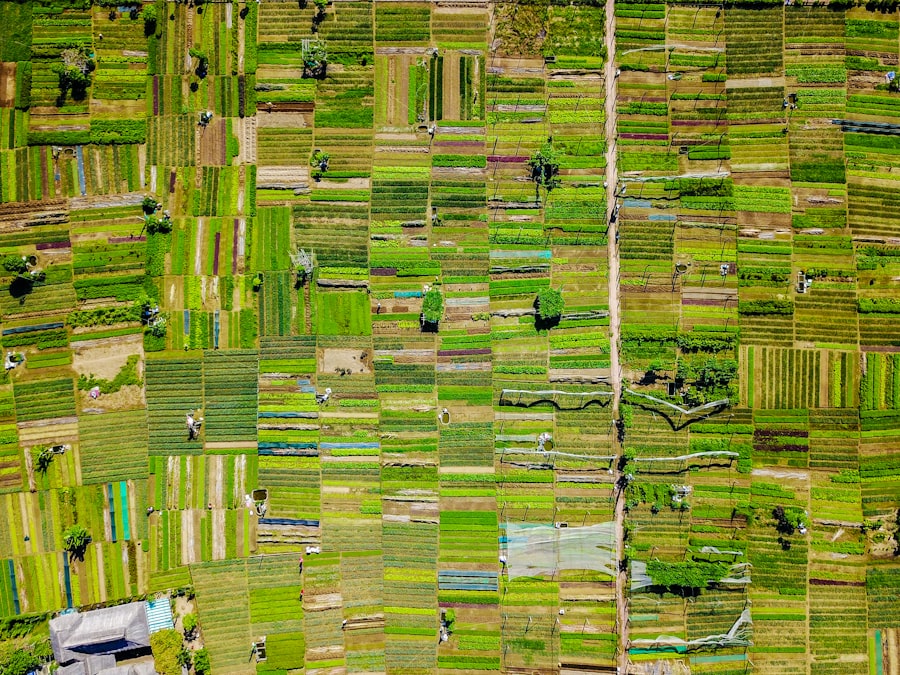
The influx of institutional capital into farmland and water rights raises significant questions about the future of agriculture and, by extension, global food security. While investment can bring modernization and efficiency, the consolidation of water resources under the control of a few large entities can have broader consequences.
The Concentration of Resource Control
A primary concern for you, as a consumer and citizen, is the potential for increased concentration of control over a vital resource. When a few large investment firms control vast tracts of farmland and, crucially, the water rights associated with them, it can shift bargaining power away from individual farmers and communities. This concentration can have implications for local economies, farmer livelihoods, and the diversity of agricultural practices.
Impact on Small and Medium-Sized Farms
You might observe how this trend could impact smaller, family-owned farms. If large institutional investors can outbid them for land with critical water allocations, it could make it more difficult for these farms to acquire or retain the resources they need to operate. This could lead to further consolidation in the agricultural sector and a potential decline in the number of independent agricultural producers.
Rural Community Dynamics
The presence of large institutional landowners can also alter the social and economic fabric of rural communities. Decisions made by distant investment firms may not always align with the long-term interests of local residents or the ecological health of the region. This can lead to tensions and debates about resource management and community development.
The Question of Water Allocation and Equity
As water becomes more scarce, the question of how it is allocated becomes increasingly important. Institutional investors, with their financial resources and legal expertise, are well-positioned to secure water rights. This raises concerns about equitable access to water for various users, including small farmers, rural households, and environmental needs.
Competing Demands for Water Resources
You are already seeing the competition for water. Agriculture is a major consumer, but so are growing urban populations, industrial processes, and the need to maintain environmental flows in rivers and wetlands. When institutional investors prioritize agricultural water rights for maximum economic return, it can exacerbate these existing tensions and lead to difficult trade-offs in water allocation decisions.
The Role of Government and Regulation
The ability of institutional investors to acquire and control water rights is directly shaped by government policies and regulations. You might find yourself asking whether current regulatory frameworks are adequate to ensure equitable access to water and to prevent the undue concentration of this vital resource. The effectiveness of water management agencies and the enforcement of water laws are crucial in navigating these challenges.
Opportunities for Modernization and Efficiency

It’s important to acknowledge that institutional investment isn’t inherently negative. The capital injected by these investors can bring about significant modernization and efficiency improvements in agricultural practices, which could ultimately benefit consumers and the environment.
Technological Advancements and Innovation
You may see institutional investors investing in advanced irrigation technologies, precision agriculture techniques, and data analytics to optimize water usage. This can lead to more efficient water application, reduced waste, and potentially higher yields with less water. The drive for profitability can spur innovation that benefits the entire agricultural sector.
Precision Irrigation and Water Management Systems
These investors often have the resources to implement state-of-the-art irrigation systems, such as drip irrigation and micro-sprinklers, which deliver water directly to plant roots, minimizing evaporation and runoff. They also have the capacity to invest in sophisticated water management systems that use sensors and data to monitor soil moisture, weather patterns, and crop needs, allowing for highly targeted water application.
Data Analytics and Farm Management Software
The use of data analytics and advanced farm management software is another area where institutional investors can drive efficiency. By collecting and analyzing vast amounts of data on crop performance, weather, and resource usage, investors can identify areas for improvement, optimize planting and harvesting schedules, and make more informed decisions about water allocation, ultimately leading to more sustainable and productive farming operations.
Economies of Scale and Professional Management
Large-scale operations, often managed by investment firms, can benefit from economies of scale. This can translate into lower per-unit costs for inputs, better access to markets, and more professional management expertise. This can lead to increased productivity and potentially more stable food supplies.
Streamlined Supply Chains and Market Access
Institutional investors can leverage their size and resources to negotiate better terms with suppliers and gain preferential access to markets. This can lead to more efficient supply chains, reduced food loss, and potentially more consistent availability of agricultural products for consumers.
Professional Expertise in Agribusiness
These investors often bring in teams of experienced professionals with expertise in agronomy, finance, and operations. This professional management can lead to more data-driven decision-making, optimized resource allocation, and improved overall farm performance compared to less professionally managed operations.
Institutional investors are increasingly turning their attention to farmland, not just for agricultural production but also for the valuable water rights associated with these properties. This trend reflects a growing recognition of water as a critical resource in the face of climate change and increasing demand. A related article discusses how these investments are reshaping the agricultural landscape and highlights the potential benefits and risks involved. For more insights on this topic, you can read the full article here.
The Environmental Footprint: A Double-Edged Sword
| Year | Number of Institutional Investors | Total Farmland Acquired (acres) | Water Rights Obtained (acre-feet) |
|---|---|---|---|
| 2015 | 10 | 50,000 | 100,000 |
| 2016 | 15 | 75,000 | 150,000 |
| 2017 | 20 | 100,000 | 200,000 |
The environmental implications of institutional investors acquiring farmland for water rights are complex and warrant careful consideration. While some investments might lead to more sustainable practices, others could exacerbate existing environmental challenges.
Water Scarcity and Aquifer Depletion
You’ve likely heard about the growing issue of water scarcity. When large-scale agricultural operations, backed by institutional capital, significantly increase water extraction for irrigation, it can place immense strain on already stressed water resources, particularly in arid and semi-arid regions. This is especially concerning for groundwater aquifers, which can be depleted much faster than they can be replenished.
Long-Term Sustainability of Water Basins
The sustained withdrawal of water by large agricultural entities without adequate consideration for replenishment can lead to long-term ecological damage. This includes the drying up of rivers, the degradation of wetlands, and the loss of vital habitats for wildlife. You might wonder if these investors are taking a long-term view of water basin sustainability or simply maximizing short-term profit.
The Risk of Land Subsidence and Saltwater Intrusion
Over-pumping of groundwater can cause the land above the aquifer to compact and sink, a phenomenon known as land subsidence. In coastal areas, this can also lead to saltwater intrusion into freshwater aquifers, rendering them unusable for drinking water and agriculture. These are significant environmental consequences that can have lasting impacts on communities and ecosystems.
Land Use Change and Biodiversity Loss
The conversion of land for large-scale agricultural operations, especially those focused on maximizing water usage for monoculture crops, can have significant impacts on biodiversity. You may see the clearing of natural habitats to make way for vast fields, leading to the displacement of wildlife and the loss of valuable ecosystems.
Monoculture Farming and Soil Health
The drive for efficiency and high yields can sometimes lead to monoculture farming practices, where a single crop is planted year after year. This can deplete soil nutrients, increase reliance on synthetic fertilizers and pesticides, and reduce the overall resilience of the agricultural system. It also can lead to a loss of the diverse microbial life that is essential for healthy soil.
Habitat Fragmentation and Ecosystem Disruption
When large tracts of land are converted for agriculture, it can lead to habitat fragmentation, breaking up natural ecosystems into smaller, isolated patches. This makes it more difficult for wildlife to move, find food, and reproduce, leading to a decline in biodiversity. The disruption of natural water cycles and drainage patterns can also have cascading effects on surrounding ecosystems.
Navigating the Future: Regulation, Transparency, and Collaboration
The increasing influence of institutional investors in farmland and water rights presents a complex challenge that requires careful consideration and proactive solutions. Simply allowing market forces to dictate the future of these vital resources may not serve the broader public interest.
The Need for Enhanced Regulatory Oversight
You might be asking if current regulations are sufficient to address the growing trend. Strengthening regulatory frameworks around water rights allocation and farmland acquisition is crucial. This could involve more stringent environmental impact assessments, limits on the concentration of water rights held by any single entity, and greater transparency in financial transactions related to agricultural land.
Reforming Water Allocation Policies
Water allocation policies, particularly in regions facing scarcity, need to be reviewed and potentially reformed to ensure equitable distribution among various stakeholders, including agriculture, urban users, and environmental needs. This might involve re-evaluating historical water rights in light of current conditions and future projections.
Transparency in Land Ownership and Water Rights
Increasing transparency in who owns arable land and, crucially, who controls water rights is essential. Publicly accessible registries of land ownership and water rights could allow for greater scrutiny and accountability, helping to identify potential issues of market concentration or environmental risk.
Promoting Sustainable Practices Through Incentives and Education
Beyond regulation, you might see a role for incentives and education to encourage institutional investors and other large landowners to adopt more sustainable practices. This could involve tax incentives for water conservation, grants for investing in renewable energy on farms, and educational programs on best practices for soil health and biodiversity.
Incentivizing Water Conservation and Efficiency
Governments and industry bodies can collaborate to create financial incentives for investors who prioritize water conservation and efficiency. This could include grants, low-interest loans, or tax breaks for adopting advanced irrigation technologies, improving water storage capacity, and participating in voluntary water-saving programs.
Supporting Research and Development in Sustainable Agriculture
Investment in research and development of sustainable agricultural practices is vital. This includes exploring drought-resistant crops, innovative soil management techniques, and alternative water sources. Institutional investors can be encouraged to partner with research institutions and contribute to the advancement of these technologies and practices.
The Importance of Stakeholder Collaboration
Ultimately, addressing the implications of institutional investors acquiring farmland for water rights will require collaboration among a wide range of stakeholders. This includes farmers, investors, policymakers, environmental groups, and community representatives. Open dialogue and a willingness to find common ground are essential to ensure that the future of agriculture is both productive and sustainable for all.
Empowering Local Communities and Farmers
Ensuring that local communities and individual farmers have a voice in decisions that impact their land and water resources is paramount. This can involve establishing community advisory boards, supporting farmer cooperatives, and providing legal and technical assistance to help them navigate complex land and water rights issues.
Fostering Public-Private Partnerships
The challenges and opportunities presented by institutional investment in agriculture are too significant to be addressed by any single sector alone. Fostering effective public-private partnerships can bring together the resources and expertise of both government and private entities to develop innovative solutions for sustainable resource management, rural economic development, and long-term food security.
FAQs
What are institutional investors?
Institutional investors are organizations that invest large sums of money on behalf of others, such as pension funds, insurance companies, and endowments.
Why are institutional investors buying farmland for water rights?
Institutional investors are buying farmland for water rights as a way to secure access to water resources, which are becoming increasingly valuable due to scarcity and climate change.
How does buying farmland give institutional investors access to water rights?
When institutional investors purchase farmland, they also gain access to the water rights associated with that land. This allows them to control and use the water for agricultural or other purposes.
What are the potential impacts of institutional investors buying farmland for water rights?
The potential impacts of institutional investors buying farmland for water rights include increased competition for water resources, potential displacement of local farmers, and concerns about the commodification of water.
Are there regulations in place to monitor institutional investors’ acquisition of farmland for water rights?
Regulations regarding institutional investors’ acquisition of farmland for water rights vary by region. Some areas have implemented restrictions or oversight to monitor and regulate these transactions, while others have more lenient policies.