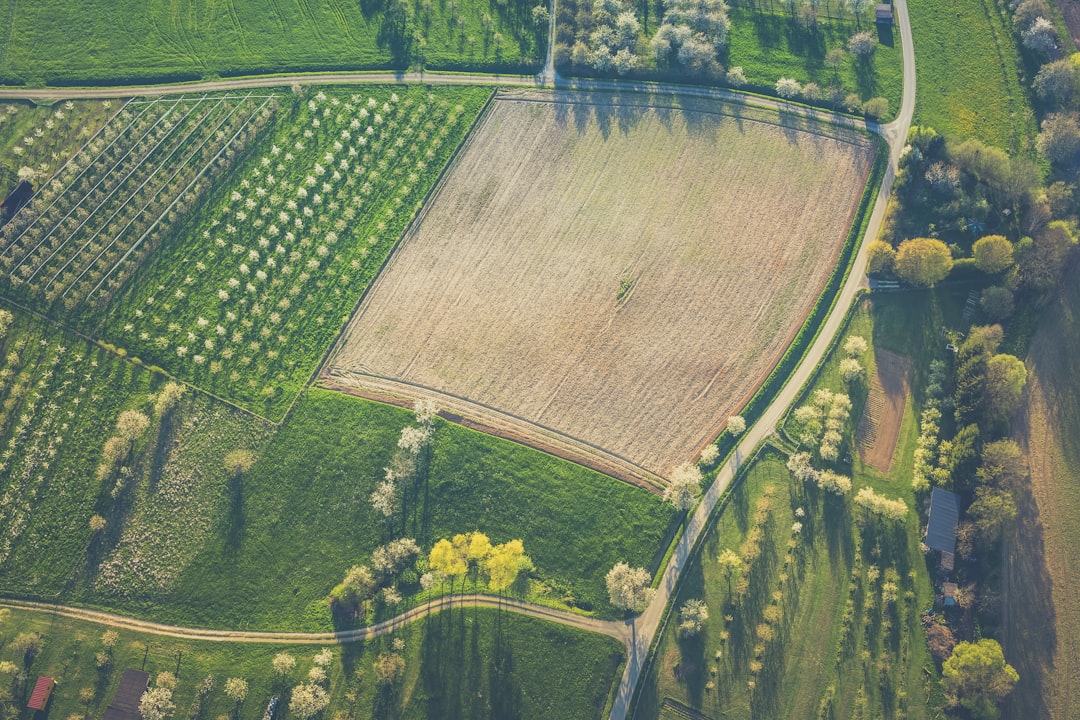
The Farmland Housing Bubble: Why It’s the Next Big Risk
You’re probably thinking about real estate. Maybe it’s the urban core you’re priced out of, or the sprawling suburbs you’ve always dreamed of. But what about the land under your feet, the very ground that sustains us? You might dismiss it as a stable, tangible asset, immune to the flashy drama of tech stocks or the cyclical whims of the cryptocurrency markets. You might believe farmland is a safe harbor, a traditional investment that has weathered storms for generations. You’d be mistaken. Because a silent, insidious bubble is inflating, and it’s poised to become the next significant risk that could impact your financial future, and perhaps even the stability of your community.
For decades, farmland was primarily owned and operated by farmers. It was a tool of their trade, a legacy passed down through families. The economics were driven by yield, by what could be harvested from the soil. Investment decisions were rooted in practicalities: soil quality, water access, machinery costs, and market prices for crops. But in recent years, a new breed of investor has entered the field, and their motivations are fundamentally different.
The Rise of Institutional and Individual Investors
You’ve seen the headlines, perhaps dismissed them as niche interest. Large investment firms, pension funds, and private equity groups are increasingly pouring capital into agricultural land. They aren’t interested in the daily grind of tilling soil or the satisfaction of a bountiful harvest. They are attracted to farmland as a perceived inflation hedge, a tangible asset with a steady, albeit often modest, return. This influx of capital, driven by the pursuit of diversification and capital preservation, has begun to distort traditional market dynamics.
The “Safe Haven” Illusion
In times of economic uncertainty, investors tend to flock to assets perceived as resilient. Farmland, with its perceived connection to a fundamental need – food production – has been cast in this role. This narrative, amplified by market strategists and financial advisors, has encouraged a speculative fever. People are buying farmland not necessarily to farm it, but because they believe its value will steadily appreciate, regardless of its agricultural productivity. This perspective divorces the land’s investment value from its intrinsic purpose.
The Role of Low Interest Rates
The era of ultra-low interest rates, while waning, has played a crucial role in inflating asset bubbles across the board, and farmland is no exception. When borrowing is cheap, speculative ventures become more attractive. Investors can leverage their purchases more easily, and the prospect of outsized returns on investment property becomes a siren song. This has fueled demand, pushing prices higher even when underlying agricultural fundamentals don’t fully support them.
As the demand for housing continues to escalate, many experts are drawing parallels between the current real estate market and the burgeoning interest in farmland as a potential investment opportunity. In a thought-provoking article, it is argued that farmland is becoming the new housing bubble, driven by factors such as rising food prices, climate change, and the increasing need for sustainable agriculture. To explore this topic further, you can read the full article here: Why Farmland is the New Housing Bubble.
Unpacking the Valuation Metrics: When Prices Outpace Productivity
The most concerning aspect of this burgeoning bubble is the disconnect between farmland prices and the actual income the land can generate from its agricultural output. For generations, land value has been intrinsically linked to its earning potential. This is changing, and the implications are profound.
The Rent-to-Value Ratio
A key metric for evaluating agricultural land is the capitalization rate, often expressed as the rent-to-value ratio. This ratio compares the annual rental income a piece of land can command to its market value. A healthy ratio indicates that the land’s price is supported by its earning capacity. However, in many desirable agricultural regions, this ratio has shrunk dramatically. You might be observing properties being valued at multiples of their annual rental income that were previously unthinkable, suggesting an expectation of appreciation detached from agricultural realities.
The “Build Value Elsewhere” Mentality
The narrative accompanying this shift in valuation is often one of future potential. Investors aren’t just buying land; they’re buying the idea of future development, the potential for increased yields through technological advancements, or the hope that urban sprawl will eventually engulf the rural landscape. This speculative optimism, rather than current productivity, is driving up prices. You’re seeing land valued not for what it produces today, but for what it might be worth tomorrow, or for entirely different purposes.
The Impact of Non-Agricultural Buyers
When buyers are not primarily concerned with farming efficiency or long-term agricultural viability, the bidding process changes. Their offers are less influenced by factors like soil type, water rights, or proximity to processing facilities. They are competing on a different playing field, one often dictated by broader market sentiment and a desire for diversification. This can artificially inflate prices beyond what a farmer operating on those lands could realistically afford or justify.
The Systemic Risks You Need to Consider

This escalating farmland bubble isn’t just a niche concern for wealthy investors or agricultural economists. It has the potential to trigger significant systemic risks that could ripple through the broader economy and impact your life.
Increased Debt and Financial Fragility
As farmland prices surge, so does the debt taken on to acquire it. Farmers, seeking to expand their operations or compete with institutional buyers, are taking on larger mortgages. If the bubble bursts, these farmers could find themselves underwater, owing more on their land than it’s worth. This can lead to defaults, foreclosures, and a cascade of financial problems for lenders, individuals, and local communities. You might be seeing your neighbors struggle, or your local bank’s stability become a concern.
The Agricultural Input Squeeze
When land becomes an attractive speculative asset, it can pull capital away from other crucial aspects of agriculture. Instead of investing in better seeds, more efficient irrigation systems, or improved soil management practices, resources are diverted to land acquisition. This can lead to underinvestment in the very things that make farmland productive, ultimately impacting crop yields and food security. You might start to see fewer innovations in farming, or a plateau in food production efficiency.
Rural Economic Disruption
The traditional agricultural economy is deeply intertwined with rural communities. When land is bought up by out-of-state investors who have no local ties or interest in community development, the social fabric can fray. Local businesses that relied on the patronage of farming families may suffer. The shift in ownership can also lead to changes in land management that may not align with local environmental concerns or traditional practices. You might witness a decline in rural vitality, a hollowing out of once-thriving towns.
The Domino Effect: How Farmland Impacts Other Sectors
The repercussions of a bursting farmland bubble extend far beyond the agricultural sector. The interconnectedness of the modern economy means that any significant disruption in a major asset class can have far-reaching consequences.
Food Prices and Inflationary Pressures
If farmland values plummet, it could lead to a sharp increase in the cost of acquiring agricultural land. This increased cost of production would inevitably be passed on to consumers in the form of higher food prices. In an already inflation-sensitive environment, a surge in food costs would disproportionately affect lower-income households and exacerbate existing economic hardships. You would feel this directly at your grocery store checkout.
The Banking and Financial Sector Strain
The significant debt often associated with farmland purchases means that a downturn in land values could put considerable strain on the banking and financial sector. Banks that have heavily lent against farmland as collateral could face a wave of defaults. This could lead to tighter lending standards across the board, impacting not only agricultural businesses but also other sectors reliant on credit. You might find it harder to get a mortgage or a business loan.
Broader Economic Slowdown
A bursting bubble in a significant asset class like farmland can trigger a broader economic slowdown. Reduced consumer spending due to higher food prices, tighter credit conditions, and a general erosion of confidence can lead to decreased investment, job losses, and a sluggish economy. You could experience these effects through reduced job opportunities, slower wage growth, and a general sense of economic uncertainty.
As the demand for housing continues to rise, many experts are drawing parallels between the current real estate market and the burgeoning interest in farmland as a new investment opportunity. A related article discusses how farmland is becoming increasingly attractive to investors seeking stable returns amidst economic uncertainty. This shift in focus towards agricultural land is raising concerns about a potential housing bubble, as more capital flows into farmland rather than traditional residential properties. For further insights on this trend, you can read the article here.
Preparing for the Inevitable: What You Can Do
| Reasons why farmland is the new housing bubble |
|---|
| Increasing demand for agricultural products |
| Limited supply of farmland |
| Investor interest in agricultural real estate |
| Rising land prices due to urbanization |
| Government subsidies for farmland |
While the prospect of a farmland bubble might seem daunting, ignoring it is not an option. Understanding the risks and taking proactive steps can help you navigate potential economic turbulence.
Educate Yourself and Seek Diversified Investments
The first step is awareness. Don’t rely on simplistic narratives about farmland being immune to market forces. Educate yourself about the valuation metrics, the role of institutional investors, and the potential consequences of a bubble. Furthermore, ensure your own investment portfolio is adequately diversified. Don’t put all your eggs into one basket, whether that basket is technology stocks, real estate, or, indeed, agricultural land. You need a balanced approach that mitigates risk.
Support Sustainable Agricultural Practices and Local Farmers
When you have the opportunity, support local farmers and businesses that practice sustainable agriculture. By choosing to purchase food from local producers, you are supporting the very foundation of food security and helping to ensure that farmland remains productive and economically viable for those who work it. This is not just about food; it’s about supporting the communities that produce it. You can make a difference with your purchasing power.
Advocate for Sound Financial Regulation
The rapid rise in farmland values is partly a symptom of broader financial trends. Advocate for sound financial regulations that prevent excessive speculation and ensure that the agricultural sector remains focused on productivity rather than purely speculative gains. This might involve supporting policies that encourage responsible lending practices and discourage activities that could inflate asset bubbles. Your voice can contribute to a more stable financial environment.
The farmland housing bubble, though less visible than its urban counterparts, represents a significant and growing risk. By understanding its underlying dynamics and potential consequences, you can better prepare yourself and your financial future for the economic shifts that may lie ahead. The land that feeds us deserves to be valued for its true productive potential, not just as a playground for speculation.
FAQs
What is the current trend in farmland prices?
Farmland prices have been steadily increasing in recent years, with some areas experiencing significant spikes in value. This trend has led to concerns about a potential farmland bubble similar to the housing bubble of the mid-2000s.
What factors are contributing to the increase in farmland prices?
Several factors are contributing to the increase in farmland prices, including low interest rates, high demand for agricultural products, and investment from non-farming entities such as real estate investment trusts (REITs) and institutional investors.
How does the increase in farmland prices compare to the housing bubble?
The increase in farmland prices has drawn comparisons to the housing bubble due to the rapid and unsustainable nature of the price increases. Like the housing bubble, there are concerns that the farmland market may be overvalued and at risk of a significant correction.
What are the potential consequences of a farmland bubble bursting?
If a farmland bubble were to burst, it could have significant repercussions for both farmers and the broader economy. Farmers who have taken on debt to purchase land at inflated prices could face financial difficulties, and the broader agricultural sector could experience a downturn.
What are some strategies for mitigating the risks associated with farmland investment?
Investors and farmers can mitigate the risks associated with farmland investment by conducting thorough due diligence, diversifying their portfolios, and being cautious about taking on excessive debt. Additionally, staying informed about market trends and seeking professional advice can help individuals make more informed decisions about farmland investment.