You’re standing in the supermarket, reaching for that perfectly chilled carton of milk. It looks pristine, untouched by the complexities of its journey from farm to shelf. But beneath that seemingly simple transaction lies an intricate system, the food cold chain, and its fragility is profoundly linked to something you rarely think about: the price of energy.
The food cold chain, in essence, is the network responsible for maintaining food at specific low temperatures from the point of production to consumption. This isn’t a luxury; it’s a necessity dictated by the very nature of food. From refrigeration and freezing to cooling during transport and storage, energy is the lifeblood that prevents spoilage, preserves quality, and crucially, safeguards public health by inhibiting the growth of harmful microorganisms. When energy prices fluctuate, this entire elaborate system feels the ripple effect, impacting everything from the farmer’s bottom line to the consumer’s grocery bill.
At the heart of the food cold chain lies refrigeration and freezing. These processes, fundamental to preserving a vast array of food products, are incredibly energy-intensive. You might not consciously consider the machinery hummimg away in your refrigerator, but on a larger scale, massive industrial refrigeration units and commercial freezers are constantly at work.
The Power Consumption of Cold Storage
Think about the warehouses where produce, meat, and dairy products are stored before distribution. These are not mere sheds; they are climate-controlled fortresses, requiring constant operation of powerful compressors and cooling systems. The electricity or natural gas consumed by these units over extended periods represents a significant operational cost for food producers and distributors. When energy prices climb, the cost of keeping these vast spaces at consistently low temperatures escalates commensurately. This translates directly into higher overheads that, inevitably, find their way through the supply chain.
The Technology Behind Maintaining Low Temperatures
The technologies involved in these cold storage facilities are sophisticated. They rely on refrigerants, compressors, evaporators, and condensers, all working in a coordinated cycle to extract heat. The efficiency of these systems, while improving over time, is still heavily dependent on the availability and cost of the energy that powers them. For businesses operating on thin margins, an unexpected surge in electricity or gas prices can force difficult decisions, impacting investment in new, more energy-efficient equipment or even leading to reduced operating hours for some facilities.
Indirect Energy Inputs for Refrigeration
It’s also important to remember the indirect energy inputs associated with refrigeration. The manufacturing of the refrigeration equipment itself requires significant energy. The maintenance and repair of these complex machines also contribute to the overall energy footprint. Therefore, when energy prices rise, the cost of producing and maintaining the very tools of the cold chain also increases, adding another layer of financial pressure.
The rising energy prices have significant implications for the food cold chain, affecting everything from transportation to storage. A related article that delves into this topic can be found at How Wealth Grows, where it discusses the challenges faced by the food industry in maintaining the integrity of perishable goods amidst fluctuating energy costs. Understanding these dynamics is crucial for stakeholders aiming to optimize their operations and ensure food safety in an increasingly volatile market.
Transportation: The Moving Arteries of Perishables
Once food leaves its point of origin, it embarks on a journey, often across vast distances. This transportation phase is another critical node in the cold chain, and it’s heavily reliant on energy. Refrigerated trucks, railcars, and even ships are essential for bringing your food to you.
The Fuel Dependency of Refrigerated Transport
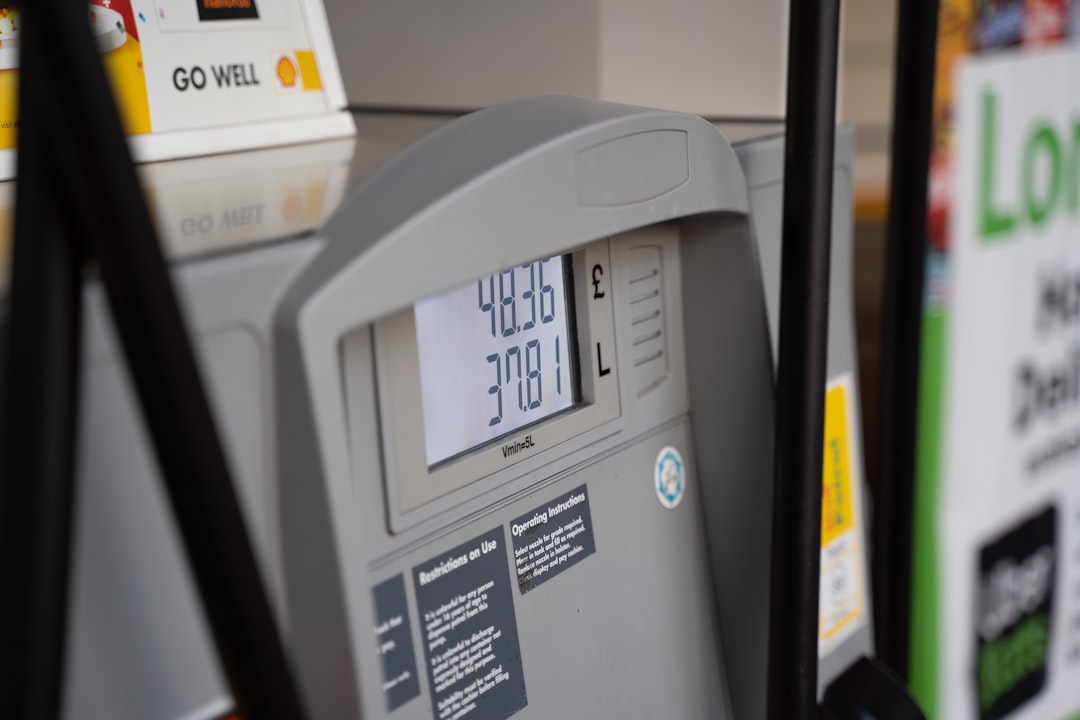
The overwhelming majority of refrigerated transport relies on fossil fuels. Diesel for trucks, bunker fuel for ships, and increasingly, jet fuel for air freight, are the primary energy sources. As you’ve likely observed at the gas station, the cost of these fuels is notoriously volatile. When crude oil prices surge, so too does the cost of transporting perishable goods. This directly impacts the logistics companies and, by extension, the prices you see on your grocery shelves.
The Rise of Alternative Energy in Logistics
While the dominant reliance on fossil fuels persists, there’s a growing push towards more sustainable and energy-efficient transportation solutions. Electric trucks, for example, are beginning to enter the market, but their widespread adoption is hampered by factors like range limitations, charging infrastructure, and the initial purchase cost – costs that are themselves influenced by energy prices in manufacturing and electricity generation. Similarly, the development of more fuel-efficient engines and streamlined logistics planning aim to mitigate fuel consumption, but fundamental energy costs remain a persistent challenge.
The Challenge of Maintaining Temperature During Transit
Maintaining the required temperature from origin to destination is paramount. This means the refrigeration units on vehicles are running continuously, consuming fuel. Even short delays due to traffic, weather, or mechanical issues can lead to increased fuel burn as the units work harder to compensate for temperature fluctuations. The energy cost of these buffering systems, while essential, adds to the overall transportation expenditure.
Packaging and Preservation: Protecting Perishables
The way food is packaged also plays a role in its ability to withstand the rigmarole of the cold chain and can be indirectly influenced by energy prices. Packaging materials, while often perceived as simple, require energy for their production and can contribute to the overall cost of getting food from farm to fork.
Energy Costs in Packaging Material Production
The manufacturing of plastics, cardboard, and other packaging materials is an energy-intensive process. From the extraction of raw materials to the molding and shaping of the final packaging, significant amounts of electricity and heat are consumed. When energy prices rise, the cost of producing these essential packaging components increases. This can lead to food producers opting for cheaper, potentially less protective, or less sustainable packaging solutions, or simply passing on the increased costs.
The Role of Modified Atmosphere Packaging (MAP) and Vacuum Sealing
Technologies like Modified Atmosphere Packaging (MAP) and vacuum sealing are designed to extend the shelf life of food products under refrigeration. While these technologies demonstrably reduce spoilage and food waste, their implementation can also have energy implications. The process of creating the controlled atmosphere or vacuum often requires specialized equipment that consumes energy. The packaging films themselves may also have higher manufacturing energy costs. However, proponents argue that the reduction in food waste achieved through these methods can, in the long run, offer a net energy saving by preventing the wasted energy that went into producing the spoiled food in the first place.
The Lifecycle Energy Impact of Packaging
Considering the entire lifecycle of packaging, from production to disposal or recycling, offers a more complete picture of its energy footprint. Energy is required for transportation of raw materials, manufacturing of the packaging, filling and sealing of products, transportation of the finished goods, and finally, collection and processing for recycling or disposal. Fluctuations in energy prices affect every stage of this cycle, creating a complex interplay of costs.
Consumer Impact: The Price at the Checkout Counter
Ultimately, the impact of energy prices on the food cold chain translates directly to the consumer. The increased costs incurred at every stage of the supply chain, from production to refrigeration and transportation, are inevitably passed on.
The Direct Correlation to Grocery Bills
You’ve seen it yourself. When fuel prices spike, the cost of everyday items at the supermarket tends to follow suit. This isn’t a coincidence. The energy-intensive nature of the cold chain means that every hike in electricity, gas, or fuel prices puts upward pressure on food prices. This can disproportionately affect lower-income households, who spend a larger percentage of their income on food.
The Affordability Crisis and Food Security
The affordability of food is a cornerstone of food security. When energy prices make essential items more expensive, it can lead to a genuine affordability crisis for many. Consumers may be forced to make difficult choices, potentially sacrificing the purchase of fresh, chilled, or frozen produce for less perishable, often less nutritious, alternatives. This has broader implications for public health and societal well-being.
The Influence on Food Choices and Dietary Habits
Beyond immediate affordability, sustained high energy prices can also subtly influence consumer choices and dietary habits. If fresh, chilled items become consistently more expensive, you might find yourself gravitating towards shelf-stable alternatives. This shift, while perhaps driven by economic necessity, can have long-term consequences for individual and public health, potentially leading to diets lower in essential vitamins and minerals.
The rising energy prices have significant implications for the food cold chain, affecting everything from transportation to storage. As energy costs increase, businesses may struggle to maintain the necessary temperature controls that ensure food safety and quality. This situation is further explored in a related article that discusses the broader economic impacts of energy fluctuations on various industries. For more insights, you can read the article here. Understanding these dynamics is crucial for stakeholders aiming to navigate the challenges posed by volatile energy markets.
The Path Forward: Navigating Energy Volatility
| Impact of Energy Prices on the Food Cold Chain |
|---|
| Increased energy prices can lead to higher operational costs for refrigeration and freezing in the food cold chain. |
| Rising energy prices may result in increased transportation costs for perishable food items. |
| Higher energy prices can lead to reduced profitability for food cold chain businesses. |
| Increased energy costs may lead to higher prices for consumers purchasing refrigerated and frozen food products. |
| Energy-efficient technologies and practices can help mitigate the impact of rising energy prices on the food cold chain. |
The food cold chain is inextricably linked to energy prices, and navigating this relationship requires a multifaceted approach. Ignoring the impact of energy volatility is not an option for a resilient and affordable food system.
Investing in Energy Efficiency and Renewables
One of the most crucial steps is a concerted effort to invest in energy efficiency across the entire cold chain. This includes upgrading refrigeration systems in storage facilities and transport, adopting more efficient vehicle technologies, and optimizing logistical routes to minimize fuel consumption. Simultaneously, a transition towards renewable energy sources for powering these operations is essential. Solar, wind, and other renewable options, while requiring initial investment, can provide a buffer against volatile fossil fuel prices and reduce the carbon footprint of the food industry.
Innovation in Cold Chain Technology
Continuous innovation in cold chain technology is also vital. This could involve developing new biodegradable packaging with enhanced thermal properties, exploring advanced refrigeration techniques that require less energy, or implementing smart sensor systems that monitor and optimize temperature control in real-time, reducing waste and energy expenditure. Research into alternative refrigerants with lower global warming potentials also falls into this category.
Policy and Regulatory Support
Government policies and regulatory frameworks play a significant role in shaping the energy landscape for the food cold chain. Incentives for adopting energy-efficient technologies and renewable energy sources, carbon pricing mechanisms that reflect the true cost of energy consumption, and support for research and development in sustainable cold chain solutions can all contribute to a more stable and affordable system. International cooperation on energy policy and trade can also help to mitigate the impact of global energy price fluctuations.
Consumer Awareness and Behavioral Change
While systemic changes are paramount, consumer awareness and behavioral changes can also contribute. Understanding the energy costs associated with different food choices, reducing food waste at home (which effectively wastes all the energy used to produce and transport that food), and supporting businesses that prioritize energy efficiency and sustainability can all send a powerful market signal. Making informed choices about the products you buy, considering their packaging and origin, can contribute to a more energy-conscious food system.
The food cold chain is a testament to human ingenuity in preserving food and ensuring its availability. However, its reliance on energy means it’s a system inherently susceptible to the fluctuations of the global energy market. By understanding these connections, and by committing to innovation, efficiency, and sustainable practices, you can contribute to a more resilient and secure food future, ensuring that the products you reach for in the supermarket remain fresh, safe, and affordable.
FAQs
What is the food cold chain?
The food cold chain refers to the process of maintaining the quality and safety of perishable food products through refrigeration and temperature-controlled environments from production to consumption.
How do energy prices impact the food cold chain?
Energy prices impact the food cold chain by influencing the cost of refrigeration, transportation, and storage of perishable food products. Higher energy prices can lead to increased operational costs for maintaining the cold chain, which can ultimately affect the affordability and availability of perishable food products.
What are the potential consequences of high energy prices on the food cold chain?
High energy prices can lead to increased costs for refrigeration, transportation, and storage of perishable food products, which can result in higher prices for consumers, reduced availability of perishable food products, and potential food waste due to inadequate cold chain infrastructure.
How do fluctuations in energy prices impact the food cold chain industry?
Fluctuations in energy prices can impact the food cold chain industry by influencing operational costs, profit margins, and investment in cold chain infrastructure. Sudden increases in energy prices can create financial challenges for businesses operating within the food cold chain industry.
What are some strategies to mitigate the impact of energy prices on the food cold chain?
Some strategies to mitigate the impact of energy prices on the food cold chain include investing in energy-efficient refrigeration and transportation technologies, optimizing supply chain logistics to reduce energy consumption, and exploring alternative energy sources such as solar or wind power. Additionally, improving insulation and temperature control within cold storage facilities can help reduce energy costs.