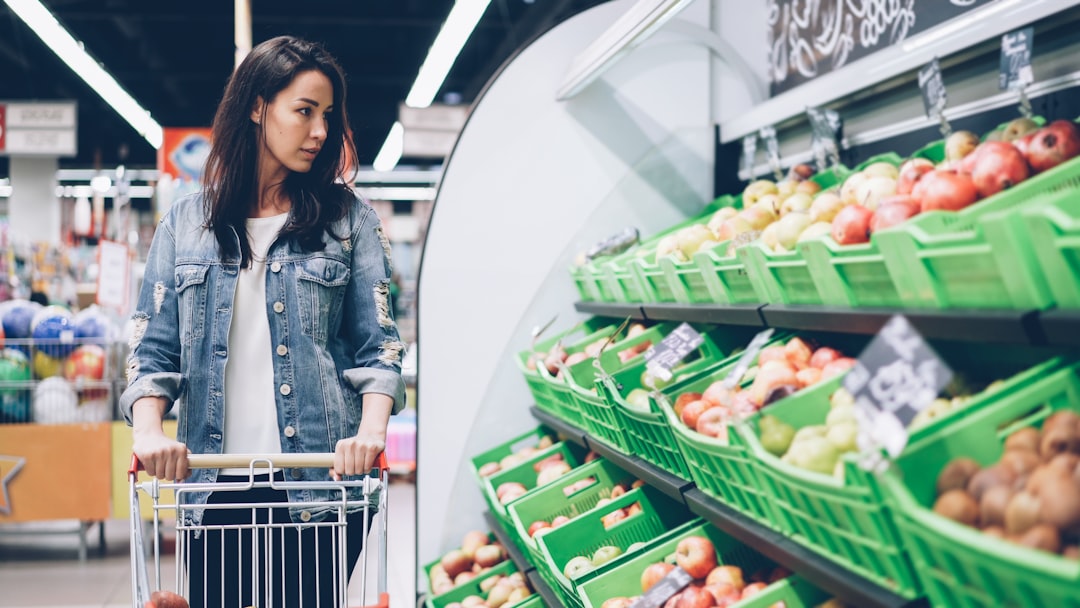
You’ve likely noticed it. The once predictable dollar at the grocery store now feels like a stranger, its purchasing power significantly diminished. Every trip to the supermarket, whether for essentials or indulgences, seems to chip away at your budget more relentlessly than before. The question on everyone’s mind, and likely your own, is simple: why are grocery costs rising so sharply, and what’s truly driving this relentless inflation? While many factors contribute, one underlying current, often overlooked in the immediate headlines, is quietly but powerfully shaping what you pay for your food.
The journey of your food from farm to fork is a complex ballet of logistics. Farms need to harvest, processing plants need to transform, and distributors need to transport. Any disruption in this intricate chain has a ripple effect, and you, the consumer, are often left holding the bag. You might think of this simply as a shortage, but the reality is far more nuanced and has far-reaching implications for your grocery bill.
The Globalized Feast: A Fragile Interconnectedness
Your favorite coffee might come from Colombia, your olive oil from Italy, and your salmon from Norway. This globalized food system offers you variety and choice, but it also builds in a degree of fragility. When one part of this interconnected web experiences a problem, the entire system can falter. This isn’t just about a single port being congested; it’s about a cascade of issues that can affect the availability and price of nearly everything on your shelves.
Shipping Woes: The Red Sea and Beyond
One of the most visible and impactful disruptions you’ve likely heard about relates to shipping. Geopolitical events, such as conflicts in key maritime routes like the Red Sea, force vessels to take longer, more expensive detours. This isn’t just about the fuel costs; it’s about the increased time goods spend in transit, leading to potential spoilage, higher insurance premiums, and a general disruption of predictable delivery schedules. The knock-on effect is clear: when it costs more to move food from point A to point B, that cost is inevitably passed on to you.
Labor Shortages: The Unsung Heroes of Your Plate
Behind every truckload of produce, every pallet of packaged goods, there are people. Truck drivers, warehouse workers, dockhands – their availability and willingness to work are critical. You may not think about it when you’re grabbing your milk, but widespread labor shortages across the logistics sector directly impact how efficiently and affordably your food reaches you. When there aren’t enough people to drive the trucks or unload the ships, delays mount, and costs escalate. This isn’t a temporary blip; in many regions, these shortages are structural and persistent.
Beyond Shipping: Inland Bottlenecks
The problems don’t cease once the containers reach your country’s shores. Domestic transportation networks also face their own set of challenges that subtly but effectively inflate your grocery bill.
Rail and Road Congestion: The Final Frontier
Even if goods are unloaded from ships efficiently, the journey inland isn’t always smooth. Congestion on rail lines and highways, often exacerbated by infrastructure limitations and a lack of available drivers, can further delay shipments. This means longer wait times for retailers to receive their stock, potentially leading to stockouts and higher prices to compensate for the extended holding periods and increased risk of spoilage. Your carefully planned meals might be disrupted not by a distant conflict, but by a traffic jam miles from your local store.
Packaging Pains: More Than Just a Box
The packaging that protects your food is also part of the supply chain. The cost of everything from cardboard boxes to plastic wrap has risen. This is partly due to increased demand for packaging as e-commerce grows and partly due to the rising costs of raw materials used in manufacturing these items. When the cost of simply getting your food from the processor to the retailer increases due to packaging, that cost, however small per item, adds up across the entire grocery ecosystem, ultimately impacting the price tag you see.
If you’ve noticed that your grocery bill is skyrocketing, you might want to explore the hidden factors contributing to this trend. A related article that delves into the underlying reasons behind rising food costs can be found at How Wealth Grows. This resource provides insights into market dynamics, supply chain issues, and inflation that are impacting your everyday shopping expenses.
The Shifting Sands of Climate: How Weather Wars Your Wallet
The weather has always played a role in agriculture. But the increasing frequency and intensity of extreme weather events are no longer just a topic for environmental discussions; they are a direct, and often devastating, contributor to why your grocery receipts are so much larger. You might be experiencing the effects directly through more expensive produce, but the underlying causes are global and deeply concerning.
Droughts and Deluges: The Extremes of Agriculture
Regions that once provided consistent yields are now grappling with prolonged droughts, scorching heatwaves, or devastating floods. These extreme conditions directly impact crop yields. When a significant portion of a crop fails due to lack of water or being waterlogged, the supply decreases dramatically. Basic economics dictates that when supply shrinks and demand remains the same, prices inevitably rise. You might find your favorite berries or staple vegetables becoming a luxury item due to adverse weather thousands of miles away.
Crop Failures: A Domino Effect
A single widespread crop failure can have a cascading effect. For example, a severe drought impacting corn production not only affects the price of corn itself but also the price of products that use corn as an ingredient, such as corn syrup, animal feed (which in turn affects meat prices), and even ethanol. You might not be buying corn directly, but its absence from the supply chain is felt across a vast array of food products you routinely purchase.
Unpredictable Seasons: The Scrambled Calendar of Farming
Beyond singular extreme events, you’re also seeing the impact of more unpredictable seasonal patterns. Shifting planting and harvesting seasons, milder winters that allow pests to survive, or unseasonably late frosts can all wreak havoc on agricultural planning and output. Farmers are forced to adapt, often with increased costs for things like pest control or irrigation, and the uncertainty of it all breeds risk, which is then factored into the prices they must charge.
Pests and Diseases: Nature’s Unexpected Allies
Climate change can also create more favorable conditions for pests and diseases to thrive and spread. Warmer temperatures can allow invasive species to establish themselves in new regions, and altered rainfall patterns can create environments conducive to fungal growth. Combating these threats requires more resources for farmers, from specialized treatments to increased labor, all of which contribute to higher production costs.
Geopolitical Ripples: The Global Stage and Your Supper
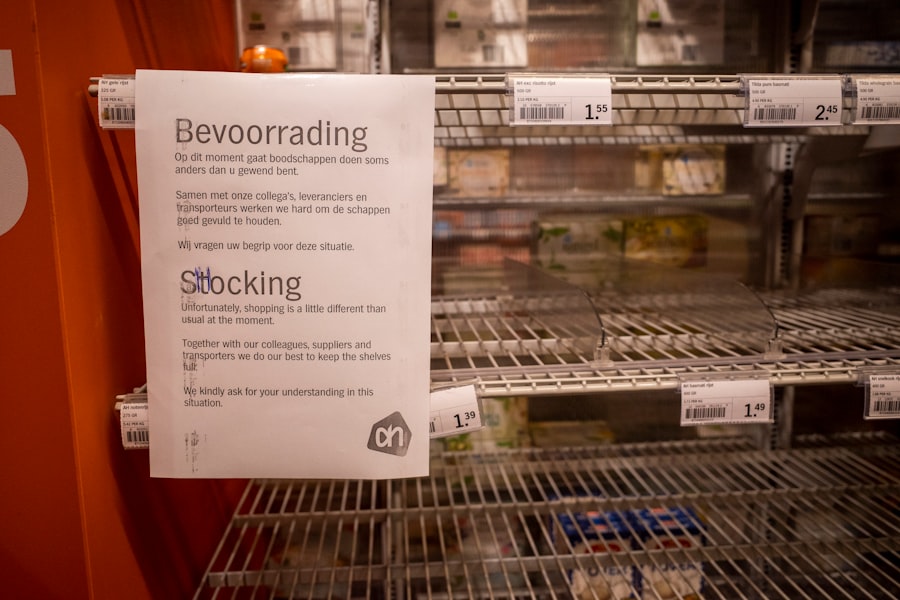
The world stage is a constant source of news, and you might not always connect the dots between international events and the price of your bread or eggs. However, geopolitical shifts, conflicts, and trade policies have a profound and often underestimated impact on the cost of food. These aren’t abstract issues; they translate directly into your grocery budget.
Trade Wars and Tariffs: Barriers on Your Plate
When countries impose tariffs or engage in trade disputes, they are essentially creating artificial barriers to the free flow of goods. You might see increased prices on imported foods as tariffs are added, or domestic producers might face higher costs for imported raw materials. These protectionist measures, intended to bolster domestic industries, often have the unintended consequence of making food more expensive for consumers on both sides of the dispute.
Import Restrictions: Less Choice, Higher Prices
Beyond tariffs, outright import restrictions or quotas can limit the availability of certain foods. If a country decides to limit the import of a particular fruit or vegetable due to political tensions or perceived unfair practices, you’re left with fewer options. This reduced competition can allow domestic producers or remaining importers to charge higher prices due to the scarcity.
Conflict and Instability: The Cost of Unrest
Wars and political instability in key agricultural regions can have devastating consequences for global food supplies and prices. Imagine a major grain-producing nation becoming a conflict zone. The disruption to farming, processing, and export infrastructure can lead to significant shortages and price spikes that are felt worldwide. Even if the conflict is distant from your home, its impact on global commodity markets will eventually reach your local supermarket.
Disrupted Supply Chains and Blockades
In conflict zones, supply chains can be completely severed. Roads may become impassable, ports may be blocked, and agricultural land may be rendered unusable. This prevents food from reaching markets and increases the cost of what little can be moved. The increased risk associated with operating in these environments also drives up insurance and transportation costs, all of which are ultimately borne by you.
The Energy Equation: Powering Your Plate at a Premium
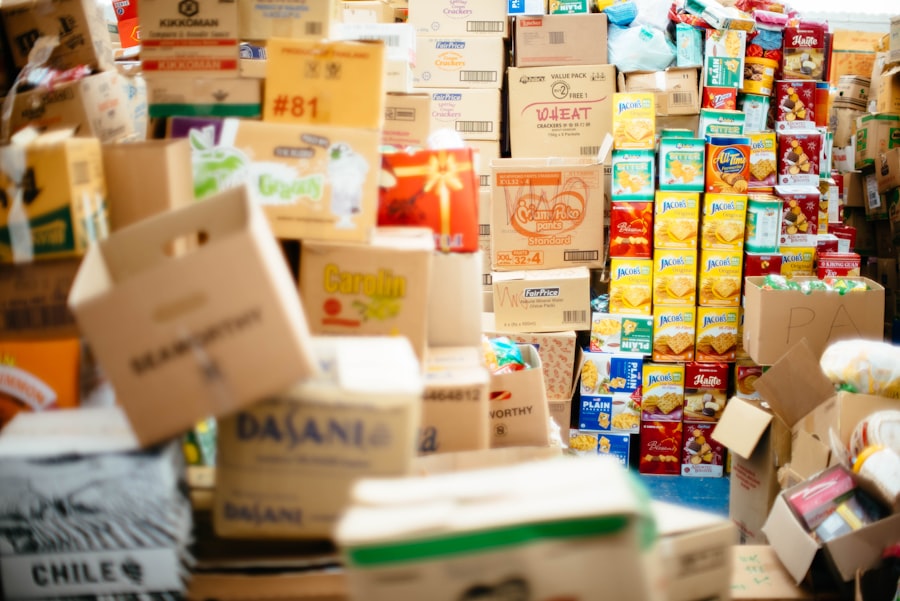
You might think about energy costs primarily in terms of your electricity bill or the price at the gas pump. However, the energy required to produce, process, and transport your food is a fundamental component of its cost, and rising energy prices have a direct, often significant, impact on your grocery bill.
Fuel for the Farm: The Cost of Mechanization
Modern agriculture is highly mechanized. Tractors, harvesters, irrigation systems – all require fuel. When the price of diesel or gasoline rises, the cost of running these essential farming operations increases. This isn’t just about planting and harvesting; it extends to the energy required for pest control, fertilization, and even the operation of farm buildings.
Fertilizers and Pesticides: Energy-Intensive Inputs
Many fertilizers and pesticides are produced using natural gas or other energy-intensive processes. Fluctuations in energy prices directly impact the cost of these crucial agricultural inputs. When these costs rise, farmers have little choice but to pass them on to consumers. You might not see the price of natural gas on your lettuce, but its influence is undeniable.
From Field to Fork: The Energy Footprint of Processing and Transport
The journey of your food doesn’t end at the farm gate. It then moves to processing plants, distribution centers, and finally, to your local grocery store. Each of these stages is an energy consumer.
Processing Power: Keeping the Lights On
Food processing facilities use significant amounts of electricity for machinery, refrigeration, and heating. The cost of keeping these operations running is a direct contributor to the final price of processed foods. When electricity prices climb, so too do the prices of packaged goods, frozen items, and convenience foods.
The Long Haul: Fueling Your Fridge
The transportation of food from processing plants to distribution hubs and then to individual stores relies heavily on fueled vehicles. As you’ve likely experienced, the cost of fuel at the pump has been volatile. This volatility is directly reflected in the logistics costs for bringing food to your neighborhood, and those costs inevitably make their way to your checkout counter.
Many shoppers are puzzled by the sudden increase in their grocery bills, often attributing it to inflation or supply chain issues. However, a related article highlights some hidden factors that could be contributing to this trend, such as changes in consumer behavior and the rising costs of production. For those interested in exploring these underlying reasons further, you can read more about it in this insightful piece on the topic. Check it out here.
The Rising Tide of Consumer Demand and Shifting Habits
| Reasons for Grocery Bill Increase | Impact |
|---|---|
| Supply Chain Disruptions | Shortages and increased prices |
| Increased Demand | Higher prices due to higher demand |
| Rising Transportation Costs | Increased prices for shipping and delivery |
| Fluctuating Commodity Prices | Price volatility for raw materials |
While external factors like supply chain disruptions and climate change are significant drivers, you also play a role, however inadvertently, in the rising cost of groceries. Shifting consumer habits and an underlying increase in global demand contribute to the pressure on food prices.
The Growing Palate: A Larger Population, More Mouths to Feed
The simple fact is, the global population is growing. As more people inhabit the planet, the demand for food inherently increases. This rising demand, coupled with a finite amount of agricultural land and resources, puts upward pressure on prices. It’s a fundamental economic principle at play: when demand outstrips supply, costs tend to rise.
Increased Demand for Protein and Processed Foods
In many parts of the world, as economies develop, dietary habits shift towards increased consumption of protein and more processed foods. This can place a greater strain on resources as producing meat and manufactured food products often requires more land, water, and energy than producing plant-based staples. Your preference for certain foods, multiplied by billions, has an impact.
E-commerce and Convenience: The Price of Easy Access
The convenience of online grocery shopping and delivery services has surged in popularity. While this offers undeniable benefits for consumers, it also adds layers of cost to the supply chain. You might not be directly paying for the driver’s time or the packaging materials used for your online order, but these costs are factored into the overall pricing model. The expectation of immediate availability and seamless delivery comes at a price.
The “On-Demand” Factor: Expectations and Expenses
The modern consumer often expects immediate gratification. This can lead to a demand for food products that are readily available year-round, irrespective of traditional seasonality. Meeting these expectations often requires more intensive farming practices, longer storage, and more complex logistics, all of which contribute to higher costs.
The Hidden Cost of Food Waste: Less for More
Globally, an enormous amount of food is wasted at every stage of the supply chain, from farm to fork. While this might seem like a separate issue, food waste directly contributes to rising grocery costs. When food is lost or discarded, the resources used to produce it – water, land, energy, labor – are also lost. This inefficiency means that the cost of the food that does make it to market must be higher to compensate for the losses. Minimizing your own food waste, or supporting businesses that are actively reducing waste, can, in the long run, contribute to a more sustainable and affordable food system for everyone.
FAQs
1. What is causing the increase in grocery prices?
The increase in grocery prices is primarily due to supply chain disruptions, labor shortages, and increased demand for certain products during the COVID-19 pandemic.
2. How are supply chain disruptions impacting grocery prices?
Supply chain disruptions, such as delays in shipping and transportation, have led to shortages of certain products, which in turn has driven up prices for those items.
3. What role do labor shortages play in the rise of grocery prices?
Labor shortages in the food industry, including at farms, processing plants, and grocery stores, have led to higher production costs and reduced availability of certain products, contributing to the increase in grocery prices.
4. Why has there been increased demand for certain grocery products?
The COVID-19 pandemic has led to changes in consumer behavior, including stockpiling and increased consumption of certain grocery items, which has created higher demand and put pressure on prices.
5. Are there any other factors contributing to the rise in grocery prices?
Other factors contributing to the rise in grocery prices include inflation, extreme weather events affecting crop yields, and increased costs for packaging and transportation.