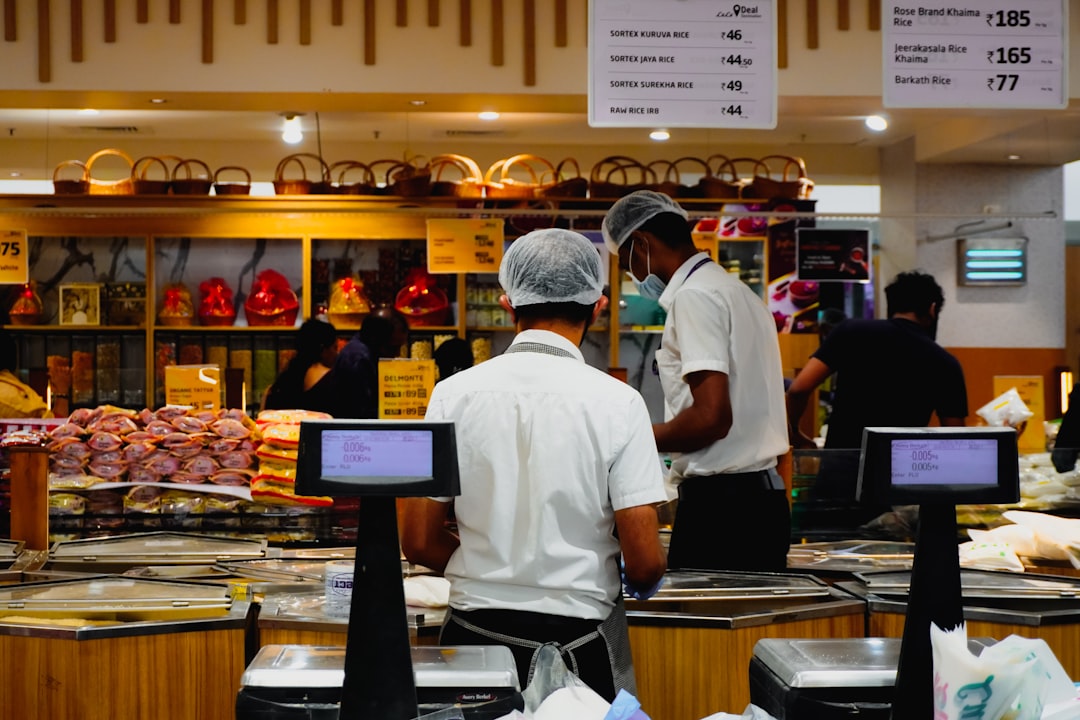
You’ve noticed it, haven’t you? That creeping unease every time you visit the grocery store. The cart that used to feel reasonably full for your weekly shop now feels curiously light, yet the bill at the checkout is anything but. This isn’t a figment of your imagination; you’re living in the post-2021 reality of perpetually rising food prices, and it’s a complex tapestry woven from a multitude of interconnected threads. Understanding this new economic landscape is no longer a matter of academic curiosity; it’s a necessity for navigating your household budget and making informed choices.
The Shifting Sands: Macroeconomic Undercurrents
The food price surge you’re experiencing isn’t a sudden, isolated event. It’s a symptom of larger, persistent shifts in the global economy that gained significant momentum after 2021. Decades of relatively stable prices, particularly in developed nations, have given way to a more volatile and inflationary environment. This has a tangible impact on your wallet, affecting everything from the bread on your table to the protein in your meals.
Inflation’s Grip: The Broadening Impact
You’ve likely heard the term “inflation” bandied about by news outlets and economists. But for you, it’s the direct experience of seeing your purchasing power diminish. Inflation, in its simplest form, is the rate at which the general level of prices for goods and services is rising, and subsequently, purchasing power is falling. While a moderate level of inflation is often considered normal in a growing economy, the post-2021 period has seen an acceleration that has outpaced wage growth for many. This means that even if your income has increased, the amount of food you can buy with that income has likely decreased. This persistent erosion of your money’s value is a primary driver behind the feeling that food is becoming increasingly unaffordable.
The Monetary Policy Puzzle
The response to inflation, particularly from central banks, has also played a significant role. In an effort to tame rising prices, central banks globally have been raising interest rates. While the intention is to cool down an overheating economy, this can have a dampening effect on investment and economic activity. For you, higher interest rates can translate into more expensive borrowing for major purchases, but more indirectly, they can influence the cost of farming inputs, transportation, and the overall financial health of the agricultural sector. It’s a delicate balancing act by policymakers that you feel the repercussions of.
Supply Chain Disruptions: A Lingering Shadow
The global supply chain, a complex network of production, logistics, and distribution, has been under immense strain since early 2020. You’ve experienced this in the form of occasional empty shelves, longer waits for certain products, and often, higher prices for those that are available. The COVID-19 pandemic exposed vulnerabilities that had been largely overlooked. Lockdowns, labor shortages, and transportation bottlenecks created a domino effect that continues to ripple through the food system.
The Ripple Effect of Global Events
You might be tempted to think of food prices in isolation, but they are intrinsically linked to global events. Geopolitical tensions, for instance, can significantly impact the availability and cost of key commodities. Conflicts in agricultural powerhouses or major shipping lanes can disrupt supply, leading to shortages and price spikes that you ultimately face at the checkout. Understanding these broader global dynamics helps explain why your grocery bill is a reflection of events far beyond your local community.
The persistent rise in food prices since 2021 can be attributed to a combination of factors, including supply chain disruptions, increased demand, and climate change impacts on agriculture. For a deeper understanding of why food prices are unlikely to return to pre-2021 levels, you can read a related article that explores these economic dynamics in detail. Check it out here: How Wealth Grows.
Agricultural Realities: The Cost of Production
The price you pay for food at the supermarket is the culmination of a long and often costly production process. From the farm to your fork, numerous factors contribute to the final cost, and many of these have become significantly more expensive in the post-2021 era. Recognizing these on-the-ground realities is crucial to understanding why food prices aren’t simply going to revert to pre-pandemic levels.
Fueling the Farms: Energy Costs in Agriculture
Agriculture is an energy-intensive industry. You might not think about it directly, but tractors run on diesel, fertilizers are produced using natural gas, and the transportation of produce from farm to market relies on fuel. The surge in global energy prices that began in earnest in late 2021 has had a direct and substantial impact on farming operations. Higher fuel costs mean higher operating costs for farmers, which are inevitably passed on to consumers. This isn’t a minor adjustment; it’s a fundamental increase in the cost of doing business for those who grow your food.
The Fertilizer Factor: Essential Inputs at a Premium
Fertilizers are vital for maximizing crop yields. They are also energy-intensive to produce, with natural gas being a key component in the manufacturing of nitrogen-based fertilizers. Consequently, the spike in natural gas prices has led to a dramatic increase in fertilizer costs. For you, this translates into a higher price for grains, vegetables, and fruits, as farmers are forced to absorb or pass on these elevated input expenses. Without affordable fertilizers, crop yields can suffer, further exacerbating supply issues.
Labor Pains: The Human Element of Food Production
The agricultural sector, like many others, has grappled with labor shortages. Whether due to changing demographics, immigration policies, or the physical demands of the work, finding and retaining agricultural labor has become more challenging and expensive. You may not interact directly with farmworkers, but their wages and working conditions are a component of the overall cost of producing your food. As labor costs rise, so too does the price of the food they help to grow and harvest.
Climate Change and the Evolving Agricultural Landscape
Beyond the immediate economic and geopolitical factors, you are also increasingly experiencing the long-term, systemic impact of climate change on food production. This is not a future threat; it’s a present reality that is already influencing yields, crop viability, and the types of food that can be reliably produced in certain regions. Your grocery bill is, in part, a reflection of this evolving environmental challenge.
Extreme Weather Events: Disrupting the Harvest
You’ve seen the news reports: devastating floods, prolonged droughts, unseasonal heatwaves, and intense storms. These extreme weather events, which are becoming more frequent and severe due to climate change, directly impact agricultural output. A widespread drought can decimate a grain harvest, while a sudden frost can ruin an orchard’s yield. These disruptions lead to reduced supply, driving up prices for the crops that do manage to reach the market. Your access to certain fruits and vegetables can be directly affected by these climatic shifts.
Shifting Growing Zones: Adapting to New Realities
The traditional growing regions for many crops are being altered by changing temperatures and precipitation patterns. What was once a reliable area for growing corn might become too dry, while a region previously unsuitable for certain fruits might become viable. This requires adaptation from farmers, involving investment in new infrastructure, different crop varieties, and potentially relocating operations. These adjustments, while necessary for long-term food security, often come with increased costs that are reflected in the prices you see.
Water Scarcity: A Growing Concern for Agriculture
Water is a fundamental resource for agriculture. As climate change exacerbates water scarcity in many regions, the cost of irrigation and water management increases. Farmers are forced to invest in more efficient irrigation systems or pay higher prices for water rights. This added expense for a critical input inevitably contributes to the rising cost of food. You might not think of water as a direct grocery item, but its availability and cost are intrinsically linked to the price of most fresh produce.
Global Supply Chain Vulnerabilities: Beyond the Pandemic
While the COVID-19 pandemic brought global supply chains into sharp focus, you are now understanding that these vulnerabilities are not solely a product of the pandemic. A confluence of factors, including geopolitical events and systemic inefficiencies, continues to create fragility in the movement of food from producers to your table.
Geopolitical Instability: A Food Security Threat
You may have noticed increased mentions of international conflicts and their impact on food. Major food-producing nations or countries crucial for shipping routes can become sources of instability. Trade disruptions, sanctions, or the destruction of agricultural land due to conflict can send shockwaves through the global food market. This makes food less accessible and more expensive for importing nations. Your ability to purchase certain staples can be indirectly affected by events unfolding thousands of miles away.
The Concentration of Power: Monopolies and Market Control
In some sectors of the food industry, the concentration of power among a few large corporations can also influence prices. When a limited number of entities control production, processing, or distribution, they can exert significant influence over market prices. While not always overtly exploitative, this lack of robust competition can lead to situations where prices remain elevated, even when production costs might theoretically allow for lower figures. You might be paying a premium not just for the ingredients, but for the lack of competitive pressure in certain segments of the food supply.
Transportation and Logistics: The Cost of Moving Food
The cost of transporting food remains a significant factor. Global shipping rates, fuel surcharges, and the availability of shipping containers can all fluctuate, impacting the final price you pay. Even domestically, trucking and rail costs are influenced by fuel prices, labor shortages for drivers, and infrastructure limitations. These logistical hurdles mean that getting food from where it’s grown to your local store is an increasingly expensive undertaking.
The ongoing fluctuations in food prices can be attributed to a variety of factors, and many experts believe that they are unlikely to return to pre-2021 levels. A related article discusses the impact of supply chain disruptions, inflation, and changing consumer behaviors on the food market. For a deeper understanding of these dynamics, you can read more in this insightful piece on the subject. It highlights how these elements have reshaped the landscape of food pricing and what consumers can expect moving forward. To explore this further, check out the article here.
Consumer Behavior and Future Outlook: Adapting to the New Normal
Understanding the perpetual rise of food prices isn’t just about analyzing the external factors; it’s also about how you, as a consumer, are responding and what the future might hold. Your purchasing decisions and evolving habits play a role in shaping demand and influencing market dynamics.
Shifting Dietary Habits: Making Conscious Choices
You are likely finding yourself making more conscious choices about what you buy and how much. This might involve opting for less expensive protein sources, buying in bulk when possible, or reducing food waste to maximize your budget. These individual adjustments, when aggregated across communities and nations, can influence demand for certain products and potentially encourage greater efficiency in the food system. It’s a subtle form of market influence, driven by necessity.
The Rise of Private Labels and Value Options
You’ve probably noticed an increase in the prominence of private label or store-brand products. These are often priced more competitively than national brands, and you’re likely turning to them more frequently to manage your grocery budget. Similarly, you might be seeking out more value-oriented options or looking for sales and promotions with greater diligence. This shift in consumer preference can put pressure on manufacturers to either adapt their pricing or focus on different market segments.
The Long Road Ahead: Expectations for the Future
It’s important to approach the future with a realistic outlook. The factors driving food price increases are not ephemeral. Climate change is an ongoing challenge, geopolitical tensions are unlikely to disappear, and the global economy continues to navigate inflationary pressures. While there may be periods of temporary relief or price moderation, the likelihood of a return to the consistent, low food price inflation you may have experienced in the past is diminishing. Embracing an understanding of these persistent trends will help you plan more effectively and adapt your household’s financial strategies to this new reality. You are living through a significant shift, and by understanding its causes, you can better navigate its consequences.
FAQs
1. Why have food prices not returned to pre-2021 levels?
Food prices have not returned to pre-2021 levels due to a variety of factors, including supply chain disruptions, increased demand, and inflationary pressures.
2. What are some of the supply chain disruptions affecting food prices?
Supply chain disruptions such as labor shortages, transportation challenges, and production delays have impacted the availability and cost of food items, contributing to the sustained higher prices.
3. How has increased demand affected food prices?
Increased demand for certain food products, particularly during the COVID-19 pandemic, has put pressure on supply and contributed to higher prices. This demand surge has been driven by factors such as stockpiling, changes in consumer behavior, and shifts in eating habits.
4. What role has inflation played in the sustained higher food prices?
Inflation, driven by factors such as rising energy costs, has contributed to the overall increase in food prices. This has affected the cost of production, transportation, and other aspects of the food supply chain.
5. Are there any potential solutions to bring food prices back to pre-2021 levels?
Addressing supply chain challenges, increasing production capacity, and implementing measures to mitigate inflationary pressures are potential solutions to help bring food prices back to pre-2021 levels. However, these efforts may take time and require coordinated action across the food industry and government entities.