
You’re likely feeling it. That gnawing unease when you’re at the grocery store, or when you’re trying to budget for the month. The numbers on your paycheck seem to be static, or at best, inching upwards, while the cost of essential items, particularly food, is soaring. This isn’t just a feeling; it’s a stark reality for many: a widening disconnect between your wages and the price of food.
Your weekly, bi-weekly, or monthly trip to procure sustenance is no longer a straightforward transaction. It’s become a strategic mission. You find yourself scrutinizing price tags with a level of intensity previously reserved for the stock market. The aisles that once offered a predictable array of options now feel like a minefield of varying costs, forcing difficult choices.
The Erosion of Purchasing Power
Consider the foundational concept of purchasing power. It’s the amount of goods or services that can be bought with a unit of currency. When your wages stagnate or barely keep pace with inflation, your purchasing power diminishes. This is especially pronounced when it comes to necessities like food, which constitute a significant portion of your essential spending. You’re earning the same or slightly more, but that money simply doesn’t stretch as far as it used to when it comes to filling your pantry and refrigerator.
The Impact of Inflation on Groceries
Inflation, a general increase in prices and fall in the purchasing value of money, is a primary culprit. While inflation is a natural economic phenomenon, its current trajectory has been particularly aggressive and has disproportionately impacted food prices. You observe this directly as you witness the escalating costs of staples: bread, milk, eggs, meat, and fresh produce.
The Stealthy Rise of “Shrinkflation”
Beyond outright price hikes, there’s the insidious practice of “shrinkflation.” You’ve likely encountered it without always realizing it. That box of cereal that looks the same on the shelf now contains fewer servings. That carton of ice cream is slightly smaller. Manufacturers, to avoid the psychologically jarring jump in price, subtly reduce the product’s size while maintaining a similar price point. You’re paying the same, or even more, for less product. This is a direct erosion of your value for money, a stealthy tax on your grocery bill.
The Discrepancy with Wage Growth
While food prices have been on a significant upward trend, your income has not necessarily mirrored this surge. Statistical data often points to wage growth that lags behind the rate of inflation, especially for lower and middle-income earners. This means the percentage of your income dedicated to food is increasing, leaving less for other essential expenses or discretionary spending. You’re working the same hours, perhaps even more, but the reward for that labor is less effective in securing your most basic needs.
The Psychological Toll of Grocery Shopping
The act of grocery shopping, once a routine chore, has morphed into a source of stress and anxiety. You’re not just buying food; you’re making calculated decisions about what can and cannot be afforded. This constant pressure takes a toll on your mental well-being.
The “Mental Accounting” Fatigue
You’re constantly engaged in “mental accounting,” a cognitive process where you categorize and evaluate money in separate mental accounts. Each item in your cart is an assessment of its necessity versus its cost. This continuous calculation, the weighing of wants versus needs, is exhausting. You find yourself anticipating the total at the checkout, bracing for the impact on your budget.
The Guilt and Compromise
The necessity of choosing cheaper, less nutritious options can lead to feelings of guilt or compromise. You might opt for more processed foods to stay within budget, even if you know they aren’t the healthiest choices for you or your family. This forces a trade-off between financial pragmatism and personal well-being, a dilemma you shouldn’t have to face simply to eat.
The issue of wages not keeping up with food costs is a pressing concern for many families today. A related article that delves into the economic factors contributing to this disparity can be found at How Wealth Grows. This article explores the impact of inflation, rising living expenses, and stagnant wages, providing valuable insights into why many individuals are struggling to make ends meet despite working full-time jobs.
Factors Fuelling the Food Price Surge
Understanding why food prices are increasing requires looking beyond your grocery cart and examining broader economic and geopolitical forces that are impacting your ability to afford what you eat.
Supply Chain Disruptions and Their Ripple Effect
The intricate global network that brings food from farm to table is fragile. When this network is disrupted, the consequences are felt acutely at your local supermarket.
The Lingering Impact of the Pandemic
The COVID-19 pandemic left an indelible mark on global supply chains. Lockdowns, labor shortages in harvesting and transportation, and shifts in consumer demand created bottlenecks and increased costs at every stage. While some of these disruptions have eased, the residual effects continue to contribute to higher prices you’re now experiencing. You saw empty shelves during the pandemic; now you see higher prices for what’s available.
Geopolitical Instability and Trade Restrictions
International conflicts, trade disputes, and protectionist policies can significantly disrupt the flow of agricultural products and vital inputs like fertilizer. When major food-producing regions face instability, or when trade routes are compromised, shortages emerge, and the cost of remaining available goods escalates. You are indirectly affected by events happening thousands of miles away, impacting the price of your daily bread.
The Influence of Global Events on Local Markets
Even if you live in a food-secure region, global events have a far-reaching impact. The price of grains, edible oils, and other commodities is often set on international markets. When these markets are volatile due to a conflict or a natural disaster in a key producing country, prices for those goods will rise everywhere, including in your local grocery store.
The Rising Cost of Production Inputs
Farmers and food producers face their own set of increasing expenses, which are ultimately passed on to you.
Fertilizer Costs and Agricultural Productivity
Fertilizer is a critical input for modern agriculture. Its production is energy-intensive, and its prices have skyrocketed due to factors like natural gas prices and geopolitical issues affecting key producing countries. When fertilizer becomes more expensive, farmers must either absorb the cost (reducing their profit margins) or pass it on to consumers. You are seeing the latter unfold.
Energy Prices and Transportation Costs
Every step of the food journey, from plowing fields to transporting produce to your store, requires energy. Fluctuations in oil and gas prices directly translate to higher costs for fuel used by tractors, harvesters, and delivery trucks. The further your food travels, the more you’re likely paying for it due to these energy costs.
The “Farm-to-Fork” Energy Equation
Consider the entire journey: the energy to power farm machinery, the fuel for trucks to transport goods to processing plants, then to distribution centers, and finally to your local store. An increase in global energy prices inevitably inflates every segment of this “farm-to-fork” equation, directly impacting your grocery bill.
The Wage Stagnation Paradox
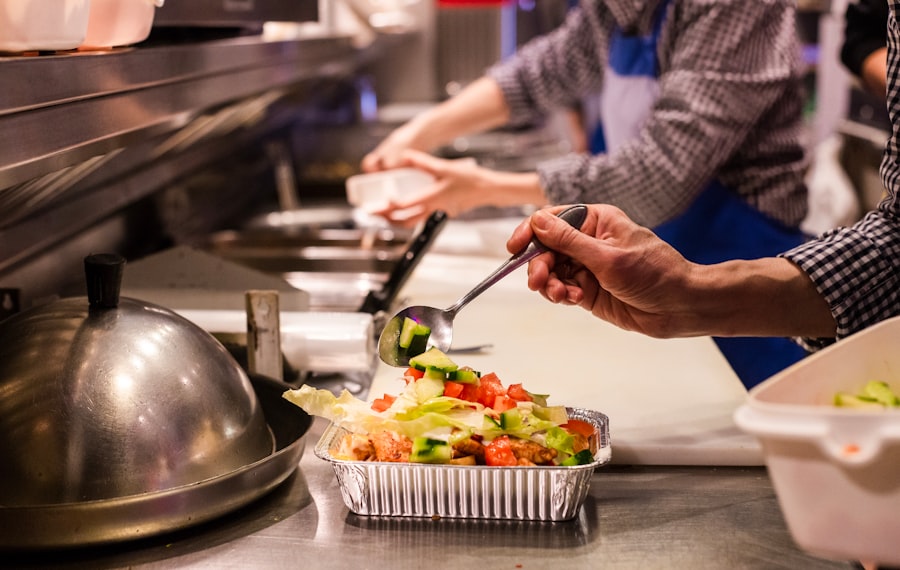
While the costs you face are on the rise, the income you rely on seems to be lagging, creating a frustrating paradox.
The Slow Pace of Wage Growth
For many, wage growth has not kept pace with the rapid increase in the cost of living, particularly food. This isn’t about a lack of hard work; it’s about an economic imbalance that disproportionately affects your financial stability.
The Impact of Minimum Wage Policies
While efforts are made to increase the minimum wage, its progression is often incremental and can fall short of adequately addressing the rising cost of essential goods. For those earning at or near the minimum wage, the disconnect is particularly severe, making it a constant struggle to afford basic necessities. You might be working more hours, but the value of those hours isn’t keeping up.
The Decline of Unionization and Collective Bargaining
Historically, unions played a significant role in ensuring that wages kept pace with productivity and inflation. In many sectors, the decline of union membership and collective bargaining power has contributed to stagnant wages for a large segment of the workforce. Without a collective voice, individual workers often have less leverage to negotiate for fair compensation that reflects the true cost of living.
The Widening Income Inequality
The disconnect between wages and food prices is not a uniform experience. It’s often exacerbated by broader trends of income inequality, where wealth and income are increasingly concentrated at the top.
The “Superstar” Economy Effect
In some industries, economic gains are concentrated among a few highly paid individuals or companies, while the majority of workers see little to no benefit. This creates a scenario where overall economic growth doesn’t translate into widespread wage increases for the average person. You might hear about economic prosperity, but you don’t feel it reflected in your own paycheck.
The Globalization of Labor Markets
Globalization, while offering some benefits, has also led to increased competition for labor in certain sectors. This can put downward pressure on wages, as companies may have access to a wider pool of labor, both domestically and internationally, to keep costs down. The power dynamic shifts, often away from the individual worker.
The Social and Health Implications of Affordability
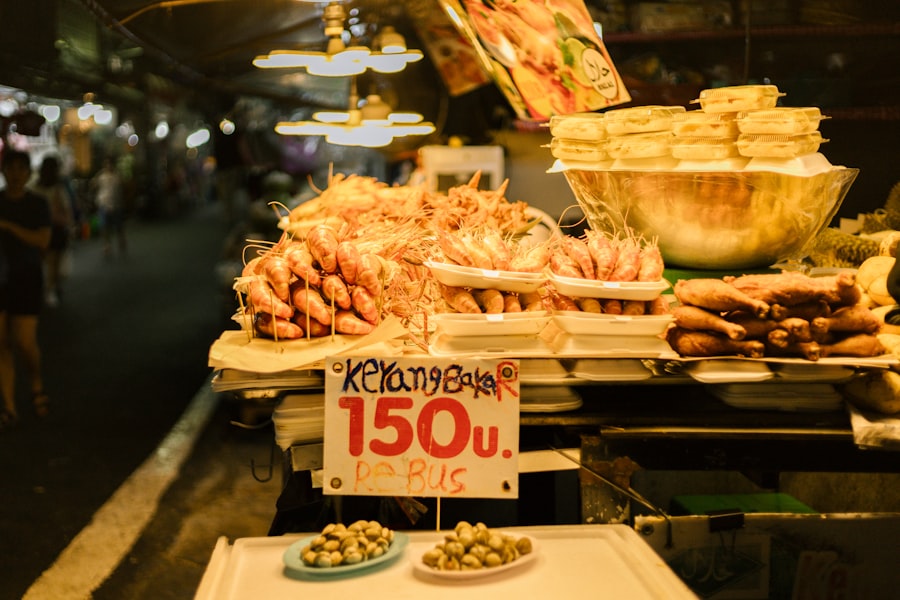
The inability to afford adequate and nutritious food has far-reaching consequences that extend beyond your immediate budget.
Food Insecurity and Malnutrition
When food prices become unaffordable, many individuals and families are forced to make difficult choices, leading to food insecurity. This means inconsistent access to enough food for an active, healthy life.
The Cycle of Poor Nutrition
The inability to afford fresh produce, lean proteins, and other nutrient-rich foods often leads people to rely on cheaper, more processed, and less nutritious options. This can result in a diet lacking essential vitamins and minerals, contributing to a range of health problems over time. You might be filling your stomach, but you’re not adequately nourishing your body.
The Long-Term Health Burden
The health consequences of poor nutrition can manifest as increased rates of obesity, diabetes, heart disease, and other chronic conditions. This places a significant burden not only on individuals and their families but also on healthcare systems.
The Impact on Children’s Development
Children are particularly vulnerable to the effects of food insecurity and poor nutrition. Inadequate access to nutritious food during critical developmental stages can lead to impaired cognitive function, behavioral problems, and a higher risk of chronic diseases later in life. The future well-being of a generation is at stake.
The Strain on Social Services
As more people struggle to afford basic necessities, the demand on social services, food banks, and other charitable organizations increases.
The Growing Reliance on Food Banks
Food banks and charitable organizations are often the last line of defense for those facing severe food insecurity. However, these organizations themselves face challenges in sourcing sufficient donations and managing increased demand, creating a strain on their resources. You see lines at food banks growing, a visible manifestation of the disconnect you’re experiencing.
The Government’s Role and Capacity
Government assistance programs, such as SNAP (Supplemental Nutrition Assistance Program) or similar initiatives, are designed to help bridge the gap. However, the adequacy of these programs can be debated, especially when they are not fully adjusted to account for the rapid rise in food prices. The safety net that’s supposed to catch you might be fraying.
Many individuals are increasingly concerned about the disparity between wages and rising food costs, a topic that has been explored in depth in various articles. For instance, a related article discusses the economic factors contributing to this issue and can be found here: why wages are not keeping up with food costs. As inflation continues to impact the prices of essential goods, workers are feeling the strain of stagnant salaries, making it difficult for families to maintain their standard of living.
Navigating the Challenges and Seeking Solutions
| Reasons | Explanation |
|---|---|
| Productivity | Wages have not kept up with productivity gains, leading to a disconnect between wages and the cost of living. |
| Globalization | Increased competition from global markets has put downward pressure on wages, making it difficult for workers to keep up with rising food costs. |
| Income Inequality | The growing gap between the highest and lowest earners has resulted in a smaller share of income going to workers, making it harder to afford food. |
| Minimum Wage | The minimum wage has not kept pace with inflation, making it harder for low-wage workers to afford basic necessities like food. |
| Cost of Living | Rising housing, healthcare, and education costs have squeezed household budgets, leaving less money for food purchases. |
While the disconnect between wages and food prices presents a formidable challenge, understanding the problem is the first step towards finding and advocating for solutions.
Advocating for Fair Wages and Economic Policies
Addressing the root causes requires systemic change and a commitment to policies that support a more equitable distribution of economic gains.
Supporting Minimum Wage Increases
Advocating for a minimum wage that genuinely reflects the cost of living is crucial. This means ensuring that increases are sufficient to cover essential needs, including food, housing, and healthcare, and that they are regularly adjusted for inflation. You need your work to be rewarded with enough to live, not just survive.
Promoting Collective Bargaining Rights
Strengthening the rights of workers to organize and engage in collective bargaining can empower individuals to negotiate for fair wages, benefits, and working conditions that keep pace with economic realities.
The Power of United Voices
When workers band together, they have a stronger voice to advocate for their economic well-being. This can lead to improvements not only in wages but also in broader economic policies that benefit society as a whole.
Consumer Strategies and Community Support
While systemic change is paramount, there are also individual and community strategies that can help mitigate the impact of rising food costs.
Smart Grocery Shopping and Budgeting
Developing savvy shopping habits, such as meal planning, buying in bulk when feasible, utilizing coupons and loyalty programs, and prioritizing store brands can help stretch your grocery budget further. You learn to be more efficient with your limited resources.
Supporting Local Food Systems and Community Gardens
Engaging with local farmers’ markets and supporting community-supported agriculture (CSA) programs can sometimes offer fresher produce at competitive prices, while also bolstering your local economy. Community gardens, where they exist, can provide an opportunity for shared cultivation and access to fresh produce.
Building Resilient Food Communities
These initiatives foster a sense of community and create more resilient local food systems, reducing reliance on long-distance supply chains that are susceptible to disruptions and price volatility.
The Long Road Ahead
The disconnect between your wages and the soaring price of food is a complex issue with no easy answers. It requires a multipronged approach involving individual awareness, community action, and significant policy reform. You are not alone in this struggle. By understanding the forces at play and advocating for change, you can contribute to a future where access to nutritious food is not a luxury, but a fundamental right that your hard-earned wages can secure.
FAQs
1. Why are wages not keeping up with food costs?
Wages are not keeping up with food costs due to a variety of factors, including inflation, supply chain disruptions, and increased demand for certain food items.
2. How does inflation impact wages and food costs?
Inflation erodes the purchasing power of wages, meaning that even if wages increase, they may not keep up with the rising cost of goods, including food.
3. What role do supply chain disruptions play in the disparity between wages and food costs?
Supply chain disruptions, such as transportation delays and labor shortages, can lead to higher food prices as the cost of production and distribution increases, impacting the overall cost of food for consumers.
4. How does increased demand for certain food items affect food costs and wages?
Increased demand for specific food items, such as meat or dairy products, can drive up prices due to limited supply, impacting both the cost of food and the ability of wages to keep up with these rising costs.
5. What are some potential solutions to address the disparity between wages and food costs?
Potential solutions to address the disparity between wages and food costs include implementing policies to increase the minimum wage, addressing supply chain issues, and promoting sustainable food production to mitigate price increases.