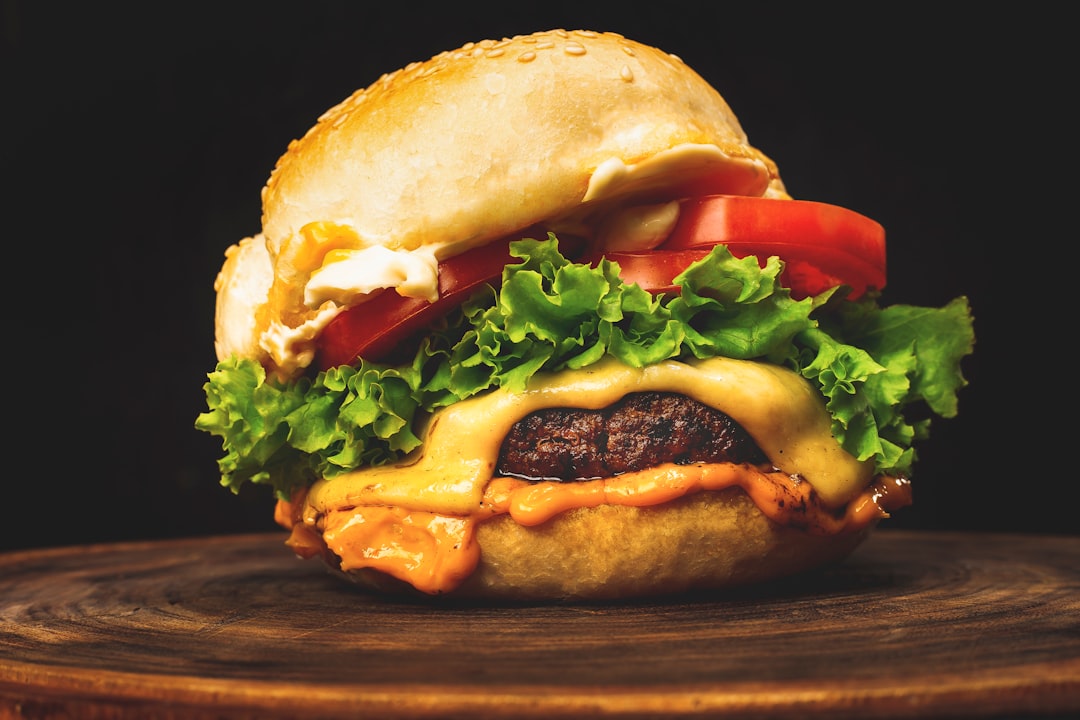
You’ve probably noticed it. That familiar pang of hunger, the craving for something quick and easy, coupled with the dawning realization that “quick and easy” also means “surprisingly expensive” these days. For years, fast food was the undisputed champion of the budget meal. It was the go-to option for students, busy families, and anyone looking to stretch their dollar. But that era feels like it’s fading, replaced by a new reality where your favorite drive-thru order now comes with a noticeably higher price tag.
It’s a subtle shift, perhaps. You might have blamed a single item, a specific burger combo, or a particularly indulgent shake. But the truth is, the rising cost of fast food is a pervasive trend, impacting nearly every menu item across the board. You’re paying more for those fries, more for that burger, more for that coffee. It begs the question: why has the once-cheap meal become a luxury you have to carefully consider?
The most direct and understandable reason for the escalating prices is the fundamental cost of the raw materials that go into your fast food. You might not think about it much when you’re ordering, but those burgers, buns, fries, and drinks all have roots in agriculture and food production, and those sectors are currently facing significant headwinds.
The Price of Protein
Meat, particularly beef, is a cornerstone of many fast-food menus. Supply chain disruptions, increased demand, and the rising cost of feed have all contributed to higher prices for cattle. You’re not just paying for the animal; you’re paying for the grain it eats, the land it grazes on, and the labor involved in its upkeep. Even poultry, often seen as a more budget-friendly alternative, isn’t immune. Avian flu outbreaks, challenges in feed production, and increased demand have put upward pressure on chicken prices as well.
The Greening of the Fry
Potatoes, the humble heroes of countless fast-food meals, have also seen their prices fluctuate. Weather events, from droughts to excessive rain, can decimate crops, leading to shortages. Furthermore, the cost of fertilizers and pesticides, essential for maximizing yield, has also risen, pushing up the price that farmers can afford to sell their produce for. You might think of fries as simple, but their cost is tied to a complex agricultural ecosystem.
Dairy and Beyond
Even seemingly minor ingredients are affected. The cost of milk, used in shakes, cheese, and countless other dairy products, has been impacted by factors like feed costs and labor shortages. These seemingly small increases, when multiplied across an entire menu, add up to a significant impact on the final price you pay.
As the cost of living continues to rise, many consumers are realizing that fast food is no longer the cheap option it once was. A related article discusses the shifting dynamics of food pricing and how inflation has impacted the fast food industry, making it less affordable for families on a budget. For more insights on this topic, you can read the article here: How Wealth Grows.
Labor Pains: The Growing Cost of Human Capital
Beyond the ingredients themselves, the people who prepare your food and serve you are also a significant cost center for fast-food restaurants, and their wages have been steadily increasing. This isn’t necessarily a bad thing for the workers, but it inevitably translates to higher prices for consumers.
The Minimum Wage Debate and Beyond
The push for higher minimum wages, while beneficial for many low-wage workers, directly impacts the labor costs of fast-food businesses. To remain competitive and attract a reliable workforce, many establishments have had to raise their hourly rates. This is a fundamental shift from a time when fast food was often characterized by very low labor costs.
Staffing Shortages and Retention Challenges
Even in areas where minimum wage hasn’t seen dramatic increases, many fast-food companies are struggling with staffing shortages. This forces them to offer higher wages and better benefits to attract and retain employees. The effort to keep their kitchens staffed and their counters manned comes at a price, and that price is ultimately passed on to you. You’re not just paying for the food; you’re paying for the person preparing it, the person taking your order, and the person cleaning the tables.
The Cost of Training and Turnover
High employee turnover is a perennial issue in the fast-food industry. The constant need to recruit, hire, and train new staff adds significant costs. These training programs require time, resources, and experienced employees to conduct them, all of which contribute to the overall operational expenses that get factored into your bill.
Supply Chain Shenanigans and Transportation Troubles

The journey your food takes from farm to your hands is a complex logistical operation, and it’s a journey that has become significantly more expensive over the past few years. You might not see the trucks or the warehouses, but their operational costs are being reflected in your drive-thru total.
The Price of Fuel
The most obvious contributor to increased transportation costs is the soaring price of fuel. Whether it’s the diesel for the delivery trucks or the gasoline for the vehicles that bring supplies to individual restaurants, higher fuel prices directly translate to higher shipping costs. These costs are absorbed by the fast-food companies and then passed on to you.
Shipping Bottlenecks and Delays
Beyond just the cost of fuel, disruptions in global and domestic supply chains have led to delays and increased complexity in getting ingredients to where they need to be. Port congestion, a shortage of truck drivers, and unexpected events can all create backlogs and inefficiencies, driving up the cost of moving goods. This translates to higher prices for ingredients and the finished products you consume.
Packaging and Processing Expenses
It’s not just the raw ingredients that need to be transported. The packaging that holds your food, from burger wrappers to fry containers, also has associated costs that have risen due to raw material prices and manufacturing expenses. Furthermore, the processing of these ingredients, from chopping vegetables to forming burger patties, also incurs operational costs that are influenced by energy prices and labor.
Increased Operational Expenses for Restaurants

The interconnectedness of the economy means that a rise in one area inevitably affects others. Fast-food restaurants are not immune to these broader economic forces, and many of their day-to-day operational costs have also seen an upward trend.
Rent and Utilities
The physical locations of fast-food establishments, whether in prime urban areas or busy suburban centers, come with significant rental costs. These leases often increase over time, reflecting the economic value of the location. Furthermore, the cost of utilities – electricity, gas, water – is also on the rise, impacting everything from powering the fryers to keeping the lights on.
Equipment and Maintenance
The sophisticated equipment used in fast-food kitchens, from ovens and grills to milkshake machines, requires regular maintenance and eventual replacement. The cost of manufacturing and servicing this equipment, as well as the spare parts needed for repairs, has also increased, adding to the restaurant’s overhead.
Marketing and Advertising Shifts
While you might not directly see it in the price of a single burger, fast-food companies also invest heavily in marketing and advertising to maintain their brand presence and attract customers. The cost of media placements, digital advertising, and promotional campaigns can also fluctuate. In some cases, increased competition or a need to stand out in a crowded market might lead to higher marketing spends, which can, indirectly, influence pricing strategies.
As the cost of living continues to rise, many people are beginning to realize that fast food is no longer the cheap option it once was. In fact, a recent article explores how the prices of ingredients and labor have significantly increased, leading to higher menu prices at popular chains. This shift has prompted consumers to reconsider their dining choices, often seeking healthier and more cost-effective alternatives. For more insights on this topic, you can read the full article here.
Evolving Consumer Expectations and Menu Diversification
| Reasons why fast food is no longer a cheap option |
|---|
| 1. Rising prices of fast food items |
| 2. Additional charges for customization and add-ons |
| 3. Health costs associated with consuming fast food |
| 4. Increased competition leading to higher prices |
| 5. Limited healthy and affordable options on fast food menus |
The fast-food landscape isn’t static, and your own preferences have evolved over time. This has led to an expansion of menus and a focus on offerings that might carry higher production costs.
The Rise of “Premium” Options
You’ve likely seen the introduction of “premium” burgers, with higher-quality ingredients like artisanal buns, specialty cheeses, or gourmet toppings. While these might offer a more satisfying experience, they inherently come with a higher cost of goods. Restaurants are catering to a segment of the market willing to pay more for perceived quality.
Healthier and Alternative Choices
There’s also a growing demand for healthier options, including salads, grilled items, and plant-based alternatives. While these can be perceived as less processed, the cost of fresh produce, specialty ingredients for plant-based options, and the research and development required to create these new items can also contribute to higher ticket prices.
Breakfast and Coffee Wars
The breakfast and coffee dayparts have become highly competitive. To attract morning commuters and coffee enthusiasts, fast-food chains have expanded their breakfast menus and invested in more sophisticated coffee machines and higher-quality beans. The cost of these expanded offerings and more premium beverages is now reflected in your morning order.
The Erosion of “Cheap” Fast Food
In conclusion, the days of fast food being an undeniably cheap meal are largely behind you. The confluence of rising ingredient costs, increased labor expenses, tangled supply chains, escalating operational overheads, and evolving consumer demands has created a new pricing reality. You’re not just paying for the convenience anymore; you’re paying for the complex web of factors that brings that food to your hands. While it might be frustrating to see your favorite budget-friendly option become less so, understanding the underlying reasons can at least provide some clarity as you navigate the increasingly expensive world of fast food. You’re left to weigh the convenience and craving against the cost, a calculation that has become far more nuanced than it used to be.
FAQs
1. Why has fast food become more expensive?
Fast food has become more expensive due to various factors such as rising food costs, increased labor costs, and inflation. Additionally, fast food chains have also introduced higher quality ingredients and menu items, which contribute to the overall increase in prices.
2. Are there any health-related costs associated with consuming fast food?
Yes, consuming fast food can lead to various health-related costs such as obesity, heart disease, diabetes, and other chronic health conditions. These health issues can result in increased medical expenses and reduced quality of life.
3. How does the cost of fast food compare to cooking at home?
Cooking at home is generally more cost-effective than consuming fast food. Purchasing groceries and preparing meals at home can be significantly cheaper than regularly purchasing fast food meals, especially for families or individuals on a budget.
4. Are there any hidden costs associated with fast food consumption?
Yes, there are hidden costs associated with fast food consumption, such as the long-term health consequences of consuming unhealthy, high-calorie meals. Additionally, frequent fast food consumption can lead to a reliance on convenience foods, which may result in a lack of essential nutrients and an increased risk of developing health issues.
5. What are some alternatives to fast food for budget-friendly meals?
Some alternatives to fast food for budget-friendly meals include meal prepping at home, purchasing affordable and nutritious ingredients, and exploring cost-effective recipes. Additionally, exploring local food markets and discount grocery stores can also help individuals find affordable and healthy meal options.