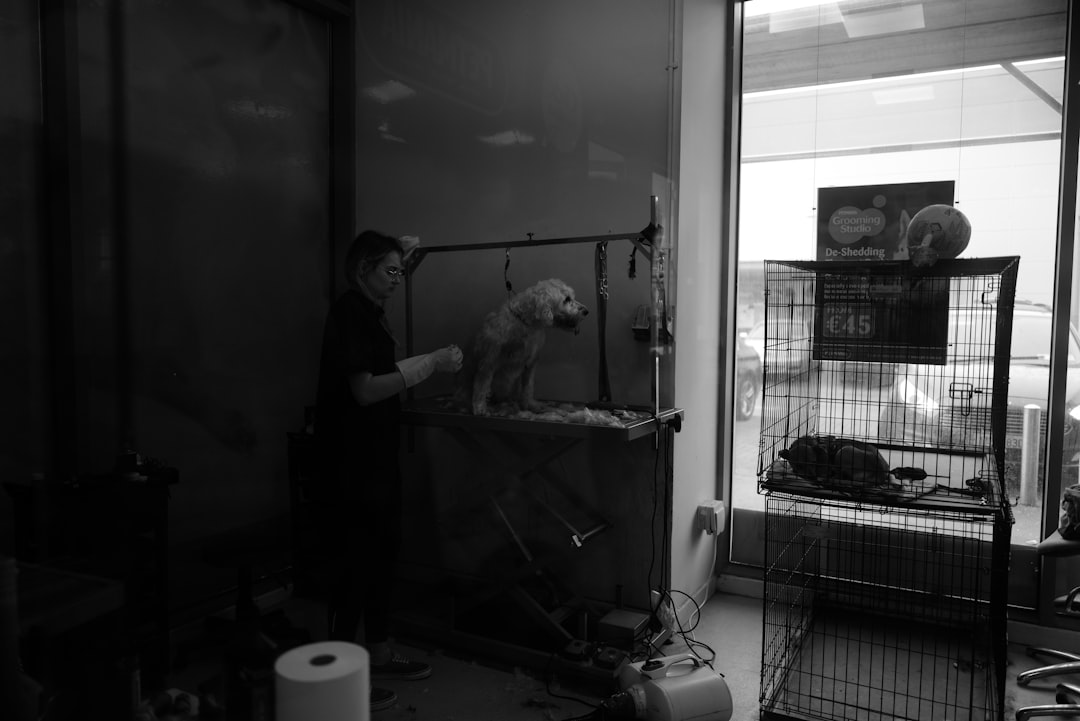
It’s getting harder for small, independent veterinary practices to stay afloat these days. You’ve probably noticed it, or maybe a friend has mentioned it – fewer local, family-run vets around and more big corporate names popping up. There are some pretty heavy financial pressures and intense market competition making it a tough climb for these practices.
The Shifting Landscape of Veterinary Care
The days of a solo vet operating out of a small clinic are becoming less common. The veterinary world isn’t static, and several forces are reshaping it. Understanding these shifts is key to appreciating why independent vets are facing such a squeeze.
The Rise of Corporate Consolidation
You’ve likely seen them: “VCA,” “Banfield,” “BluePearl.” These are large corporate groups that have been buying up independent practices at a significant pace over the last couple of decades.
Why Corporations Buy Practices
It’s not just about expanding their footprint. Corporations see these acquisitions as strategic opportunities. They aim to leverage economies of scale, centralize purchasing power, and offer a standardized experience across multiple locations. For them, it’s a business model that prioritizes efficiency and predictable revenue streams.
Impact on Local Ownership
This consolidation means fewer opportunities for individual veterinarians to own their own practice. It can also lead to a shift in focus from a community-oriented approach to a more standardized, corporate one.
Changing Client Expectations
What pet owners expect from veterinary care has also evolved. Higher expectations mean more complex treatments and advanced diagnostics, which, naturally, come with higher price tags.
Demand for Advanced Technology
Modern pet owners often view their pets as family members and want them to receive the best possible care. This translates to a demand for advanced diagnostic tools like MRI and CT scanners, sophisticated surgical equipment, and cutting-edge treatments that were once only available in specialized human hospitals.
The Price Barrier
While owners want the best, they don’t always realize the significant investment required to provide these services. The cost of acquiring, maintaining, and updating this technology is substantial, and it directly impacts the operating expenses of a practice.
The recent trend of independent veterinary practices closing down has raised concerns within the pet care community. A related article explores the financial pressures and challenges faced by these small businesses, highlighting factors such as rising operational costs and increased competition from corporate veterinary chains. For more insights on this pressing issue, you can read the article at this link.
The Squeeze on Practice Finances
Running a veterinary practice involves a multitude of costs, and many of these have been steadily increasing, putting a strain on independent businesses.
Rising Operational Expenses
It’s more than just the cost of medications. Every aspect of running a clinic has become pricier.
Staffing Costs: A Growing Burden
Veterinary professionals, especially skilled technicians and associates, are in high demand. This competition drives up salaries and benefits packages. Attracting and retaining qualified staff is crucial for quality care, but it’s a significant financial outlay for independent practices.
Equipment and Technology Investments
As mentioned, keeping up with technological advancements is essential. The latest diagnostic equipment, anesthesia machines, and surgical tools are expensive to purchase and even more so to maintain and repair. Think about the ongoing software updates, calibration, and specialized service contracts.
Inventory and Supply Costs
The cost of pharmaceuticals, vaccines, lab supplies, and even everyday consumables like gloves and syringes has seen continuous increases. Supply chain disruptions can further exacerbate these issues, leading to unpredictable price hikes and shortages.
The Challenge of Pricing Services
Finding the right balance between covering costs and remaining affordable for pet owners is a constant tightrope walk.
Navigating the Fee-for-Service Model
Independent vets primarily operate on a fee-for-service model. Every procedure, consultation, and medication comes with a price. While transparent, this can sometimes lead to sticker shock for clients, especially when complex or unexpected treatments are needed.
Competition from Lower-Cost Options
The rise of corporate chains, often with bulk purchasing power and sometimes different profit margin expectations, can put pressure on independent practices to keep their prices competitive. This can be a difficult position to be in when facing higher overheads for specialized equipment or personalized care.
Market Competition: More Than Just Price
The competitive landscape for veterinary services has intensified, and it’s not just about offering the lowest prices.
The Dominance of Large Veterinary Groups
These corporate entities have a powerful presence in the market, and their strategies can impact independent practices significantly.
Economies of Scale and Purchasing Power
Large groups can negotiate better prices for medications, supplies, and even equipment due to their sheer volume. This purchasing advantage is hard for smaller practices to match.
Centralized Marketing and Branding
Corporate entities often have larger marketing budgets, allowing them to reach a wider audience. They can standardize their branding and messaging across multiple locations, creating a recognizable and often trusted image.
The Rise of Niche and Specialized Practices
While corporate groups focus on broad services, there’s also an emergence of highly specialized veterinary services.
Super-Specialists and Referral Centers
Examples include cardiology, oncology, neurology, and advanced surgery. These specialists often operate in dedicated centers with state-of-the-art equipment, and while they offer incredible care, they are also costly services. Independent general practices may refer cases to these specialists, which can cut into their own service revenue.
Alternative and Complementary Therapies
There’s also growing interest in areas like rehabilitation, acupuncture, and holistic veterinary medicine. While these can complement traditional care, they often require specialized training and equipment, adding another layer of competition and investment for practices looking to offer a wider range of services.
Innovation vs. Investment: The Technology Dilemma
Modern veterinary medicine is heavily reliant on technology, but acquiring and maintaining it presents a significant hurdle for independent practices.
The Cost of Cutting-Edge Diagnostics
Imagine needing an MRI machine in your clinic. The initial purchase price alone can be hundreds of thousands, if not over a million, dollars. Add to that the installation, maintenance contracts, service engineers, and the specialized staff required to operate it.
Imaging Technologies: MRI, CT Scans, Digital X-rays
These advancements are revolutionary for diagnosing conditions. However, the capital expenditure is immense. Independent practices must weigh the potential benefit and revenue against the enormous upfront and ongoing costs.
Advanced Surgical Equipment
Precision surgical tools, laser surgery units, and advanced patient monitoring systems all contribute to better outcomes but also represent significant financial commitments.
The Return on Investment Calculation
For a corporate group, the ROI calculation is often clearer due to predictable patient flow and standardized pricing. For an independent vet, it’s a more personal and often riskier decision.
Balancing Patient Needs with Financial Viability
An independent practice owner might see the immense value of a new diagnostic tool for their patients, but the decision to invest is heavily influenced by their ability to recoup those costs through patient volume and service fees. This can lead to a slower adoption of new technologies compared to larger, more financially robust organizations.
The recent trend of independent veterinary practices closing down has raised concerns within the pet care community. Many factors contribute to this issue, including rising operational costs and increased competition from corporate veterinary chains. For a deeper understanding of the financial pressures facing these small businesses, you can read a related article that explores the economic challenges in the veterinary field. This insightful piece sheds light on why so many independent vets are struggling to stay afloat, making it essential reading for anyone interested in the future of pet care. To learn more, visit this article.
The Future of Independent Veterinary Care
Despite the challenges, there’s a strong desire to preserve the independent veterinary practice model. The question is, how?
Strategies for Survival and Growth
It’s not all doom and gloom. Many independent practices are finding innovative ways to navigate the current climate.
Building Strong Client Relationships and Trust
The personal touch and long-term relationships built by independent vets are invaluable. Clients often appreciate the continuity of care and the feeling of being a valued part of a community practice.
Focusing on Niche Services and Specialization
Some independent practices are finding success by carving out a niche. This could be through a particular interest in a specific species (exotics, for example), a specialized skill like dentistry, or by offering highly personalized wellness plans.
Collaborative Efforts and Buying Groups
As individual practices face financial pressures, there’s a growing trend towards collaboration. Forming buying groups can help negotiate better prices on supplies and medications. Some practices are also exploring shared ownership models for large equipment to reduce individual financial burdens.
The Importance of Financial Literacy and Business Acumen
Being a great veterinarian is essential, but it’s no longer enough. Modern practice ownership requires strong business skills.
Understanding Practice Management and Marketing
Independent vets often have to become adept at managing staff, marketing their services, and understanding financial statements. This requires dedicated learning and sometimes seeking external business advice.
Adapting to a Changing Economic Climate
The ability to adapt to economic fluctuations, changing regulations, and evolving client expectations is paramount. This means being flexible, open to new ideas, and willing to implement changes to ensure the long-term viability of the practice.
The veterinary landscape is undoubtedly complex and challenging for independent practices. The financial pressures from rising costs and the increasing competition from larger entities are significant. However, the dedication of independent veterinarians and their focus on personalized care and community relationships offer a path forward. It’s a continuous effort to balance providing the best possible care with the realities of running a sustainable business in a rapidly evolving market.
FAQs
1. Why are independent vets closing down?
Independent vets are facing challenges such as rising operating costs, increased competition from corporate veterinary chains, and difficulty in attracting and retaining clients.
2. How are rising operating costs impacting independent vets?
Rising costs of rent, utilities, medical supplies, and staffing are putting financial strain on independent veterinary practices, making it difficult for them to remain profitable.
3. What role do corporate veterinary chains play in the closure of independent vets?
Corporate veterinary chains have been expanding rapidly, offering competitive pricing and convenience, which has drawn clients away from independent vets and impacted their bottom line.
4. How are independent vets struggling to attract and retain clients?
Independent vets are finding it challenging to compete with the marketing and advertising resources of corporate veterinary chains, making it difficult to attract and retain clients in their local communities.
5. What are the implications of independent vets closing down?
The closure of independent vets can lead to reduced access to personalized and community-focused veterinary care, as well as potential job loss for veterinary professionals who work in these practices.