So, you’re probably wondering how all these veterinary practices being bought up by big companies like IVC Evidensia are actually affecting things for you, your pets, and the vets themselves. It’s a pretty common question, and the truth is, it’s not a simple yes or no answer. Consolidation in the veterinary world, with IVC Evidensia being a major player, has a ripple effect that touches different aspects of animal care.
You’ve likely noticed more “Part of the IVC Evidensia family” signs popping up around your local vets, or perhaps your trusted practice has recently been acquired. This trend, known as consolidation, is when larger corporate groups purchase and integrate multiple independent veterinary clinics and hospitals into their network. IVC Evidensia is one of the largest of these groups globally.
Why is This Happening?
Several factors are driving this consolidation. For independent practice owners, selling to a larger group can offer a way to retire, gain financial security, or offload the increasing administrative burden of running a business in the current economic climate. For the corporate groups, it’s about achieving economies of scale, expanding their market reach, and creating a network that offers a consistent standard of care, purchasing power for medications and equipment, and potentially a shared pool of specialists.
IVC Evidensia’s Role
IVC Evidensia has been particularly active in acquiring veterinary practices across Europe and North America. They aim to build a network of high-quality veterinary services, from small animal general practice to referral hospitals and even some specialist areas like equine and dental. They often emphasize their commitment to clinical freedom for vets and investment in practice facilities and training.
IVC Evidensia’s ongoing consolidation in the veterinary sector has sparked considerable interest among industry professionals and investors alike. For those looking to understand the broader implications of such consolidations, a related article can be found at How Wealth Grows, which discusses the impact of mergers and acquisitions in various industries, including veterinary services. This article provides valuable insights into the trends and challenges faced by companies in the process of consolidation.
Impact on Veterinary Staff
For the individuals actually providing your pet’s care, the impact of consolidation can be varied, and often depends on the specific practice and the management it receives within the larger group.
Role and Autonomy
Many vets and nurses express concerns about a potential loss of autonomy. In smaller, independent practices, decisions are often made more directly by the owner-veterinarian. Within a large corporate structure, there can be a greater emphasis on standardized protocols, reporting, and financial targets.
Clinical Decision-Making
While corporate groups like IVC Evidensia often state they support clinical freedom, the reality on the ground can be different. There might be pressure to upsell certain services or to adhere to preferred suppliers for equipment and medications, which can subtly influence treatment plans, even if not explicitly dictated. This is something many vets are keenly aware of and navigate with varying degrees of success.
Employment and Benefits
On the flip side, joining a larger group can mean access to better employee benefits, more structured career progression pathways, and potentially higher salaries. Corporate structures often have dedicated HR departments and can offer more consistent professional development opportunities, training programs, and access to advanced equipment that might be unaffordable for a single independent practice. This can be a significant draw for veterinary professionals looking for stability and growth in their careers.
Workload and Stress
The veterinary profession is already known for its demanding nature and high burnout rates. Consolidation can exacerbate this in some ways. For instance, larger groups might implement more stringent performance metrics, leading to increased pressure on staff to see more clients or perform more procedures in a given time. However, in other cases, the corporate structure might streamline administrative tasks, freeing up vets and nurses to focus more on patient care.
Staff Retention
The impact on staff retention is a mixed bag. Some vets and nurses appreciate the career opportunities, benefits, and stability offered by larger groups. Others may feel a loss of the close-knit, personal atmosphere of an independent practice and leave for smaller clinics or even consider leaving the profession due to feeling like a cog in a machine.
Impact on Your Pet’s Care and Access
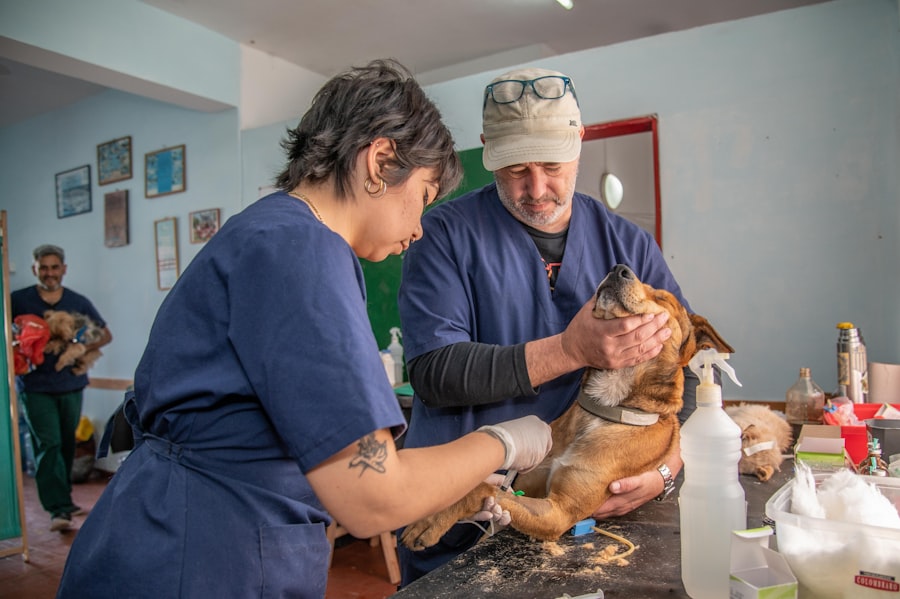
This is probably what most pet owners are most concerned about: how does this affect the care my pet receives, and can I still get appointments?
Consistency of Care
One of the touted benefits of consolidation is a more consistent standard of care across a network. This can be positive, meaning you can expect a certain level of service and quality regardless of which IVC Evidensia practice you visit. They often invest in upgrading facilities to meet uniform standards and provide access to advanced diagnostic equipment.
Access to Specialists
Larger groups can pool resources and expertise, leading to better access to advanced veterinary services and specialists within their network. Instead of needing to refer to a completely independent referral center, your local IVC Evidensia practice might have direct connections or even in-house specialists that can handle more complex cases. This can be a significant advantage for pets needing specialized treatment.
Cost of Services
This is a frequently debated point. Some argue that corporate consolidation leads to increased prices due to added layers of management, profit motives, and the need to recoup investment. Others contend that economies of scale can actually lead to greater efficiency and competitive pricing, especially for common treatments or medications.
Price Transparency
It’s important to be aware that prices can vary. While IVC Evidensia may aim for consistency, the actual pricing in individual practices can still be influenced by local operating costs, the complexity of cases seen, and the specific services offered. It’s always a good idea to ask for estimates of common procedures and treatments.
Appointment Availability
The impact on appointment availability is not uniform. In some areas, consolidation can lead to better resource allocation, meaning more vets and nurses are available, potentially improving appointment slots. In other areas, especially where a corporate group buys up multiple practices and perhaps consolidates services, there might be a reduction in the number of accessible locations, leading to longer wait times for routine appointments.
Choice of Provider
As more practices are absorbed, the number of truly independent options may decrease in certain regions. This can limit choices for owners who specifically prefer to support independent businesses or who have had long-standing relationships with a particular veterinary team.
Innovation and Investment
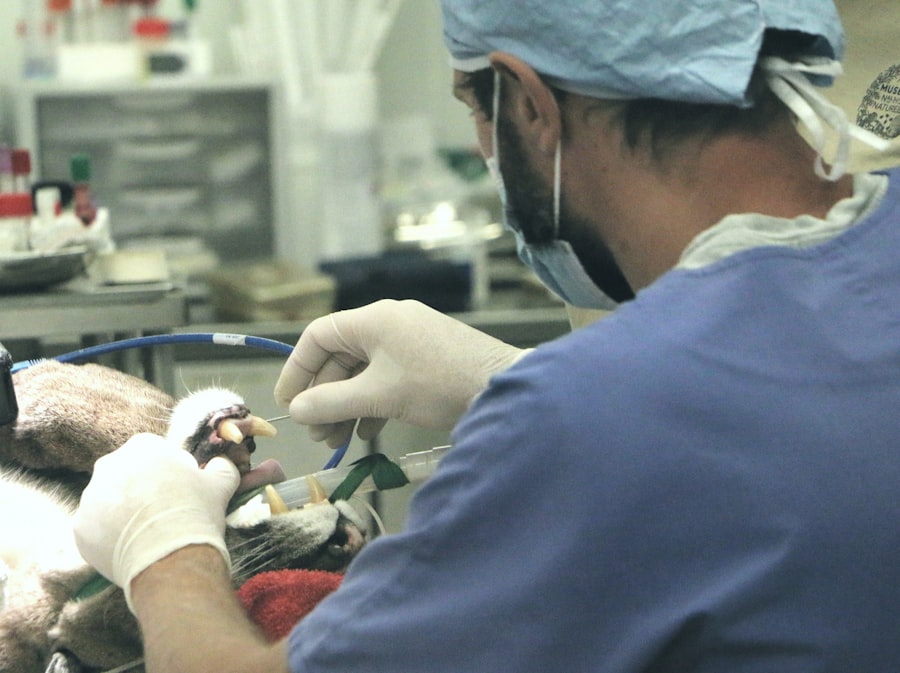
Corporate groups often have deeper pockets, which can translate into significant investment in new technologies and facilities.
Modern Facilities and Equipment
IVC Evidensia, like other large consolidators, often invests in upgrading practice premises, purchasing state-of-the-art diagnostic equipment (like advanced MRI or CT scanners), and improving surgical suites. This can mean your pet gets access to cutting-edge diagnostics and treatment that might have been out of reach for smaller independent clinics.
Research and Development
While independent practices contribute to veterinary knowledge through experience, larger corporations can sometimes fund or initiate more formalized research and development projects. This could lead to advancements in understanding and treating animal diseases, although the immediate impact on your local practice might be less visible than a new X-ray machine.
Professional Development for Staff
As mentioned earlier, corporate groups often provide structured training programs and opportunities for continuing professional development. This can ensure that vets and nurses are up-to-date with the latest advancements in veterinary medicine, benefiting patient care. This might include funding for specialist training, conferences, or in-house educational sessions.
Adoption of New Protocols
A common approach in consolidation is the implementation of standardized protocols for common conditions or procedures. While this can ensure a baseline quality of care, it might also mean that some practitioners are less able to deviate from these protocols, even if experience suggests an alternative approach might be best for a particular patient.
The recent consolidation of IVC Evidensia in the veterinary sector has sparked considerable interest among industry professionals and investors alike. This strategic move is part of a broader trend in the veterinary market, where larger entities are increasingly acquiring smaller practices to enhance service offerings and operational efficiency. For those looking to understand the financial implications of such consolidations, an insightful article can be found here, which explores how wealth is generated in the evolving landscape of veterinary services.
The ‘Human’ Element: Relationships and Culture
| Year | Number of Acquisitions | Revenue Growth |
|---|---|---|
| 2018 | 32 | 15% |
| 2019 | 45 | 20% |
| 2020 | 55 | 25% |
Beyond the technical aspects of veterinary care, there’s the relationship you build with your vet practice and the overall culture of the clinic.
Doctor-Client Relationships
Your connection with your veterinarian is often built over years, sometimes even generations. When a practice is acquired, the familiar faces might change, or the established rapport could be altered by new management with different priorities. While the core of the veterinary profession is about caring for animals, the human-to-human interaction is also a significant part of the experience.
Continuity of Care
For long-term clients, the departure of a veterinarian they’ve known and trusted can disrupt the continuity of care, especially for pets with chronic conditions. While a new vet will do their best, the deep understanding and history built with the previous practitioner are unique.
Clinic Culture
Independent practices often develop a distinct culture, shaped by the owner’s personality and values. Corporate acquisition can lead to a shift in this culture, with a greater emphasis on standardized procedures and business metrics. This can sometimes feel less personal and more transactional.
Community Presence
Smaller, independent practices are often deeply embedded in their local communities. They may sponsor local events or have a reputation tied to the families who have owned them for decades. When these practices become part of a larger, often more generalized corporate identity, some of that local connection can be diluted.
Navigating the Changes: What Can You Do?
Understanding these impacts is one thing; knowing how to navigate them is another. The key is staying informed and being proactive.
Staying Informed
Be aware of which practices in your area are part of larger groups. Their websites or signage will usually indicate this. Don’t be afraid to ask about their ownership structure if you’re unsure.
Open Communication with Your Vet
If you have concerns about how consolidation might affect your care, have an open conversation with your veterinarian or the practice manager. They can often reassure you about how the practice is managed and how pet care remains the priority.
Evaluating Your Options
Consider what you value most in a veterinary practice. Is it affordability, specialized services, the personal relationship with your vet, or convenience?
Researching Practices
Take the time to research different practices, both independent and corporate-affiliated. Read online reviews, ask friends and family for recommendations, and if possible, visit a practice to get a feel for their atmosphere and approach.
Financial Considerations
Understand the fee structures and insurance options available. If costs are a concern, discuss payment plans or pet insurance with your practice. Compare pricing for common procedures if you’re considering a change.
Insurance and Pet Health Plans
Many consolidated groups offer their own pet health plans or work with a wider range of insurance providers. Understanding these can be beneficial for budgeting your pet’s healthcare costs. Look into whether these plans offer genuine savings or are primarily marketing tools.
In conclusion, IVC Evidensia’s growth, and the growth of veterinary consolidation in general, is a complex phenomenon with no single “good” or “bad” outcome. It presents both opportunities for enhanced veterinary care through investment and specialization, and challenges related to autonomy, cost, and the personal nature of the vet-client relationship. Being an informed pet owner means understanding these layers and making choices that best suit your needs and your pet’s well-being.
FAQs
What is IVC Evidensia?
IVC Evidensia is a leading veterinary care provider in Europe, offering a wide range of services including veterinary care, specialist referral services, and pet insurance.
What is veterinary consolidation?
Veterinary consolidation refers to the process of merging or acquiring veterinary practices to create larger, more integrated networks of veterinary care providers. This can lead to increased efficiency, improved access to resources, and enhanced quality of care for animals.
How does IVC Evidensia participate in veterinary consolidation?
IVC Evidensia is actively involved in veterinary consolidation, acquiring and integrating veterinary practices across Europe to create a network of high-quality veterinary care providers.
What are the benefits of veterinary consolidation for pet owners?
Veterinary consolidation can lead to improved access to a wider range of services, increased convenience, and enhanced quality of care for pets. It can also result in more efficient and cost-effective delivery of veterinary services.
What does the future hold for IVC Evidensia and veterinary consolidation?
IVC Evidensia continues to expand its network of veterinary practices and is committed to providing high-quality, integrated veterinary care across Europe. The trend of veterinary consolidation is expected to continue as the industry evolves to meet the changing needs of pet owners and their animals.