
You’re standing at the precipice of a profound transformation, one where the very essence of life – biology – is increasingly being translated into financial language. This isn’t a theoretical musing; it’s a tangible, rapidly unfolding phenomenon with far-reaching macro-economic consequences. You’re witnessing the financialization of biology, and understanding its impact is no longer optional; it’s essential for navigating the future economic landscape.
You might have previously thought of biology as residing solely in petri dishes, laboratories, and natural ecosystems. However, the modern economy has begun to reframe biological entities, processes, and data as investable assets. This shift, while complex, can be traced back to several intersecting developments.
The Rise of Biotechnology and its Intellectual Property
The burgeoning field of biotechnology has been a primary driver. Advances in genetic engineering, synthetic biology, and bioinformatics have unlocked the potential to manipulate and harness biological systems for profit. This has led to the creation of novel products, therapies, and industrial processes, each carrying significant intellectual property (IP) value. You are now seeing patents on specific genes, genetic sequences, engineered organisms, and even biological pathways. These patents represent exclusive rights to develop and commercialize biotechnological innovations, effectively transforming biological discoveries into potential revenue streams and, therefore, financial assets.
The Data Deluge: Genomics, Proteomics, and Beyond
The explosion of biological data, particularly from high-throughput sequencing technologies, has created vast new datasets. The Human Genome Project, while a monumental scientific achievement, also laid the groundwork for the commodification of genetic information. Now, you have the ability to analyze vast amounts of genomic, proteomic, metabolomic, and other ‘omic’ data. This data, when anonymized and aggregated, becomes a valuable resource for drug discovery, personalized medicine, agricultural innovation, and even in understanding consumer behavior through genetic predispositions. The analytics and insights derived from this biological data are increasingly being valued and traded as intangible assets.
The Long Reach of Pharmaceutical and Agribusiness Investments
The pharmaceutical and agribusiness sectors have long been at the forefront of investing in biological research and development. However, the scale and nature of these investments have evolved. You’re not just seeing companies funding traditional R&D; you’re observing sophisticated financial strategies involving mergers, acquisitions, licensing deals, and the securitization of biological assets. This includes investing in companies with promising drug pipelines, promising seed or crop traits, or innovative biological manufacturing processes. The financial markets are actively pricing the future potential of these biological innovations.
The financialization of biology has significant macroeconomic implications, as it transforms the way biological research and innovations are funded and commercialized. This shift not only affects the allocation of resources within the biotechnology sector but also influences broader economic trends, such as investment patterns and job creation in related industries. For a deeper understanding of how financialization impacts wealth generation and economic growth, you can explore the article available at How Wealth Grows.
Monetizing Life’s Building Blocks
The financialization of biology extends to the very fundamental components of life, offering new avenues for capital accumulation and economic activity.
The Patent Game: From Discovery to Financial Instrument
Patents have become a critical mechanism for capturing the economic value of biological innovation. You are seeing a significant increase in patent applications and grants related to genes, proteins, antibodies, gene-editing technologies (like CRISPR), and even diagnostic methods. These patents are not just legal protections; they are often leveraged in financial transactions. Companies can license their patented technologies, generating royalty income, or sell these patents outright, realizing capital gains. Venture capitalists and investment funds are actively acquiring and holding portfolios of biological patents, treating them as strategic assets with the potential for high returns. The concept of “patent cliffs” – where patent protection expires – also has significant financial implications, driving the need for continuous innovation and new IP generation.
The Rise of Biologics and Biosimilars as Financial Products
The development of biologics – complex drugs derived from living organisms – has revolutionized medicine. These therapies, such as monoclonal antibodies and vaccines, are often highly effective but also expensive to develop and produce. The financial markets have responded by investing heavily in companies specializing in biologics. Furthermore, the emergence of biosimilars, which are highly similar versions of approved biologics, has created a new competitive landscape with significant financial implications. The development, approval, and market entry of biosimilars are driven by intricate patent litigation, market access strategies, and pricing models, all of which have a direct impact on investor portfolios and overall healthcare expenditures.
The Commodification of Biological Data and Genomes
Your genetic code, once a purely biological blueprint, is increasingly being viewed as a data asset. Companies are offering direct-to-consumer genetic testing, generating massive databases of consumer genetic information. While often shrouded in privacy concerns, this data, when aggregated and anonymized, has immense value for research, drug development, and personalized health applications. You’re also seeing the development of specialized financial instruments or data marketplaces potentially related to access to these aggregated biological data sets. This represents a new frontier in the commodification of biological information.
Macro-Economic Implications: A Shifting Economic Landscape

The financialization of biology is not confined to specialized industries; it is reshaping the broader economic landscape by influencing investment flows, job creation, and the distribution of wealth.
Redirection of Capital: From Traditional Industries to Life Sciences
You’re observing a significant redirection of capital away from more traditional sectors and towards the life sciences. Venture capital firms, private equity funds, and institutional investors are pouring billions into biotechnology, pharmaceutical R&D, and agri-tech. This influx of capital can accelerate innovation and the development of new products and services. However, it also raises questions about the potential for speculative bubbles and the concentration of economic power in a few highly specialized sectors. The availability of capital for these areas can also disproportionately benefit developed nations with established research infrastructure, potentially widening global economic disparities.
The Job Market Transformation: New Skills and Specializations
The financialization of biology is fundamentally altering the job market. You’re not just looking at traditional roles in medicine or agriculture; you’re seeing the emergence of new professions at the intersection of biology, finance, and data science. Think of roles like bioinformaticians, computational biologists, intellectual property lawyers specializing in life sciences, and financial analysts focused on healthcare and biotech investments. This demands a workforce with interdisciplinary skills, necessitating significant investment in education and training programs to equip individuals for these evolving roles. The pace of technological advancement also means that existing skill sets can quickly become obsolete.
The Impact on Healthcare Costs and Access
The financialization of biology has a direct and often contentious impact on healthcare costs and access. The massive investments made in developing novel biological therapies, while leading to life-saving treatments, often translate into very high drug prices. You’re grappling with the ethical and economic challenges of ensuring equitable access to these innovations when their development is driven by profit motives and shareholder returns. The focus on patent protection and market exclusivity can delay the availability of more affordable generic or biosimilar options, creating significant disparities in healthcare outcomes both within and between countries. The financial engineering around drug pricing, including complex rebate systems and payer negotiations, further complicates the picture.
Challenges and Criticisms: Navigating the Ethical Minefield
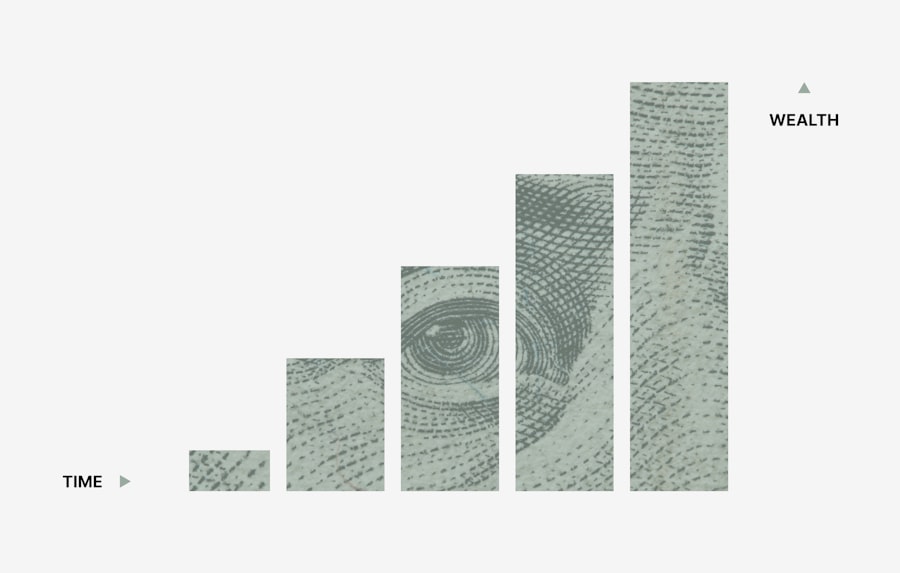
As with any rapidly evolving financial integration, the financialization of biology is not without its significant challenges and criticisms. You need to critically examine these issues to understand the full spectrum of its impact.
The Profit vs. Public Good Dilemma
A central criticism is the potential for the pursuit of profit to overshadow the public good. When biological entities and processes are financialized, the primary objective can shift from improving human health or environmental sustainability to maximizing shareholder returns. You’re witnessing debates about whether the development of treatments for rare diseases or less profitable conditions is adequately incentivized when compared to developing blockbuster drugs for widespread ailments. The pressure to generate revenue can also influence research priorities, potentially diverting resources from areas with less immediate financial promise but significant societal benefit.
Intellectual Property Disputes and Market Monopolies
The robust patenting of biological innovations can lead to protracted and expensive legal battles. You’re seeing a landscape where patent disputes can significantly delay the market entry of new therapies and technologies. This can also lead to the formation of powerful monopolies, where a single company holds exclusive rights to a crucial technology or treatment, thereby controlling pricing and limiting competition. This concentration of power can stifle further innovation by smaller players and create barriers to entry for new research.
The Ethics of Commodifying Life Itself
The very idea of financializing biological elements raises profound ethical questions. You are confronted with the discomfort of assigning monetary value to genes, human tissues, or endangered species. This commodification can blur the lines between scientific advancement and exploitation, raising concerns about the potential for “bio-piracy” and the unequal distribution of benefits derived from biological resources, particularly when they originate from developing nations or indigenous communities. The question of ownership and moral stewardship over life’s fundamental units becomes increasingly complex.
The financialization of biology has significant macroeconomic implications, influencing everything from investment strategies to public health policies. A related article discusses how the intersection of finance and biological research is reshaping industries and driving innovation. For a deeper understanding of these dynamics, you can explore the insights provided in this article, which highlights the transformative effects of financial mechanisms on the biological sector and the broader economy.
The Future Frontier: Regulation, Innovation, and Societal Adaptation
| Metrics | Financialization of Biology Macro Economic Impact |
|---|---|
| GDP Contribution | The financialization of biology has contributed to an increase in the GDP through the growth of biotechnology and pharmaceutical industries. |
| Investment in Research & Development | There has been a significant increase in investment in research and development in the field of biology, leading to technological advancements and economic growth. |
| Job Creation | The financialization of biology has led to the creation of new jobs in biotech, pharmaceuticals, and related industries, contributing to employment and economic activity. |
| Market Capitalization | The market capitalization of biotech and pharmaceutical companies has grown, reflecting the increasing economic impact of the financialization of biology. |
Navigating the future of the financialization of biology requires a proactive and multi-faceted approach, encompassing careful regulation, continuous innovation, and societal adaptation.
The Role of Regulation and Governance
You must consider how to effectively regulate this emerging domain. This includes developing robust frameworks for intellectual property protection that balance incentivizing innovation with promoting access. You need clear guidelines on data privacy and security for biological information. Furthermore, international cooperation will be crucial to address issues of equitable access to biotechnological advancements and to prevent exploitative practices. The ethical implications of financialized biology necessitate ongoing public discourse and the establishment of ethical oversight bodies.
Fostering Inclusive Innovation and Equitable Access
The goal should be to foster innovation that benefits society broadly, not just a select few. This might involve exploring new public-private partnerships, supporting open-source biology initiatives, and implementing policies that encourage the development of affordable alternatives and generics. You need to consider mechanisms to ensure that life-saving biotechnologies reach those who need them most, regardless of their economic status or geographical location. This involves challenging the narrative that all biological innovation must be exclusively driven by profit maximization.
Educating for a Bio-Financially Literate Society
As the financialization of biology becomes more pervasive, it is crucial to cultivate a society that is bio-financially literate. This means equipping individuals, policymakers, and investors with the knowledge to understand the complex interplay between biological discovery, intellectual property, and financial markets. You need to encourage critical thinking about the ethical, social, and economic implications of these developments. Education will be key to informed decision-making and to shaping a future where the financialization of biology serves humanity’s best interests. You are part of this ongoing evolution, and your understanding and engagement are vital.
FAQs
What is the financialization of biology?
The financialization of biology refers to the increasing influence of financial markets and financial institutions on the field of biology. This includes the commodification of biological resources, such as genetic material and biodiversity, and the use of financial instruments to invest in biotechnology and pharmaceutical companies.
How does the financialization of biology impact the macroeconomy?
The financialization of biology can impact the macroeconomy in several ways. It can lead to the concentration of wealth and power in the hands of a few large corporations, as well as the exploitation of biological resources in developing countries. It can also drive innovation and investment in biotechnology and pharmaceuticals, which can contribute to economic growth and job creation.
What are some potential risks associated with the financialization of biology?
Some potential risks associated with the financialization of biology include the loss of biodiversity, the exploitation of indigenous and local communities, and the potential for financial speculation to drive up the prices of essential medicines and healthcare services. There is also concern about the ethical implications of treating biological resources as financial assets.
How does the financialization of biology impact scientific research and innovation?
The financialization of biology can impact scientific research and innovation by influencing the direction of research and development towards areas that are more likely to generate financial returns. This can lead to a focus on commercializable products and technologies, potentially at the expense of basic research and public health priorities.
What are some potential policy responses to the financialization of biology?
Some potential policy responses to the financialization of biology include the regulation of financial markets and institutions to prevent the exploitation of biological resources, the promotion of open access and equitable benefit-sharing in biotechnology and pharmaceutical research, and the support of public funding for basic research and healthcare innovation.