
In recent years, consumers have become increasingly aware of a subtle yet impactful phenomenon known as shrinkflation. This term refers to the practice of reducing the size or quantity of a product while maintaining its price, effectively leading to a hidden price increase. As inflation rates rise and economic pressures mount, companies often resort to shrinkflation as a strategy to protect their profit margins without overtly raising prices.
This article delves into the intricacies of shrinkflation, exploring its implications for consumers, businesses, and the broader economy. The concept of shrinkflation has gained traction in public discourse, particularly as shoppers notice that their favorite snacks or household items seem to be shrinking in size. While the term may be relatively new, the practice itself is not; it has been employed by manufacturers for decades.
As consumers grapple with the realities of rising costs, understanding shrinkflation becomes essential for making informed purchasing decisions. This article aims to shed light on the various facets of shrinkflation, from its psychological underpinnings to its ethical implications.
Key Takeaways
- Shrinkflation is the practice of reducing the size or quantity of a product while keeping its price the same.
- Companies use Shrinkflation to maintain profits without raising prices, often without consumers noticing the change.
- Examples of Shrinkflation can be found in various everyday products such as chocolate bars, potato chips, and household items.
- Shrinkflation can impact consumer behavior by leading to feelings of deception and reduced satisfaction with products.
- Consumers can spot Shrinkflation by comparing the price per unit or weight of a product before making a purchase.
Understanding the concept of Shrinkflation
Shrinkflation is a strategic response by companies to the pressures of inflation and rising production costs. When faced with increased expenses—whether due to raw material costs, labor wages, or transportation fees—businesses often find themselves at a crossroads. They can either raise prices, which may deter price-sensitive consumers, or they can reduce the size or quantity of their products while keeping prices stable.
This latter approach allows companies to maintain their profit margins without drawing attention to the price increase. At its core, shrinkflation is a form of stealth inflation. Consumers may not immediately notice that they are receiving less product for the same amount of money, especially if the packaging remains unchanged.
This can create a false sense of security among shoppers who believe they are still getting a good deal. However, as they continue to purchase these products over time, they may gradually realize that their purchasing power has diminished. Understanding this concept is crucial for consumers who wish to navigate the complexities of modern shopping.
Examples of Shrinkflation in everyday products
Shrinkflation manifests in various forms across a wide array of products that consumers encounter daily. One common example can be found in snack foods, where bags of chips or cookies may appear unchanged in size but contain fewer items than before. A bag that once held 10 ounces might now only contain 8 ounces, yet the price remains the same.
This subtle reduction can go unnoticed by many consumers until they realize that their favorite snacks are disappearing faster than they used to. Another area where shrinkflation is prevalent is in household goods such as cleaning products and toiletries. For instance, a bottle of laundry detergent may have its volume reduced from 64 ounces to 50 ounces while still being marketed at the same price point.
Similarly, personal care items like shampoos and lotions may see their packaging sizes shrink without any corresponding decrease in cost. These examples illustrate how shrinkflation can affect a wide range of products, making it essential for consumers to remain vigilant about what they are purchasing.
The psychology behind Shrinkflation
| Psychological Factor | Description |
|---|---|
| Perception of Value | Consumers may feel cheated when they notice smaller product sizes at the same price, leading to negative perceptions of the brand. |
| Consumer Behavior | Shrinkflation can lead to changes in purchasing habits as consumers seek better value for their money. |
| Trust and Loyalty | Repeated instances of shrinkflation may erode consumer trust and loyalty towards a brand or product. |
| Price Sensitivity | Consumers may become more price sensitive and seek out alternative products or brands to avoid perceived unfair pricing practices. |
The psychology behind shrinkflation plays a significant role in its effectiveness as a business strategy. Consumers often exhibit a tendency to focus on price rather than quantity when making purchasing decisions. This cognitive bias allows companies to implement shrinkflation without facing immediate backlash from their customers.
When shoppers see a familiar product at a familiar price, they may feel reassured and less likely to question the value they are receiving. Moreover, marketing tactics can further obscure the reality of shrinkflation. Companies often invest in attractive packaging and branding that emphasizes quality over quantity, diverting attention away from the actual size of the product.
This creates an illusion of value that can be difficult for consumers to penetrate.
How companies use Shrinkflation to maintain profits
In an increasingly competitive marketplace, companies are constantly seeking ways to maintain profitability while navigating economic challenges. Shrinkflation serves as a viable strategy for achieving this goal without alienating customers through overt price increases. By reducing product sizes or quantities, businesses can offset rising costs while preserving their brand image and customer loyalty.
Additionally, shrinkflation allows companies to avoid the negative publicity that often accompanies price hikes. When consumers notice that a product has become more expensive, they may feel frustrated or betrayed, leading them to seek alternatives or switch brands. In contrast, shrinkflation operates under the radar, allowing companies to adjust their pricing strategies without drawing attention to themselves.
This subtlety can be advantageous in maintaining customer relationships and ensuring continued sales.
The impact of Shrinkflation on consumer behavior
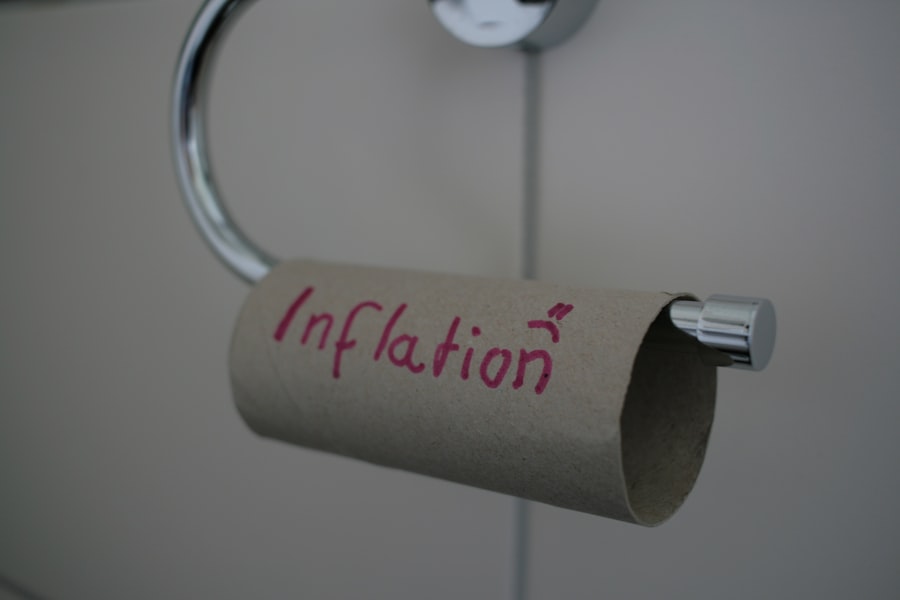
The impact of shrinkflation on consumer behavior is multifaceted and often leads to unintended consequences. As consumers gradually become aware of shrinkflation practices, they may begin to feel distrustful of brands and manufacturers. This erosion of trust can result in decreased brand loyalty and increased scrutiny when making purchasing decisions.
Shoppers may start comparing products more rigorously, seeking out alternatives that offer better value for their money. Furthermore, as consumers become more educated about shrinkflation, they may develop a heightened sensitivity to pricing strategies overall. This awareness can lead them to question not only the products they regularly purchase but also the broader economic landscape in which these products exist.
As shoppers become more discerning, companies may need to adapt their strategies to maintain customer satisfaction and loyalty in an environment where transparency is increasingly valued.
How to spot Shrinkflation in products
Spotting shrinkflation requires a keen eye and an understanding of product packaging and pricing trends. One effective strategy is to compare the net weight or volume of products over time. Consumers can keep track of their favorite items and note any changes in size or quantity when they make repeat purchases.
Additionally, examining unit prices—calculated by dividing the total price by the quantity—can provide valuable insights into whether a product has undergone shrinkflation. Another useful approach is to pay attention to packaging changes that may signal shrinkflation. If a product’s packaging appears larger or more elaborate than before while containing less product, it could be an indication that shrinkflation is at play.
Consumers should also be wary of marketing claims that emphasize quality or premium ingredients without addressing changes in quantity or size. By remaining vigilant and informed, shoppers can better navigate the complexities of shrinkflation and make more informed purchasing decisions.
The ethical implications of Shrinkflation
The ethical implications of shrinkflation raise important questions about transparency and consumer rights. While businesses may argue that shrinkflation is a necessary response to economic pressures, it can also be seen as a deceptive practice that undermines consumer trust. Many shoppers feel misled when they discover that they are receiving less product for the same price, leading to feelings of frustration and betrayal.
Moreover, shrinkflation disproportionately affects vulnerable populations who may already be struggling with rising costs of living. For low-income consumers, even small reductions in product size can have significant implications for their budgets and overall well-being. As such, businesses must consider the ethical ramifications of their pricing strategies and strive for greater transparency in their practices.
Legal regulations and consumer protections against Shrinkflation
Legal regulations surrounding shrinkflation vary by country and region but generally focus on consumer protection laws aimed at ensuring fair trade practices. In many jurisdictions, businesses are required to provide accurate information about product sizes and quantities on packaging labels. Failure to do so could result in legal repercussions or penalties for misleading advertising.
Consumer advocacy groups also play a vital role in raising awareness about shrinkflation and advocating for stronger regulations to protect shoppers from deceptive practices. These organizations work tirelessly to educate consumers about their rights and encourage them to demand transparency from manufacturers. As public awareness grows, there may be increased pressure on lawmakers to implement stricter regulations governing shrinkflation practices.
Alternatives to combat Shrinkflation
As consumers become more aware of shrinkflation, they may seek alternatives to combat its effects on their purchasing power. One effective strategy is to explore generic or store-brand products that often offer better value for money compared to name-brand items. These alternatives frequently provide similar quality at lower prices without resorting to shrinkflation tactics.
Additionally, bulk purchasing can be an effective way for consumers to mitigate the impact of shrinkflation on their budgets. Buying larger quantities of non-perishable items can lead to significant savings over time and reduce the frequency of shopping trips—ultimately allowing consumers to take advantage of better pricing structures without falling victim to shrinkflation.
Conclusion and future outlook on Shrinkflation
In conclusion, shrinkflation represents a complex interplay between economic pressures and consumer behavior that has significant implications for both businesses and shoppers alike. As inflation continues to challenge economies worldwide, it is likely that companies will increasingly turn to shrinkflation as a means of maintaining profitability without overtly raising prices.
Looking ahead, it is essential for consumers to remain informed about their purchasing choices and advocate for transparency from manufacturers. As public awareness grows regarding shrinkflation practices, there may be increased demand for ethical business practices and stronger regulations governing product labeling and pricing strategies. Ultimately, fostering an environment where consumers are empowered with knowledge will be crucial in addressing the challenges posed by shrinkflation in the future.
Shrinkflation, a tactic where companies reduce the size or quantity of a product while maintaining the same price, has become increasingly prevalent in today’s market. This deceptive practice often leaves consumers paying more for less without realizing it. For a deeper understanding of how shrinkflation fits into broader economic strategies and its impact on consumer behavior, you can explore a related article on the topic by visiting How Wealth Grows. This resource provides valuable insights into the subtle ways businesses adjust their offerings in response to economic pressures, ultimately affecting consumer purchasing power.
WATCH NOW! How Grocery Prices Are a Hidden Corporate Tax 🤑🤑🤑🤑
FAQs
What is shrinkflation?
Shrinkflation is a deceptive tactic used by companies to reduce the size or quantity of a product while keeping the price the same or even increasing it. This can be done subtly, such as reducing the amount of product in a package, or more overtly, by changing the packaging to make the product appear larger than it actually is.
Why do companies use shrinkflation?
Companies use shrinkflation as a way to maintain their profit margins without raising prices. By reducing the size or quantity of a product, they can save on production costs while still charging the same amount or more for the product.
How does shrinkflation affect consumers?
Shrinkflation can be deceptive and misleading for consumers, as they may not realize that they are getting less product for the same price. This can lead to a feeling of being cheated or deceived, especially if the change in size or quantity is not clearly communicated.
How can consumers identify shrinkflation?
Consumers can identify shrinkflation by carefully comparing the size or quantity of a product to its price. They can also look for any changes in packaging or labeling that may indicate a reduction in size or quantity.
Is shrinkflation legal?
Shrinkflation is generally legal as long as companies do not engage in false or misleading advertising. However, some consumer protection laws may require companies to clearly disclose any changes in the size or quantity of a product.