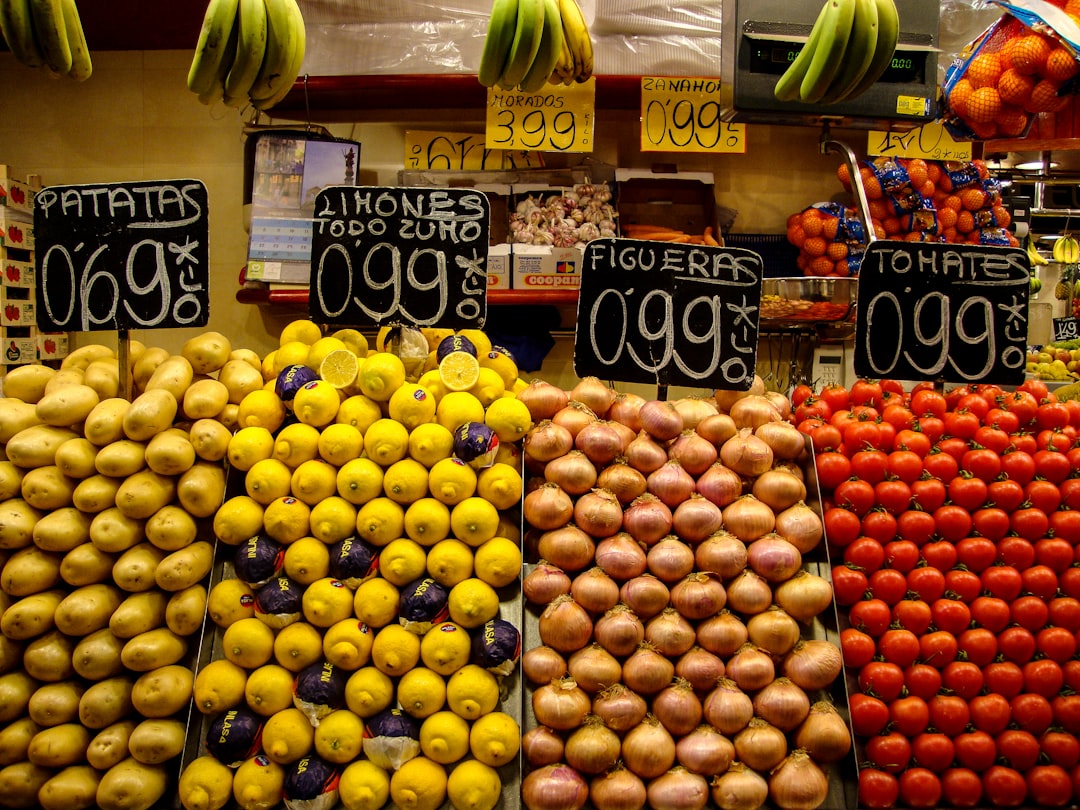
In recent years, consumers have witnessed a significant surge in grocery prices, a trend that has left many families grappling with the implications of their shrinking budgets. Factors contributing to this increase include supply chain disruptions, inflationary pressures, and rising transportation costs. The COVID-19 pandemic exacerbated these issues, leading to shortages and increased demand for certain products.
As a result, the cost of essential items such as fruits, vegetables, dairy, and meat has escalated, forcing consumers to rethink their shopping habits and prioritize their spending. The rising cost of groceries is not merely a financial inconvenience; it has broader implications for food security and public health. Families with limited incomes are particularly affected, as they may struggle to afford nutritious food options.
This situation can lead to a reliance on cheaper, less healthy alternatives, which can have long-term consequences for individual health and well-being. As grocery prices continue to climb, the challenge of maintaining a balanced diet becomes increasingly daunting for many households.
Key Takeaways
- The rising cost of grocery prices is impacting consumers worldwide.
- Advocacy groups play a crucial role in addressing high grocery prices and advocating for change.
- Consumers can save money on groceries by utilizing strategies such as meal planning and buying in bulk.
- Consumer education and empowerment are essential in navigating high grocery prices.
- Government policies and initiatives are necessary to address and regulate high grocery prices.
Understanding the Impact on Consumers
The impact of rising grocery prices extends beyond mere financial strain; it affects consumers’ overall quality of life. Many families find themselves forced to make difficult choices about what to buy, often sacrificing nutritional value for affordability. This shift can lead to an increase in food insecurity, where individuals and families lack reliable access to sufficient quantities of affordable, nutritious food.
The psychological toll of worrying about food costs can also contribute to stress and anxiety, further complicating the lives of those already facing economic challenges. Moreover, the rising cost of groceries can exacerbate existing inequalities within society. Low-income households are disproportionately affected by price hikes, as they typically allocate a larger portion of their income to food expenses compared to higher-income families.
Understanding these impacts is crucial for developing effective strategies to address the challenges posed by high grocery prices.
The Role of Advocacy Groups in Addressing High Grocery Prices

Advocacy groups play a vital role in addressing the issue of high grocery prices by raising awareness and pushing for policy changes that benefit consumers. These organizations often work at the grassroots level, mobilizing communities to advocate for fair pricing practices and increased access to affordable food options. By highlighting the struggles faced by low-income families and individuals, advocacy groups can draw attention to the urgent need for systemic change in the food supply chain.
In addition to raising awareness, advocacy groups often collaborate with policymakers to develop initiatives aimed at reducing grocery costs. This can include lobbying for subsidies for local farmers, promoting community-supported agriculture programs, or advocating for policies that support food banks and other assistance programs. By working together with various stakeholders, these organizations can help create a more equitable food system that prioritizes the needs of consumers over corporate profits.
Strategies for Consumers to Save Money on Groceries
| Strategies | Benefits |
|---|---|
| Meal planning | Reduces food waste and impulse purchases |
| Using coupons | Lower overall grocery bill |
| Buying in bulk | Cost savings per unit |
| Shopping sales and clearance items | Significant discounts on groceries |
| Buying store brands | Lower cost compared to name brands |
As grocery prices continue to rise, consumers are increasingly seeking ways to save money while still meeting their nutritional needs. One effective strategy is meal planning, which allows individuals and families to create a shopping list based on their weekly meals. By planning ahead, consumers can avoid impulse purchases and reduce food waste, ultimately saving money in the long run.
Additionally, buying in bulk can be a cost-effective option for non-perishable items or products that are frequently used. Another approach is to take advantage of sales and discounts offered by grocery stores. Many retailers provide weekly flyers or digital coupons that can help consumers identify the best deals available.
Utilizing loyalty programs can also yield significant savings over time. Furthermore, exploring local farmers’ markets or community-supported agriculture (CSA) programs can provide access to fresh produce at lower prices while supporting local economies.
The Importance of Consumer Education and Empowerment
Consumer education is essential in navigating the complexities of rising grocery prices. By equipping individuals with knowledge about budgeting, nutrition, and shopping strategies, they can make informed decisions that positively impact their financial well-being. Workshops and community programs focused on financial literacy can empower consumers to take control of their grocery spending and prioritize healthier food choices.
Empowerment also comes from understanding one’s rights as a consumer. Familiarizing oneself with labeling laws, pricing regulations, and consumer protection policies can help individuals advocate for themselves when faced with unfair pricing practices or misleading marketing tactics. When consumers are educated about their rights and equipped with practical skills, they are better positioned to challenge high grocery prices and demand accountability from retailers.
Government Policies and Initiatives to Address High Grocery Prices
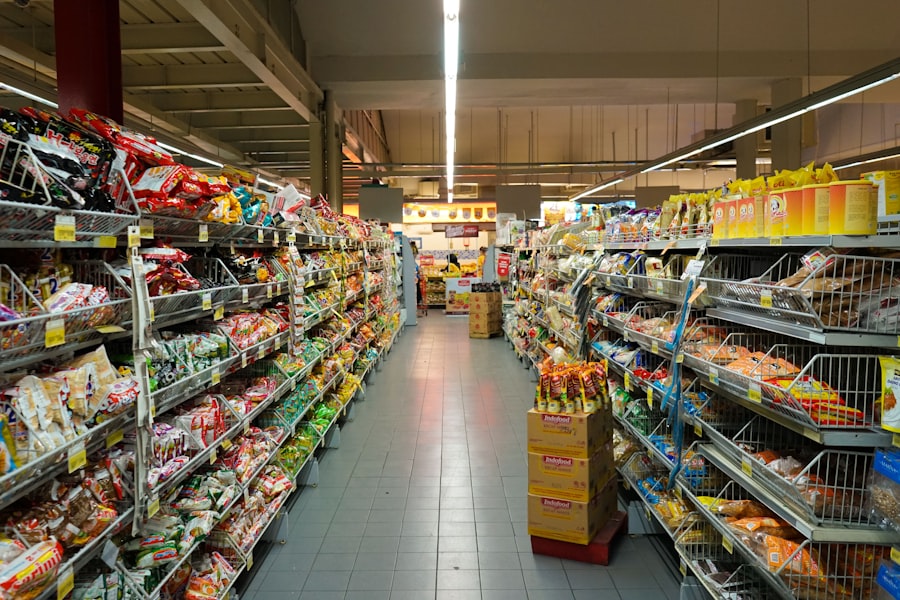
Government intervention plays a crucial role in addressing the issue of high grocery prices. Policymakers can implement various initiatives aimed at stabilizing food costs and ensuring access to affordable nutrition for all citizens. For instance, subsidies for local farmers can help reduce production costs, ultimately leading to lower prices for consumers.
Additionally, programs that support food assistance initiatives, such as Supplemental Nutrition Assistance Program (SNAP), can provide vital resources for low-income families struggling with rising grocery costs. Furthermore, governments can promote transparency within the food supply chain by enforcing regulations that prevent price gouging and unfair pricing practices. By holding retailers accountable for their pricing strategies, policymakers can help create a more equitable marketplace where consumers are not disproportionately burdened by rising costs.
Collaborative efforts between government agencies, advocacy groups, and community organizations are essential in developing comprehensive solutions that address the root causes of high grocery prices.
The Power of Collective Action: How Consumers Can Advocate for Change
Collective action is a powerful tool for consumers seeking to advocate for change in the face of rising grocery prices. When individuals come together to voice their concerns and demand action from retailers and policymakers, they amplify their impact and increase the likelihood of meaningful change. Grassroots movements can mobilize communities around shared goals, such as advocating for fair pricing practices or increased access to affordable food options.
One effective way consumers can engage in collective action is through petitions or campaigns aimed at raising awareness about high grocery prices. Social media platforms provide an accessible avenue for individuals to share their experiences and rally support from others facing similar challenges. By leveraging technology and online communities, consumers can create a united front that demands accountability from retailers and encourages policymakers to prioritize food affordability.
The Role of Technology in Empowering Consumers to Make Informed Choices
Technology has transformed the way consumers approach grocery shopping, providing them with tools to make informed choices amidst rising prices. Mobile applications that compare prices across different stores allow shoppers to identify the best deals available in their area. Additionally, online platforms that offer recipes based on seasonal produce can help consumers make healthier choices while staying within budget.
Furthermore, social media has become a valuable resource for sharing tips and strategies related to grocery shopping and budgeting. Influencers and community members often share their experiences with budgeting techniques or highlight local deals that others may not be aware of. By harnessing the power of technology, consumers can access information that empowers them to navigate high grocery prices more effectively.
The Impact of High Grocery Prices on Vulnerable Communities
Vulnerable communities bear the brunt of rising grocery prices, as they often have limited resources and access to affordable food options. Low-income neighborhoods may lack grocery stores altogether, forcing residents to rely on convenience stores that typically offer higher prices and fewer healthy choices. This disparity exacerbates existing health inequalities, as individuals in these communities may struggle to maintain a balanced diet due to financial constraints.
Moreover, high grocery prices can lead to increased reliance on food assistance programs, which may not always meet the nutritional needs of families. As prices rise, these programs face greater demand while grappling with limited funding and resources. Addressing the impact of high grocery prices on vulnerable communities requires targeted interventions that prioritize equitable access to nutritious food and support systems that empower individuals to break free from cycles of poverty.
Case Studies of Successful Consumer Advocacy Against High Grocery Prices
Several case studies illustrate the power of consumer advocacy in addressing high grocery prices effectively. One notable example is the “Food Justice” movement in various urban areas across the United States. Activists have successfully lobbied for policies that promote local food systems and increase access to fresh produce in underserved neighborhoods.
By organizing community gardens and farmers’ markets, these advocates have created sustainable solutions that not only lower costs but also foster community engagement. Another example is the successful campaign led by consumer advocacy groups against price gouging during times of crisis, such as natural disasters or pandemics. These organizations have mobilized public support through petitions and social media campaigns that demand accountability from retailers engaging in unfair pricing practices.
By shining a light on these issues and rallying community support, advocates have pressured lawmakers to implement stricter regulations that protect consumers from exploitation.
Looking Towards the Future: Potential Solutions and Strategies for Change
As society grapples with the ongoing challenge of rising grocery prices, it is essential to explore potential solutions and strategies for change. One promising avenue is the promotion of sustainable agriculture practices that prioritize local food production while reducing transportation costs associated with long supply chains. By investing in local farmers and supporting community-supported agriculture initiatives, consumers can help create a more resilient food system that benefits both producers and shoppers alike.
Additionally, fostering collaboration between government agencies, advocacy groups, and private sector stakeholders will be crucial in developing comprehensive policies aimed at addressing high grocery prices. By working together towards common goals—such as increasing access to affordable nutrition or promoting fair pricing practices—these entities can create lasting change that benefits all consumers. In conclusion, addressing the issue of high grocery prices requires a multifaceted approach that involves consumer education, advocacy efforts, government intervention, and innovative solutions rooted in sustainability.
By empowering individuals with knowledge and resources while advocating for systemic change within the food supply chain, society can work towards creating an equitable marketplace where everyone has access to affordable and nutritious food options.
In recent times, consumer advocacy against high grocery costs has gained significant momentum, as individuals and organizations strive to address the financial strain on households. A related article on this topic can be found on How Wealth Grows, which delves into strategies and insights for managing grocery expenses effectively. This article provides valuable information for consumers looking to make informed decisions and advocate for fair pricing. For more details, you can read the full article by visiting How Wealth Grows.
WATCH NOW! How Grocery Prices Are a Hidden Corporate Tax 🤑🤑🤑🤑
FAQs
What is consumer advocacy against high grocery costs?
Consumer advocacy against high grocery costs refers to the efforts made by individuals, organizations, and advocacy groups to address and combat the rising prices of groceries and essential food items. This can include advocating for fair pricing, promoting transparency in the food supply chain, and pushing for policies that support affordable access to nutritious food for all consumers.
Why is consumer advocacy against high grocery costs important?
High grocery costs can disproportionately impact low-income individuals and families, leading to food insecurity and financial strain. Consumer advocacy against high grocery costs aims to ensure that all consumers have access to affordable and nutritious food, promoting equity and economic stability.
What are some common strategies used in consumer advocacy against high grocery costs?
Consumer advocacy against high grocery costs may involve lobbying for government policies that support fair pricing and competition in the food industry, raising awareness about price gouging and unfair practices, and promoting initiatives that increase access to affordable and healthy food options, such as farmers’ markets and community gardens.
How can consumers participate in advocacy against high grocery costs?
Consumers can participate in advocacy against high grocery costs by supporting organizations and initiatives that promote fair pricing and access to affordable food, staying informed about food pricing and supply chain issues, and advocating for policies that prioritize food affordability and equity. Additionally, consumers can make informed purchasing decisions and support local food producers to contribute to a more sustainable and equitable food system.