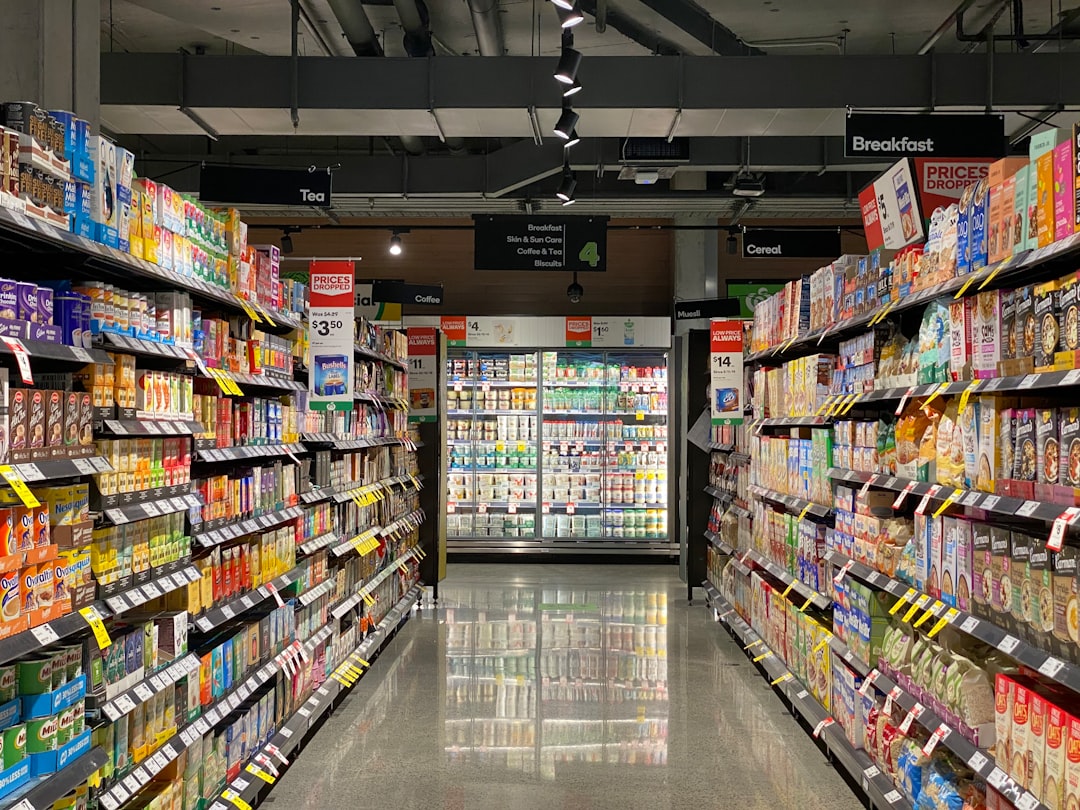
Grocery store pricing is a complex and multifaceted aspect of the retail industry that significantly impacts consumers’ daily lives. The prices of food and household items are not merely arbitrary figures; they are the result of a myriad of factors that influence how much consumers pay at the checkout counter. Understanding grocery store pricing is essential for consumers who wish to make informed purchasing decisions, as well as for retailers aiming to optimize their pricing strategies.
The grocery sector is characterized by its dynamic nature, where prices can fluctuate based on various internal and external influences, making it a fascinating area of study. As consumers navigate the aisles of their local grocery stores, they often encounter a wide range of prices for similar products. This variability can lead to confusion and frustration, prompting shoppers to seek out the best deals.
The intricacies of grocery store pricing extend beyond mere numbers; they encompass economic principles, consumer psychology, and competitive strategies. By delving into the factors that shape grocery store pricing, one can gain valuable insights into the broader economic landscape and the ways in which retailers respond to consumer needs and market conditions.
Key Takeaways
- Grocery store pricing is influenced by a variety of factors including competition, supply and demand, branding, marketing, consumer behavior, and government regulations.
- Competition plays a significant role in grocery store pricing, with retailers often adjusting prices to attract and retain customers.
- Supply and demand dynamics can impact grocery store pricing, with prices fluctuating based on the availability of products and consumer demand.
- Branding and marketing strategies can influence grocery store pricing, with premium brands often commanding higher prices than generic or store brands.
- Consumer behavior can also impact grocery store pricing, with retailers using pricing strategies to appeal to different consumer segments.
Factors Affecting Grocery Store Pricing
Several key factors contribute to the pricing strategies employed by grocery stores. One of the most significant influences is the cost of goods sold (COGS), which includes the expenses associated with purchasing products from suppliers, transportation, and storage. Fluctuations in these costs can directly impact retail prices.
This relationship between supplier costs and retail pricing underscores the importance of understanding the supply chain in the grocery industry. Another critical factor is operational expenses, which encompass everything from labor costs to utilities and rent.
Grocery stores must balance these expenses while remaining competitive in their pricing. For example, a store located in a high-rent area may have to charge more for its products compared to a competitor in a less expensive location. Additionally, seasonal variations can affect pricing; certain items may be more expensive during off-peak seasons when supply is limited.
These factors create a complex web of considerations that grocery retailers must navigate when determining their pricing strategies.
The Role of Competition in Grocery Store Pricing
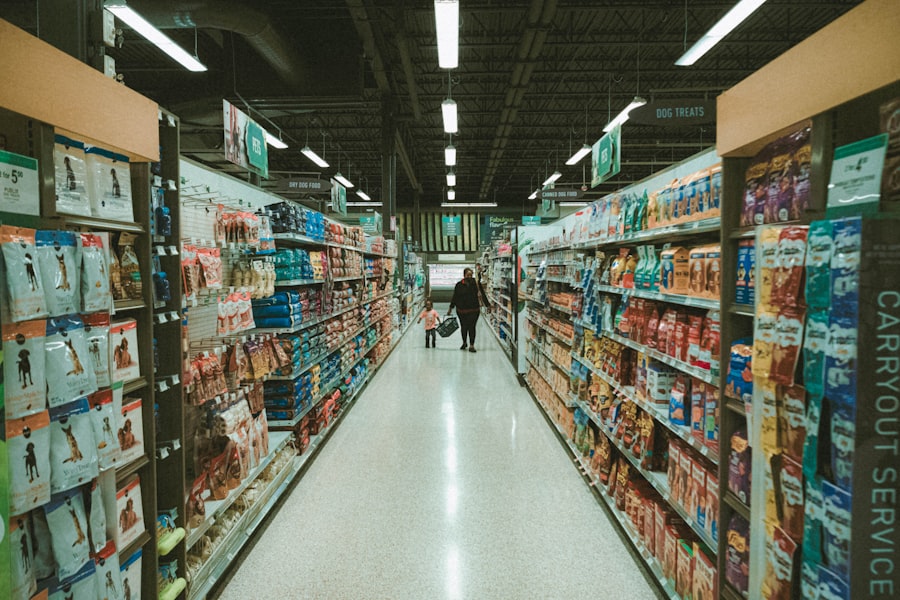
Competition plays a pivotal role in shaping grocery store pricing. In a market where multiple retailers vie for consumer attention, pricing becomes a critical differentiator. Grocery stores often engage in price wars, slashing prices on popular items to attract customers and increase foot traffic.
This competitive environment can lead to lower prices for consumers but can also squeeze profit margins for retailers. As a result, grocery stores must carefully analyze their competitors’ pricing strategies while considering their own cost structures. Moreover, competition is not limited to traditional brick-and-mortar stores; online grocery shopping has introduced new dynamics into the pricing landscape.
E-commerce platforms often offer lower prices due to reduced overhead costs, compelling physical stores to adapt their pricing strategies accordingly. The rise of discount retailers has also intensified competition, forcing established grocery chains to reevaluate their pricing models. In this ever-evolving landscape, retailers must remain agile and responsive to competitive pressures to maintain their market share.
The Impact of Supply and Demand on Grocery Store Pricing
| Factors | Impact on Pricing |
|---|---|
| Supply | Low supply can lead to higher prices, while high supply can lead to lower prices. |
| Demand | High demand can lead to higher prices, while low demand can lead to lower prices. |
| Seasonality | Seasonal changes can impact pricing, with certain products being more expensive during specific times of the year. |
| Competition | Competition among grocery stores can lead to price wars, resulting in lower prices for consumers. |
The fundamental economic principles of supply and demand are at the heart of grocery store pricing. When demand for a particular product exceeds its supply, prices tend to rise as retailers capitalize on consumers’ willingness to pay more for scarce items. Conversely, when supply outstrips demand, prices may decrease as retailers seek to move excess inventory.
This dynamic is particularly evident during seasonal events or holidays when certain products experience spikes in demand, such as turkeys during Thanksgiving or candy during Halloween. Additionally, consumer trends can significantly influence demand for specific products. For instance, the growing popularity of plant-based diets has led to increased demand for vegan products, prompting grocery stores to adjust their pricing accordingly.
Retailers may choose to position these items as premium offerings, reflecting their higher production costs and catering to health-conscious consumers willing to pay more for perceived quality. Understanding these supply and demand dynamics is crucial for both retailers and consumers as they navigate the complexities of grocery store pricing.
The Influence of Branding and Marketing on Grocery Store Pricing
Branding and marketing strategies play a significant role in shaping grocery store pricing. Well-established brands often command higher prices due to consumer loyalty and perceived quality. Retailers leverage branding to differentiate products on their shelves, creating a sense of value that justifies higher price points.
For example, organic or specialty brands may be priced higher than generic alternatives, appealing to consumers who prioritize quality over cost. Marketing campaigns also influence consumer perceptions of value and price sensitivity. Promotions, discounts, and loyalty programs can create a sense of urgency among shoppers, encouraging them to purchase items they might otherwise overlook.
Retailers often employ psychological pricing strategies, such as setting prices just below whole numbers (e.g., $4.99 instead of $5.00), to make products appear more affordable. By understanding how branding and marketing intersect with pricing strategies, consumers can make more informed choices about their purchases.
The Effect of Consumer Behavior on Grocery Store Pricing
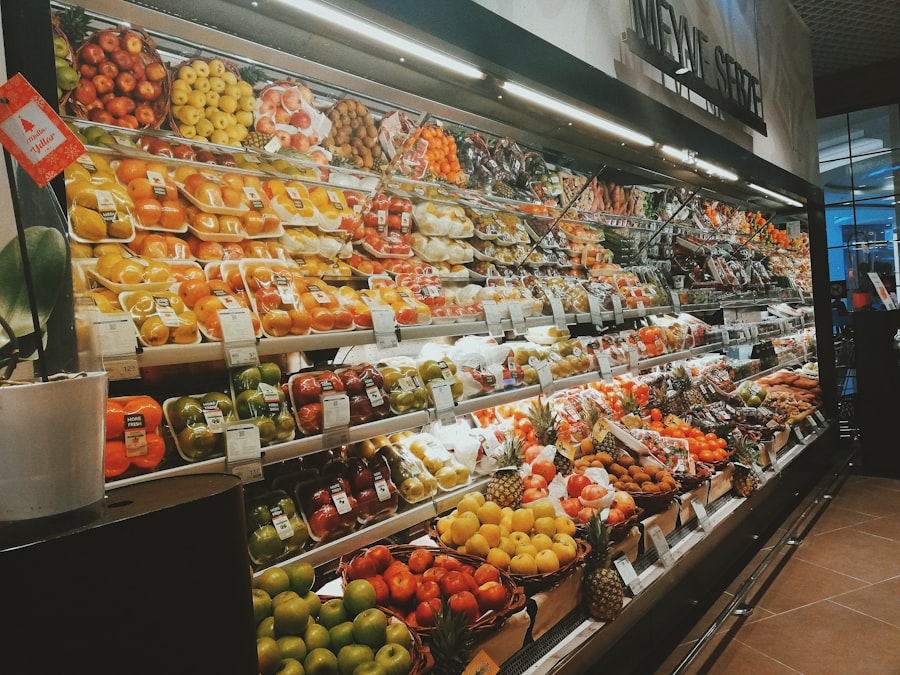
Consumer behavior is a critical factor that shapes grocery store pricing strategies. Retailers invest significant resources in understanding their customers’ preferences, shopping habits, and price sensitivity. By analyzing purchasing patterns and conducting market research, grocery stores can tailor their pricing strategies to align with consumer expectations.
For instance, if data indicates that shoppers are particularly price-sensitive during economic downturns, retailers may implement more aggressive discounting strategies to retain customers. Moreover, consumer behavior extends beyond mere price sensitivity; it encompasses factors such as brand loyalty and shopping convenience. Some consumers may be willing to pay a premium for convenience items or ready-to-eat meals, while others may prioritize cost savings above all else.
This diversity in consumer preferences necessitates a nuanced approach to pricing that considers various segments within the target market. By understanding these behavioral nuances, grocery stores can optimize their pricing strategies to cater to different consumer needs.
The Role of Government Regulations in Grocery Store Pricing
Government regulations also play a significant role in shaping grocery store pricing practices. Various laws and policies govern aspects such as food safety standards, labeling requirements, and price controls on certain essential goods. These regulations can impact how grocery stores price their products and may require them to adjust their strategies accordingly.
For instance, price controls on staple foods may limit how much retailers can charge for essential items during times of crisis or inflation. Additionally, government interventions aimed at promoting fair competition can influence pricing dynamics within the grocery sector. Antitrust laws prevent monopolistic practices that could lead to inflated prices for consumers.
Regulatory bodies may also monitor pricing practices to ensure transparency and fairness in the marketplace. As such, grocery stores must navigate a complex regulatory landscape while striving to maintain competitive pricing that meets both legal requirements and consumer expectations.
Strategies for Consumers to Save Money at Grocery Stores
For consumers looking to save money at grocery stores, several effective strategies can be employed. One of the most straightforward approaches is to create a shopping list before heading out to the store. By sticking to a predetermined list, shoppers can avoid impulse purchases that often lead to overspending.
Additionally, comparing prices across different stores can help consumers identify the best deals on essential items. Another effective strategy is taking advantage of sales promotions and loyalty programs offered by grocery retailers. Many stores provide weekly flyers highlighting discounts on various products, allowing consumers to plan their shopping trips around these sales.
Joining loyalty programs can also yield significant savings over time through exclusive discounts and rewards points that can be redeemed for future purchases. By being proactive and informed about available savings opportunities, consumers can make their grocery budgets stretch further.
The Ethics of Grocery Store Pricing
The ethics surrounding grocery store pricing is a topic that has garnered increasing attention in recent years. As food insecurity becomes a pressing issue in many communities, questions arise about the fairness of pricing practices employed by retailers. Some argue that exorbitant prices on essential goods during times of crisis or natural disasters exploit vulnerable populations who may have limited access to affordable food options.
Moreover, ethical considerations extend beyond pricing during emergencies; they also encompass issues related to transparency and honesty in advertising practices. Consumers expect retailers to provide accurate information about product quality and sourcing while avoiding deceptive marketing tactics that could mislead shoppers about value or safety. As awareness of these ethical concerns grows, many grocery stores are reevaluating their pricing strategies and adopting more socially responsible practices that prioritize consumer welfare.
Case Studies of Grocery Store Pricing Controversies
Several notable case studies highlight controversies surrounding grocery store pricing practices. One such example occurred during the COVID-19 pandemic when many retailers faced backlash for price gouging on essential items like hand sanitizer and disinfectant wipes. Consumers reported instances where prices had surged dramatically overnight, leading to public outrage and calls for regulatory intervention.
Another case involved major grocery chains facing scrutiny over their treatment of suppliers during negotiations over product pricing. Reports emerged indicating that some retailers were pressuring suppliers into accepting lower prices or unfavorable terms, raising concerns about fair compensation for producers and potential impacts on product quality. These controversies underscore the complexities inherent in grocery store pricing and the need for ongoing dialogue about ethical practices within the industry.
The Future of Grocery Store Pricing
As the retail landscape continues to evolve, the future of grocery store pricing will likely be shaped by technological advancements, changing consumer preferences, and ongoing economic challenges. The rise of e-commerce has already transformed how consumers shop for groceries, prompting traditional retailers to adapt their pricing strategies accordingly. Innovations such as dynamic pricing algorithms may become more prevalent as retailers seek to optimize prices based on real-time data about demand fluctuations.
Moreover, sustainability concerns are likely to influence future pricing practices as consumers increasingly prioritize environmentally friendly products and ethical sourcing methods. Retailers may need to balance competitive pricing with investments in sustainable practices that resonate with socially conscious shoppers. Ultimately, understanding the myriad factors influencing grocery store pricing will remain essential for both consumers and retailers as they navigate an ever-changing marketplace in pursuit of value and quality.
In recent discussions about whether grocery stores are overcharging consumers, an insightful article on the topic can be found on How Wealth Grows. This article delves into the various factors contributing to price hikes in grocery stores, including supply chain disruptions and inflationary pressures. For a deeper understanding of these issues, you can read the full article by visiting How Wealth Grows. This resource provides a comprehensive analysis of the economic dynamics at play, helping consumers make informed decisions about their grocery shopping habits.
WATCH NOW! How Grocery Prices Are a Hidden Corporate Tax 🤑🤑🤑🤑
FAQs
What are some common ways grocery stores may overcharge consumers?
Some common ways grocery stores may overcharge consumers include mislabeling products, charging incorrect prices at the register, and using deceptive pricing tactics.
How can consumers protect themselves from overcharging at grocery stores?
Consumers can protect themselves from overcharging at grocery stores by carefully checking prices and receipts, understanding store policies on pricing errors, and reporting any discrepancies to store management.
Are there any laws or regulations in place to prevent grocery stores from overcharging consumers?
Yes, there are laws and regulations in place to prevent grocery stores from overcharging consumers. These may include consumer protection laws, weights and measures regulations, and pricing accuracy requirements.
What should consumers do if they believe they have been overcharged at a grocery store?
If consumers believe they have been overcharged at a grocery store, they should first bring the issue to the attention of store management. If the issue is not resolved, consumers can contact their local consumer protection agency or file a complaint with the relevant regulatory authority.