You stand at a crossroads, gazing at the ever-shifting landscape of employment. The word “automation” looms large, a specter whispered in break rooms and debated in think tanks. It’s easy to fall into extremes – either a future of utopian leisure where robots do all the work, or a dystopian nightmare of mass unemployment. But for you, a member of the middle class, the reality is likely more nuanced, a complex negotiation between progress and your livelihood. This isn’t some abstract academic debate; it’s about the security of your job, the opportunities available to your children, and the trajectory of your financial well-being.
You’re accustomed to a certain set of skills, honed through experience, education, and sheer grit. Perhaps you’re a data entry specialist, a customer service representative, a paralegal, or a manufacturing technician. For decades, these roles have formed the backbone of the middle class, providing stable income and a pathway to a comfortable life. Now, you’re seeing the initial tremors of change.
Routine Tasks Under the Magnifying Glass
The most immediate impact of automation is on tasks that are predictable, repetitive, and rule-based. You’ve probably noticed this yourself. Are there parts of your day that feel like a hamster wheel, endlessly cycling through the same actions? This is precisely where artificial intelligence and robotic process automation (RPA) are making inroads.
Data Input and Analysis
Consider the sheer volume of data that businesses process daily. Tasks like inputting invoices, categorizing customer feedback, or performing basic data analysis are increasingly being handled by software. You might have once been a human processor for these functions. Now, algorithms can sift through information much faster, with fewer errors, and at a fraction of the cost. This doesn’t necessarily mean your job is gone, but it likely means the nature of your job is evolving. You might find yourself supervising the automation, verifying its accuracy, or handling the exceptions that the code can’t process.
Customer Interaction: The Rise of the Chatbot
Remember the days of endless hold music and navigating complex phone trees? While human customer service representatives remain vital for complex or empathetic interactions, many initial inquiries are now fielded by chatbots. These AI-powered assistants can answer frequently asked questions, guide users through basic troubleshooting, or direct them to the appropriate human agent. For you, this might mean your role shifts from handling routine queries to managing more challenging customer issues or providing the human touch that chatbots can’t replicate.
Manufacturing and Logistics: Physical Processes Reimagined
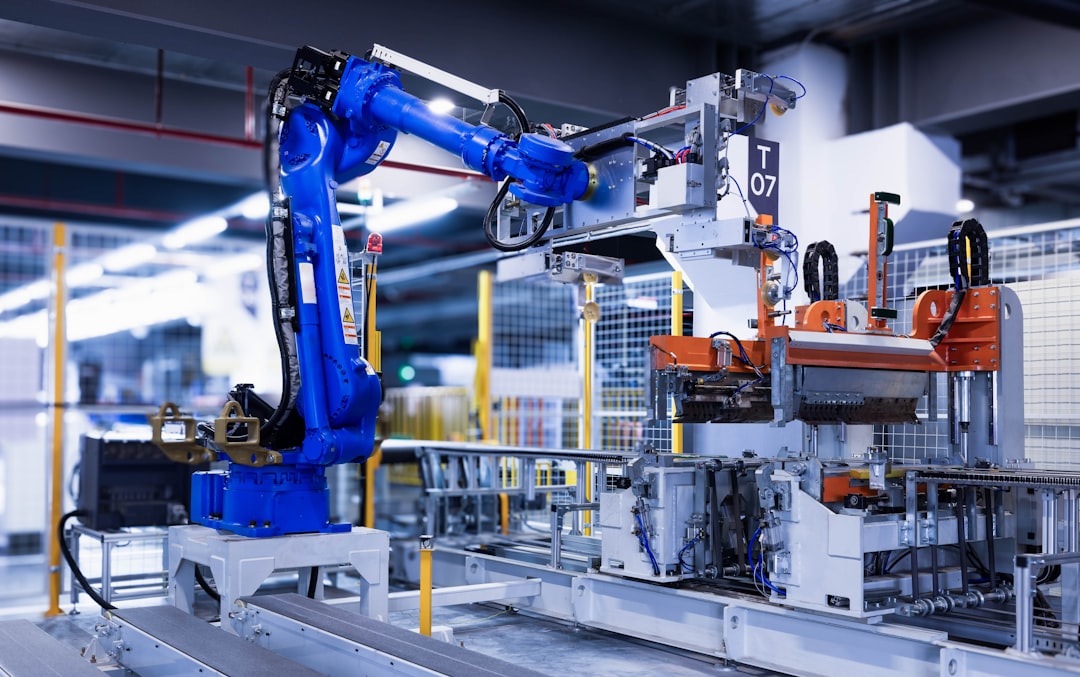
In factories and warehouses, you’ve seen robots become increasingly sophisticated. They’re not just lifting heavy objects anymore; they’re assembling intricate components, performing quality control checks, and optimizing inventory management. If your work involves manual labor in these sectors, the question arises: how adaptable are your skills to working alongside these machines, or perhaps even supervising them?
The Augmentation vs. Replacement Debate
It’s crucial to understand the distinction between automation that augments your abilities and automation that replaces them. Many applications of automation are designed to make your job easier, freeing you from mundane tasks to focus on more strategic or creative aspects. However, there’s an undeniable trend towards automating entire job functions where human involvement is deemed inefficient or unnecessary.
Is Your Work Measurably Improved by AI?
Reflect on your daily tasks. Are there tools or software that have recently been introduced that noticeably speed up your work or reduce errors? This is augmentation. But ask yourself, if these tools became fully autonomous, could they perform your entire role? Be honest in your assessment.
The Slippery Slope of “Efficiency”
The narrative of “efficiency” is often the driving force behind automation. While undeniable benefits exist for businesses, you need to consider how this efficiency is translating into your career. Is it leading to fewer colleagues, increased workloads for remaining staff, or a subtle devaluation of your human capital?
As automation continues to reshape various industries, its impact on the middle class has become a topic of significant discussion. A related article that delves into this issue can be found at How Wealth Grows, where it explores the challenges and opportunities that automation presents for middle-class workers. The article highlights how technological advancements can lead to job displacement while also creating new roles, emphasizing the need for adaptation and reskilling in an evolving job market.
The Evolving Demands of the Labor Market: Are Your Skills Future-Proof?
The skills that were once a guarantee of middle-class stability might not be enough for the jobs of tomorrow. Automation, while displacing some tasks, is also creating new ones and fundamentally altering the requirements for others. This means you need to be proactive in assessing your skill set and identifying potential gaps.
The Premium on Higher-Order Thinking
As machines take over routine cognitive and manual labor, the value of distinctively human capabilities increases. This isn’t just about creativity; it encompasses critical thinking, problem-solving, emotional intelligence, and complex communication.
Critical Thinking and Problem Solving: The Human Advantage
Can you analyze complex situations, identify underlying causes, and devise novel solutions? Machines can process data and identify patterns, but the ability to understand context, make ethical judgments, and adapt to unforeseen circumstances remains a human forte. Are you actively cultivating these skills?
Emotional Intelligence and Interpersonal Skills
In a world of increasing digital interaction, the ability to connect with people, understand their emotions, and build relationships becomes even more valuable. Empathetic communication, negotiation, and team collaboration are areas where you, as a human, can excel.
Adaptability and Lifelong Learning: The New Imperative
Perhaps the most critical skill you can cultivate is the willingness and ability to learn. The pace of technological change means that the skills you possess today might be less relevant tomorrow. Embracing a mindset of continuous learning is no longer optional; it’s essential for navigating the evolving job market.
The Rise of STEM and the Digital Divide
While automation is impacting a broad range of professions, there’s a growing demand for individuals with skills in Science, Technology, Engineering, and Mathematics (STEM). These are the fields that are developing, deploying, and managing the automated systems that are reshaping your world.
Is Your Knowledge Base Aligned with Emerging Technologies?
Even if you’re not directly in a STEM field, understanding the basics of how these technologies work can be immensely beneficial. This could mean familiarizing yourself with data literacy, basic coding principles, or the ethical implications of AI.
Bridging the Gap: Accessible Education and Training
The challenge for the middle class is often access to the education and training required to acquire these in-demand skills. The cost of degrees or specialized certifications can be prohibitive. Are there affordable and accessible pathways for you to upskill or reskill? Look for online courses, community college programs, or employer-sponsored training initiatives.
The Economic Realities: Income Inequality and the Middle-Class Squeeze

The impact of automation isn’t just about individual jobs; it has broader implications for the economy and the distribution of wealth. You’re likely feeling the effects of these shifts already.
The Polarization of the Labor Market
Automation tends to create a polarized labor market. On one end, there’s a demand for high-skilled workers who can design, manage, and innovate with new technologies. On the other end, there’s a demand for low-skilled service jobs that are difficult to automate (e.g., personal care, certain hospitality roles). The middle ground, where many traditional middle-class jobs resided, is being squeezed.
Are Jobs Disappearing or Simply Changing?
It’s not always a case of outright job destruction. Often, jobs are being transformed. A factory worker might become a robot technician. A hospital administrator might transition to managing AI-powered diagnostic tools. The question is whether these transformations lead to comparable or better compensation and working conditions.
The Widening Gap Between High and Low Earners
As companies become more productive through automation, the profits often accrue to shareholders and highly compensated executives. If wages for the majority of workers don’t keep pace, you can witness a widening income gap. This can lead to a sense of economic precarity, even if employment numbers remain stable.
The Cost of Living: A Persistent Challenge
Even if your income remains stable, the cost of living – housing, healthcare, education – can continue to rise. If automation leads to a deflationary pressure on some goods and services but not others, your purchasing power can be eroded.
Housing Affordability: A Pillar of Middle-Class Stability
For many middle-class families, homeownership represents a significant asset and a key component of financial security. If automation contributes to economic shifts that make housing even less affordable in desirable areas, it can undermine this foundational element.
Healthcare and Education Costs: Persistent Burdens
These are often the most significant expenses for middle-class families. Automation’s impact on these sectors is complex, but the trend of rising costs remains a significant concern. Are the gains from automation being reinvested in affordable access to essential services?
The Social and Psychological Ramifications: Beyond the Paycheck

The impact of automation extends beyond your bank account. It can influence your sense of purpose, your community, and your overall well-being.
The Erosion of Identity Tied to Work
For many, their job is more than just a source of income; it’s a part of their identity. When that job is threatened or fundamentally altered by automation, it can lead to feelings of displacement and a loss of self-worth.
What Happens When Your Expertise Becomes Obsolete?
Imagine dedicating years to mastering a craft, only to see machines perform it with greater speed and accuracy. This isn’t just an economic challenge; it’s a psychological one. How do you find new meaning and purpose?
The Search for Meaning in a Changing World
If routine work is automated, where do you find fulfillment? This might lead to a greater emphasis on activities outside of paid employment – volunteering, creative pursuits, or community engagement. Are these opportunities accessible and valued?
The Strength and Strain of Community Ties
Automation can impact communities in different ways. In some regions, entire industries might be automated, leading to significant job losses and a decline in local economies. In others, new industries might emerge, bringing new jobs and new populations.
The Impact on Local Economies and Social Fabric
If a major employer in your town automates its operations and downsizes its workforce, the ripple effects can be profound. Local businesses suffer, property values may decline, and the social fabric of the community can be strained.
The Rise of the Gig Economy and its Implications
While not solely driven by automation, the rise of the gig economy can be seen as a partial response to the changing nature of work. It offers flexibility but often lacks the benefits and stability of traditional middle-class employment. How does this impact your long-term financial security and your sense of belonging?
The impact of automation on the middle class has been a topic of significant discussion in recent years, as many workers face the threat of job displacement due to technological advancements. For a deeper understanding of this issue, you can explore a related article that delves into the economic implications and potential solutions for those affected by these changes. This insightful piece can be found here, offering valuable perspectives on how society can adapt to the evolving job landscape.
Navigating the Future: Strategies for Resilience and Adaptation
| Metrics | Data |
|---|---|
| Automation Impact | Increased productivity and efficiency |
| Job Displacement | Loss of middle-class jobs in certain industries |
| Income Inequality | Widening gap between high and low earners |
| Education and Training | Need for upskilling and reskilling for middle-class workers |
| Policy Response | Debate on universal basic income and labor market regulations |
The picture might seem daunting, but dwelling on the negatives won’t change the trajectory. The key for you is to adopt strategies for resilience and adaptation. This is not about blindly embracing every new technology, but about making informed choices to secure your place in the evolving economic landscape.
Investing in Yourself: Lifelong Learning as a Defense
As we’ve discussed, continuous learning is paramount. This isn’t just about formal education. It’s about acquiring new skills, staying abreast of technological trends, and being open to new ways of working.
Online Learning Platforms and Certifications
There’s a wealth of accessible online courses and certifications available. Many are affordable and can provide you with tangible skills that are in demand. Explore platforms like Coursera, edX, Udemy, or LinkedIn Learning.
Developing “Soft Skills” with Hard Value
Don’t underestimate the power of emotional intelligence, communication, and adaptability. These are skills that are difficult to automate and are highly valued across industries. Seek opportunities to practice and improve them.
Advocating for Policy and Support Systems
Individual resilience is important, but systemic change is also necessary. You have a voice, and collective action can influence policy decisions that affect the middle class.
Rethinking Social Safety Nets and Worker Protections
As automation reshapes the labor market, a conversation about modernized social safety nets – perhaps including concepts like universal basic income or improved unemployment benefits – becomes increasingly relevant. Are current worker protections adequate for the automated age?
Investing in Education and Retraining Programs
Governments and businesses have a role to play in facilitating the transition for workers. This means investing in accessible and effective education and retraining programs that align with the skills needed in the future economy.
Embracing Entrepreneurship and New Opportunities
While automation may displace some traditional jobs, it also creates new opportunities for innovation and entrepreneurship.
Identifying Niches in the Automated Economy
Automation can create demand for services that support or complement automated systems. Are there needs that are not being met by existing solutions? Could you be the one to fulfill them?
The Power of Collaboration and Networks
In an increasingly complex and rapidly changing world, collaboration and strong networks are invaluable. Connect with others, share knowledge, and explore opportunities for collective action.
You are not a passive observer in this unfolding narrative. The impact of automation on the middle class is a complex interplay of technological advancement, economic forces, and social adaptation. By understanding the challenges, cultivating your skills, and advocating for supportive systems, you can navigate this transition and strive for a future where technological progress serves to elevate, rather than diminish, the opportunities and well-being of the middle class. The path forward requires vigilance, adaptability, and a commitment to continuous growth.
FAQs
What is automation?
Automation refers to the use of technology and machinery to perform tasks that were previously done by humans. This can include anything from manufacturing processes to customer service interactions.
How does automation impact the middle class?
Automation can have both positive and negative impacts on the middle class. On one hand, it can lead to increased productivity and efficiency, potentially creating new job opportunities. On the other hand, it can also lead to job displacement and wage stagnation for certain types of work.
What are some examples of automation in the workforce?
Examples of automation in the workforce include the use of robots in manufacturing, self-checkout machines in retail, and automated customer service systems. Additionally, artificial intelligence and machine learning are increasingly being used to automate tasks in various industries.
What are the potential challenges of automation for the middle class?
One potential challenge of automation for the middle class is the displacement of jobs, particularly in industries that rely heavily on routine tasks that can be easily automated. Additionally, there may be a skills gap for workers who are displaced and need to transition to new types of work.
What are some potential solutions to mitigate the impact of automation on the middle class?
Some potential solutions to mitigate the impact of automation on the middle class include investing in education and training programs to help workers develop new skills, implementing policies to support displaced workers, and promoting the development of new industries and job opportunities.