You’ve invested in a mobile home park, a tangible asset with the potential to generate steady income. But are you merely holding it, or are you actively cultivating it for maximum yield? This article will guide you through the crucial process of crunching the numbers to maximize your Net Operating Income (NOI), effectively turning your park into a well-oiled financial machine. NOI is not just a metric; it’s the heartbeat of your investment, and understanding its pulse is paramount to your success.
Before you can maximize anything, you must understand the fundamental concept. Net Operating Income (NOI) is the profit generated from your property after deducting all operating expenses. It’s the pure cash flow attributable to the property itself, before considering financing costs or capital expenditures. Think of NOI as the raw fruit from your orchard; only after harvesting and transporting it can you deal with the market price and your personal expenses.
The NOI Equation: A Simple Breakdown
The basic formula for calculating NOI is elegantly straightforward:
NOI = Gross Rental Income + Other Income – Operating Expenses
This equation serves as your compass, pointing you towards profitability. However, simply knowing the formula is like knowing the ingredients for a meal without understanding the cooking process. The real mastery lies in optimizing each component.
Gross Rental Income: The Orchard’s Harvest
Gross Rental Income represents the total revenue you anticipate collecting from your park. This primarily comprises rent from lot spaces leased to residents who own their mobile homes.
Lot Rent Optimization: Tapping into Market Value
- Market Analysis: The bedrock of optimizing lot rent is understanding your local market. Conduct thorough research on comparable mobile home park rents in your geographic area. Tools like online rental listing sites, conversations with other park owners, and data from real estate brokers can provide invaluable insights. Are you charging the going rate, or are you leaving money on the table?
- Rent Increases: Implementing sensible and consistent rent increases is a vital part of the NOI maximization strategy. Small, incremental increases, communicated effectively and well in advance, are generally better received than large, sudden jumps. Remember, your lease agreements will dictate the permissible frequency and amount of rent increases.
- Lease Audits: Regularly review your lease agreements. Ensure all terms are clearly defined, and that you are collecting all mandated fees. This is like tidying up your inventory; you want to be sure nothing is misplaced or forgotten.
Other Income: Diversifying Your Revenue Streams
While lot rent is the primary driver, savvy park owners look for secondary income opportunities. These are the fruits from the surrounding trees of your orchard.
Ancillary Revenue Streams: More Than Just Lot Rent
- Ancillary Services: Consider offering services for which residents might be willing to pay. This could include utility charges (if not already included in lot rent and permitted), amenity fees (e.g., for a community center or pool), late fees for rent payments, or even optional services like RV storage if space permits.
- Mobile Home Sales/Rent-to-Own: Some park owners participate in the sale or rent-to-own of mobile homes within their community. This can be a significant revenue generator but requires careful management of inventory, financing, and potentially a dedicated sales team.
- Advertising and Signage: If your park has prominent road frontage, you might explore opportunities for advertising or signage rentals to local businesses.
Operating Expenses: Pruning the Overgrowth
Operating expenses are the costs associated with running your park on a day-to-day basis. Minimizing these, without compromising on quality or resident satisfaction, is crucial for boosting NOI. Think of this as pruning unproductive branches to allow the rest of the tree to flourish.
Expense Categories to Scrutinize
- Property Taxes: Property taxes are often a significant expense. Regularly assess if your property is accurately assessed and explore any available exemptions or appeals processes if you believe the valuation is incorrect.
- Insurance: While essential, insurance premiums can fluctuate. Shop around for competitive rates from multiple providers, and ensure your coverage is adequate but not excessive. Bundle policies where possible to secure discounts.
- Utilities: Depending on your park’s setup, you might be responsible for certain utilities (e.g., water, sewer, trash, common area electricity). Conserve where possible through efficient practices and explore options for cost reduction, such as negotiating bulk rates with providers.
- Repairs and Maintenance: This is a broad category that can quickly balloon if not managed. Implement a proactive maintenance schedule to prevent minor issues from becoming costly repairs. Keep meticulous records of all work performed.
- Management Fees: If you employ a property manager, ensure their fees are competitive and tied to performance. If you manage the park yourself, recognize the value of your time and effort.
- Salaries and Wages: For any on-site staff (e.g., maintenance workers, office administrators), ensure compensation is fair and competitive, but also that staffing levels are appropriate for the park’s needs.
Understanding the net operating income (NOI) of mobile home parks is crucial for investors looking to maximize their returns. For a deeper dive into the financial metrics that can impact your investment decisions, you can refer to a related article that discusses various aspects of mobile home park investments and their profitability. To learn more about this topic, visit this article for valuable insights and calculations that can help you navigate the complexities of mobile home park NOI.
Beyond the Basics: Advanced Strategies for NOI Growth
Once you have a firm grasp of your park’s current NOI, it’s time to implement more sophisticated strategies to elevate your earnings. These are the advanced cultivation techniques that transform a good orchard into an exceptional one.
Understanding the net operating income (NOI) of mobile home parks is crucial for investors looking to maximize their returns. A related article that delves deeper into this topic can be found at How Wealth Grows, where you can explore various strategies and calculations that can enhance your investment decisions. By grasping the intricacies of NOI, investors can better assess the profitability of their mobile home park investments and make informed choices.
Occupancy Rate: The Lifeblood of Your Park
The occupancy rate is perhaps the most critical factor influencing your park’s gross rental income. A vacant lot generates zero income, representing a direct drain on your potential.
Strategies for Peak Occupancy
- Effective Marketing and Advertising: Are you reaching the right audience? Utilize online listing platforms, social media, and local advertising channels to attract prospective residents. High-quality photos and compelling descriptions are essential.
- Resident Retention Programs: It’s significantly more cost-effective to keep an existing resident than to find a new one. Foster a positive community atmosphere, address resident concerns promptly, and consider implementing loyalty programs or preferred resident initiatives. Happy residents are your best ambassadors.
- Streamlined Application and Move-In Process: Make it as easy as possible for qualified individuals to become residents. A cumbersome application or move-in process can deter potential tenants.
- Understanding the “Why” of Vacancies: When a lot becomes vacant, don’t just fill it. Analyze why it became vacant in the first place. Was it a rent issue, a problem with the infrastructure, or a community dynamic that needs addressing?
Capital Expenditures vs. Operating Expenses: A Crucial Distinction
It’s vital to differentiate between ongoing operating expenses and capital expenditures (CapEx). CapEx items are significant investments in upgrading or improving the property that have a long lifespan, such as replacing a roof or paving roads. While they impact your cash flow in the short term, they are not included in the NOI calculation.
Strategic CapEx for Long-Term NOI Growth
- Targeted Improvements: Invest in CapEx that will directly enhance your park’s appeal and potentially justify higher lot rents. This could include upgrading infrastructure (water, sewer, electrical), improving common areas, or enhancing landscaping.
- Amortization and Depreciation: Understand how CapEx is accounted for. While not an operating expense, it impacts your taxable income and overall financial picture. Consult with a tax professional to optimize your approach.
Data Analytics: Your Financial Microscope
In today’s world, data is your most powerful tool. Treat your park’s financial information like a laboratory, dissecting it to reveal hidden opportunities and inefficiencies.
Key Performance Indicators (KPIs) to Track
- Average Rent per Lot: This simple metric tells you the average income generated per rented space.
- Vacancy Rate: As discussed, this is a critical indicator of your park’s health.
- Expense Ratios: Analyze your expenses as a percentage of gross rental income to identify areas where you might be overspending. For example, what percentage of your income is going towards utilities or repairs?
- Rent Collection Rate: Track how effectively you are collecting rent. A low collection rate indicates potential issues with tenant financial stability or your collection processes.
- Turnover Rate: While some turnover is inevitable, a consistently high turnover rate can signal underlying problems within your park.
Optimizing Operating Expenses: The Art of Cost Control

The expense side of the NOI equation is where you can often find significant opportunities for improvement. This isn’t about being stingy; it’s about being strategic and efficient.
Utility Management: A Hidden Treasure Trove
Utility costs, if you bear them, can be a substantial drain. Even if billed directly to residents, you may have common area utility costs to manage.
Strategies for Utility Savings
- Water Conservation: Leaky pipes and inefficient fixtures are silent revenue destroyers. Regularly inspect your park for leaks and encourage residents to do the same. Consider low-flow fixtures where applicable.
- Energy Efficiency: For common areas, upgrade to LED lighting and ensure proper insulation. If you pay for street lighting, explore energy-efficient options.
- Metered Utilities: If your park’s infrastructure allows, consider sub-metering utilities for individual lots. This shifts the cost burden to the resident based on their actual usage and incentivizes conservation.
- Negotiate with Providers: Don’t be afraid to negotiate rates with your utility providers, especially for large commercial accounts.
Maintenance and Repairs: Proactive vs. Reactive
The adage “an ounce of prevention is worth a pound of cure” rings particularly true in property management. Reactive maintenance is always more expensive than proactive.
Implementing a Preventative Maintenance Program
- Routine Inspections: Schedule regular inspections of infrastructure, including water lines, electrical systems, roads, and common areas. Identify potential issues before they escalate.
- Scheduled Upkeep: Create a schedule for routine tasks like lawn care, snow removal, and gutter cleaning.
- Record Keeping: Maintain detailed records of all maintenance and repair work, including costs, dates, and the nature of the work. This data can help identify recurring problems and inform future budgeting.
- Trained Staff/Contractors: Ensure your maintenance staff or hired contractors are qualified and efficient. Poorly executed repairs can lead to more problems down the line.
Insurance Review: Avoiding Overpayment
Insurance premiums can be a significant operating expense. Regularly reviewing your policies is essential to ensure you’re getting the best value.
Maximizing Insurance Value
- Shop Around: Obtain quotes from multiple insurance providers annually. Don’t auto-renew without comparing options.
- Bundle Policies: See if you can get discounts by bundling different types of insurance (e.g., property, liability).
- Risk Management: Implement safety protocols and maintenance programs to mitigate risks. Lower risk often translates to lower premiums.
- Adequate Coverage, Not Excessive: Ensure you have sufficient coverage to protect your investment, but avoid paying for coverage you don’t need.
The Power of Technology: Digital Tools for NOI Enhancement
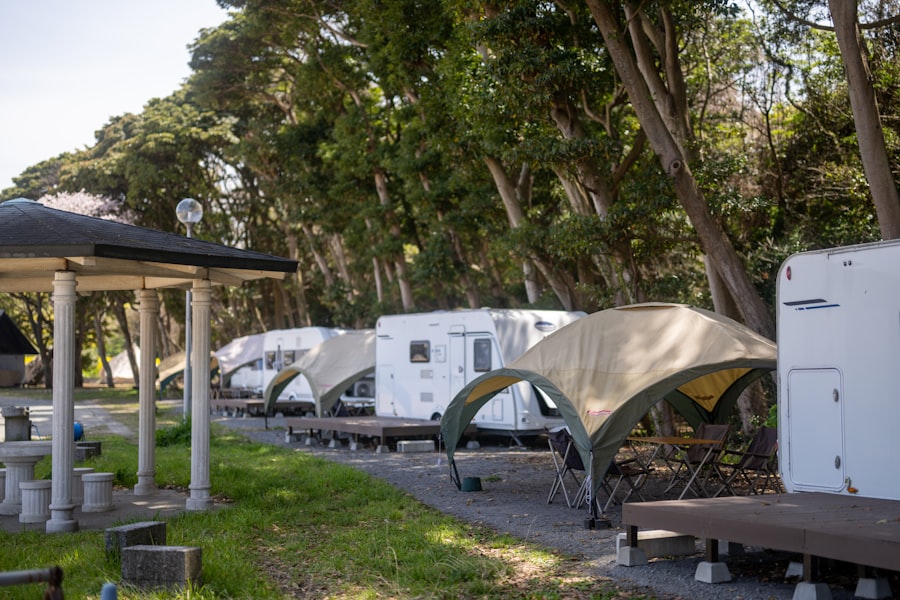
Technology offers powerful tools to streamline operations, improve efficiency, and ultimately boost your NOI. These are the digital advancements that help your orchard thrive in the modern age.
Property Management Software: Your Digital Command Center
Investing in a robust property management software can revolutionize how you manage your park.
Features to Look For
- Tenant Database: Centralized management of tenant information, lease agreements, and contact details.
- Rent Collection Tools: Online payment portals, automated reminders, and late fee calculation.
- Work Order Management: Streamlined tracking and assignment of maintenance requests.
- Financial Reporting: Generation of crucial financial reports, including income statements, balance sheets, and P&L statements.
- Communication Features: Tools for communicating with residents, sending announcements, and receiving feedback.
Data Analytics Platforms: Turning Data into Decisions
Beyond basic accounting software, dedicated data analytics platforms can offer deeper insights into your park’s performance.
Leveraging Data for Growth
- Trend Analysis: Identify patterns in rent collection, expenses, and occupancy over time.
- Benchmarking: Compare your park’s performance against industry averages or similar properties.
- Predictive Analytics: Some advanced platforms can help forecast future performance and identify potential risks or opportunities.
Online Marketing and Communication Tools: Reaching Your Audience
Effective digital marketing and communication are no longer optional; they are essential.
Digital Engagement Strategies
- Professional Website/Listings: Showcase your park with high-quality photos and detailed information on a user-friendly website or through popular online listing platforms.
- Social Media Presence: Engage with the local community and potential residents on social media platforms.
- Email Marketing: Use email to communicate important updates, promotions, and community news to your residents.
By meticulously crunching the numbers and implementing these strategies, you can transform your mobile home park from a passive investment into a dynamic and profitable enterprise. Remember, maximizing NOI is an ongoing process, requiring constant vigilance, data analysis, and a commitment to continuous improvement. Your park is a living entity; nurture it, and it will reward you handsomely.
FAQs
What is Net Operating Income (NOI) in the context of a mobile home park?
Net Operating Income (NOI) is the total income generated from a mobile home park’s operations minus the operating expenses. It does not include mortgage payments, taxes, or depreciation. NOI is a key metric used to evaluate the profitability of the property.
How do you calculate the Net Operating Income for a mobile home park?
To calculate NOI, you subtract all operating expenses (such as maintenance, management fees, utilities, and property taxes) from the total gross income generated by the mobile home park (including rent and other fees). The formula is: NOI = Gross Income – Operating Expenses.
Why is NOI important when investing in a mobile home park?
NOI is important because it provides a clear picture of the property’s ability to generate income from its operations. Investors use NOI to assess the financial health of the mobile home park and to compare it with other investment opportunities.
What types of income are included in the gross income for a mobile home park?
Gross income typically includes rental income from mobile home lots, fees for utilities, laundry facilities, parking, and any other income generated from services or amenities provided within the park.
Which expenses are considered operating expenses when calculating NOI for a mobile home park?
Operating expenses include costs such as property management fees, maintenance and repairs, utilities paid by the owner, insurance, property taxes, landscaping, and administrative expenses. Mortgage payments and income taxes are not included in operating expenses.