By 2026, you will likely see a significant shift in who owns the fields that feed you. Private equity firms, often associated with high-stakes corporate takeovers and sleek urban offices, are increasingly casting their gaze towards the verdant expanses of agricultural land. This isn’t a new phenomenon, but the scale and sophistication of these investments are poised to reach new heights in the coming years. You might not interact with them directly, but their decisions will ripple through the food supply chain, impacting everything from the cost of your groceries to the sustainability practices employed on farms. Understanding this growing role is crucial to grasping the future of food production.
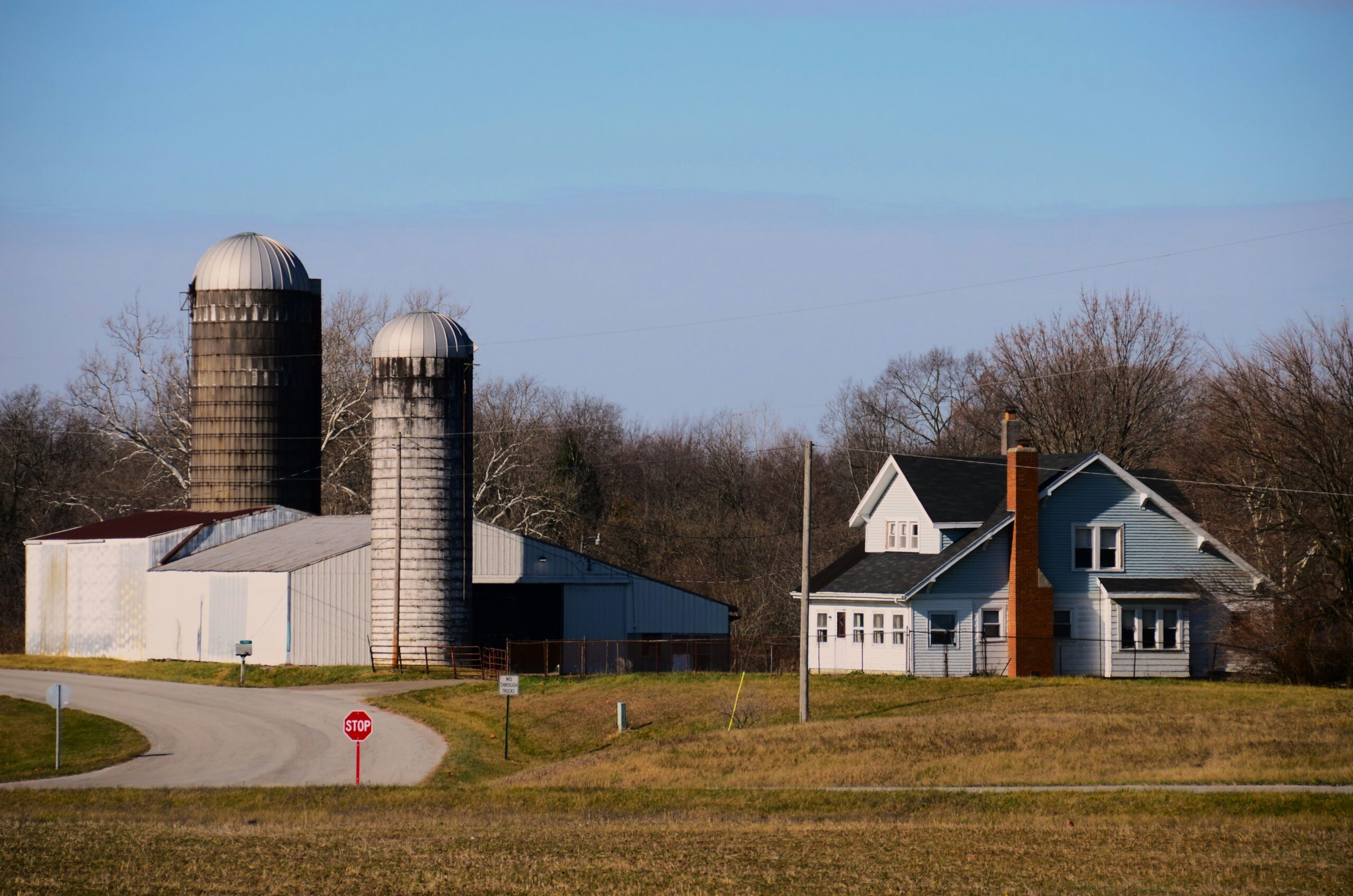
For generations, farmland has been the bedrock of family legacies, passed down through generations of farmers. This image, ingrained in the collective consciousness, is gradually being re-written. While family farms still form the backbone of agriculture, the economic pressures and opportunities are creating space for different types of ownership. You can think of it like a grand old oak tree, the traditional family farm, now finding itself alongside a budding sapling, the institutional investor, with its own unique growth patterns and resource requirements.
The Allure of Agricultural Assets
Why are these investment behemoths turning their attention to soil and seed? The answer lies in a confluence of factors that make agricultural land an attractive asset class. It’s not just about growing crops; it’s about the inherent value and resilience of the land itself.
A Hedge Against Inflation
In an era marked by economic uncertainty and the specter of inflation, agricultural land stands out as a tangible asset. Unlike stocks or bonds, which can be volatile, land is a finite resource that tends to hold its value, and often appreciate, over the long term. When the purchasing power of your currency dwindles, the fundamental utility of land – its ability to produce food – remains strong. This inherent stability makes it a desirable haven for capital seeking to preserve its value.
Predictable Income Streams
Beyond its appreciation potential, farmland offers the prospect of stable, ongoing income. Lease agreements with farmers can provide a consistent revenue stream, similar to collecting rent from a property. Even when direct farming is involved, agricultural commodities, despite their inherent price fluctuations, are a fundamental necessity, ensuring a baseline demand that can translate into predictable revenue for well-managed operations.
Diversification Benefits
For large investment portfolios, diversification is key to mitigating risk. Agricultural land offers a low correlation to other asset classes, meaning its performance is not heavily tied to the ups and downs of the stock market or bond yields. This uncorrelated nature provides a valuable buffer, helping to stabilize overall portfolio returns. When other investments are in freefall, the fields continue to grow.
The Historical Context of Institutional Investment
While the current surge in private equity interest might seem novel, the concept of institutional investors holding farmland is not entirely new. However, past iterations have often been on a smaller scale or focused on specific regions. What’s different now is the sheer volume of capital being deployed and the strategic, data-driven approach these firms are taking.
Early Explorations and Niche Investments
Historically, some pension funds and university endowments, with their long-term investment horizons, have dabbled in agricultural real estate. These were often more passive investments, focused on acquiring well-established, productive farms in mature agricultural regions. The primary goal was income generation and capital preservation.
The Rise of Specialized Funds
More recently, you’ve seen the emergence of specialized agricultural funds, often managed by experienced agricultural professionals or firms with dedicated real estate divisions. These funds are designed to attract a broader range of investors and employ more active management strategies.
As private equity firms increasingly turn their attention to farmland acquisitions, the implications for agricultural sustainability and food security are becoming a topic of significant discussion. A related article that delves into the trends and forecasts for private equity investments in farmland through 2026 can be found at How Wealth Grows. This piece explores the motivations behind these investments and their potential impact on local farming communities and global food systems.
Private Equity’s Strategic Approach to Farmland
Private equity firms are not simply buying land; they are actively acquiring, managing, and optimizing it. Their approach is characterized by a focus on efficiency, scale, and technological integration. You can picture them as skilled gardeners, not just planting seeds, but meticulously tending to every aspect of the growth process.
Leveraging Scale and Efficiency
A hallmark of private equity is its ability to achieve economies of scale. By acquiring large contiguous tracts of land, these firms can implement more efficient farming practices, reduce operational costs, and negotiate better terms with suppliers and distributors.
Consolidation of Farmland Holdings
One of the primary strategies is the consolidation of smaller, fragmented landholdings into larger, more manageable operational units. This allows for the deployment of advanced machinery, optimized irrigation systems, and streamlined logistical operations, all of which contribute to increased productivity and profitability.
Centralized Management and Best Practices
Rather than relying on individual farmer intuition, private equity firms often implement centralized management structures. This facilitates the dissemination of best practices across their portfolio, ensuring that all farms adhere to the most efficient and productive methods, from soil health management to crop rotation.
Data-Driven Decision Making and Technology Integration
The modern agricultural landscape is increasingly driven by data. Private equity firms, with their quantitative expertise, are at the forefront of leveraging this trend. You’ll see them investing heavily in technologies that provide granular insights into every aspect of the farming process.
Precision Agriculture Adoption
Precision agriculture, which uses GPS, sensors, and data analytics to optimize everything from irrigation and fertilization to pest control, is a key area of investment. This allows for the highly targeted application of resources, reducing waste and improving yields.
Advanced Analytics for Crop Planning and Yield Prediction
Sophisticated analytical tools are being employed to predict crop yields, identify potential risks, and optimize planting and harvesting schedules. This data-driven approach helps to minimize uncertainty and maximize profitability in a sector that is inherently susceptible to environmental variables.
Investment in Agritech Startups
Beyond direct land acquisitions, many private equity firms are also investing in agricultural technology (agritech) startups. This allows them to gain early access to innovative technologies that can further enhance their farming operations.
The Rationale Behind the Increased Investment by 2026
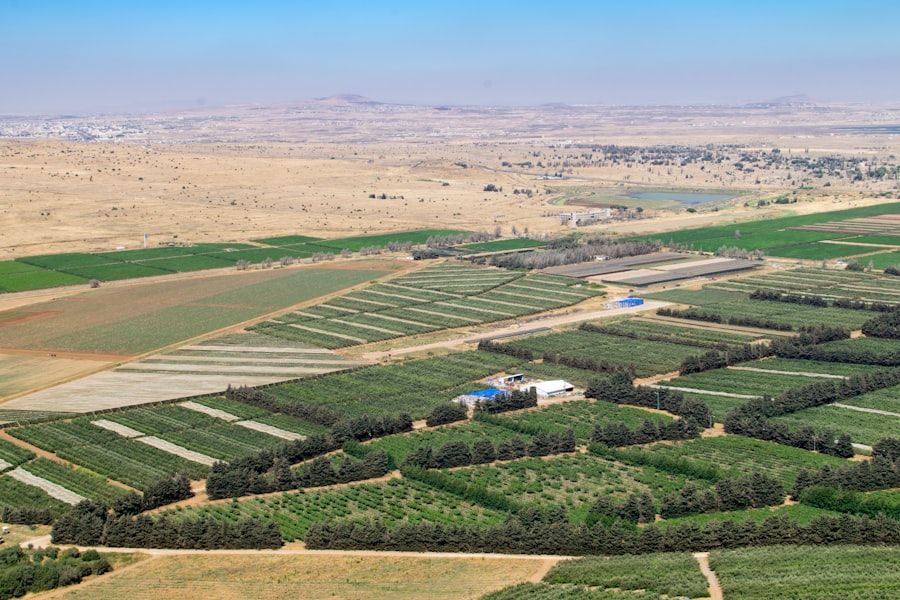
By 2026, the factors driving private equity into farmland are expected to intensify, presenting a compelling case for further acquisitions. You should anticipate this trend to be a sustained wave rather than a fleeting ripple.
Global Food Security Concerns
The world’s population is growing, and the demand for food is increasing. Simultaneously, arable land is a finite resource, and agricultural output can be disrupted by climate change and geopolitical instability. This backdrop creates a strong underlying demand for food production, making agricultural land a strategically important asset.
Population Growth and Dietary Shifts
As the global population continues its upward trajectory, the need for efficient and scalable food production becomes paramount. Furthermore, dietary shifts in emerging economies, with a greater consumption of protein and diverse food products, add another layer of demand.
Climate Change Vulnerabilities
Extreme weather events, altered rainfall patterns, and rising temperatures pose significant challenges to traditional agricultural practices. Investors recognize that well-managed, resilient agricultural operations, often facilitated by advanced technologies and diversified crop portfolios, are crucial to navigating these challenges.
Supply Chain Optimization and Vertical Integration
Private equity firms are not just interested in the land; they are looking at the entire agricultural value chain. This often involves integrating farming operations with processing, logistics, and even distribution capabilities.
Control Over the Food Production Pipeline
By acquiring land and potentially downstream assets, private equity can exert greater control over the entire food production pipeline. This can lead to greater efficiency, cost savings, and a more secure supply chain, insulating them from certain market volatilities.
Enhancing Profitability Through Value Addition
Beyond raw commodity production, these firms can explore value-added opportunities, such as processing crops into higher-margin products or developing branded agricultural goods, thereby capturing more value along the supply chain.
The Potential Impacts on Farmers and Consumers

The increased presence of private equity in farmland acquisitions will inevitably have ramifications for both those who work the land and those who consume its bounty. You’ll see a nuanced interplay of challenges and opportunities.
Challenges for Independent Farmers
For independent family farmers, the rise of large institutional landowners can present a complex landscape. The economic realities may shift, requiring adaptation and strategic thinking.
Increased Competition for Land Access
As private equity firms acquire significant tracts, the availability of affordable land for sale or lease to independent farmers may diminish, making it more challenging for new farmers to enter the sector or for existing ones to expand.
Shifting Lease Agreement Dynamics
Lease agreements may become more standardized and potentially less flexible, as institutional landlords prioritize predictable returns and operational efficiency. This could put pressure on farmers to meet rigorous performance metrics.
Consolidation and Loss of Local Control
The consolidation of farmland under fewer, larger entities can lead to a reduction in the diversity of farming practices and a potential loss of local autonomy and decision-making power within agricultural communities.
Opportunities for Agricultural Modernization and Efficiency
While challenges exist, private equity’s involvement can also fuel positive developments in the agricultural sector. You can anticipate technological advancements and a drive towards greater sustainability.
Access to Capital for Investment
These firms can provide much-needed capital for farmers and agricultural businesses to invest in new technologies, infrastructure, and sustainable practices that might otherwise be out of reach.
Adoption of Advanced Technologies and Sustainable Practices
The emphasis on efficiency and data-driven decision-making can accelerate the adoption of precision agriculture, renewable energy solutions on farms, and improved soil health management techniques, potentially leading to more sustainable and environmentally sound farming.
Potential for Improved Livelihoods Through Modernization
For farmers who can adapt and collaborate with these investment firms, there’s the potential for improved economic stability and the adoption of more advanced and less physically taxing farming methods.
As the trend of private equity farmland acquisitions continues to gain momentum, many investors are keen to understand the implications for the agricultural sector in 2026. A recent article explores how these investments are reshaping land ownership and farming practices, highlighting both opportunities and challenges for local farmers. For a deeper insight into this evolving landscape, you can read more in this informative piece found here.
The Regulatory and Societal Implications
| Metric | Value | Unit | Notes |
|---|---|---|---|
| Total Farmland Acquisitions | 12,500 | Acres | Estimated total acreage acquired by private equity firms in 2026 |
| Investment Volume | 4.8 | Billion | Estimated total investment amount in private equity farmland acquisitions |
| Average Price per Acre | 3,850 | USD | Average cost per acre for farmland acquisitions |
| Top Regions | Midwest, South, Pacific Northwest | Regions | Primary geographic focus of acquisitions |
| Number of Deals | 45 | Deals | Total number of private equity farmland acquisition transactions |
| Yield Improvement Investment | 15 | Percent | Average increase in yield expected due to private equity management |
| Projected ROI | 12 | Percent | Expected annual return on investment for farmland acquisitions |
As private equity’s footprint in agriculture grows, questions about regulation, food security, and the societal impact on rural communities will become increasingly pertinent. You’ll need to consider the broader canvas beyond just the financial transactions.
The Need for Greater Transparency and Oversight
The opaque nature of some private equity deals raises concerns about transparency. Ensuring accountability and understanding the long-term implications of these acquisitions will be crucial.
Understanding Ownership Structures
It can be challenging to trace the ultimate beneficial owners of land held by complex private equity structures. Increased transparency regarding ownership and investment strategies is essential for public understanding and accountability.
Monitoring the Impact on Land Use and Practices
Regulatory bodies may need to monitor how land is being managed and whether farming practices align with environmental sustainability goals and long-term land stewardship principles.
Implications for Food Affordability and Accessibility
The drive for profit maximization within private equity could have unintended consequences for the affordability and accessibility of food if not carefully managed.
Concerns About Price Increases
If increased consolidation leads to reduced competition or a focus on higher-value crops at the expense of staples, consumers could potentially face higher food prices.
The “Social License to Operate”
As private equity becomes a more prominent player, questions about their “social license to operate” will arise. This involves ensuring that their activities contribute positively to rural economies and communities, not just to investor returns.
The Future of Food Production: A Collaborative Effort
Ultimately, the growing role of private equity in farmland acquisitions by 2026 is not a singular force but a part of a larger, evolving agricultural ecosystem. Your engagement and awareness as consumers, alongside thoughtful policy and responsible investment, will shape the future of how and by whom your food is produced. The fields are changing, and understanding these shifts is the first step towards ensuring a healthy and sustainable future for all.
FAQs
What is private equity farmland acquisition?
Private equity farmland acquisition refers to investment firms purchasing agricultural land as part of their portfolio. These acquisitions are typically aimed at generating returns through land appreciation, agricultural production, or leasing to farmers.
Why are private equity firms interested in farmland?
Private equity firms are attracted to farmland because it is a tangible asset that can provide steady income, potential for capital appreciation, and diversification benefits. Farmland also tends to be less volatile compared to other asset classes and can serve as a hedge against inflation.
How do private equity firms acquire farmland?
Private equity firms acquire farmland through direct purchases, partnerships with landowners, or by investing in farmland-focused funds. They may also use leverage to finance acquisitions and implement management strategies to increase land value and productivity.
What impact do private equity farmland acquisitions have on local farmers?
The impact varies; some local farmers benefit from leasing arrangements and improved infrastructure, while others may face challenges such as increased land prices or changes in land use. The involvement of private equity can lead to more professional management but may also prioritize profit over community interests.
What trends are expected in private equity farmland acquisitions by 2026?
By 2026, private equity farmland acquisitions are expected to grow due to rising food demand, technological advancements in agriculture, and increased interest in sustainable farming practices. Regulatory changes and environmental considerations may also influence investment strategies in this sector.