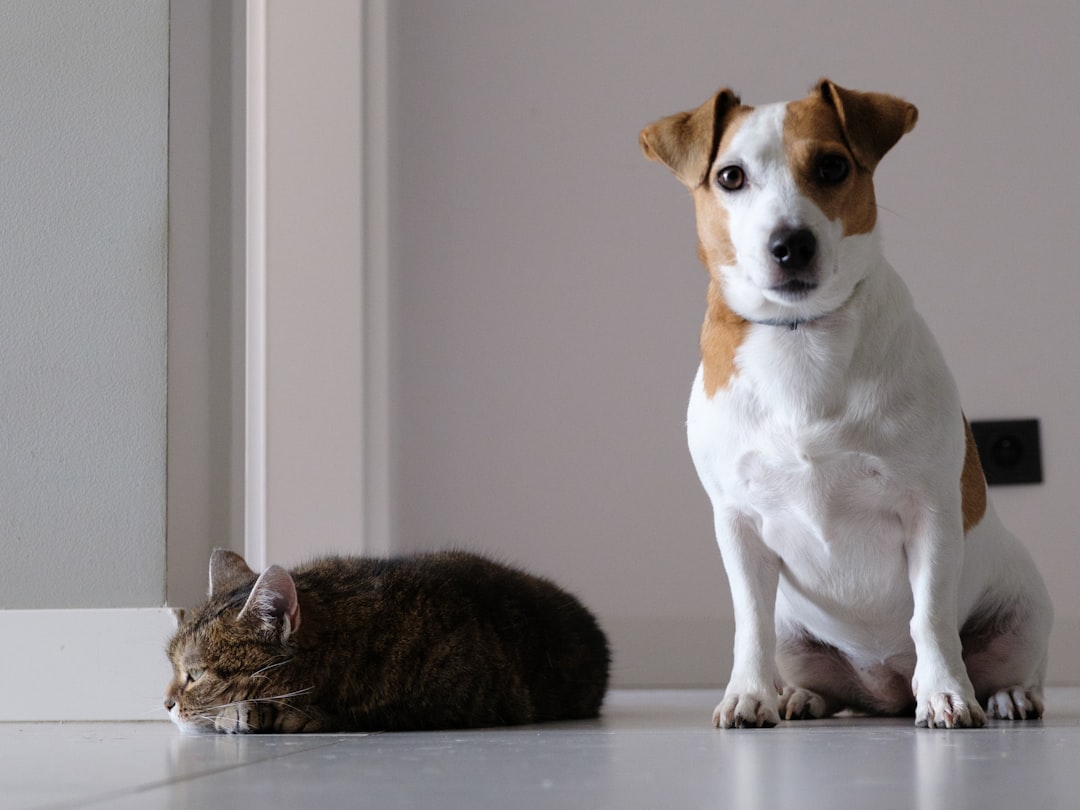
Finding the right veterinary care for your animal companion is a critical decision, and often, the most nuanced and personalized approach comes from independent veterinary practices. Unlike corporate-owned facilities, independent clinics are typically helmed by veterinarians who have a direct stake in their practice, fostering a commitment to client relationships and patient well-being that can feel distinct. This guide is designed to illuminate your path in discovering these valuable resources, acting as a compass to navigate the landscape of veterinary options.
Here, we will dissect what truly defines an independent veterinary practice and why this distinction might be significant for your search. Consider this the foundational layer of your understanding, the bedrock upon which you’ll build your decision-making process.
What Constitutes an “Independent” Vet?
The term “independent” in the veterinary world generally refers to a practice that is not under the ownership or direct control of a large corporate entity. These practices are typically owned and operated by individual veterinarians or a small group of veterinarians who are the decision-makers, setting the clinic’s protocols, standards of care, and overall philosophy.
Distinguishing from Corporate Chains
Corporate veterinary groups have grown in prevalence, consolidating practices under unified management structures. While these models can offer benefits such as standardized protocols and potentially wider access to specialized equipment, they can also sometimes lead to a less personalized experience. The primary owner, in this scenario, is often a board of directors or shareholders, with the individual veterinarians acting as employees. This can influence everything from the purchasing of supplies to the types of treatments that are prioritized.
Ownership Structure: A Key Indicator
When investigating a veterinary practice, understanding its ownership structure is paramount. You can often glean this information from the practice’s website, by asking the front desk staff, or even through online searches and professional directories. Practices that proudly display veterinarian-owner profiles or emphasize their local roots are often strong indicators of independence.
The Role of the Veterinarian-Owner
The veterinarian-owner is more than just a practitioner; they are often the heart and soul of an independent clinic. Their personal investment in the practice translates to a hands-on approach to management and patient care. They are the ones making the day-to-day decisions, and their commitment to the community and their patients can be a driving force behind the clinic’s operations.
Benefits of Choosing an Independent Veterinarian
The reasons for seeking out an independent veterinarian are varied, but they often center on a desire for a more personalized and relationship-driven veterinary experience. Think of it as choosing a bespoke suit over an off-the-rack option; the fit and attention to detail can make a noticeable difference.
Personalized Care and Continuity
In an independent practice, you are more likely to see the same veterinarian consistently. This fosters a deeper understanding of your pet’s individual history, temperament, and specific health needs. Continuity of care allows for more accurate diagnoses, more effective treatment plans, and a stronger bond between you, your pet, and the veterinary team. It’s like having a trusted confidante who knows your family’s medical history intimately.
Tailored Treatment Plans
Independent veterinarians often have more flexibility in their treatment options. They are not beholden to corporate mandates that might dictate the use of specific medications or procedures. This allows them to tailor recommendations based on what they believe is truly best for your pet, considering factors beyond just the bottom line.
Community Connection and Local Investment
Independent clinics are frequently deeply embedded within their local communities. They may sponsor local animal shelters, participate in community events, and generally feel more invested in the well-being of the animals and their owners in their geographic area. This local connection can translate to a more responsive and understanding veterinary partner.
Potential for Specialized Expertise
While corporate practices may offer access to large, centralized referral networks, independent veterinarians can still cultivate significant specialized expertise. Many independent practitioners invest heavily in continuing education and advanced training, becoming leaders in specific areas of veterinary medicine. Their focus might be narrower, but their depth of knowledge in that area can be profound.
If you’re looking for independent veterinarians near you, it’s essential to consider various resources that can help in your search. One useful article that provides insights and tips on finding the right veterinary care for your pets is available at this link: How to Find Independent Veterinarians Near Me. This guide offers practical advice on evaluating local practices, understanding services offered, and ensuring that your furry friends receive the best possible care.
Navigating Your Search for Independent Vets
Now that you understand the value of independent veterinary practices, let’s delve into the practical steps you can take to locate them. This section is your roadmap, outlining the most effective strategies for uncovering these hidden gems.
Utilizing Online Search Engines and Directories
The digital age has provided us with powerful tools to uncover local businesses. Leveraging these effectively can significantly streamline your search.
Strategic Search Terms
When using search engines, employ specific keywords. Instead of simply searching “vets near me,” try combinations like:
- “Independent veterinary clinic [your city/town]”
- “Local veterinarian [your zip code]”
- “Private practice vet [your neighborhood]”
- “Veterinarian owner [your city/town]”
These more targeted searches are like casting a wider net but with a finer mesh, increasing the likelihood of catching the information you seek.
Exploring Veterinary Association Websites
Professional veterinary organizations often maintain directories of member practices. While not all members of these directories are exclusively independent, they often list practice ownership information or provide links to practice websites where you can further investigate.
Examining Review Sites with a Critical Eye
Websites like Google Reviews, Yelp, and specialized veterinary review platforms can offer insights. However, approach these with discernment. Focus on reviews that mention the quality of care, the veterinarian’s approach, and the overall atmosphere of the clinic. Pay attention to recurring themes in positive and negative feedback. Remember, a single negative review doesn’t necessarily define a practice, just as a handful of glowing reviews don’t paint the entire picture.
The Power of Word-of-Mouth and Recommendations
In any community, human connection remains a powerful vehicle for information. Don’t underestimate the insights you can gain from other pet owners.
Consulting Local Pet Communities
Engage with local animal shelters, breed-specific rescue groups, and even your local pet supply stores. Staff and volunteers at these establishments often have a keen understanding of reliable veterinary care providers in the area, and they may have personal experience or hear frequent recommendations.
Asking Other Pet Owners
If you know other responsible pet owners in your area, ask them where they take their pets and why. Their personal experiences can provide invaluable, real-world perspectives. A recommendation from a fellow pet parent who shares similar values regarding animal care is akin to a trusted endorsement.
Seeking Recommendations from Related Professionals
Consider asking your dog groomer, pet sitter, or dog walker for their veterinary recommendations. These individuals often interact with a wide range of clients and their veterinarians and can offer honest opinions.
Investigating Practice Websites and Social Media Presence
Once you’ve identified potential candidates, a deeper dive into their online presence is essential. This is where you’ll get a feel for their philosophy and operations.
Analyzing “About Us” or “Our Team” Pages
Look for information that highlights the veterinarians’ background, their approach to medicine, and any areas of special interest. A strong emphasis on veterinarian ownership and long-standing practice history can be a good sign.
Evaluating the Content and Tone
The language used on a practice’s website can reveal a lot. Is it warm and personal, or does it sound corporate and generic? Does it emphasize patient-centered care or focus heavily on services and technology without a human touch?
Observing Social Media Engagement
A well-maintained social media presence can showcase practice life, offer helpful tips, and demonstrate an engagement with their community. Look for posts that reflect the clinic’s values and the personalities of the veterinary team.
What to Look For During Your Initial Consultation

Once you’ve narrowed down your options, an initial visit to a prospective veterinary clinic is crucial. This is your opportunity to assess the clinic firsthand and see if it aligns with your expectations.
Assessing the Clinic Environment and Staff
The physical space and the people who work there are key indicators of a practice’s quality and ethos.
Cleanliness and Organization
A clean and well-organized clinic signals attention to detail and a commitment to hygiene, which is paramount in a medical setting.
Staff Friendliness and Professionalism
From the receptionists to the veterinary technicians, the entire staff should be welcoming, knowledgeable, and compassionate. Their interactions with you and your pet are a microcosm of the care you can expect.
The Veterinarian’s Communication Style
During the consultation, pay close attention to how the veterinarian communicates. Do they listen attentively to your concerns? Do they explain diagnoses and treatment options clearly and in a way you can understand? Do they involve you in the decision-making process?
Evaluating the Standard of Care Provided
Beyond the initial impression, you’ll want to understand the actual medical approach of the practice.
Diagnostic Capabilities
Does the clinic have the necessary diagnostic equipment (e.g., X-ray, ultrasound, in-house laboratory) to address your pet’s needs? If not, how do they handle referrals for advanced diagnostics?
Treatment Philosophy and Options
Discuss their approach to common health issues and preventative care. Do they offer a range of treatment options, or do they tend to rely on a single approach? Are they open to discussing alternative or complementary therapies if appropriate?
Preventative Care Emphasis
A strong focus on preventative medicine, including vaccinations, parasite control, and dental care, is a hallmark of a good veterinary practice dedicated to long-term pet health.
Understanding Fees and Financial Transparency
Financial discussions can be sensitive, but transparency is key to a good client-veterinarian relationship.
Clear Fee Structures
Ask for an estimate before any significant procedures or treatments. Understand the cost breakdown and what is included.
Payment Options
Inquire about accepted payment methods and any available payment plans or financing options if you anticipate a large bill.
Red Flags to Be Aware Of

While you’re seeking the best, it’s also important to recognize potential warning signs that might indicate a practice isn’t the right fit for you and your pet.
Signs of Corporate Influence or Over-Commercialization
Certain characteristics can suggest a practice might be more focused on profit margins than individual patient needs.
Aggressive Upselling of Products and Services
Be wary of practices that consistently push unnecessary products or services, especially those that don’t seem directly related to your pet’s immediate health needs.
Limited Veterinarian Autonomy
If you hear veterinarians expressing frustration about being forced to use certain products or adhere to restrictive protocols dictated by an external entity, it could signal a lack of independence.
Lack of Personalization in Treatment Recommendations
When treatment plans seem cookie-cutter and not tailored to your pet’s specific situation, it might be a sign of a less independent approach.
Indicators of Poor Management or Patient Care
Some issues are more fundamental and point to a general lack of quality.
Unsanitary Conditions
This is a non-negotiable red flag. A dirty clinic is a breeding ground for disease and indicates a severe lack of attention to detail.
Rude or Dismissive Staff
The entire team should be respectful and attentive. If you encounter rudeness or dismissiveness, it’s a poor reflection on the practice’s overall culture.
Rushed Appointments and Veterinarian Impatience
Your pet’s health is important, and your concerns deserve adequate attention. A veterinarian who seems rushed or impatient may not be providing the thorough care your pet needs.
Lack of Transparency Regarding Costs or Treatment Decisions
If you feel you’re being kept in the dark about what’s happening or why, it can erode trust.
If you’re looking for independent veterinarians near you, a great resource can be found in this informative article that discusses various methods to locate local veterinary services. Exploring community recommendations and online directories can help you find the right fit for your pet’s needs. For more tips on navigating local services, check out this related article on how to grow your wealth and make informed decisions about your spending. You can read it here: how to grow your wealth.
Building a Long-Term Relationship with Your Independent Vet
| Method | Description | Effectiveness | Ease of Use | Typical Response Time |
|---|---|---|---|---|
| Online Search Engines | Using Google, Bing, or other search engines to find local independent veterinarians by typing relevant keywords. | High | Very Easy | Instant |
| Veterinary Association Websites | Checking websites of veterinary associations for directories of independent vets in your area. | High | Moderate | Instant |
| Local Community Forums | Asking for recommendations on platforms like Nextdoor, Reddit, or Facebook community groups. | Moderate to High | Moderate | Hours to Days |
| Word of Mouth | Getting referrals from friends, family, or neighbors who have used independent veterinarians. | High | Easy | Varies |
| Local Business Directories | Using directories like Yelp or Yellow Pages to find independent veterinary clinics nearby. | Moderate | Easy | Instant |
Finding an independent veterinarian is not just about a single appointment; it’s about establishing a partnership for your pet’s ongoing health and well-being.
Active Participation in Your Pet’s Care
Your role as a pet owner is crucial. Be an active participant in your pet’s healthcare journey.
Open Communication and Honesty
Share all relevant information with your veterinarian, even if you think it’s insignificant. The more they know, the better they can help.
Following Treatment Advice and Discussing Concerns
Adhere to recommended treatment plans and don’t hesitate to ask questions or voice concerns if something isn’t working as expected.
Regular Veterinary Check-ups
Prioritize regular wellness exams. These are opportunities for early detection of potential health issues and for maintaining a strong veterinarian-client relationship.
Recognizing the Value of Their Expertise
Independent veterinarians are often highly skilled and dedicated professionals. Appreciate their knowledge and experience.
Trusting Their Professional Judgment
While it’s good to be informed, ultimately, you are entrusting your pet’s health to their expertise. Learn to trust their professional judgment, while still feeling comfortable asking clarifying questions.
Understanding Their Commitment to Continuing Education
Independent practitioners often invest in their own professional development to stay abreast of the latest advancements in veterinary medicine. This dedication benefits your pet directly.
Advocating for Your Pet’s Needs
You are your pet’s primary advocate. Ensure your veterinarian understands your priorities for your pet’s care.
Clearly Stating Your Pet’s Needs and Your Goals
Before any treatment, discuss your pet’s specific needs and your personal goals for their health and quality of life.
Discussing Euthanasia and End-of-Life Care with Sensitivity
Having open and honest conversations about difficult but important topics like end-of-life care can ensure you and your veterinarian are aligned during challenging times.
By following these guidelines and approaching your search with thoughtful consideration, you can successfully locate an independent veterinary practice that will serve as a trusted partner in safeguarding the health and happiness of your beloved animal companion for years to come.
FAQs
How can I find independent veterinarians near me?
You can find independent veterinarians near you by searching online directories, using map services like Google Maps, asking for recommendations from friends or local pet groups, or checking veterinary association websites that list licensed practitioners in your area.
What are the benefits of choosing an independent veterinarian?
Independent veterinarians often provide personalized care, have more flexibility in treatment options, and may offer a more community-focused approach compared to larger corporate clinics. They can build long-term relationships with pets and their owners.
Are independent veterinarians typically more expensive than corporate clinics?
Costs vary widely depending on location, services, and the specific veterinarian. Independent clinics may have different pricing structures, but they often focus on quality and personalized care rather than volume, which can affect costs either way.
How can I verify the credentials of an independent veterinarian?
You can verify a veterinarian’s credentials by checking their licensing status with your state’s veterinary medical board, looking for certifications from recognized veterinary organizations, and reading reviews or testimonials from other pet owners.
What services do independent veterinarians usually offer?
Independent veterinarians typically offer a range of services including routine check-ups, vaccinations, dental care, emergency care, surgery, diagnostic testing, and sometimes specialized treatments depending on their expertise and clinic resources.