
You’ve likely noticed the growing buzz around your local veterinary clinics. Perhaps you’ve seen new signage, or heard whispers of a practice you’ve patronized for years now belonging to a larger entity. This isn’t mere coincidence. Wall Street, often perceived as a distant behemoth concerned solely with financial markets, is increasingly turning its attention to the burgeoning animal care industry, and specifically, veterinary clinics. This trend marks a significant shift, transforming the landscape of pet healthcare from a collection of independent practices into a more consolidated, corporatized sector. You, as a pet owner and consumer of these services, are at the heart of this evolving market.
For decades, the image of the veterinary clinic was firmly rooted in the independent practitioner model. A veterinarian, often a sole proprietor or part of a small partnership, would build a practice in their community, fostering deep relationships with clients and their animal companions. This model, characterized by a personal touch and a sense of local ownership, was the bedrock of animal healthcare. However, beneath the surface, the economic tides were beginning to shift, creating fertile ground for external investment.
Economic Drivers Behind the Investment Wave
Several converging economic factors have made veterinary clinics increasingly attractive to institutional investors. The financial allure isn’t a sudden whim; it’s a calculated response to demographic and economic trends.
The Humanization of Pets: Four-Legged Family Members
The most significant driver is undoubtedly the profound shift in how humans perceive their pets. Today’s pets are often viewed not just as animals, but as integral members of the family. This “humanization” trend has translated into a willingness by owners to spend more on their pets’ well-being, including advanced medical treatments, specialized diets, and preventative care. You, in your empathy for your furry (or feathered, or scaled) companions, are a testament to this phenomenon. This increased willingness to spend creates a more robust and predictable revenue stream, a key attraction for investors.
Increasing Demand for Veterinary Services
With the humanization of pets comes an increased demand for services. This isn’t limited to routine check-ups and vaccinations. There’s a growing appetite for specialized veterinary care, including:
- Emergency and Critical Care: Just as human hospitals have emergency rooms, the demand for 24/7 animal emergency services has surged. This requires significant infrastructure and specialized staffing, often more readily available to larger, well-funded entities.
- Specialty Medicine: Advanced diagnostic imaging (MRI, CT scans), surgical procedures, oncology, cardiology, and neurology are becoming more commonplace in veterinary medicine, mirroring human healthcare. These highly specialized services require substantial investment in equipment and expertise.
- Preventative Care and Wellness Plans: Many clinics now offer comprehensive wellness plans, encouraging regular check-ups, preventative screenings, and even dental care. This shift towards proactive health management provides a more stable and recurring revenue model for practices.
The Aging Demographics of Veterinarians
A fascinating and crucial factor is the demographic makeup of the veterinary profession itself. A significant portion of practice owners are nearing retirement age. Many are looking for an exit strategy that offers financial security and a smooth transition of their practice. This creates a supply of established, profitable businesses ripe for acquisition. You’ve likely seen older vets, who have served your community for years, eventually pass the torch.
The Appeal of a Recessions-Resistant Market
While many industries falter during economic downturns, the demand for pet care often proves surprisingly resilient. When times get tough, people may cut back on discretionary spending, but their commitment to their pets’ health often remains steadfast. This perceived “recession resistance” makes veterinary clinics an attractive investment in turbulent economic climates, offering a degree of stability that other sectors may lack. Your commitment to your pet’s health, even during challenging financial periods, demonstrates this resilience.
In recent discussions surrounding the veterinary industry, the trend of clinic acquisitions has gained significant attention, particularly with the rise of corporate ownership in veterinary practices. A related article that delves into the financial implications and strategic motivations behind these acquisitions can be found at How Wealth Grows. This resource provides valuable insights into how these changes are reshaping the landscape of veterinary care and the potential impacts on both pet owners and veterinary professionals.
The Rise of Veterinary Groups and Consolidators
The most visible manifestation of Wall Street’s interest is the emergence and rapid growth of large veterinary groups. These are not simply small chains; they are often backed by private equity firms and institutional investors, with the express purpose of acquiring and operating multiple veterinary practices. These groups act as consolidators, bringing formerly independent entities under a centralized management structure.
Understanding Private Equity and Its Role
Private equity firms are investment funds that pool capital from institutional investors, such as pension funds, insurance companies, and wealthy individuals. Their objective is to acquire companies, improve their operations and profitability, and then sell them for a profit, typically within a 5-10 year timeframe. In the veterinary space, these firms see an opportunity to achieve economies of scale and operational efficiencies that individual practices may struggle to attain.
Economies of Scale and Purchasing Power
When a large veterinary group acquires numerous individual clinics, it gains significant purchasing power. This allows them to negotiate better prices on everything from medical supplies and pharmaceuticals to diagnostic equipment and even IT services. This cost reduction directly impacts the bottom line, making the consolidated operation more profitable. You might not directly see this, but behind the scenes, the bulk purchasing power can translate to slightly more competitive pricing at the clinic level, or at least the ability to maintain current pricing in the face of rising costs.
Centralized Management and Operational Efficiencies
These larger groups often implement centralized management systems. This can include:
- Shared Administrative Functions: Human resources, payroll, accounting, and IT support can be consolidated, reducing redundancy and overhead costs across multiple locations.
- Standardized Protocols and Best Practices: This can lead to improved clinical protocols, enhanced patient care, and more consistent service delivery across all acquired practices.
- Marketing and Brand Building: Consolidated groups can invest in sophisticated marketing campaigns to build brand recognition and attract new clients on a larger scale.
- Technology Integration: Implementing unified electronic health record systems and other technological solutions can streamline operations and improve data management.
Types of Veterinary Groups
The landscape of veterinary consolidators is diverse, but you can broadly categorize them into several types:
Large Corporate Groups
These are the giants of the sector, often backed by major private equity firms, and operate hundreds, if not thousands, of clinics nationwide. They are the most visible players in the consolidation trend, actively acquiring independent practices and also buying out smaller regional groups.
Regional Consolidators
These groups focus their acquisitions within a specific geographic area, building a significant presence in a state or a cluster of neighboring states. While smaller than the national giants, their concentrated ownership can still significantly impact local markets.
Specialty and Emergency Hospital Networks
Some consolidators focus exclusively on acquiring and developing specialty veterinary hospitals and emergency clinics. These are often more capital-intensive ventures requiring significant investment in advanced equipment and highly specialized veterinarians.
The Impact on Veterinary Professionals

The influx of corporate ownership has a profound and multifaceted impact on the veterinarians and support staff who form the backbone of animal care. While some welcome the changes, others see them as a dilution of the profession’s core values.
Opportunities for Veterinarians
For many veterinarians, particularly those early in their careers or seeking to reduce administrative burdens, these acquisitions can present attractive opportunities.
Reduced Administrative Burden
One of the most significant appeals for veterinarians is the ability to shed the often-onerous administrative tasks associated with running a business. Managing staff, payroll, billing, marketing, and regulatory compliance can consume a considerable amount of a veterinarian’s time and energy, diverting them from patient care. Corporate groups typically handle these functions centrally, freeing up clinicians to focus on medicine.
Access to Advanced Resources and Training
Larger groups often have the capital to invest in state-of-the-art diagnostic equipment, advanced surgical tools, and ongoing professional development. They can provide access to continuing education opportunities, specialized training programs, and even mentorship from experienced specialists within their network. This can be a significant advantage for practitioners seeking to expand their skills and offer the latest in veterinary medicine.
Career Advancement and Relocation Opportunities
For ambitious veterinarians, large corporate groups can offer a clear path for career advancement. This might include leadership roles within the management structure, opportunities to specialize further, or even the chance to relocate to different regions within the company’s network.
Concerns and Criticisms from the Profession
Despite the potential benefits, the consolidation trend has also sparked significant concerns and criticisms within the veterinary community.
Erosion of Autonomy and a Shift Towards Business Metrics
A primary concern is the potential erosion of clinical autonomy. When practices are owned by corporations focused on financial performance, there can be pressure to prioritize revenue generation over patient well-being. This can manifest as:
- Increased Pressure to Maximize Billable Services: This can lead to the overtreatment or over-testing of patients to drive revenue, a practice many veterinarians find ethically challenging.
- Focus on Key Performance Indicators (KPIs): Corporate dashboards often track metrics like client retention, average transaction value, and new client acquisition. While these are important for any business, an overemphasis can shift the focus away from purely clinical decisions.
- Reduced Dictates on Treatment Protocols: Veterinary professionals may find their decisions influenced by corporate guidelines, which may not always align with the best interests of individual patients or the nuances of veterinary judgment.
Impact on the Doctor-Client Relationship
The personal connection between a veterinarian and a client, built on trust and understanding, is a cornerstone of veterinary practice. When a clinic is acquired, clients may worry about this relationship being diluted or transactional. The familiar face may be replaced by a rotating cast of associates, and the owner’s personal touch is gone. This can feel like losing a trusted advisor.
Changes in Work Culture and Compensation
The transition to corporate ownership can also alter the work culture. While some find the structured environment beneficial, others miss the collegiality and flexibility of independent practice. Compensation models may also shift, with a greater emphasis on performance-based bonuses rather than a straightforward salary.
The Consumer Experience: What You Might Notice
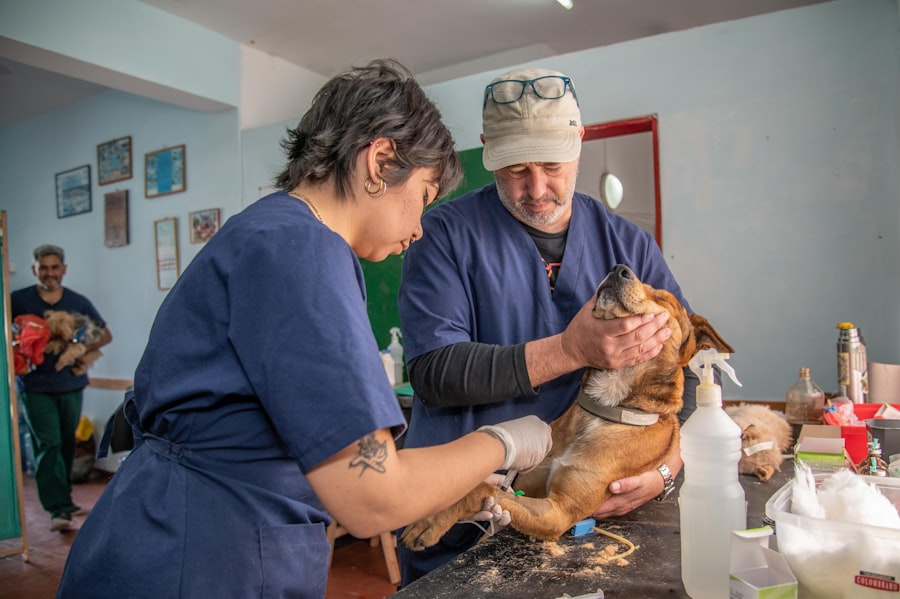
As a pet owner, the consolidation of veterinary clinics might not immediately change your day-to-day interactions, but over time, subtle shifts can emerge. You are the ultimate recipient of these changes, whether positive or negative.
Changes in Clinic Operations and Services
You might start noticing changes in how clinics operate.
Increased Emphasis on Technology and Online Services
Corporate groups often invest heavily in technology. This can mean:
- Online Appointment Booking Systems: More clinics now offer convenient online platforms for scheduling appointments, reducing the need for phone calls.
- Patient Portals and Digital Records: You may have access to your pet’s medical records through online portals, allowing you to track vaccinations, medications, and past visit histories.
- Telemedicine Options: More practices are offering virtual consultations for less urgent issues, providing an additional layer of convenience when you can’t physically get to the clinic.
Standardization of Services and Pricing
While this can lead to greater consistency, it can also mean less customization. You might find that certain services are offered in a more standardized package, and pricing may become more uniform across different locations within the same group.
Potential for Increased Wait Times or Reduced Flexibility
In some instances, increased demand driven by aggressive marketing or a focus on efficiency could lead to longer wait times for appointments or a more rigid schedule, making it harder to secure last-minute appointments for non-emergencies.
The Question of Affordability
A significant concern for many consumers is the impact on the cost of veterinary care. While consolidators often tout economies of scale, the reality of pricing can be complex.
The “Consolidation Premium” Debate
Some analysts suggest that as larger groups gain market dominance, they may be able to command higher prices due to reduced competition. This “consolidation premium” has been observed in other industries and is a point of concern for consumer advocates in the veterinary space. You might not see massive price hikes overnight, but a gradual upward creep is a possibility as competition thins.
Investment in Advanced Technology vs. Cost Savings
While consolidated groups can achieve cost savings through bulk purchasing, they also invest heavily in expensive technologies and infrastructure. This upfront investment, coupled with the profit motive of private equity, can contribute to higher service costs. The question remains: does the improved technology and service justify the potential increase in price for you, the consumer?
In recent discussions about the evolving landscape of veterinary care, the topic of Wall Street veterinary clinic acquisitions has gained significant attention. These acquisitions are reshaping the way veterinary services are delivered, often leading to enhanced resources and improved patient care. For those interested in exploring this trend further, a related article provides valuable insights into the financial implications and strategic motivations behind such acquisitions. You can read more about it in this informative piece here.
The Future of Veterinary Care: A Hybrid Landscape?
| Year | Number of Acquisitions | Total Clinics Acquired | Average Deal Size (in millions) | Top Acquiring Firms | Market Impact |
|---|---|---|---|---|---|
| 2020 | 15 | 120 | 25 | Firm A, Firm B | Moderate growth in consolidation |
| 2021 | 22 | 180 | 30 | Firm A, Firm C | Increased competition among buyers |
| 2022 | 30 | 250 | 35 | Firm B, Firm D | Significant market consolidation |
| 2023 | 28 | 230 | 40 | Firm C, Firm D | High valuation multiples observed |
| 2024 (YTD) | 12 | 100 | 42 | Firm A, Firm E | Continued strong investor interest |
The trend of Wall Street investment in veterinary clinics is unlikely to abate anytime soon. The underlying economic drivers remain strong, and the potential for profitability in this market is clear. However, the future of veterinary care is not necessarily a purely corporatized one.
The Enduring Value of Independent Practices
While consolidation is a powerful force, the desire for personalized, relationship-based care is also deeply ingrained. Independent practices, particularly smaller ones that can adapt and emphasize their unique strengths, may continue to thrive by focusing on customer service, community connection, and a niche specialization that larger groups might overlook. You might find yourself actively seeking out these clinics, valuing the personal touch they offer.
The Role of Innovation and Specialization
The increased investment by corporate groups is undoubtedly driving innovation in veterinary medicine. Access to advanced technologies, research, and specialized training can elevate the standard of care for all animals, even those treated at independent practices. This competition for excellence can ultimately benefit the animals in your care.
Navigating the Evolving Market as a Consumer
As a consumer, staying informed is your most potent tool.
- Research Your Clinic: Understand who owns your veterinary clinic and what their philosophy is. Look for signs of over-commercialization or a shift away from personalized care.
- Read Reviews and Seek Recommendations: Word-of-mouth and online reviews can offer valuable insights into the patient and client experience at different clinics.
- Advocate for Your Pet: Don’t hesitate to ask questions about treatment options, costs, and the rationale behind recommended procedures. You have the right to understand the care your pet is receiving.
- Consider a Hybrid Approach: You might find a balance by utilizing a consolidated clinic for certain routine needs or advanced diagnostics, while still seeking out a trusted independent practice for more personalized care or a second opinion.
The increasing involvement of Wall Street in the veterinary clinic market is a complex phenomenon with far-reaching implications. You, as a dedicated pet owner, are at the center of this evolving landscape, and by understanding the forces at play, you can make informed decisions that best serve the health and well-being of your beloved animal companions. The landscape of pet care is transforming, and your awareness is key to navigating this new frontier.
FAQs
What are Wall Street veterinary clinic acquisitions?
Wall Street veterinary clinic acquisitions refer to the purchase and consolidation of veterinary practices by investment firms, private equity companies, or large corporate entities often backed by Wall Street capital. These acquisitions aim to create larger veterinary service networks.
Why are Wall Street firms interested in acquiring veterinary clinics?
Wall Street firms see veterinary clinics as a growing and profitable market due to increasing pet ownership, rising pet healthcare spending, and the potential for operational efficiencies and scalability through consolidation.
How do acquisitions impact veterinary clinic operations?
Acquisitions can lead to changes in management, standardized procedures, increased access to capital for technology and equipment, and sometimes shifts in pricing or service offerings. The impact varies depending on the acquiring company’s approach.
Are there concerns related to Wall Street ownership of veterinary clinics?
Yes, some veterinarians and pet owners express concerns about potential prioritization of profits over patient care, loss of clinic autonomy, and changes in the client-veterinarian relationship due to corporate ownership.
What trends are currently shaping the veterinary clinic acquisition market?
Current trends include increased consolidation by private equity firms, expansion of veterinary service platforms, integration of telemedicine, and a focus on specialty and emergency care services within acquired clinic networks.