
You stand at the precipice of a critical challenge, one that demands a sharp, analytical gaze. Waste management, a sector often overlooked in the grand tapestry of sustainability, carries a hidden burden: its debt. Understanding and optimizing this debt is not merely a financial exercise; it is a pivotal lever for unlocking genuine, long-term environmental and economic resilience. You cannot build a sustainable future on a foundation of crumbling finances. This discussion delves into the complexities of waste management’s debt and illuminates the pathways for its optimization, transforming it from a weight into a springboard for progress.
You are likely aware that waste management infrastructure, from landfill sites to advanced recycling facilities, requires significant capital investment. This investment, very often, is financed through debt. This debt isn’t a monolithic entity; it’s a complex ecosystem with various stakeholders and repayment structures, each carrying its own implications for sustainability.
Debt Issuance and Procurement Mechanisms
You encounter debt through several avenues. Municipal bonds are a common instrument, allowing public entities to raise capital for infrastructure projects. Corporate bonds are utilized by private waste management companies. Furthermore, you might see loans from development banks or private financial institutions. The choice of instrument and the terms negotiated are not neutral decisions; they are the initial keystones in how sustainable your debt strategy will be.
The Burden of Interest Payments
The most immediate and tangible aspect of debt is the interest you pay. These recurring payments can drain operational budgets, diverting funds that could otherwise be invested in cleaner technologies, community engagement, or research and development. For a sector striving for environmental goals, this interest is like a persistent leak, slowly eroding the resources available for vital improvements.
Capital Appreciation vs. Depreciation
Consider the assets that your debt finances. Waste management infrastructure, unlike, say, a purely digital platform, has a physical lifespan. Landfills eventually reach capacity, recycling machinery requires upgrades, and incineration plants need maintenance or replacement. You must assess whether the value of these assets appreciates, depreciates, or remains static over their operational life relative to the debt incurred to acquire them. A debt taken on for an asset with a short lifespan but high operational costs can quickly become an albatross.
The Role of Public-Private Partnerships (PPPs)
You will frequently find waste management projects structured as Public-Private Partnerships. These models can offer access to private capital and expertise, but they also introduce complex debt-sharing arrangements. You must scrutinize the allocation of risk and the financial covenants within these agreements, ensuring they do not saddle either the public or private entity with an unsustainable debt load, thereby hindering long-term service delivery.
In exploring the complexities of waste management corporate debt structures, it’s essential to consider the financial strategies that companies employ to navigate their obligations and investments. A related article that delves into the intricacies of corporate finance in the waste management sector can be found at How Wealth Grows. This resource provides valuable insights into how these companies manage their debts while striving for sustainability and profitability in an increasingly competitive market.
Unpacking the Sustainability Link: Debt and Environmental Performance
The connection between debt and environmental performance might not be immediately obvious, but it’s as crucial as the water cycle for a healthy ecosystem. Suboptimal debt management can directly impede your ability to invest in and operate practices that truly benefit the environment.
The Cost of Inaction: Stagnation and Outdated Technologies
When debt payments consume a substantial portion of your budget, you are often forced to defer critical upgrades. This means clinging to older, less efficient, and potentially more polluting technologies. You are, in essence, paying for the privilege of being environmentally suboptimal. This can perpetuate greenhouse gas emissions from landfills through methane capture inefficiencies, or limit the types of materials you can effectively recycle, sending them to landfill instead.
Investment in Innovation: The Debt Dilemma
Implementing advanced waste management techniques – such as anaerobic digestion for biogas production, sophisticated material recovery facilities (MRFs), or waste-to-energy plants – requires substantial upfront capital. If your debt burden is high, securing the financing for these innovations becomes a formidable, if not impossible, task. You are caught in a Catch-22: you need to invest to become more sustainable, but your current debt prevents that investment.
Regulatory Compliance and Future-Proofing
Environmental regulations are not static; they evolve. As standards become more stringent, you will need to adapt. Having a strong financial footing, which includes manageable debt, allows you to proactively invest in upgrades that ensure compliance and future-proof your operations. Conversely, a heavy debt load can make meeting new regulatory requirements a budget crisis, forcing reactive, potentially more expensive, and less effective solutions. Your debt is a compass; it can either point you towards adaptation or towards obsolescence.
Lifecycle Costing and Debt Allocation
You need to move beyond simply financing the initial capital expenditure. A comprehensive approach involves lifecycle costing, factoring in operational, maintenance, and eventual decommissioning costs. How you allocate debt across these different phases is critical. For instance, financing long-term maintenance through short-term debt is a recipe for financial distress.
Strategies for Debt Optimization: A Toolkit for Resilience

Optimizing waste management debt is not a single action; it’s a multi-pronged strategy. You need to employ a range of financial and operational tools to lighten the burden and redirect resources towards sustainability goals.
Refinancing and Restructuring: A Financial Tune-Up
The most direct approach to optimizing debt is through refinancing and restructuring. This involves replacing existing debt with new debt that has more favorable terms, such as lower interest rates or longer repayment periods. For example, if interest rates have fallen since your original loan was issued, refinancing could significantly reduce your annual interest payments. This is akin to adjusting the sails of a ship to catch a more favorable wind.
Exploring Lower Interest Rate Options
You must actively monitor market interest rates. When conditions are favorable, engaging with lenders to explore refinancing is an essential step. This requires diligent analysis of your creditworthiness and clear articulation of your financial stability and future projections.
Extending Repayment Schedules
In some cases, extending the repayment schedule can alleviate immediate pressure on operational budgets. This must be balanced against the increased total interest paid over the life of the loan, but it can provide crucial breathing room for investment in other areas.
Debt Consolidation
Consolidating multiple smaller debts into a single, larger loan can streamline management and potentially secure better overall terms. This simplifies your financial landscape, making it easier to track and manage your obligations.
Performance-Based Financing: Linking Debt to Environmental Outcomes
This is where you truly start to intertwine financial strategy with sustainability. Performance-based financing structures tie the terms of the debt, or even its repayment, to the achievement of specific environmental metrics. If you successfully increase recycling rates or reduce landfill emissions by a certain percentage, you might qualify for more favorable loan conditions or even partial debt forgiveness.
Green Bonds and Sustainability-Linked Loans
You are increasingly seeing financial instruments designed for this purpose. Green bonds are issued to finance environmentally beneficial projects, and investors are often willing to accept slightly lower yields for the positive impact. Sustainability-linked loans offer incentives for borrowers who meet predetermined environmental, social, and governance (ESG) targets.
Measuring and Reporting Progress
The effectiveness of performance-based financing hinges on your ability to accurately measure and transparently report your environmental performance. Robust data collection and verification systems are non-negotiable. This means investing in the technology and expertise to track key performance indicators (KPIs) related to waste diversion, emissions reduction, and resource recovery.
Diversifying Funding Sources: Beyond Traditional Debt
Relying solely on traditional debt means you are confined to a single avenue. Exploring diverse funding sources opens up new possibilities and reduces your dependence on any one type of financing.
Equity Investment and Venture Capital
For new technologies or ambitious expansion plans, seeking equity investment from venture capitalists or private equity firms can be an alternative to debt. While this dilutes ownership, it avoids the fixed repayment obligations of debt.
Grants and Subsidies
You should vigorously pursue government grants and subsidies designed to support sustainable infrastructure and waste management initiatives. These are essentially forms of non-repayable capital that directly reduce the need for debt.
Philanthropic Funding and Impact Investing
For certain community-focused or pioneering projects, you might find support through philanthropic organizations or impact investors who prioritize social and environmental returns alongside financial ones.
The Role of Operational Efficiency: Reducing the Need for Debt
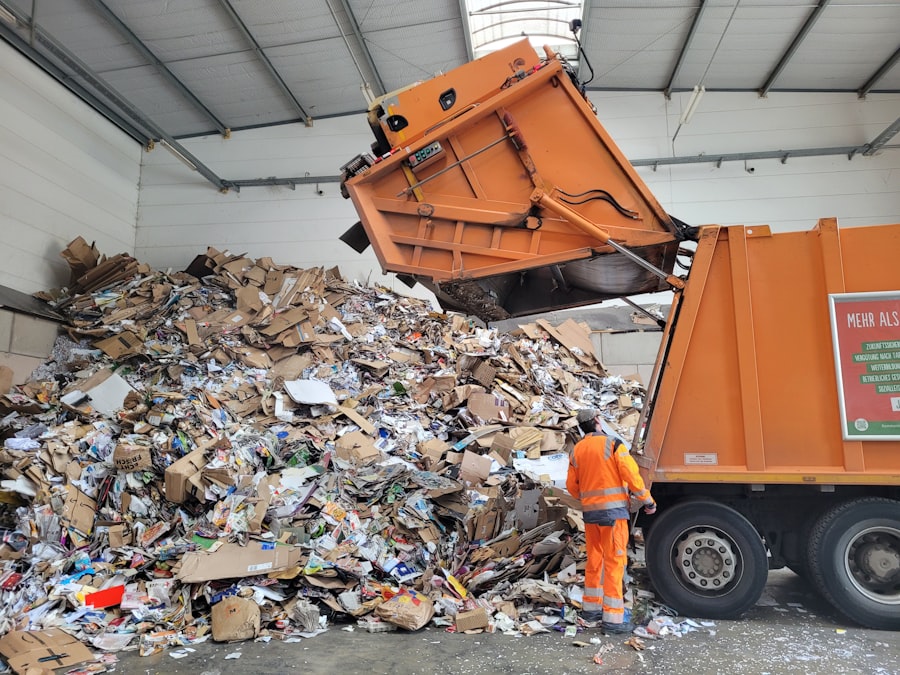
Ultimately, the most effective way to manage debt is to reduce the overall capital required. This is achieved through relentless operational efficiency. Imagine a well-oiled machine; every part works in harmony, minimizing waste and maximizing output.
Streamlining Collection and Transportation
Optimized route planning, the adoption of smart sensors for waste level monitoring, and the efficient sizing of collection fleets can significantly reduce fuel consumption and operational costs. These savings translate directly into less need for borrowing.
Advancing Material Recovery and Recycling
Investing in and effectively operating advanced MRFs can increase the volume and quality of recoverable materials. This not only generates revenue from the sale of recyclables but also reduces the volume of waste requiring disposal, thereby lowering landfill costs and extending landfill life. Your ability to extract value from waste is a direct counterweight to debt.
Energy Recovery and Resource Valorization
Turning waste into energy through incineration or anaerobic digestion not only reduces landfill volume but can also generate revenue through electricity or biogas sales. This revenue stream can be earmarked for debt repayment or reinvestment, creating a virtuous cycle.
Predictive Maintenance and Asset Management
Implementing robust predictive maintenance programs for your equipment and infrastructure can prevent costly breakdowns and extend the lifespan of assets. This reduces the need for premature, debt-financed replacements.
Data Analytics for Operational Insights
Leveraging data analytics to understand waste streams, operational bottlenecks, and cost drivers is paramount. This data-driven approach allows you to identify areas for improvement and make informed decisions about resource allocation, thereby reducing inefficiencies that might otherwise necessitate borrowing.
In exploring the complexities of waste management corporate debt structures, it is essential to consider how financial strategies can impact sustainability initiatives. A related article discusses innovative financing solutions that companies in this sector are adopting to enhance their operational efficiency while managing their debt levels effectively. For further insights, you can read more about these strategies in the article found here. Understanding these financial frameworks can provide valuable context for stakeholders looking to navigate the challenges of waste management in a rapidly evolving market.
Measuring Success: Key Performance Indicators for Optimized Debt
| Metric | Description | Value | Unit |
|---|---|---|---|
| Total Debt | Overall corporate debt held by waste management companies | 12.5 | Billion |
| Debt to Equity Ratio | Ratio of total debt to shareholders’ equity | 1.8 | Ratio |
| Long-term Debt | Debt obligations due beyond one year | 9.2 | Billion |
| Short-term Debt | Debt obligations due within one year | 3.3 | Billion |
| Interest Coverage Ratio | Ability to pay interest on outstanding debt | 4.5 | Ratio |
| Debt Maturity Profile | Average time until debt repayment | 5.7 | Years |
| Weighted Average Interest Rate | Average interest rate on corporate debt | 3.8 | Percent |
You cannot optimize what you do not measure. Establishing clear, measurable KPIs is essential to track your progress in optimizing waste management’s debt for sustainability. These metrics will serve as your compass, indicating whether you are steering the ship in the right direction.
Debt-to-Equity Ratio Analysis
This fundamental financial ratio indicates the proportion of a company’s financing that comes from debt versus equity. A declining or optimally managed debt-to-equity ratio suggests a healthier financial structure, freeing up resources.
Interest Coverage Ratio
This metric assesses your ability to meet your interest obligations. A higher interest coverage ratio indicates that your earnings can comfortably cover your interest expenses, signaling financial stability and reduced risk of default.
Operational Cost per Ton of Waste Managed
Tracking this metric over time will reveal the impact of your efficiency improvements. A decreasing cost per ton signifies more efficient operations, reducing the overall financial burden.
Return on Investment (ROI) for Capital Projects
When you do undertake capital projects financed by debt, you must rigorously assess their ROI. Projects with higher ROIs are more likely to generate sufficient revenue to service the associated debt and contribute to overall financial health.
Environmental Performance Metrics Linked to Debt
As discussed, you must track KPIs such as waste diversion rates, greenhouse gas emission reductions, and the volume of materials sent to landfill or incinerated. The correlation between improvements in these metrics and favorable debt terms or reduced debt burden is a key indicator of success.
Debt Service Coverage Ratio (DSCR)
This ratio measures the cash flow available to pay current debt obligations, including principal and interest. A DSCR consistently above 1 indicates sufficient cash flow to service your debt, a critical indicator of financial health.
By meticulously tracking these indicators, you can gain a clear understanding of your progress. This data-driven approach transforms abstract financial concepts into concrete evidence of your commitment to optimizing waste management’s debt for a truly sustainable future. You are not just managing finances; you are building a resilient engine for environmental stewardship, powered by judicious financial planning.
FAQs
What is corporate debt structure in waste management companies?
Corporate debt structure refers to the composition and organization of a waste management company’s borrowed funds. It includes various types of debt such as bonds, loans, and credit lines that the company uses to finance its operations, expansions, and capital expenditures.
Why is understanding debt structure important for waste management firms?
Understanding debt structure is crucial because it affects a company’s financial stability, cost of capital, and ability to invest in new technologies or infrastructure. Proper management of debt ensures that the company can meet its obligations while maintaining operational efficiency.
What types of debt are commonly used by waste management corporations?
Waste management corporations typically use long-term bonds, bank loans, revolving credit facilities, and sometimes convertible debt. The choice depends on factors like interest rates, repayment terms, and the company’s creditworthiness.
How does corporate debt impact the sustainability initiatives of waste management companies?
Corporate debt can provide the necessary capital for waste management companies to invest in sustainable technologies and infrastructure. However, high debt levels may limit financial flexibility, potentially affecting the scale and speed of sustainability projects.
What are the risks associated with high corporate debt in the waste management sector?
High corporate debt can lead to increased financial risk, including higher interest expenses, reduced credit ratings, and potential difficulties in refinancing. This can impact a company’s ability to operate effectively and invest in growth or environmental compliance.