
You are a captain of industry, steering your waste management fleet through the complex currents of profitability. Your objective: to transform raw effort – every truck roll, every bin emptied – into tangible financial gain. This article will equip you with the strategic tools to maximize your Waste Management EBITDA/Route Hour, turning operational efficiency into a tidal wave of profit.
The EBITDA/Route Hour metric serves as a vital compass, indicating the financial health of your route operations. It’s not just about moving waste; it’s about moving it with maximum profit attached to every hour your assets are deployed.
Deconstructing EBITDA
Earnings Before Interest, Taxes, Depreciation, and Amortization (EBITDA) is a financial performance indicator that represents a company’s profitability. In waste management, your EBITDA generated from route operations is the fuel that powers your business. It’s the money left on the table after you’ve accounted for your direct operational expenses, but before you’ve paid your creditors, the taxman, or the accountants for their depreciation schedules. Think of it as the pure, unadulterated cash flow generated by the core act of collecting and transporting waste.
The Significance of “Route Hour”
“Route Hour” is your unit of deployed resource. It represents the time your vehicles and personnel are actively engaged in servicing your customers. This includes driving to a customer, servicing the bin, driving to the next customer, and returning to the facility. The efficiency with which you utilize these hours directly dictates your revenue generation potential for each unit of operational time. A higher EBITDA/Route Hour means you are extracting more profit from every moment your trucks are on the road.
Why This Metric Matters for Your Bottom Line
Maximizing EBITDA/Route Hour is not an abstract financial exercise; it’s a direct lever for increasing your overall profitability. By focusing on this metric, you are essentially optimizing the engine of your business. A poorly optimized engine will burn fuel inefficiently, sputtering along and leaving you stranded. A finely tuned engine, by contrast, purrs with power, delivering peak performance and driving you towards your financial goals with unyielding momentum. This metric allows you to:
- Identify unprofitable routes: It highlights where your operational costs are eating into your potential earnings.
- Benchmark performance: You can compare the efficiency of different routes, drivers, and even service types.
- Drive strategic decision-making: Insights from this metric inform pricing strategies, fleet investments, and staffing levels.
- Attract investors: A strong EBITDA/Route Hour is a compelling indicator of a well-managed and profitable operation.
Effective waste management is crucial for both environmental sustainability and operational efficiency, particularly when analyzing financial metrics such as EBITDA per route hour. A related article that delves into the intricacies of waste management and its financial implications can be found at How Wealth Grows. This resource provides valuable insights into optimizing waste collection processes and enhancing profitability through strategic management practices.
Optimizing Route Planning and Execution
The bedrock of maximizing EBITDA/Route Hour lies in the meticulous planning and flawless execution of your collection routes. This is where raw potential is forged into profitable reality.
Advanced Route Optimization Software
Your route planning should not be a matter of gut instinct or outdated paper maps. You need to leverage advanced route optimization software. These digital architects can analyze countless variables – traffic patterns, road restrictions, customer density, bin sizes, service frequencies, and vehicle capacities – to create the most efficient sequences of stops. Think of this software as your master cartographer, charting the most direct and cost-effective paths through the urban jungle.
Dynamic Rescheduling Capabilities
The best software doesn’t just create an initial plan; it dynamically reschedules your routes in real-time. Unexpected road closures, vehicle breakdowns, or customer requests can throw a wrench into the best-laid plans. Dynamic rescheduling ensures that your drivers are constantly being fed the most optimal route, minimizing wasted travel time and maximizing service delivery. This agility is crucial in a constantly changing environment.
Integration with GPS and Telematics
To truly harness the power of your route optimization software, it must be integrated with GPS and telematics devices installed in your fleet. This real-time data stream feeds information about vehicle location, speed, and even driver behavior directly into the planning system. This feedback loop creates a virtuous cycle of continuous improvement, allowing the software to learn and adapt to the realities of your operational landscape.
Minimizing Deadhead Miles
Deadhead miles, the distance traveled without a revenue-generating load or service, are the silent profit killers. Every mile your truck travels empty is a mile that isn’t contributing to your revenue. You must systematically identify and eliminate these unnecessary journeys.
Strategic Depot and Transfer Station Placement
The location of your depots and transfer stations plays a pivotal role in reducing deadhead. Strategically placing these facilities closer to your primary service areas or key disposal/recycling sites can significantly cut down on travel time and fuel consumption when trucks are empty. This is akin to positioning your supply chain hubs to minimize the distance raw materials must travel.
Optimizing Collection and Disposal Cycles
Coordinate your collection schedules with the operational hours and capacity of your disposal and recycling facilities. A truck arriving at a facility only to find it backed up or closed directly contributes to wasted route hours and increased costs. Smooth, predictable transitions are paramount.
Real-Time Performance Monitoring
Once routes are planned and execution begins, continuous monitoring is essential. You need to be able to see how your drivers are performing against the plan and identify deviations as they occur.
Key Performance Indicators (KPIs) for Route Execution
Beyond just total route time, track KPIs such as:
- Average stops per hour: How many customers are you efficiently servicing within a given hour?
- Average distance per stop: Are your routes designed to minimize travel between individual service points?
- On-time performance: Are you meeting your scheduled service windows, demonstrating reliability?
- Fuel consumption per route hour: Directly links operational efficiency to your largest variable cost.
Driver Performance and Feedback Loops
Your drivers are the frontline operatives. Provide them with the tools and information they need to succeed. Real-time alerts for route changes, assistance requests, and performance feedback are vital. A driver who understands their impact on route efficiency is more likely to adapt and optimize their own behavior. This creates a culture of shared responsibility for profitability.
Enhancing Operational Efficiency and Resource Utilization
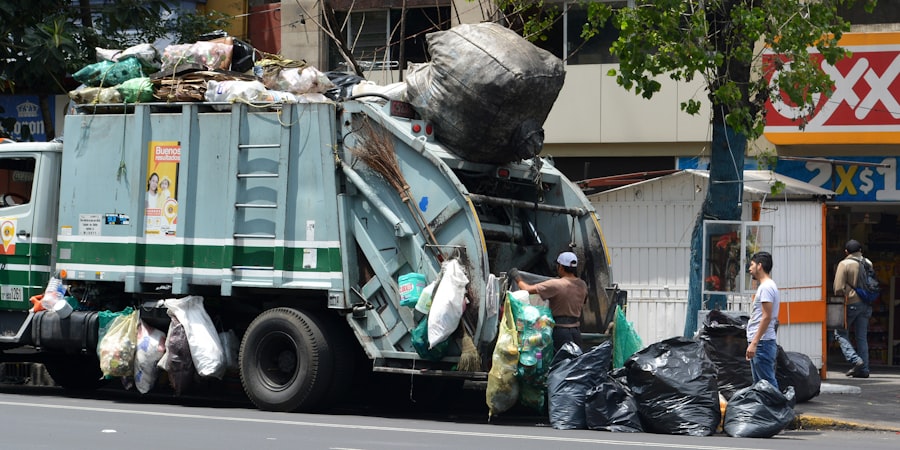
Beyond route planning, the efficiency of your day-to-day operations and the careful utilization of your resources are critical dials you can turn to boost EBITDA/Route Hour.
Vehicle Maintenance and Fleet Management
A well-maintained fleet is an efficient fleet. Breakdowns are costly, not only in repair expenses but also in lost revenue and the disruption of scheduled routes.
Preventative Maintenance Programs
Implement robust preventative maintenance schedules. Regular oil changes, tire rotations, brake inspections, and fluid checks can prevent minor issues from escalating into major breakdowns. Your vehicles are your workhorses; treating them with care ensures they can continue to perform at their peak.
Telematics for Predictive Maintenance
Leverage telematics data not just for route optimization but also for predictive maintenance. Sensors can alert you to potential issues with engines, transmissions, or other critical components before they fail, allowing you to schedule repairs proactively during off-peak times.
Right-Sizing Your Fleet
Ensure you have the right type and number of vehicles for the jobs you are performing. Overly large trucks on routes with low volume generate wasted fuel and are less maneuverable. Under-sized vehicles may require multiple trips, increasing route time and labor costs. Conduct regular fleet audits to ensure alignment with your operational needs.
Optimizing Collection and Servicing Processes
The actual act of collecting waste from the curb is where time is spent and efficiency gains can be realized.
Automated Collection Technologies
Invest in automated lifting arms and single-operator vehicle systems where feasible. These technologies can significantly reduce the time a driver spends outside the vehicle, improving safety and increasing the number of stops that can be made per hour.
Bin Management and Smart Technology
Consider investing in smart bins equipped with sensors that can monitor fill levels. This allows for optimized collection schedules, preventing unnecessary trips to half-empty bins and ensuring you aren’t leaving waste for extended periods, which can lead to customer dissatisfaction. This data-driven approach transforms your service from reactive to proactive.
Standardized Operating Procedures (SOPs)
Develop and enforce clear, standardized operating procedures for all collection tasks. This ensures consistency, reduces errors, and minimizes the time spent on each stop. Training your team thoroughly on these SOPs is an investment that pays dividends in efficiency.
Labor Management and Productivity
Your workforce is your most valuable asset, and their productivity directly impacts your EBITDA/Route Hour.
Driver Training and Performance Incentives
Invest in comprehensive driver training programs that focus on efficient driving techniques, safe practices, and customer service. Consider performance-based incentive structures tied to metrics like on-time performance, fuel efficiency, and customer satisfaction. This fosters a culture of accountability and encourages drivers to strive for excellence.
Workforce Scheduling Optimization
Ensure your workforce scheduling aligns with route demands. Overstaffing on slow days or understaffing during peak periods leads to inefficiencies. Utilize workforce management software to create optimal schedules that balance service needs with labor costs.
Cross-Training and Skill Development
Cross-train your drivers and operational staff in various roles. This provides flexibility in your workforce, allowing you to adapt to unexpected absences or surges in demand without compromising route efficiency. A versatile team is a resilient and more profitable team.
Strategic Pricing and Customer Segmentation
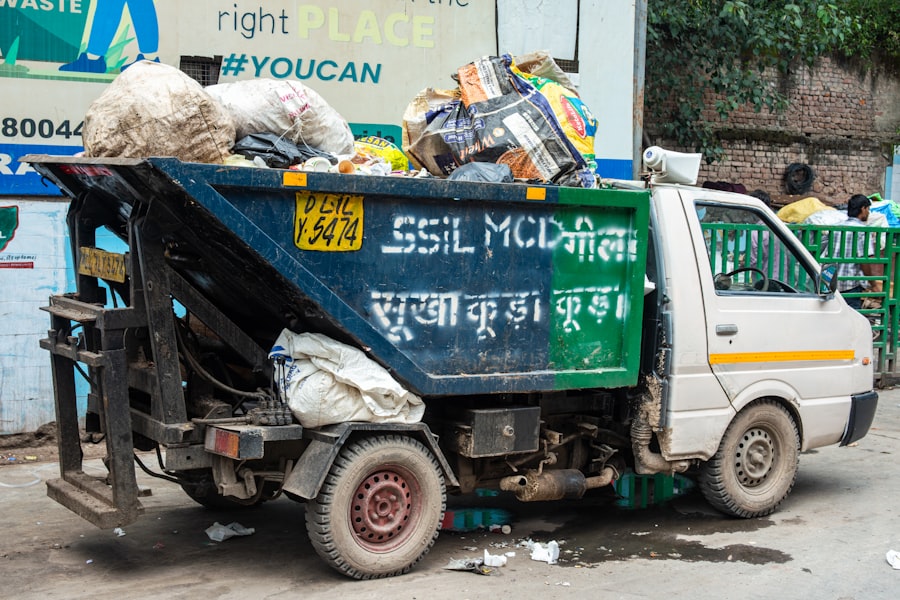
Profitability is not just about operational efficiency; it’s also about how you price your services and whom you choose to serve.
Variable Pricing Models
Move beyond flat-rate pricing for waste collection. Implement variable pricing models that reflect the actual cost of service.
Volume-Based Pricing
Charge customers based on the volume of waste they generate. This incentivizes waste reduction and ensures that those who produce more waste contribute more to its management. This is a fundamental principle of cost allocation.
Frequency-Based Pricing
Adjust pricing based on the frequency of collection. More frequent pickups, often indicative of higher waste volumes or specific service needs, should command a higher price. Conversely, less frequent collections might justify a slightly lower rate.
Contamination Penalties
Implement clear penalties for contamination in recycling streams. Contaminated loads can lead to increased processing costs or even rejection at recycling facilities, directly impacting your bottom line. Educating customers on proper sorting is a proactive measure, but penalties ensure financial accountability.
Customer Segmentation for Profitability
Not all customers are created equal from a profitability standpoint. Segment your customer base to identify your most valuable relationships.
High-Value Customer Identification
Identify customers who generate consistent, high volumes of waste, have good payment histories, and are located within efficient service areas. Focus on retaining and growing these relationships.
Low-Margin Customer Analysis
Analyze customers who consistently generate low volumes, require frequent, inefficient pickups, or have a history of late payments. For these customers, consider optimizing your service offerings, adjusting pricing, or, in extreme cases, phasing them out if they are a persistent drag on your EBITDA/Route Hour.
Geographic Clustering of Customers
Prioritize acquiring and retaining customers in geographic clusters that align with your existing efficient routes. This minimizes travel time and associated costs, directly boosting your EBITDA/Route Hour for those routes.
Contract Negotiation and Renegotiation Strategies
When negotiating or renegotiating contracts, always have your EBITDA/Route Hour target in mind.
Cost-Plus Pricing with Profit Margin
Ensure your contract pricing reflects your actual costs plus a healthy profit margin, informed by your EBITDA/Route Hour analysis. Don’t be afraid to walk away from contracts that do not meet your profitability thresholds.
Incorporating Escalation Clauses
Include clauses that allow for price adjustments based on fluctuating fuel costs, labor rates, and other market-driven variables. This protects your profit margins from unexpected economic shifts.
Value-Added Services
Explore opportunities to offer value-added services, such as waste audits, comprehensive recycling programs, or data reporting on waste generation. These can be revenue streams that enhance your overall profitability and strengthen customer loyalty.
Effective waste management is crucial for both environmental sustainability and operational efficiency, and understanding metrics like EBITDA per route hour can provide valuable insights into a company’s performance. For those interested in exploring this topic further, a related article discusses various strategies to optimize waste collection routes and improve profitability. You can read more about it in this insightful piece on waste management practices. For additional information, check out the article here.
Technology and Innovation as Profit Multipliers
| Route ID | Route Length (miles) | Hours per Route | Waste Collected (tons) | Revenue | Operating Costs | EBITDA | EBITDA per Route Hour |
|---|---|---|---|---|---|---|---|
| R001 | 15 | 4 | 8 | 1200 | 700 | 500 | 125 |
| R002 | 20 | 5 | 10 | 1500 | 900 | 600 | 120 |
| R003 | 12 | 3.5 | 7 | 1100 | 650 | 450 | 128.57 |
| R004 | 18 | 4.5 | 9 | 1400 | 850 | 550 | 122.22 |
| R005 | 22 | 6 | 11 | 1600 | 1000 | 600 | 100 |
Embrace technology not as an expense, but as a powerful engine for increasing your EBITDA/Route Hour.
Data Analytics and Business Intelligence
The vast amounts of data generated by your operations are a goldmine of insights.
Predictive Analytics for Demand Forecasting
Utilize predictive analytics to forecast waste generation volumes based on historical data, seasonal trends, and economic indicators. This allows for more efficient resource allocation and scheduling, reducing wasted capacity.
Operational Bottleneck Identification
Employ data analytics to pinpoint operational bottlenecks that are hindering your efficiency. Are certain trucks consistently running late? Are specific disposal sites causing delays? Data will reveal these hidden problems.
Performance Dashboards
Develop comprehensive performance dashboards that provide real-time visibility into key metrics, including EBITDA/Route Hour. This allows you to monitor progress, identify trends, and make data-driven decisions quickly.
Automation and AI in Waste Management
Artificial intelligence and automation are rapidly transforming the waste management landscape.
AI-Powered Route Optimization
As mentioned earlier, AI can perform complex calculations far beyond human capacity to create the most efficient routes, adapting to ever-changing conditions.
Robotic Sorting and Processing
At your facilities, consider the implementation of robotic sorting and processing technologies. These can increase efficiency, improve safety, and reduce labor costs, indirectly impacting your overall profitability by lowering processing expenses.
Autonomous Vehicles (Future Potential)
While still in developmental stages for widespread waste collection, keep an eye on autonomous vehicle technology. Its eventual adoption could drastically reduce labor costs and increase operational uptime.
Digitalization of Customer Interactions
Streamline your customer interactions through digital platforms.
Online Portals for Service Requests and Billing
An online portal allows customers to easily request services, track their waste pick-up schedules, and access billing information. This reduces administrative overhead and frees up your customer service team for more complex issues.
Mobile Applications for Drivers and Customers
Mobile apps can provide drivers with real-time route updates and job details, while also offering customers the ability to communicate issues or receive notifications about their service.
By strategically focusing on and actively managing your Waste Management EBITDA/Route Hour, you are not just managing waste; you are orchestrating a symphony of operational excellence and financial acumen. This metric is your lode star, guiding you towards sustained profitability and a more robust, resilient business. Implement these strategies diligently, and you will find your operational hours transforming into a steady, powerful stream of profit, propelling your enterprise forward.
FAQs
What does EBITDA per route hour mean in waste management?
EBITDA per route hour is a financial metric that measures the earnings before interest, taxes, depreciation, and amortization generated for each hour spent on a waste collection route. It helps assess the profitability and efficiency of waste management operations.
Why is EBITDA per route hour important in waste management?
This metric is important because it provides insight into how effectively a waste management company utilizes its resources during collection routes. Higher EBITDA per route hour indicates better operational efficiency and profitability.
How is EBITDA per route hour calculated in waste management?
EBITDA per route hour is calculated by dividing the total EBITDA generated from waste collection activities by the total number of route hours worked. Route hours include the time spent driving, collecting, and processing waste on a route.
What factors can affect EBITDA per route hour in waste management?
Several factors can influence this metric, including route density, fuel costs, labor efficiency, equipment reliability, waste volume, and the mix of waste types collected. Optimizing these factors can improve EBITDA per route hour.
How can waste management companies improve their EBITDA per route hour?
Companies can improve EBITDA per route hour by optimizing route planning, investing in efficient vehicles and equipment, training staff for productivity, reducing downtime, and implementing technology for better tracking and management of routes.