
You are a resident of a community grappling with the prospect of a new landfill. This isn’t just about waste disposal; it’s a deeply personal issue that touches the very air you breathe, the water you drink, and the future of your neighborhood. Environmental justice, in this context, becomes a crucial lens through which to examine the complex decisions surrounding landfill siting. It’s about ensuring that the burdens of industrial development, like waste management facilities, are not disproportionately placed on communities already vulnerable due to socioeconomic status, race, or historical marginalization. The siting of a landfill is a delicate balancing act, requiring a meticulous consideration of economic benefits against significant community impacts.
Environmental justice is not a radical concept; it is a call for fairness and equity in how environmental burdens and benefits are distributed. Historically, marginalized communities have often found themselves as the unintended recipients of polluting industries and undesirable infrastructure, a phenomenon that environmental justice seeks to rectify. When considering a landfill, you are looking at more than just pits in the ground; you are looking at potential sources of air and water pollution, traffic congestion, property value depreciation, and aesthetic blight. The question is not if a community will bear some burden, but how that burden is shared equitably and whether the benefits, if any, are truly enjoyed by those who also bear the costs.
The Historical Context of Landfill Placement
To understand the present, you must acknowledge the past. For decades, landfills were often situated with little regard for their proximity to residential areas, particularly those populated by minority and low-income populations. This historical legacy has created a patchwork of communities that already bear a disproportionate share of environmental hazards. Examining past siting decisions reveals patterns of neglect and discrimination, where the voices of certain communities were less likely to be heard or heeded. You are inheritor to this history, and it shapes the current debate around fairness.
Defining Environmental Justice: Beyond Mere Compliance
Environmental justice in the context of landfill siting goes beyond simple regulatory compliance. It demands proactive engagement, genuine community participation, and a commitment to mitigating harms before they materialize. It means asking not just “Is this legal?” but “Is this just?” It involves looking at the cumulative impact of multiple environmental stressors on a community, not just the isolated effect of a single landfill. This holistic approach recognizes that environmental degradation can be a slow poison, gradually eroding the health and well-being of a population.
Identifying Vulnerable Communities
Identifying which communities are most vulnerable to the impacts of landfill siting is a critical first step. This often involves demographic analysis, looking at factors such as income levels, racial and ethnic composition, age distribution, and existing health disparities. You might examine data on asthma rates, cancer clusters, or the prevalence of other environmental health issues within a proposed siting area. These are not abstract statistics; they represent real people, real families, and real health concerns that must be taken seriously.
Environmental justice is a critical issue in the context of landfill siting, as marginalized communities often bear the brunt of the negative impacts associated with waste disposal. A related article that delves into the complexities of this topic can be found at How Wealth Grows, which discusses the intersection of economic disparities and environmental policies, highlighting the need for equitable solutions in the placement of landfills to protect vulnerable populations.
The Multifaceted Impacts of Landfill Siting on Communities
A landfill is far from a passive presence. It actively interacts with its surroundings, releasing a cascade of potential consequences that can ripple through a community. You need to be aware of these potential impacts to advocate effectively for your neighborhood. These impacts are not theoretical; they are tangible and can directly affect your quality of life and that of future generations.
Air Quality Degradation
One of the most immediate and pervasive concerns associated with landfills is the degradation of air quality. Landfills emit a cocktail of gases, including methane, carbon dioxide, and volatile organic compounds (VOCs). These emissions can travel downwind, impacting air quality in surrounding neighborhoods. Methane, a potent greenhouse gas, contributes to climate change, while VOCs can cause respiratory problems, headaches, and other health issues. You might notice an increased odor, or in more severe cases, experience a persistent, unpleasant smell that permeates your home and outdoor spaces. This is the landfill breathing, and you are breathing its exhalations.
Odor as a Public Nuisance
The odor emanating from a landfill is often the most palpable and immediate impact experienced by nearby residents. This persistent presence of unpleasant smells can significantly degrade the quality of life, preventing people from enjoying their yards, opening windows, or even congregating outdoors. While often dismissed as a mere nuisance, chronic exposure to strong odors can lead to increased stress, anxiety, and sleep disturbances, impacting overall well-being.
Release of Hazardous Air Pollutants
Beyond general odors, landfills can release specific hazardous air pollutants (HAPs) that pose serious health risks. These can include compounds like benzene, toluene, and xylene, which are known carcinogens or can cause a range of other health problems, including neurological damage and reproductive issues. The invisible nature of these pollutants makes them particularly insidious, as you may be exposed without realizing the danger.
Water Contamination Risks
The potential for water contamination is another significant concern. Landfills are designed with liners to prevent leachate, the liquid that results from rainwater or decomposition seeping through waste, from escaping. However, these liners can fail over time, leading to the seepage of toxic substances into the groundwater and surrounding surface water bodies. Communities that rely on well water or are downstream from a landfill face a direct threat to their drinking water supply.
Groundwater Depletion and Pollution
Landfills can draw significant amounts of water for dust suppression and odor control, potentially straining local water resources. More critically, the risk of leachate contamination infiltrating the groundwater aquifer is a long-term threat. Once groundwater is contaminated, remediation is incredibly difficult and expensive, and the water may be unusable for decades, if not permanently.
Surface Water Runoff and Eutrophication
Rainwater running off the landfill site can carry pollutants into nearby rivers, lakes, and streams. This can lead to eutrophication, a process where excess nutrients cause algal blooms that deplete oxygen levels, harming aquatic life and impacting ecosystems downstream.
Noise Pollution and Traffic Congestion
The daily operation of a landfill involves a constant flow of heavy-duty trucks bringing waste. This generates significant noise pollution, disturbing the peace and quiet of residential areas, especially during operating hours. The increased traffic also leads to congestion on local roads, increasing travel times, wear and tear on infrastructure, and raising safety concerns for pedestrians and cyclists. The constant rumble of trucks can become the unwanted soundtrack to your daily life.
Impact on Residential Peace and Quiet
The steady stream of large vehicles, the clamor of machinery operating, and the general activity associated with waste management can shatter the tranquility of a residential neighborhood. For those who work from home, have young children or elderly relatives, or simply value a peaceful environment, this noise pollution can be a significant burden.
Increased Wear and Tear on Local Infrastructure
The constant use of local roads by heavy trucks accelerates their deterioration, leading to an increased need for repairs and maintenance. This can strain municipal budgets and result in bumpy, potholed roads that further impact the quality of life for residents and increase vehicle maintenance costs.
Property Value Depreciation
The presence of a landfill, with its associated odors, traffic, and potential environmental risks, can have a detrimental effect on property values. Potential buyers are often deterred by these factors, leading to stagnant or declining property values in the surrounding areas. This can impact your personal wealth and the economic health of the entire community.
Public Health Concerns
The cumulative effect of air and water pollution, noise, and potential exposure to hazardous substances can lead to a range of public health concerns. These can include increased rates of respiratory illnesses, cardiovascular problems, developmental issues in children, and even certain types of cancer. The community’s health becomes a casualty of this industrial siting.
Respiratory and Cardiovascular Diseases
Exposure to airborne pollutants from landfills can exacerbate existing respiratory conditions like asthma and bronchitis, and contribute to the development of new ones. Additionally, fine particulate matter and certain gases have been linked to increased risks of heart attacks and strokes.
Potential Carcinogenic Exposures
Certain compounds released by landfills are classified as known or probable human carcinogens. Long-term exposure to these substances, particularly through contaminated air or water, increases the risk of developing various forms of cancer.
Impact on Child Development
Children are particularly vulnerable to the effects of environmental toxins. Exposure to pollutants from landfills during critical developmental stages can lead to impaired cognitive function, behavioral problems, and increased risks of chronic diseases later in life.
Community Engagement and Participation in Siting Decisions
Your voice matters. Effective environmental justice demands that communities are not merely informed but are active participants in the decisions that affect them. Leaving these decisions solely to developers or government agencies without genuine community input is a recipe for inequity. This is your home, and you have a right to be heard.
The Right to Information and Transparency
You have a fundamental right to access clear, comprehensive, and timely information about any proposed landfill development. This includes details about the proposed site, the types of waste to be processed, the projected environmental impacts, and the proposed mitigation measures. Transparency is the bedrock of trust.
Accessing Environmental Impact Statements
Environmental Impact Statements (EIS) are crucial documents that detail the potential environmental consequences of a proposed project. You have the right to access these documents, understand their contents, and have opportunities to provide feedback during the review period.
Public Hearings and Consultations
Meaningful public hearings and consultations are essential forums for the exchange of information and concerns. These should be accessible, held at convenient times and locations, and genuinely incorporate community feedback into the final decision-making process.
Empowering Local Voices: Advocacy and Organization
Organizing within your community is a powerful tool for influencing landfill siting decisions. United voices are more likely to be heard and respected than individual complaints. This is where collective action transforms passive residents into active agents of change.
Forming Community Action Groups
Forming neighborhood or community action groups allows for the pooling of resources, knowledge, and advocacy efforts. These groups can conduct research, mobilize residents, and present a unified front to decision-makers.
Engaging with Local Government and Regulatory Agencies
Directly engaging with your local elected officials, planning boards, and environmental regulatory agencies is crucial. Attending meetings, writing letters, and participating in public comment periods are all vital ways to make your concerns known.
Seeking Expert Assistance
Understanding complex environmental regulations and the technical aspects of landfill operations can be challenging. Seeking assistance from environmental consultants, legal experts, or public interest organizations can empower your community with the knowledge and resources needed to effectively advocate for your interests.
Balancing Economic Development with Environmental Stewardship
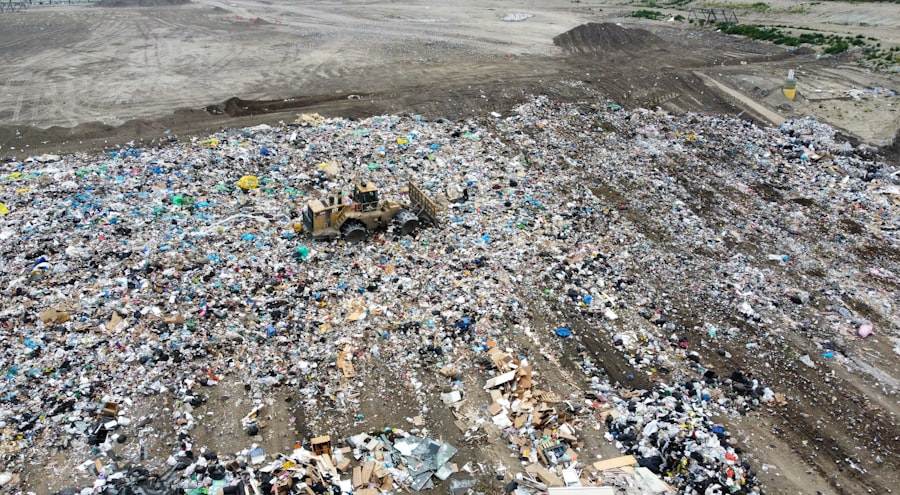
The argument for landfill development often hinges on economic benefits: job creation, tax revenue, and waste management services. However, these economic arguments cannot be the sole determinant of a siting decision. You must ensure that these purported benefits are weighed against the long-term costs to community health, environment, and quality of life.
Evaluating the True Economic Costs and Benefits
It is crucial to critically evaluate the claimed economic benefits of a landfill. Are the jobs temporary or permanent? Are the tax revenues substantial enough to offset potential decreases in property values and increased public health expenditures? The economic landscape is often painted with broad strokes; your task is to examine the fine print and the subtle shifts in financial well-being.
Job Creation vs. Long-Term Economic Health
While landfills can create jobs, you must consider the quality and longevity of these positions, as well as their impact on the overall economic health of the region. A “boom and bust” cycle driven by a landfill is not sustainable economic development.
Tax Revenue vs. Public Health Expenditures
The argument that landfills generate significant tax revenue needs to be balanced against the potential increase in public health expenditures required to address the environmental and health impacts on the community.
Exploring Alternatives to Traditional Landfills
Are there other, less impactful solutions to waste management? Examining alternatives is a vital part of achieving environmental justice, ensuring that the easiest solution for waste disposal isn’t the most detrimental for a particular community.
Waste Reduction and Recycling Initiatives
Investing in robust waste reduction and recycling programs can significantly decrease the volume of waste requiring disposal, thereby reducing the need for new landfills. This shifts the focus from management to prevention.
Composting and Anaerobic Digestion
Composting organic waste and utilizing anaerobic digestion technologies can transform waste into valuable resources like compost and biogas, diverting significant amounts of material from landfills and creating a circular economy.
The Concept of “Not in My Backyard” (NIMBY) vs. Equitable Distribution
The “Not in My Backyard” (NIMBY) phenomenon is often invoked when communities resist landfill development. However, environmental justice recognizes that this reluctance is often a symptom of inequitable distribution of environmental burdens. The question is not whether a facility is needed, but where it is sited and with what level of community consensus and benefit sharing.
Environmental justice is a critical issue that often intersects with the challenges of landfill siting, as marginalized communities frequently bear the brunt of environmental hazards. A related article explores the complexities of this topic, highlighting the need for equitable decision-making processes in waste management. For more insights on how socioeconomic factors influence landfill placement and the implications for affected communities, you can read the article here. This discussion is essential for understanding the broader implications of environmental policies and their impact on vulnerable populations.
Mitigation and Monitoring: Ensuring Ongoing Protection
| Metric | Description | Example Data | Source |
|---|---|---|---|
| Percentage of Minority Population Near Landfills | Proportion of minority residents living within 3 miles of landfill sites | 65% | EPA Environmental Justice Report |
| Average Distance to Nearest Landfill | Mean distance (in miles) residents live from the closest landfill | 2.1 miles | US Census & EPA Data |
| Incidence of Respiratory Illness | Rate of respiratory diseases per 1,000 residents near landfills | 45 cases/1,000 | Local Health Department |
| Landfill Siting Approval Rate in Low-Income Areas | Percentage of landfill proposals approved in low-income communities | 78% | State Environmental Agency |
| Community Engagement Score | Rating (1-10) of community involvement in landfill siting decisions | 4.5 | Environmental Justice NGO Survey |
| Proximity to Schools | Number of schools located within 1 mile of landfills | 12 | Department of Education & EPA |
Once a decision has been made, the work of ensuring community protection is far from over. Robust mitigation strategies and continuous monitoring are essential to minimize the identified impacts and hold developers accountable. This is the ongoing guardianship of your community’s well-being.
Implementing Comprehensive Mitigation Measures
Effective mitigation involves a range of strategies designed to minimize the negative impacts of a landfill. This can include advanced odor control systems, state-of-the-art leachate collection and treatment, and soundproofing measures to reduce noise pollution. These are not optional extras; they are necessary safeguards.
Advanced Odor Control Technologies
Investing in and mandating the use of technologies like biofilters, activated carbon filters, and daily soil or alternative daily cover application can significantly reduce fugitive odors and improve air quality for surrounding communities.
Robust Leachate Management and Treatment Systems
Ensuring that landfills are equipped with redundant, high-integrity liner systems and advanced leachate collection and treatment facilities is critical to preventing groundwater contamination. Regular inspection and maintenance are paramount.
Establishing Independent Monitoring Programs
Independent monitoring is crucial for verifying compliance with environmental regulations and identifying any unexpected impacts. This ensures that the promises made during the siting process are being kept.
Air Quality Monitoring Networks
Establishing comprehensive air quality monitoring networks around the landfill, with data made publicly accessible, allows for real-time assessment of pollutant levels and provides early warning of potential issues.
Groundwater and Surface Water Testing
Regular and thorough testing of groundwater and surface water in and around the landfill site is essential to detect any signs of contamination and to assess the effectiveness of mitigation measures.
Community Oversight and Grievance Mechanisms
Empowering the community with mechanisms for oversight and swift grievance resolution is vital for maintaining accountability and addressing concerns as they arise. This fosters a sense of partnership rather than antagonism.
Citizen Advisory Boards
Establishing citizen advisory boards, with genuine decision-making influence, provides a direct channel for community input and oversight of landfill operations.
Accessible Complaint Resolution Processes
Clear, accessible, and timely complaint resolution processes are essential for addressing community concerns and ensuring that issues are investigated and resolved promptly.
The Future of Landfill Siting: Towards Sustainable and Just Practices
The current model of landfill siting is often a relic of a less environmentally conscious era. Moving forward, you must advocate for a paradigm shift that prioritizes sustainability, technological innovation, and, most importantly, environmental justice. The future of waste management should not be a burden on vulnerable communities, but a shared responsibility that benefits all.
Embracing the Circular Economy and Zero Waste Goals
The ultimate goal should be a transition towards a circular economy, where waste is minimized and resources are reused and recycled to the greatest extent possible, moving towards a “zero waste” future. This requires a fundamental re-evaluation of how society produces and consumes goods.
Shifting from Linear to Circular Waste Management
This paradigm shift involves designing products for durability and recyclability, fostering repair and reuse initiatives, and developing advanced recycling and material recovery technologies.
Driving Innovation in Waste-to-Energy Technologies
While not a panacea, advanced waste-to-energy technologies, when implemented responsibly and with robust environmental controls, can play a role in reducing landfill volume while generating energy.
Prioritizing Social Equity in Infrastructure Development
Ensuring that all communities have access to a healthy environment and that the burdens of essential infrastructure like waste management are equitably distributed is not just good policy; it is a moral imperative. This is about building a future where every neighborhood is a healthy neighborhood.
Equitable Investment in Waste Management Solutions
Investment in waste management infrastructure should not be concentrated in low-income or minority communities, but distributed equitably across all socio-economic demographics.
Empowering Communities for Sustainable Development
Ultimately, the goal is to empower communities to participate in shaping their own sustainable development, ensuring that decisions about infrastructure like landfills reflect their needs and aspirations, not just economic expediency. Your journey in advocating for your community’s environmental justice in landfill siting is a testament to the power of informed action and the pursuit of a fair and healthy future for all.
FAQs
What is environmental justice in the context of landfill siting?
Environmental justice refers to the fair treatment and meaningful involvement of all people regardless of race, color, national origin, or income concerning environmental laws, regulations, and policies. In landfill siting, it ensures that no community, especially marginalized or low-income groups, disproportionately bears the negative environmental and health impacts of landfills.
Why is landfill siting a concern for environmental justice?
Landfill siting is a concern because landfills are often located near disadvantaged communities, leading to unequal exposure to pollution, health risks, and reduced quality of life. This raises issues of environmental injustice, as these communities may have less political power to oppose such developments.
What factors are considered in the landfill siting process to address environmental justice?
Factors include assessing the demographic and socioeconomic characteristics of nearby communities, potential health impacts, environmental risks, community input, and ensuring compliance with laws that prevent discrimination. The goal is to avoid placing landfills in areas that would disproportionately affect vulnerable populations.
How can communities participate in decisions about landfill siting?
Communities can participate through public hearings, community meetings, environmental impact assessments, and by engaging with local government and environmental agencies. Effective participation ensures their concerns are heard and considered in the decision-making process.
What policies exist to promote environmental justice in landfill siting?
Policies include the Environmental Protection Agency’s (EPA) Environmental Justice initiatives, Title VI of the Civil Rights Act, and state-level regulations that require environmental reviews and community engagement. These policies aim to prevent discriminatory practices and promote equitable distribution of environmental benefits and burdens.