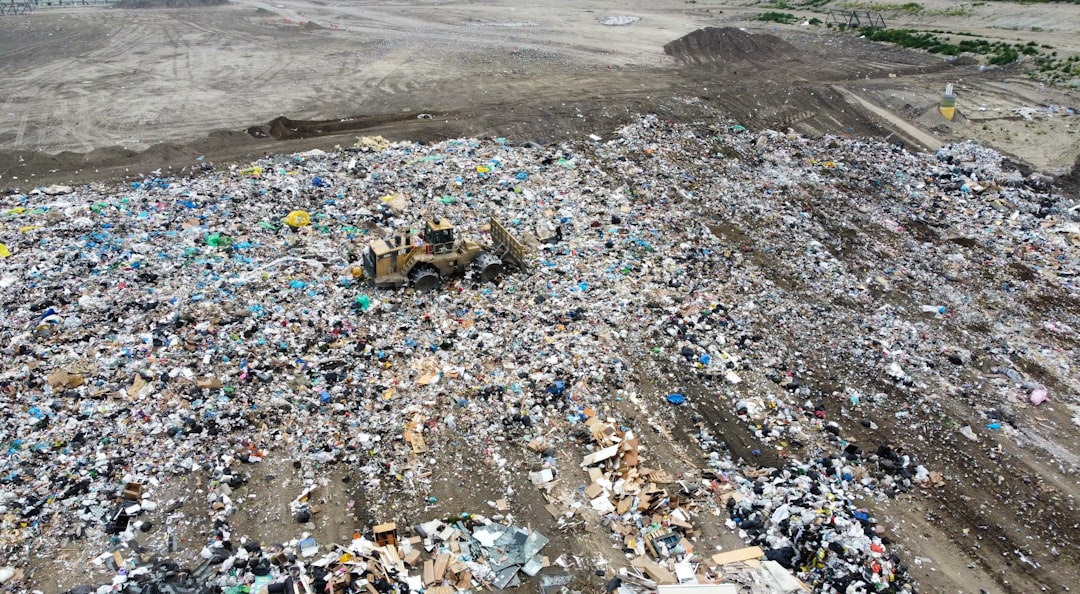
You produce it, you discard it, and you probably don’t think about it much beyond its immediate departure from your home. However, the substance you call trash, or more formally, refuse or municipal solid waste, is a fundamental byproduct of your modern existence. And the demand for its removal and management is, surprisingly to some, inelastic.
Your lifestyle, characterized by readily available goods and services, inherently generates waste. From the packaging that encases your groceries to the worn-out electronics you replace, each purchase, each meal, each activity leaves a material trace. This trace, accumulated and discarded, forms the bedrock of the waste stream your society must manage. The concept of demand, in economics, refers to the quantity of a good or service that consumers are willing and able to purchase at various prices. When it comes to garbage, the demand for its removal and management is not driven by desire or luxury, but by the unavoidable realities of sustenance, operation, and daily living.
The Inevitability of Byproducts
Consider the simple act of eating. Every food item you consume, whether grown, processed, or packaged, will eventually produce waste. This includes food scraps, wrappers, containers, and perhaps even spoiled items. This is not a choice you make; it is a built-in consequence of nourishing yourself.
Food Waste as a Constant
Your kitchens, from individual households to large-scale restaurants, are constant generators of food waste. This is not just a matter of leftovers; it encompasses vegetable peels, fruit cores, bones, and often, uneaten portions. The sheer volume of food you consume directly correlates to the volume of food waste you produce.
Packaging: The Silent Accumulator
The modern economy thrives on packaged goods. From single-use plastic films to cardboard boxes and styrofoam, packaging is integral to product protection, transport, and consumer appeal. As you continue to engage with this system, the demand for the disposal of these materials remains a constant.
The Lifecycle of Goods and Its Waste Implications
Every manufactured item, from a lightbulb to a car, has a finite lifespan. Once its utility is exhausted, it becomes waste. Your society’s consumption patterns directly dictate the rate at which these items enter the waste stream.
Planned Obsolescence and E-Waste
Many products are designed with a limited lifespan in mind, a concept known as planned obsolescence. While this can drive innovation and sales, it also accelerates the generation of waste, particularly in the electronics sector, leading to a growing e-waste problem.
The Cycle of Clothing and Textiles
Your wardrobe, however minimal or extensive, is part of the waste stream. Clothing wears out, goes out of fashion, or is discarded for various reasons, contributing to the significant volume of textile waste.
In exploring the concept of inelastic demand, one can draw parallels to the utility of garbage services, which tend to remain constant regardless of price fluctuations. This is because households and businesses require waste disposal services irrespective of economic conditions. For a deeper understanding of how inelastic demand operates in various markets, including the garbage industry, you can refer to this insightful article: Understanding Inelastic Demand and Its Implications.
Why Garbage Demand is Inelastic: A Matter of Necessity
The term “inelastic demand” in economics describes a situation where the quantity demanded of a good or service changes very little, even when its price fluctuates. For goods deemed necessities, like food or shelter, consumers will continue to buy them regardless of price increases because they cannot forgo them. The demand for garbage services, while not directly purchasing a consumable good, operates on a similar principle of inescapable need.
The Absence of Substitutes
When faced with a price increase for a good with elastic demand, consumers can often find alternatives. If the price of beef rises significantly, you might switch to chicken or beans. However, when it comes to the disposal of waste, there are few, if any, viable substitutes. You cannot simply stop producing garbage; it is an inherent consequence of living.
The Moral and Legal Imperative of Disposal
Beyond the practical, there are also significant moral and legal ramifications to simply accumulating waste. Unmanaged garbage poses health hazards, attracts pests, and pollutes the environment. Your local municipalities mandate waste collection and disposal, making it a required service, not an optional one.
The “Not-In-My-Backyard” (NIMBY) Phenomenon
While you demand the removal of your own garbage, you are often reluctant to have disposal facilities located near your residence. This paradox highlights the essential nature of the service – you need it done, but prefer it out of sight, out of mind. This underlying tension underscores the inelastic nature of the demand for waste management services.
Price Sensitivity and Essential Services
While it is true that individuals and municipalities are generally price-sensitive, the demand for essential services like waste management exhibits a stubborn resistance to drastic reduction in the face of price hikes. You might cut back on discretionary spending if the cost of waste collection rises, but you cannot eliminate it.
Budgetary Constraints and Municipal Responsibility
Municipal governments are tasked with providing essential services, and waste management is undeniably one of them. Despite budget pressures, funds are allocated to ensure this service continues, as the consequences of its absence are far too severe.
The Economics of Convenience
The convenience factor associated with professional waste removal is immense. The alternative, managing your own waste, is time-consuming, labor-intensive, and often unpleasant. This convenience, though not a direct component of price, contributes to the inelastic nature of demand, as few are willing to sacrifice it, even for cost savings.
The Infrastructure of Disposal: A Demanding Undertaking

The management of your discarded materials is not a simple matter of collection. It involves a complex and often costly infrastructure, from collection vehicles to transfer stations, recycling facilities, landfills, and incinerators. This infrastructure, a vital artery in the functioning of modern society, directly supports the inelastic demand.
Collection Systems: The First Line of Defense
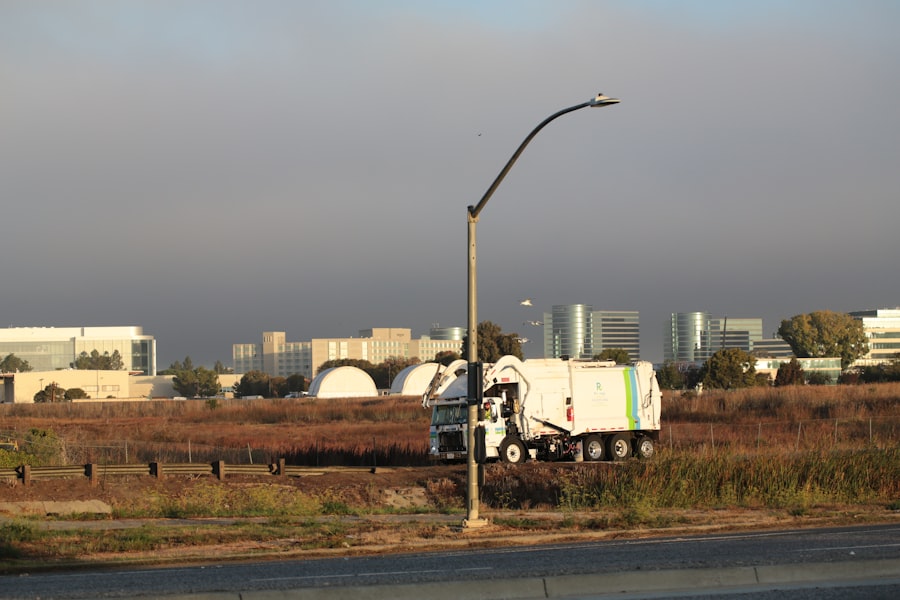
The most visible aspect of waste management is the collection itself. Garbage trucks, making their daily rounds, are as much a part of the urban landscape as streetlights. This constant, pervasive service speaks to the consistent demand for its provision.
Frequency of Collection and Public Expectation
Your expectations for waste collection are generally quite high. Weekly, or even more frequent, pickups are standard in most developed areas. Reducing this frequency would be met with significant public outcry, demonstrating the inelastic nature of the demand for timely disposal.
The Cost of Labor and Fuel
The operation of collection fleets involves substantial costs, including the wages of collection workers and the ever-fluctuating price of fuel. Despite these costs, municipalities continue to fund these operations, as the demand for the service remains constant.
Processing and Treatment: The Transformation of Waste
Once collected, your discarded items embark on a journey through various processing and treatment facilities. Recycling plants, composting sites, and waste-to-energy facilities all play a role in managing the vast quantities of waste you generate.
The Value (or Lack Thereof) of Recyclables
While recycling is an important component of waste management, the economic viability of recycling operations can fluctuate significantly based on market demand for recycled materials. However, even when the prices of recyclables are low, the infrastructure for collection and sorting often remains in place due to the underlying demand for diverting waste from landfills.
The Role of Incineration and Landfills
Incineration and landfilling remain critical components of waste management, particularly for materials that cannot be easily recycled or composted. The ongoing need for these disposal methods underpins the inelastic demand for their services.
The Economic Implications of Inelastic Demand
The inelastic demand for garbage management has profound economic implications, shaping policy, investment, and the very costs of living. Understanding this dynamic is crucial for comprehending the challenges and responsibilities associated with modern consumption.
Government Funding and Municipal Budgets
As mentioned, municipal governments are the primary custodians of public waste management. The inelastic demand means that these services are consistently budgeted for, even in times of economic austerity. This commitment highlights the essential nature of the service.
Taxation and Service Fees
The funding for waste management often comes from a combination of property taxes and direct service fees. These charges are levied on households and businesses, and while individuals may grumble about the cost, they generally pay because the service is indispensable.
Long-Term Investments and Infrastructure Development
The inelastic demand justifies significant long-term investments in waste management infrastructure. Building and maintaining landfills, recycling facilities, and transfer stations are costly endeavors that require a stable, predictable demand for their services.
The Business of Waste: A Steadfast Sector
The private sector also plays a significant role in waste management, particularly in commercial and industrial waste. The inelastic nature of waste generation ensures a relatively stable market for private waste hauling and processing companies.
Profitability and Stability
Companies operating in the waste management sector often enjoy relatively stable profitability due to the continuous and inelastic demand for their services. While efficiency and innovation are important, the fundamental need for disposal provides a strong economic foundation.
Economic Cycles and Waste Generation
While economic downturns might see a slight dip in certain types of waste generation (e.g., luxury goods), the demand for the disposal of essential items and the byproducts of basic human activity remains remarkably consistent. This resilience makes the waste management sector a valuable, albeit often overlooked, part of the economy.
In the context of economic principles, garbage can be viewed as an inelastic demand utility, as people will always require waste disposal services regardless of price fluctuations. This concept is further explored in a related article that discusses how essential services maintain their demand even in challenging economic times. For a deeper understanding of this phenomenon, you can read more about it in this insightful piece on wealth management and economic trends at How Wealth Grows.
The Future of Waste: Towards Sustainability with Persistent Demand
| Metric | Description | Example Value | Unit |
|---|---|---|---|
| Price Elasticity of Demand | Measure of how quantity demanded changes with price | -0.1 | Elasticity coefficient |
| Average Monthly Consumption | Average amount of garbage generated per household | 30 | kg |
| Minimum Service Requirement | Minimum garbage collection frequency to avoid health hazards | 2 | collections per week |
| Substitution Possibility | Availability of alternatives to garbage disposal services | Low | Qualitative |
| Income Elasticity of Demand | Change in demand relative to income changes | 0.05 | Elasticity coefficient |
| Waste Management Cost | Average cost to manage garbage per household | 15 | Currency units per month |
While the demand for garbage management remains inelastic, the methods of management are evolving. The focus is shifting towards reducing waste generation at the source and maximizing resource recovery, rather than solely relying on disposal. However, this transition does not negate the underlying demand for managing the waste that is inevitably produced.
The Circular Economy and Waste Reduction
The concept of a circular economy aims to keep resources in use for as long as possible, extracting the maximum value from them before recovering and regenerating products and materials at the end of each service life. While this is a laudable goal, it is important to recognize that achieving a truly circular economy is a long-term endeavor.
Designing for Durability and Reuse
Emphasis on designing products for durability, repairability, and ultimately, reuse, can significantly reduce the volume of waste. However, for the foreseeable future, the demand for managing the waste that still arises from production and consumption will persist.
The Challenge of Behavioral Change
Shifting consumer behavior towards more sustainable practices, such as reducing consumption and actively participating in recycling and composting programs, is critical. Yet, even with widespread behavioral change, the fundamental inelasticity of waste generation, driven by basic human needs and societal functions, will remain a constant.
Technological Advancements and Evolving Needs
Technological advancements in waste sorting, treatment, and energy recovery are continuously improving. These innovations aim to make waste management more efficient and environmentally sound, but they do not eliminate the need for the fundamental service.
Advanced Recycling Technologies
New technologies are emerging that can process a wider range of materials, turning them into valuable resources. These advancements enhance the management of waste, but the demand for that management remains.
Waste-to-Energy Innovations
Waste-to-energy plants are becoming more sophisticated, converting residual waste into electricity and heat. This approach addresses the disposal challenge while also generating energy. Again, the demand for the initial waste stream is the prerequisite for these technologies.
In conclusion, you produce waste. It is an unavoidable consequence of your participation in modern society. And the demand for its removal and management, driven by necessity, legal mandates, and the sheer lack of viable alternatives, is fundamentally inelastic. As you navigate the complexities of consumption and environmental responsibility, understanding this inelastic demand is not just an economic exercise; it is a critical step towards building a more sustainable and functional future. The demand for garbage management is a quiet, insistent hum beneath the surface of your daily lives, a testament to the enduring realities of human activity.
FAQs
What does it mean for garbage to be an inelastic demand utility?
Inelastic demand means that the quantity demanded does not significantly change when the price changes. For garbage services, this implies that people will continue to require waste collection and disposal regardless of price fluctuations, as it is a necessary utility.
Why is garbage collection considered a utility?
Garbage collection is considered a utility because it provides an essential public service that maintains sanitation and public health. Like water or electricity, it is a basic need for households and businesses.
How does inelastic demand affect pricing for garbage services?
Since demand for garbage services is inelastic, providers can increase prices without a large drop in usage. However, because it is a necessary service, prices are often regulated to ensure affordability and accessibility.
Are there alternatives to traditional garbage collection that affect demand elasticity?
Alternatives such as recycling, composting, and waste reduction can influence the overall demand for garbage collection. However, these alternatives typically complement rather than replace the need for regular waste disposal, keeping demand relatively inelastic.
What factors contribute to the inelastic nature of garbage demand?
Factors include the essential nature of waste disposal for health and hygiene, lack of substitutes for garbage removal, and legal requirements for proper waste management. These make consumers less sensitive to price changes in garbage services.