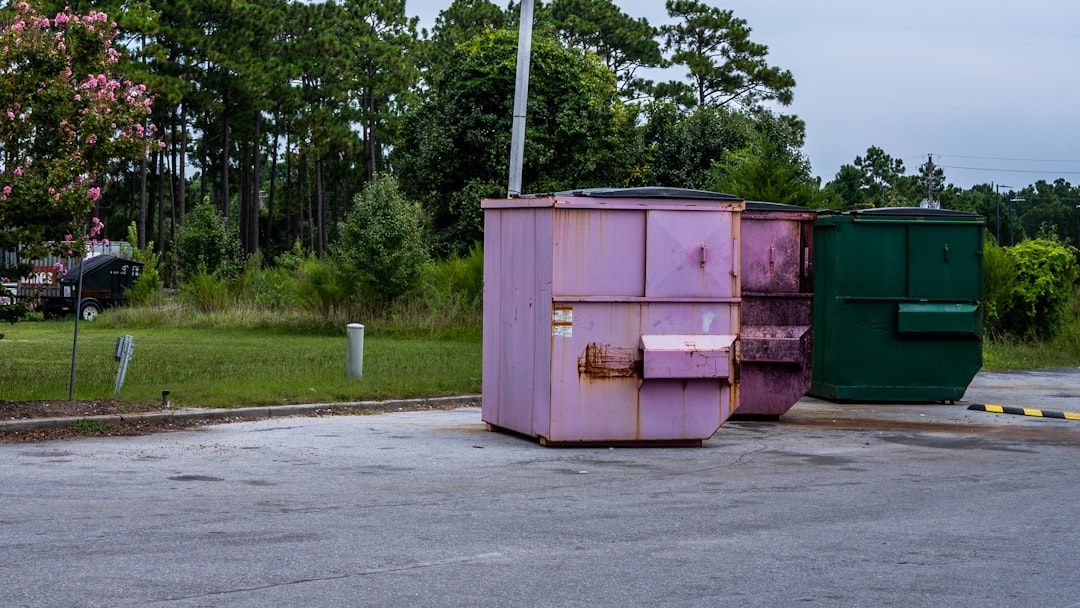
You might see them as just another part of the urban symphony – the rumble and groan, the hydraulic hiss, the pungent aroma that briefly announces their arrival. But for you, the conscientious resident, the garbage truck is more than just a mobile sanitation unit; it’s a silent sentinel, a vigilant eye in the often-unseen battle against waste mismanagement. And as that monstrous compactor lumbers down your street, its camera systems are not just documenting the refuse; they are actively, and increasingly, enforcing a system designed to keep your neighborhood clean and your wallet intact. This is the era of garbage truck camera surveillance, a sophisticated tool wielded by municipalities to ensure compliance and penalize transgression, transforming a mundane chore into a realm of potential fiscal consequence.
You’ve perhaps noticed the odd blinking light or the lens peering out from the side of a garbage truck. These are not ornamental additions. They represent a burgeoning layer of technological oversight on your daily waste disposal habits. The cameras are typically mounted strategically on the exterior of the trucks, often near the hopper, the lifting arms, or on the body itself, providing a wide-angle view of operations.
Capturing the Act of Disposal
The primary function of these cameras is to document the entire process of waste collection. From the moment the truck’s arms engage your bins to the point where the refuse is deposited into the compactor, every movement is potentially recorded. This footage serves as an irrefutable log of service completion, a digital footprint of the sanitation department’s interaction with your property. Think of it as a very public, very literal receipt for your garbage.
Bin Placement and Accessibility
One of the key aspects captured is the proper placement of your garbage bins. Were they curbside? Were they easily accessible to the collection arms? Or were they artfully tucked away behind obstructions, forcing the collection crew to go to extraordinary lengths, or worse, miss your waste entirely? The cameras provide objective evidence, removing the ambiguity that can sometimes arise in disputes.
Contamination Detection
Perhaps even more crucial is the camera’s ability to detect contamination. This is where the enforcement aspect truly kicks in. The cameras are often equipped with sophisticated image recognition capabilities, or they are monitored by personnel who can identify non-compliant materials within the bins. This includes items that should be in recycling, hazardous waste, or simply incorrect types of refuse. The visual record becomes the foundation for identifying violations.
Recording Parameters
The data captured is not indiscriminate. It is typically governed by specific parameters related to the collection event.
Timestamping and Geolocation
Each recording is meticulously timestamped and often geotagged. This ensures that the footage is tied to a specific time and location, eliminating any doubt about when and where a particular collection – or violation – occurred. This precision is vital for the integrity of any enforced fines.
High-Resolution Imaging
To be effective, the cameras capture high-resolution images and, in many cases, video. This allows for clear identification of bin contents, labels on containers, and any other details necessary to determine compliance or non-compliance. The clarity of the footage is the bedrock upon which any penalty is levied.
In recent discussions surrounding urban safety and environmental responsibility, the implementation of garbage truck camera surveillance has become a hot topic, particularly regarding the fines imposed on violators. This innovative approach aims to deter illegal dumping and ensure compliance with waste management regulations. For further insights into this issue, you can read a related article that explores the implications and effectiveness of such surveillance systems in maintaining cleaner cities. Check it out here: related article.
The Enforcement Nexus: From Observation to Fines
The data gathered by these cameras is not merely for archival purposes. It forms a critical link in the chain of enforcement, directly impacting your financial obligations and your neighborhood’s environmental health. This technology transforms passive observation into active deterrence and, when necessary, punitive action.
Identifying Violations: The Bin’s Silent Accusation
When a garbage truck camera identifies a violation, it’s akin to a silent courtroom accusation. The visual evidence is presented, and based on pre-defined municipal ordinances, a transgression is flagged. These violations can range from minor infractions to more serious offenses, each carrying its own set of consequences.
Recyclable Contamination
One of the most common violations detected is the commingling of recyclables with general waste. When your blue bin, designated for a specific stream of materials, is found to contain non-recyclable items, the cameras can provide the proof. This is a critical aspect of waste management, as contamination can render entire batches of recyclables unusable, undermining the entire recycling effort.
Improper Waste Segregation
Beyond recycling, municipalities often have strict rules about segregating different types of waste. This might include separating organic waste for composting, or keeping hazardous materials out of the general trash stream. The cameras act as an impartial judge, observing whether you have adhered to these segregation mandates.
Overflowing Bins and Loose Debris
The visual record also captures situations where bins are overflowing, leading to loose debris escaping during collection. This not only creates an unsightly mess but can also pose public health and safety hazards. The cameras document the extent of the overflow, providing evidence that the resident did not adequately manage their waste volume.
The Escalation Mechanism: From Warning to Penalty
Enforcement is rarely a “one-strike-and-you’re-out” system. For most municipalities, the enforcement of garbage truck camera surveillance follows an escalation pathway, beginning with educational outreach and progressing to financial penalties.
First-Time Offenses: The Gentle Nudge
Often, a first-time violation will result in a warning notice. This serves as an educational opportunity, informing you of the infraction and providing guidance on how to rectify the situation for future collections. Think of it as a polite tap on the shoulder, a reminder of your responsibilities.
Repeat Violations: The Monetary Repercussions
As the saying goes, repetition is the mother of learning. For repeat offenders, the documentary evidence captured by the cameras becomes the basis for issuing fines. These fines are designed to incentivize compliance and to offset the costs associated with dealing with incorrectly disposed waste, which can include additional sorting, landfill fees, or the reprocessing of contaminated recyclables. The amount of the fine can vary significantly depending on the severity and frequency of the violation, as well as local municipal regulations.
Accumulative Penalties and Service Disruption
In extreme cases, persistent non-compliance can lead to more severe consequences. Some municipalities may impose accumulative penalties, where each subsequent violation incurs a higher fine. In the most severe instances, collections may even be temporarily suspended until compliance is achieved, effectively turning your trash can into a symbol of your ongoing breach of regulations.
The Logic Behind the Lens: Why Municipalities Invest in Surveillance

The implementation of garbage truck camera surveillance might seem like an overreach to some, a Big Brother approach to waste disposal. However, from the perspective of a municipality, there is a clear and often compelling logic driving this investment. It’s about efficiency, environmental stewardship, and the responsible allocation of public resources.
Enhancing Operational Efficiency
The cameras are not just about enforcement; they are also powerful tools for streamlining operations. By providing a clear record of collections, they can help resolve disputes about missed pickups, verify service completion, and identify areas where operational improvements might be needed.
Dispute Resolution
When a resident claims their trash wasn’t collected, the camera footage can serve as impartial evidence. This reduces the time and resources spent investigating such claims, allowing sanitation departments to focus on their core task of waste removal.
Route Optimization
The data collected can also provide valuable insights into collection routes. If cameras consistently highlight difficulties in accessing certain bins or areas, it can prompt a review of route planning for greater efficiency.
Promoting Environmental Responsibility
The core of waste management lies in its environmental impact. Garbage truck cameras play a vital role in encouraging and enforcing practices that minimize this impact.
Boosting Recycling Rates
By identifying and penalizing contamination in recycling streams, these cameras directly contribute to improving the quality of collected recyclables. This, in turn, can lead to higher recycling rates and a more sustainable circular economy. It’s like quality control for your recycling efforts.
Reducing Landfill Burden
Proper waste segregation and reduced contamination mean less material ending up in landfills. This extends the lifespan of existing landfills and reduces the need for new ones, which are often costly to build and maintain and can have significant environmental consequences.
Fiscal Responsibility and Resource Allocation
Fines collected through camera surveillance can, in some cases, offset the costs associated with implementing and maintaining the surveillance systems themselves, as well as the expenses incurred by dealing with non-compliant waste. This can free up taxpayer money for other essential public services.
Cost of Contamination
Contaminated recycling streams are expensive to process. Sometimes, entire loads have to be sent to landfill because of a few misplaced items. The fines serve as a deterrent, reducing these costly reprocessing efforts.
Cost of Improper Disposal
Hazardous materials or bulky items found in regular trash can pose risks and incur higher disposal costs for the municipality. Camera surveillance helps ensure these items are handled through appropriate channels.
The Resident’s Perspective: Navigating the New Landscape of Waste
For you, the resident, the advent of garbage truck camera surveillance necessitates a shift in how you approach waste disposal. It’s no longer just about getting your bins to the curb; it’s about understanding and adhering to the rules of engagement.
Understanding Your Local Ordinances
The first and most crucial step is to be informed. Ignorance of the law is rarely a successful defense. You need to familiarize yourself with your municipality’s specific waste management ordinances, recycling guidelines, and any rules pertaining to bin placement and contents. This information is typically available on your local government’s website or through public outreach materials.
Practicing Diligent Waste Sorting
The technology is only as good as the data it receives. Your diligent efforts in sorting your waste are paramount. Take the time to understand what goes where. If you’re unsure about an item, it’s often better to err on the side of caution and research its proper disposal.
The Recycling Bin: A Sanctuary of Separation
Treat your recycling bin as a sacred vessel. It is intended for a specific set of materials. A single rogue plastic bag or a greasy pizza box can spoil the entire batch. Imagine it as a delicate ecosystem; one invasive species can disrupt the balance.
Hazardous Waste: Beyond the Bin
Recognize that certain items, like batteries, electronics, paints, and chemicals, should never go into your regular trash or recycling bins. Municipalities usually have designated drop-off points or special collection events for these materials.
Strategic Bin Placement
The cameras are observing where you place your bins. Ensure they are positioned at the curb, with adequate clearance for the truck’s mechanical arms. Avoid blocking them with parked cars, overhanging branches, or other obstacles.
Clear Access Routes
The collection crew needs a clear path to your bins. This not only facilitates efficient collection but also prevents damage to your bins or property.
Visibility on Collection Day
On collection days, ensure your bins are visible and readily accessible from the street.
In recent discussions about urban safety and efficiency, the implementation of garbage truck camera surveillance has gained attention, particularly regarding the fines imposed on those who violate waste disposal regulations. This innovative approach not only helps in monitoring illegal dumping but also serves as a deterrent for potential offenders. For more insights on how technology is reshaping various industries, including waste management, you can read a related article on the topic at How Wealth Grows.
The Future of Waste: Evolving Technologies and Best Practices
| City | Number of Cameras Installed | Fines Issued (2023) | Average Fine Amount | Common Violations Detected | Purpose of Surveillance |
|---|---|---|---|---|---|
| New York | 150 | 1,200 | 150 | Illegal dumping, traffic violations | Reduce illegal dumping and improve road safety |
| Los Angeles | 100 | 900 | 175 | Unauthorized stops, littering | Enforce proper waste disposal and traffic rules |
| Chicago | 80 | 650 | 140 | Improper waste disposal, speeding | Monitor compliance with waste management policies |
| Houston | 60 | 400 | 130 | Illegal dumping, traffic signal violations | Enhance public safety and reduce illegal dumping |
| San Francisco | 90 | 750 | 160 | Littering, unauthorized route deviations | Ensure compliance with city waste regulations |
The landscape of waste management is in constant flux, and technology is at its forefront. Garbage truck camera surveillance is not a static solution but a developing one, with ongoing advancements promising even greater efficiency and broader applications.
Advancements in Camera Technology and AI
As camera technology and artificial intelligence (AI) continue to evolve, so too will their capabilities in waste management.
Object Recognition and Classification
Future systems may be able to more accurately identify and classify specific types of waste in real-time, further automating the detection of violations and potentially even sorting materials during collection.
Predictive Analytics
AI could potentially analyze patterns in waste generation and collection data to predict high-violation areas or times, allowing for targeted educational outreach or more efficient resource allocation.
Data Integration and Smart City Initiatives
Garbage truck camera data is increasingly being integrated into broader smart city initiatives, creating a more interconnected and responsive urban environment.
Connected Infrastructure
By sharing data with other city systems, such as traffic management or public works, waste collection insights can contribute to a more holistic approach to urban planning and resource management.
Citizen Engagement Platforms
The data gathered can also be used to develop more sophisticated citizen engagement platforms, providing residents with personalized feedback on their waste disposal habits and alerts about upcoming collection changes or environmental initiatives.
The Shifting Responsibility: From Enforcement to Education
While enforcement remains a critical component, the ultimate goal of waste management technologies like camera surveillance is to foster a culture of responsible waste disposal. As these systems become more prevalent, the emphasis may gradually shift from punitive measures towards proactive education and community engagement. The ultimate aim is to empower residents to be active participants in creating a cleaner, more sustainable future, with the cameras serving as facilitators of this collective endeavor.
FAQs
What is garbage truck camera surveillance?
Garbage truck camera surveillance refers to the use of cameras installed on garbage trucks to monitor and record activities such as waste collection, illegal dumping, and driver behavior. These cameras help ensure compliance with regulations and improve operational safety.
Why are fines issued in relation to garbage truck camera surveillance?
Fines may be issued when footage from garbage truck cameras reveals violations such as illegal dumping, improper disposal of waste, or unsafe driving practices. These fines serve as penalties to enforce proper waste management and public safety standards.
Who is responsible for paying fines related to garbage truck camera surveillance?
Typically, the party responsible for the violation captured on camera—such as the driver, waste management company, or individual illegally dumping waste—is liable for paying the fines. The exact responsibility depends on local laws and the nature of the offense.
How do garbage truck cameras help reduce illegal dumping?
Garbage truck cameras act as a deterrent by recording evidence of illegal dumping activities. The presence of cameras increases the likelihood of offenders being identified and fined, thereby discouraging improper disposal of waste.
Are there privacy concerns associated with garbage truck camera surveillance?
Yes, privacy concerns can arise if cameras capture images or videos of individuals or private property without consent. To address this, regulations often require that surveillance footage be used solely for enforcement purposes and handled in compliance with privacy laws.