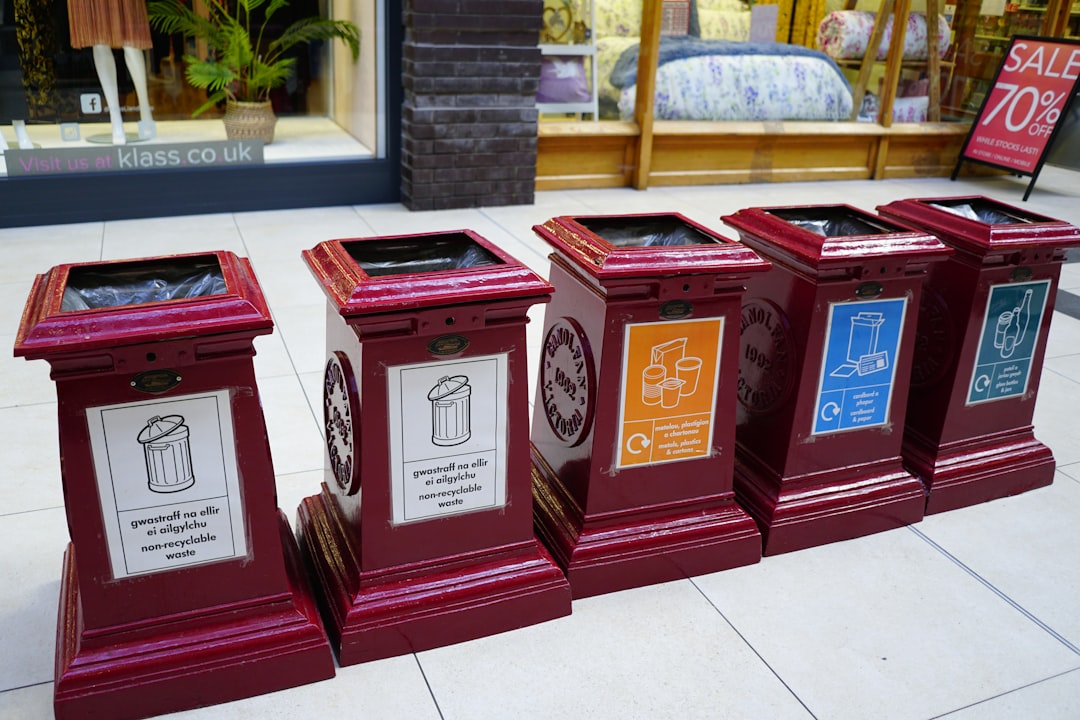
You are likely familiar with the ubiquitous recycling bins in your community, a familiar sight that represents a commitment to environmental responsibility. For years, these bins have been a conduit, channeling a stream of discarded materials – paper, plastic, metal – to processing facilities. Among these, high-grade plastics, once considered golden tickets for recyclers, have played a significant role. However, a seismic shift occurred in 2018, a change that sent ripples, and then waves, through the global recycling industry. This was the year China implemented its National Sword policy, effectively slamming the door on the import of a vast array of solid waste, including many types of recyclable materials. The impact of this policy was not a gentle breeze; it was a hurricane, and its effects are still being felt today. This article will explore the cascading consequences of China National Sword, focusing on the surge in recycling fees that have become a direct, and often painful, reflection of this policy’s far-reaching influence on your local waste management.
The decision by China to enact the National Sword policy was not a sudden whim, but rather a culmination of years of growing dissatisfaction with the quality of imported recyclables. For decades, China had been the world’s primary destination for discarded plastics, paper, and metals from developed nations. This practice, while seemingly a solution for waste management in exporting countries, had begun to exact a heavy toll on China’s environment and public health.
Decades of Unchecked Imports: A Growing Burden
You may not have realized it, but the convenience of sending your recyclables overseas often meant that the burden of their processing, and the associated pollution, was being outsourced. For a long time, China was content to be the global recycling bin, absorbing mountains of waste that other nations struggled to manage. This created a complex global supply chain where the seemingly pristine bales of recycled materials arriving at Chinese ports were often a Trojan horse, concealing significant contamination.
The Chemical Cocktail of Contamination
The plastics you dutifully place in your recycling bin are not always pure. Along with the intended plastic, a motley crew of contaminants would often hitch a ride. Food residues, non-recyclable packaging mixed in, other types of plastics with different melting points, and even hazardous materials could be present. These contaminants posed significant challenges and added considerable cost to the sorting and processing of recyclables in China. Imagine trying to filter fine sand from a stream of pebbles; the more minuscule the sand, the harder and more expensive the process becomes. This was the reality for Chinese recyclers.
Environmental Degradation: A Silent Scourge
The sheer volume of imported waste, coupled with inadequate processing infrastructure in many recipient facilities, led to widespread environmental damage. Landfills overflowed, rivers and oceans became choked with plastic debris, and air pollution from inefficient incineration or burning of waste became a serious concern. This environmental degradation was a slow-moving disaster, a silent scourge that China could no longer ignore or absorb.
The Policy’s Unveiling: A Stark Reality Check
In July 2017, China announced its intention to ban imports of certain types of recyclables. This announcement was not a gentle nudge; it was a thunderclap that shook the foundations of the global waste management industry. The policy was officially implemented on March 1, 2018, under the banner of “National Sword.” This policy was far-reaching, targeting 24 categories of solid waste, including many types of plastics and mixed paper.
The “Contamination Threshold”: A New Standard
A key component of the National Sword policy was the imposition of a stringent contamination threshold. China declared that imported recyclables would be allowed only if they contained less than 0.5% of contamination. This was a stark departure from previous standards, which were far more lenient, often allowing for contamination levels as high as 10-15%. This dramatically raised the bar, effectively making many of the materials exported from Western countries ineligible for import.
The Global Fallout: A Disrupting Force
The immediate aftermath of the National Sword policy was a considerable disruption. Countries that had relied heavily on China as a destination for their recyclables were suddenly left with nowhere to offload their waste. This created a domino effect, impacting local governments, waste management companies, and ultimately, you, the taxpayer. You were no longer able to simply wave goodbye to your recyclables; their journey had become significantly more complicated.
The implementation of China’s National Sword policy has significantly impacted recycling fees across the globe, leading to increased costs for municipalities and consumers alike. As countries grapple with the new restrictions on imported recyclables, many are forced to rethink their waste management strategies. For a deeper understanding of how these changes are affecting the recycling industry and what it means for future sustainability efforts, you can read a related article at this link.
The Immediate Repercussions: A Sea Change in Recycling Flows
The implementation of National Sword was akin to a dam bursting, redirecting the flow of global waste in unprecedented ways. The established routes for recycling were not merely rerouted; they were fundamentally altered, creating immediate challenges and forcing a hasty search for alternatives.
The Search for New Markets: A Desperate Scramble
With China effectively closed to a vast portion of their recyclable exports, countries were plunged into a desperate scramble to find new markets. This led to a surge in exports to other Asian countries, such as Vietnam, Thailand, Malaysia, and Indonesia. However, these nations often lacked the sophisticated infrastructure and regulatory frameworks to handle the increased volume and quality demands.
Unprepared Infrastructure: A Fragile New Home
Many of these newfound destinations for recyclables were ill-equipped to handle the influx. Their recycling facilities were often smaller, less technologically advanced, and simply not designed to process the quantities of waste they suddenly received. This often resulted in the materials piling up, leading to environmental issues and a decline in the actual recycling rate, despite the intent to move waste.
The Rise of Informal Recycling: A Double-Edged Sword
In many of these developing countries, the informal recycling sector, often comprised of small-scale collectors and processors, became more prominent. While this provided employment and a means of managing some waste, it also meant that quality control and environmental standards were often severely lacking. This informal sector, while a visible response to the crisis, did not always translate to actual material recovery or sustainable practices.
The “Plastic Tide” Rebounds: Unforeseen Consequences
As new markets struggled to cope, a significant portion of recyclable materials that would have otherwise been processed in China began to find their way back into the global supply chain in different, and often less desirable, forms. This is where the concept of the “plastic tide” re-emerged, not in the pristine bales exported, but in the form of unmanaged waste accumulating in new locations or being dumped.
Backyard Operations and Export of Shame
Reports emerged of recyclables being shipped to countries with weak environmental regulations, where they were then subjected to rudimentary, often polluting, processing methods. This reclassified the problem from one of “exporting recycling” to one of “exporting waste,” a distinction that carried significant ethical and environmental implications. The convenience of your recycling bin was once again being masked by a more complex and often harmful reality.
The Illusion of Sustainability
Many of these new destinations, overwhelmed and ill-equipped, were unable to effectively recycle the materials they received. This led to a substantial portion of the imported waste being landfilled, incinerated without proper controls, or simply dumped into the environment, perpetuating the very problems that China sought to address with National Sword. The global recycling system, like a ship without a rudder, was adrift.
The Economic Tremors: A Surge in Recycling Fees
The most direct and tangible impact of China National Sword on you, as a consumer and resident, has been the dramatic surge in recycling fees. The disruption of the established waste export market did not just create logistical headaches; it created an economic vacuum that had to be filled, and you are increasingly bearing the cost.
Increased Processing Costs: The Price of a New Reality
Without the lucrative and often less stringent Chinese market, waste management companies have had to find alternative, and often more expensive, solutions for processing recyclables. The cost of sorting, cleaning, and preparing materials to meet the stricter quality standards of domestic or remaining international markets has escalated significantly.
Domestic Processing: A Costly Endeavor
Many municipalities and private waste management companies have been forced to invest in new or upgraded sorting facilities that can achieve the higher purity rates demanded. This investment, coupled with higher labor costs and more sophisticated technology, translates directly into increased operational expenses. Imagine a small local bakery suddenly having to acquire industrial-grade equipment to meet a new dietary fad; the cost of a loaf of bread would undoubtedly rise.
The Value of Recyclables Plummets: A Shift in Economics
Prior to National Sword, exporting recyclables was often a revenue-generating activity for municipalities and waste management companies. The sale of sorted materials, particularly high-grade plastics and metals, could offset collection and processing costs. However, with China out of the picture and the quality standards so high, the market value of many recyclables has plummeted, turning a revenue stream into a cost center.
The Burden Shifts to the Consumer: Your Increased Contribution
As the costs for waste management companies and municipalities rise, this financial burden is invariably passed on to you. This manifests in several ways, from direct increases in your waste collection or disposal fees to higher taxes that support municipal waste management services.
Recalibrating Your Budget: The New Normal of Waste Management Costs
You may have noticed an increase in your monthly waste collection bill. This increase is directly linked to the rising costs of managing your recyclables. What was once a relatively stable or even declining cost is now a growing expense, reflecting the new economic realities of the global recycling landscape.
The Hidden Costs: Unseen Impacts on Your Community
Beyond direct fees, the impact of increased recycling costs can be felt indirectly. When municipalities face higher waste management expenses, they may have to reallocate funds from other essential services, such as parks, libraries, or road maintenance. This represents a broader economic tremor that affects the quality of life in your community.
The Long-Term Implications: Rethinking Our Recycling Habits
The China National Sword policy has been a powerful, albeit disruptive, catalyst for change, forcing a fundamental re-evaluation of our global recycling systems and, more importantly, our individual consumption and disposal habits. The era of easy export is over, and the responsibility is increasingly being returned to the source.
The Drive for Domestic Solutions: Rebuilding from Within
The policy has spurred a greater emphasis on developing robust domestic recycling infrastructure and markets. This means investing in advanced sorting technologies, developing new end-markets for recycled materials, and encouraging innovation in the circular economy. The goal is to create a self-sufficient system that can handle recyclable materials without relying on distant and often unreliable export markets.
Investing in Advanced Sorting Technologies: The Future of Material Recovery
Nations are now investing in automated optical sorters, advanced robotics, and artificial intelligence to improve the efficiency and purity of sorted recyclables. These technologies are crucial in meeting the stricter quality standards and ensuring that more materials can be effectively recovered and reintroduced into the manufacturing process.
Fostering Local Markets: Closing the Loop at Home
Developing strong domestic markets for recycled materials is paramount. This involves encouraging manufacturers to use recycled content in their products, supporting businesses that specialize in utilizing recycled materials, and promoting product design that prioritizes recyclability. The aim is to create demand that can absorb the recovered materials locally, completing the circularity.
The Imperative of Waste Reduction: Thinking Before Discarding
Perhaps the most significant long-term implication of National Sword is the renewed focus on waste reduction. The policy has underscored the fact that simply sending waste away is not a sustainable solution. It highlights the urgent need to reduce the amount of waste we generate in the first place.
The Power of “Reduce, Reuse, Recycle”: Reordering Priorities
The adage “Reduce, Reuse, Recycle” has taken on a new urgency. While recycling remains important, the emphasis is shifting towards “reduce” and “reuse” as the most effective strategies for managing waste. This means making conscious choices about the products we buy, opting for durable and reusable items, and minimizing single-use packaging.
Consumer Behavior: Your Role in the Circular Economy
Your personal choices have a profound impact on the waste stream. By consciously reducing your consumption, choosing products with minimal packaging, opting for reusable alternatives to single-use items, and diligently sorting your recyclables according to local guidelines, you are playing a crucial role in mitigating the challenges brought about by policies like National Sword. You are, in essence, a key stakeholder in the success of the circular economy.
The implementation of China’s National Sword policy has significantly impacted recycling fees across the globe, leading to increased costs for municipalities and businesses that rely on recycling programs. As countries scramble to adapt to stricter contamination standards and reduced import quotas for recyclable materials, many are re-evaluating their waste management strategies. For a deeper understanding of how these changes are affecting the recycling industry and the broader implications for environmental sustainability, you can read more in this insightful article on the topic. Check it out here: recycling fees.
The Road Ahead: Navigating the New Landscape of Waste Management
| Year | Recycling Fees Collected (Billion USD) | Impact of China National Sword Policy | Change in Recycling Fees (%) | Notes |
|---|---|---|---|---|
| 2017 | 5.2 | Pre-implementation | 0 | Baseline year before China National Sword policy enforcement |
| 2018 | 4.1 | Initial impact | -21.2 | Significant drop in fees due to reduced export of recyclable materials |
| 2019 | 3.7 | Continued impact | -9.8 | Ongoing challenges in recycling markets and increased domestic processing costs |
| 2020 | 4.0 | Partial recovery | +8.1 | Adaptation to new regulations and improved domestic recycling infrastructure |
| 2021 | 4.3 | Stabilization | +7.5 | Market stabilization and increased recycling fees reflecting higher processing costs |
The impact of China National Sword has been a stark reminder of the interconnectedness of the global economy and the environmental consequences of our consumption patterns. The journey from your recycling bin to a potentially recycled product is far more complex and costly than it once appeared.
Adapting to a More Demanding Planet: A Global Shift
The global waste management landscape has been irrevocably altered. The days of cheaply offloading waste to distant shores are largely over. This necessitates a fundamental shift in how we view and manage waste, moving from a linear “take-make-dispose” model to a more circular approach that prioritizes resource recovery and waste minimization. This is not just a policy change; it is a planetary imperative.
The “Polluter Pays” Principle: Internalizing Costs
The spirit of National Sword, in part, reflects a movement towards the “polluter pays” principle. It suggests that those who generate waste should bear the costs associated with its responsible management. This principle is increasingly being integrated into waste management policies worldwide, pushing for more equitable and sustainable approaches.
The Future of Recycling: Quality Over Quantity
The future of recycling will likely be defined by a greater emphasis on quality over quantity. Mere collection and export will no longer suffice. The focus will be on ensuring that collected materials are genuinely recyclable, that processing is conducted in an environmentally sound manner, and that recycled materials can be effectively reintegrated into the manufacturing cycle.
Your Active Participation: The Cornerstone of Change
Ultimately, the success of navigating this new landscape of waste management rests, in large part, on your active participation. The changes wrought by China National Sword have illuminated the need for a more informed and engaged citizenry.
Beyond the Bin: A Holistic Approach to Waste
Understanding the journey of your recyclables, from your household to their final destination, is crucial. This awareness empowers you to make more informed decisions about your consumption, to advocate for better waste management practices in your community, and to support businesses and policies that promote a truly circular economy. The recycling bin is not the end of the line; it is merely one point in a much larger, and increasingly vital, system.
A Call to Conscious Consumption: Shaping a Sustainable Future
The surge in recycling fees is a clear signal that the global system of waste management is undergoing a significant recalibration. It is a call to a more conscious consumption, a demand for greater awareness, and an invitation to actively participate in building a more sustainable future. The choices you make today, both individually and collectively, will determine the efficacy of our global recycling efforts and the health of our planet for generations to come.
FAQs
What is the China National Sword policy?
The China National Sword policy is a regulation implemented by China in 2018 that banned the import of most plastic waste and other recyclables with high contamination levels. The policy aims to reduce pollution and improve the quality of recyclable materials processed within China.
How has the China National Sword policy impacted global recycling fees?
The policy has led to increased recycling fees worldwide because many countries previously exported their recyclable waste to China. With the ban, recycling facilities in other countries face higher processing costs and limited markets for certain materials, resulting in increased fees for consumers and businesses.
Why did China implement the National Sword policy?
China implemented the policy to address environmental concerns caused by contaminated and low-quality recyclable waste imports. The country sought to improve its domestic waste management, reduce pollution, and encourage better recycling practices globally.
Which materials are most affected by the China National Sword policy?
Materials most affected include mixed plastics, low-grade paper, and other recyclables with high contamination levels. These materials are now more difficult to export and require better sorting and cleaning before recycling, increasing processing costs.
What are the long-term effects of the China National Sword policy on recycling industries?
Long-term effects include increased investment in domestic recycling infrastructure, improved sorting and processing technologies, and a push for higher quality recyclable materials. The policy has also encouraged countries to develop more sustainable waste management systems and reduce reliance on exporting waste.