The weight of your garbage bin, once a manageable heft, is now a significant financial burden. You’re noticing it at the end of each month, a creeping escalation in the cost of taking out the trash. This isn’t a localized annoyance; it’s a nationwide, even global, trend. The increasing burden of rising trash collection costs is a stark reality many households are grappling with, a complex issue with a cascade of contributing factors.
The way we manage our waste is undergoing a profound transformation, and this evolution comes with a price tag that’s climbing relentlessly. For decades, the prevailing model was largely linear: extract, consume, discard. Landfills were the quiet, unassuming repositories for our discarded items. However, a confluence of economic, environmental, and societal pressures is forcing a reimagining of this paradigm, and you, the consumer, are footing the bill for this necessary adjustment.
The Landfill Landscape: A Shrinking Space
Imagine a vast, ever-growing mountain. This is the metaphor for our landfills. Historically, they served as the primary destination for your refuse. However, available land for new landfill construction is becoming increasingly scarce and prohibitively expensive. In many regions, existing sites are nearing capacity. This scarcity directly translates into higher costs for disposal. When the space to store your waste becomes a premium commodity, the price to occupy that space inevitably rises. This isn’t just about finding more land; it’s about the environmental regulations and the extensive engineering required to create and maintain modern, safe landfills, which adds further layers of expense.
The Cost of Environmental Stewardship
As environmental awareness has grown, so too have the regulations surrounding waste disposal. You’re likely more conscious of the impact of your waste on the planet, and so are the governments that oversee its management. This heightened focus on environmental protection means that waste management companies face more stringent requirements for their operations.
Stricter Regulations and Compliance
Gone are the days of simply burying waste without much oversight. Today, landfills must adhere to strict protocols concerning leachate collection and treatment, gas capture, and groundwater monitoring. These are not minor undertakings; they require specialized technologies, constant monitoring, and skilled personnel. The cost of ensuring compliance with these evolving environmental standards is passed on to you, the service user. Think of it as investing in a cleaner future, but one that arrives with an upfront bill.
The Rise of Recycling and Its Underlying Economy
While the perception of recycling is often framed solely as an environmental imperative, it’s also an economic undertaking with its own set of costs and market fluctuations. The infrastructure required to sort, process, and market recyclable materials is substantial.
Processing Infrastructure: A Capital Investment
Your carefully separated recyclables don’t magically transform into new products. They must first be collected, transported to specialized facilities, and then meticulously sorted. This sorting process often involves a combination of manual labor and sophisticated machinery. The initial capital investment in these facilities is considerable, and ongoing operational costs, including maintenance, energy consumption, and labor, are significant. These costs, ultimately, are reflected in your waste collection fees.
Market Volatility for Recyclables
Perhaps one of the most unpredictable elements influencing your trash collection costs is the volatile market for recyclables. The price of materials like plastic, paper, and metal fluctuates based on global demand, supply, and even geopolitical events. When demand for recycled materials is high, revenues can offset some of the processing costs, potentially moderating your bills. Conversely, when the market for recyclables softens, the financial burden shifts back towards the waste collection service, leading to higher fees for you. You’re a passenger on a market rollercoaster, even if you’re just trying to do your part for the environment.
As homeowners grapple with the increasing costs of trash collection, many are seeking solutions and insights into managing these expenses. A related article that delves into the factors contributing to rising trash collection costs can be found at this link. This resource provides valuable information on how local policies, waste management practices, and economic trends are influencing the fees that homeowners must pay, offering a comprehensive overview of the issue.
The Fueling of the Beast: Energy Costs and Transportation
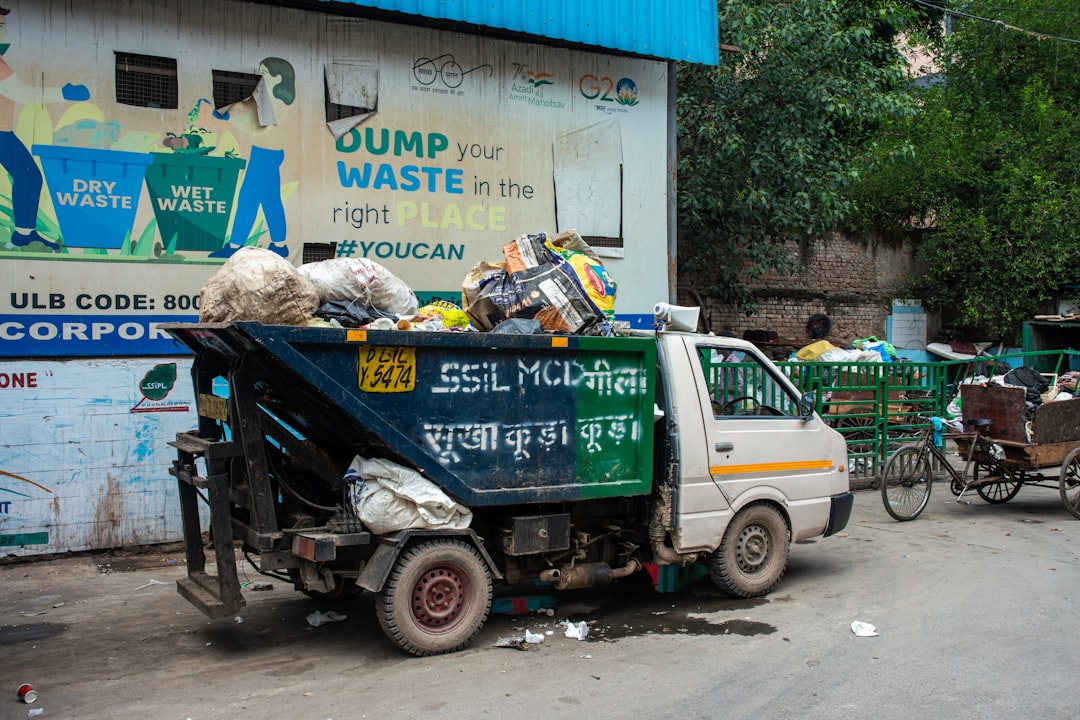
The physical act of collecting your trash is no small feat. It involves a fleet of specialized vehicles traversing your neighborhood, often on a daily or weekly basis. The energy required to power these behemoths, and the logistics of their operation, are significant cost drivers.
The Price at the Pump: Fuel Surcharges
You’ve felt the sting of fluctuating gas prices at your own car’s fuel tank. It’s exactly the same for the large trucks that haul your refuse. The price of diesel fuel is a direct and immediate factor in the cost of trash collection. Many waste management contracts include fuel surcharges, which automatically adjust the collection fees based on prevailing fuel prices. When the price of a gallon of diesel inches upward, so too does the portion of your bill dedicated to transportation. It’s a tangible, day-to-day impact that you can directly correlate with your own driving expenses.
Fleet Maintenance and Modernization
The equipment used in waste collection is demanding. These trucks operate in harsh conditions, hauling heavy loads, and often subject to wear and tear. The ongoing costs associated with maintaining these large and complex fleets are substantial.
The Cost of Wear and Tear
Think about the constant stops and starts, the heavy impacts, and the corrosive nature of some waste materials. These trucks are workhorses and require frequent servicing, repairs, and eventual replacement. The expenses associated with maintaining optimal operational efficiency and safety for these vehicles contribute significantly to the overall cost of trash collection. This isn’t a one-time purchase; it’s a perpetual investment in the machinery that keeps your streets clean.
Investing in Newer, More Efficient Fleets
The push for environmental sustainability also extends to vehicle technology. Newer, more fuel-efficient, and lower-emission waste collection vehicles represent a significant capital investment for waste management companies. While these investments can lead to long-term savings in fuel and reduced environmental impact, the upfront costs are considerable and are often factored into the service fees you pay. It’s a classic dilemma: the investment in a cleaner future today translates to higher operational costs tomorrow, which are then passed on to you.
The Human Element: Labor and Operational Expenses
Beyond the machinery and the fuel, there’s the indispensable human element. The individuals who operate the trucks, sort your recyclables, and manage the entire waste collection process are a vital component of the service. Their wages, benefits, and the overall cost of managing a workforce contribute to the rising fees you’re experiencing.
The Cost of a Skilled Workforce
Waste collection isn’t a job that can be done by just anyone. It requires trained drivers, skilled mechanics, and dedicated sorters. The demand for these skilled laborers, coupled with the need for competitive wages and benefits to attract and retain them, adds to the operational expenses of waste management companies. As the cost of living rises, so too do the expected wages for these essential workers, a cost that inevitably trickles down to you.
Administrative and Overhead Costs
Every business, including waste management, has administrative and overhead expenses. This includes the costs of office staff, insurance, licensing, regulatory compliance management, and the development and maintenance of technology systems. These less visible, but nonetheless critical, operational costs are also factored into the pricing of your trash collection service. It’s like the hidden costs in any purchase; you see the final price, but there’s a whole backstage operation enabling it.
Geographic and Demographic Influences on Costs
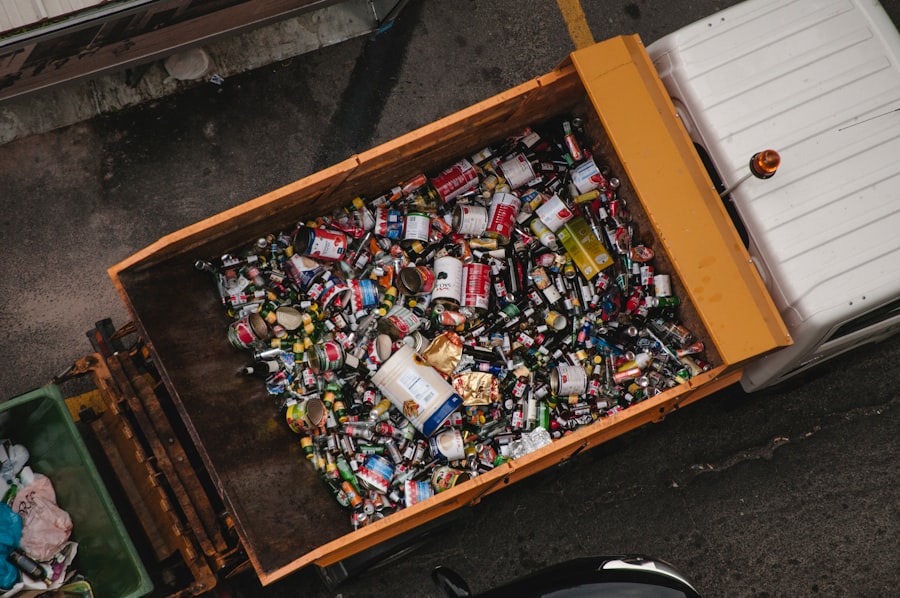
The cost of trash collection is not a uniform figure across the board. Where you live and the characteristics of your community play a significant role in determining how much you pay.
Urban Density vs. Rural Reach
Consider the logistical challenge of collecting trash in a dense urban environment compared to sprawling rural areas. In cities, your house is often just a few feet from your neighbor’s, making collection routes more efficient and cost-effective per household. In rural settings, however, trucks may have to travel miles between residences, significantly increasing fuel consumption and labor time. This disparity in logistical efficiency directly influences the cost of the service.
Population Density and Service Demand
Higher population density generally leads to more waste generated within a given area. This increased demand on collection services can sometimes lead to economies of scale, but it also puts greater strain on infrastructure and resources. Conversely, lower population density might mean fewer households sharing the fixed costs of a collection route, potentially driving up per-household expenses.
As homeowners face the burden of rising trash collection costs, many are seeking ways to manage their expenses more effectively. A recent article discusses various strategies for reducing waste and optimizing recycling efforts, which can ultimately lead to lower collection fees. For more insights on this topic, you can read the full article here: How Wealth Grows. By implementing some of these tips, homeowners may find relief from the increasing financial strain associated with waste management.
Emerging Trends and Future Cost Considerations
| Year | Average Monthly Cost (USD) | Percentage Increase from Previous Year | Factors Contributing to Cost Increase |
|---|---|---|---|
| 2020 | 25 | – | Standard service rates |
| 2021 | 28 | 12% | Increased fuel prices, labor costs |
| 2022 | 32 | 14% | Higher landfill fees, regulatory compliance |
| 2023 | 37 | 16% | Inflation, increased recycling program costs |
| 2024 (Projected) | 42 | 14% | Rising operational expenses, environmental regulations |
The waste management landscape is not static. New technologies, policy shifts, and evolving consumer behaviors will continue to shape the cost of trash collection in the years to come. You are not just paying for today’s service; you are, in part, investing in the future of waste management.
The Drive Towards Circular Economy Models
The concept of a “circular economy” aims to minimize waste by keeping products and materials in use for as long as possible. This paradigm shift involves greater emphasis on reuse, repair, and remanufacturing. While promising for environmental sustainability, the development and implementation of these new models often require significant investment in infrastructure, technology, and workforce training. These investments, in turn, can impact current service costs.
Advancements in Waste-to-Energy Technologies
Waste-to-energy (WTE) plants offer an alternative to landfills, converting waste into electricity or heat. While WTE can reduce the volume of waste sent to landfills and generate revenue, the initial construction and ongoing operational costs of these facilities are substantial. As these technologies become more widespread and sophisticated, their associated costs, and their influence on your trash collection bills, will likely become more pronounced. The promise of innovation often comes with a premium.
In essence, the rising cost of trash collection is a complex interplay of environmental imperatives, economic realities, and logistical challenges. You’re not just paying for a service to remove your refuse; you’re contributing to a larger system striving to balance the demands of modern life with the need for a sustainable planet. The weight in your bin may feel heavier both physically and financially, but understanding these contributing factors sheds light on the intricate web that dictates its true cost.
FAQs
Why are trash collection costs rising for homeowners?
Trash collection costs are rising due to factors such as increased fuel prices, higher labor costs, stricter environmental regulations, and the need for upgraded equipment and technology to handle waste more efficiently.
How do rising trash collection costs affect homeowners’ bills?
As trash collection costs increase, homeowners may see higher fees on their utility bills or property tax statements, depending on how their local municipality or waste management company structures billing.
Are there ways for homeowners to reduce their trash collection expenses?
Yes, homeowners can reduce costs by minimizing waste, recycling more, composting organic materials, and participating in community bulk waste or hazardous waste collection programs that may be less expensive.
Do all areas experience the same increase in trash collection costs?
No, the increase in trash collection costs varies by region and depends on local factors such as population growth, waste management policies, and the availability of recycling and disposal facilities.
What role do local governments play in managing trash collection costs?
Local governments often regulate waste collection services, set fees, and contract with private companies. They may implement policies to control costs, promote recycling, and invest in sustainable waste management infrastructure.