
Your garbage bill, that seemingly mundane statement that arrives with the regularity of the changing seasons, often contains a line item that raises a quizzical eyebrow: the “Environmental Fee.” It’s not just a number; it’s a signal, a small but potent indicator of your contribution to a larger, often invisible, system. Understanding this fee is akin to deciphering the coded messages of a distant planet – it speaks of processes, responsibilities, and a shared endeavor to manage the byproducts of our daily lives. This article aims to illuminate those messages, breaking down the purpose and mechanics of the environmental fee on your garbage bill.
At its core, the environmental fee on your garbage bill is a mechanism to ensure that the costs associated with managing waste extend beyond simply hauling it away. It’s a dedicated financial contribution to the infrastructure and services necessary for environmentally responsible waste disposal and resource recovery. Think of it as planting a seed for a greener future with each payment.
Beyond the Bin: The True Cost of Waste
When you toss an item into your trash bin, the journey doesn’t end there. There’s a complex web of activities that follow, each with a price tag. The environmental fee acknowledges that basic collection fees often don’t fully encompass these downstream costs.
Landfill Management and Monitoring
- Permitting and Licensing: Landfills, even those designed to minimize environmental impact, require extensive permits and ongoing licensing from regulatory bodies. This process ensures compliance with stringent environmental standards.
- Construction and Engineering: Modern landfills are sophisticated engineering marvels. They are lined with impermeable barriers to prevent leachate (toxic liquid that seeps from decomposing waste) from contaminating groundwater. This construction is expensive and requires specialized expertise.
- Leachate Collection and Treatment: The leachate that is generated must be captured, collected, and treated before it can be safely discharged. This involves intricate piping systems and treatment facilities, which incur operational and maintenance costs.
- Gas Collection and Management: As organic waste decomposes in landfills, it produces methane, a potent greenhouse gas. Environmental fees help fund systems to capture this gas, which can be flared to reduce its impact or, in some cases, used as an energy source (biogas).
- Long-Term Monitoring and Post-Closure Care: Even after a landfill is closed, it requires decades of monitoring to ensure that it remains stable and does not pose an environmental threat. This includes regular checks of groundwater quality, gas emissions, and the integrity of the capping system. This extended period of responsibility represents a significant financial commitment.
Recycling Infrastructure and Operations
- Collection and Sorting: While you might sort your recyclables at home, the process of collection, transportation, and further sorting at Material Recovery Facilities (MRFs) is resource-intensive. MRFs employ advanced technology, including optical sorters, magnets, and eddy current separators, to separate different types of materials.
- Processing and Preparation for Market: Once sorted, recyclables need to be processed into a form that can be used by manufacturers. This might involve baling, shredding, or cleaning.
- Market Development and Support: The success of recycling hinges on the existence of markets for recycled materials. Environmental fees can contribute to initiatives that promote the use of recycled content in new products and support businesses that utilize recycled materials. Without consistent demand, recycled materials can become like a ship without a harbor, lacking a destination.
- Education and Outreach: Effective recycling programs rely on an informed public. Environmental fees can fund educational campaigns to promote proper sorting techniques, reduce contamination, and increase participation rates.
The “Polluter Pays” Principle
The environmental fee is a practical application of the widely accepted environmental principle that those who generate waste should bear a fair share of the costs associated with its management and remediation. This principle prevents the burden from falling solely on taxpayers or on future generations who would otherwise have to deal with the legacy of improperly managed waste.
In recent discussions about environmental sustainability, the introduction of a garbage bill environmental fee has sparked interest among homeowners and environmental advocates alike. This fee aims to incentivize recycling and reduce waste, ultimately benefiting the planet. For a deeper understanding of how such fees can impact both the environment and household budgets, you can read a related article that explores these concepts in detail at this link.
Deconstructing the Fee: Where Does Your Money Go?
The specific allocation of environmental fees can vary significantly between municipalities and waste management providers. However, common categories of expenditure are consistently observed.
Funding Environmental Protection Programs
Beyond the direct costs of waste disposal and recycling, environmental fees often contribute to broader initiatives aimed at protecting the environment and mitigating the impacts of waste.
Special Waste Management Initiatives
- Hazardous Waste Collection Events: Many communities organize periodic collection events for household hazardous waste, such as paints, solvents, batteries, and electronics. These materials require specialized disposal methods to prevent them from leaching into the environment.
- E-waste Recycling Programs: The rapid obsolescence of electronics has created a growing challenge of electronic waste. Environmental fees can support programs dedicated to the safe and responsible recycling of e-waste, recovering valuable materials and preventing the release of hazardous substances.
- Composting Programs and Infrastructure: For organic waste, composting offers a sustainable alternative to landfilling. Fees can support the development and operation of municipal composting facilities, as well as educational programs to encourage backyard composting.
Remediation and Site Restoration
- Cleanup of Contaminated Sites: In cases where past waste disposal practices have led to environmental contamination, environmental fees can contribute to the funds necessary for remediation efforts, restoring damaged ecosystems.
- Landfill Closure and Post-Closure Planning: As mentioned earlier, the closure of landfills is a complex and lengthy process. Fees play a crucial role in ensuring that adequate funds are set aside for these long-term responsibilities, preventing future environmental liabilities.
- Erosion Control and Landscaping: The physical sites where waste is managed, such as landfills, often require ongoing landscaping and erosion control measures to maintain ecological stability and prevent sediment runoff.
Investing in Sustainable Technologies
The future of waste management lies in innovation and the adoption of more sustainable practices. Environmental fees can act as a catalyst for this progress.
Research and Development Funding
- New Recycling Technologies: Investing in research and development for more efficient sorting technologies, advanced material recovery methods, and innovative recycling processes.
- Waste-to-Energy Solutions: Exploring and implementing technologies that can convert waste into energy, reducing reliance on landfills and potentially generating renewable power.
- Biodegradable and Compostable Material Research: Supporting the development and adoption of materials that have a lower environmental footprint at the end of their life cycle.
Development of Advanced Infrastructure
- Modernized MRFs: Upgrading existing Material Recovery Facilities with state-of-the-art equipment to improve sorting accuracy and capacity.
- Enhanced Transportation Logistics: Investing in more efficient and environmentally friendly transportation methods for waste collection, such as optimizing routes to reduce fuel consumption and emissions.
- Smart Waste Management Systems: Implementing technology like smart bins that monitor fill levels and optimize collection routes, leading to greater efficiency and reduced operational costs.
The Legal Framework: Regulations and Compliance

The environmental fee is not an arbitrary charge. It is often embedded within a framework of local, regional, and national environmental regulations designed to protect public health and the environment.
Regulatory Mandates and Requirements
- Environmental Protection Agency (EPA) Standards: In the United States, the EPA sets national standards for waste management and landfill operations, influencing the expenses that municipalities must incur.
- State and Local Ordinances: Individual states and municipalities often have their own specific regulations concerning waste disposal, recycling mandates, and the management of hazardous materials. These can add further layers of compliance and cost.
- Permitting and Siting Regulations: The process of obtaining permits for waste management facilities is rigorous and often involves extensive environmental impact assessments, contributing to the overall cost.
Accountability and Transparency
Environmental fees are subject to oversight to ensure that the funds are utilized for their intended purposes and that waste management practices remain compliant with regulations.
Public Reporting and Auditing
- Annual Financial Reports: Many municipalities and waste management authorities are required to publish annual financial reports that detail expenditures, including those related to environmental fees.
- Independent Audits: Regular audits by independent accounting firms help to verify the accuracy of financial records and ensure accountability in the use of public funds.
- Public Hearings and Workshops: Opportunities for public input and discussion regarding waste management plans and associated fees can foster transparency and community engagement.
Your Role: Reducing the Environmental Fee
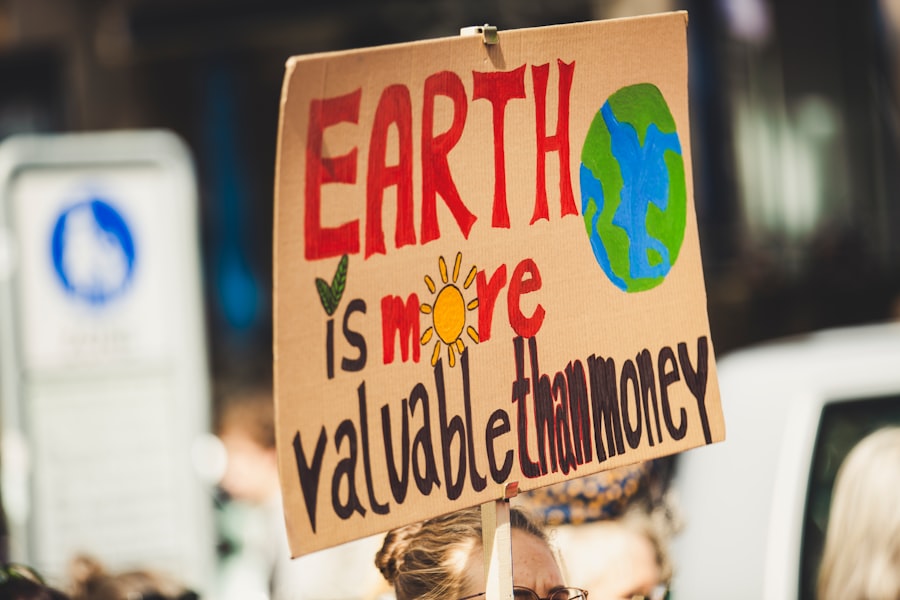
While you may not have direct control over the existence of the environmental fee, you do have a significant influence on the overall volume of waste generated, which, in turn, impacts the costs associated with its management. Reducing your waste footprint can indirectly translate to a more manageable and potentially lower environmental fee in the long run, akin to trimming the sails of a ship to catch the wind more efficiently.
Practical Strategies for Waste Reduction
- The “Reduce, Reuse, Recycle” Mantra: This timeless advice remains the cornerstone of waste management.
- Reduce: Consciously purchase fewer items, opt for products with minimal packaging, and avoid single-use disposable items.
- Reuse: Find new purposes for old items, utilize reusable bags, water bottles, and containers, and support businesses that offer refill options.
- Recycle: Diligently sort your recyclables according to your local guidelines, ensuring that items are clean and free of contaminants.
- Composting Organic Waste: Diverting food scraps and yard waste from landfills through composting significantly reduces the volume of waste that requires landfilling, a major cost driver.
- Backyard Composting: For those with suitable space, home composting can convert organic waste into nutrient-rich soil amendment for your garden.
- Municipal Composting Programs: If your municipality offers curbside composting collection, take advantage of this service to manage your organic waste sustainably.
- Responsible Disposal of Special Wastes:
- Hazardous Household Waste (HHW): Properly dispose of HHW at designated collection sites or during special collection events. Never pour these materials down drains or in regular trash.
- E-waste: Utilize certified e-waste recycling programs to ensure that electronic devices are processed responsibly.
- Supporting Sustainable Consumption:
- Buying in Bulk: Purchasing items in bulk often reduces packaging waste.
- Choosing Durable Goods: Investing in high-quality, long-lasting products reduces the frequency of replacement and subsequent disposal.
- Repairing Instead of Replacing: Before discarding a broken item, explore options for repair, extending its lifespan.
The Ripple Effect of Individual Actions
Your individual efforts, when multiplied across a community, can have a profound impact. A collective commitment to waste reduction can lead to less strain on landfill capacity, more effective recycling programs, and ultimately, a more sustainable and cost-efficient waste management system for everyone.
In recent discussions about the garbage bill environmental fee, many residents have expressed confusion over how these charges are calculated and their intended purpose. For a deeper understanding of the financial implications and environmental benefits associated with such fees, you might find this related article helpful. It provides insights into the broader context of waste management and sustainability efforts. To explore this further, check out the article here.
The Future of Waste Management Fees
| Metric | Description | Typical Range | Purpose |
|---|---|---|---|
| Base Garbage Collection Fee | Standard charge for regular waste pickup services | 10 – 30 per month | Cover operational costs of waste collection |
| Environmental Fee | Additional charge to fund environmental protection and waste management programs | 2 – 8 per month | Support recycling, landfill management, and pollution control |
| Recycling Surcharge | Fee specifically allocated for recycling services | 1 – 5 per month | Encourage waste diversion from landfills |
| Waste Diversion Rate | Percentage of waste diverted from landfill through recycling or composting | 30% – 70% | Measure effectiveness of environmental programs |
| Landfill Tipping Fee | Cost charged per ton of waste disposed at landfill | 20 – 60 per ton | Cover landfill operation and environmental compliance |
| Carbon Footprint Reduction | Estimated reduction in greenhouse gas emissions due to waste management efforts | 5% – 25% annually | Track environmental impact of waste programs |
As environmental awareness grows and technologies advance, the nature of waste management fees is subject to evolution. The trend points towards greater integration of environmental considerations into all aspects of waste handling and a continued emphasis on accountability and sustainability.
Evolving Fee Structures
- Pay-As-You-Throw (PAYT) Systems: Some municipalities are implementing PAYT systems, where residents are charged based on the amount of waste they generate, incentivizing further waste reduction.
- Extended Producer Responsibility (EPR): EPR programs shift the responsibility for managing end-of-life products from consumers and municipalities to the producers of those products. This encourages manufacturers to design products that are easier to recycle or dispose of responsibly.
- Incentive Programs for Recycling and Composting: Future fee structures may incorporate incentives for individuals and businesses that demonstrate high rates of recycling and composting.
The Drive Towards a Circular Economy
The ultimate goal of modern waste management is to transition towards a circular economy, where resources are kept in use for as long as possible, extracting the maximum value from them in use, and then recovering and regenerating products and materials at the end of each service life. Environmental fees will likely continue to play a role in funding the infrastructure and initiatives that support this transition. Your garbage bill, in essence, is a small but vital cog in this increasingly sophisticated machine, ensuring that the byproducts of your life contribute, as much as possible, to a healthier planet.
FAQs
What is a garbage bill environmental fee?
A garbage bill environmental fee is an additional charge included in your waste collection bill that covers the costs associated with environmental management, such as recycling programs, landfill maintenance, and pollution control.
Why is the environmental fee included in the garbage bill?
The fee is included to ensure that the environmental impact of waste disposal is properly managed and funded. It helps local governments and waste management companies cover expenses related to sustainable waste processing and environmental protection.
How is the environmental fee calculated?
The environmental fee is typically calculated based on factors such as the volume or weight of waste collected, the type of waste, and local regulations. Some areas may charge a flat rate, while others use a variable fee structure.
Is the environmental fee mandatory for all households?
In most regions, the environmental fee is mandatory for all households and businesses that receive waste collection services. It is part of the overall cost of waste management and environmental compliance.
Can the environmental fee be used for other purposes?
No, the environmental fee is specifically designated for environmental-related waste management activities. It cannot be used for unrelated municipal expenses and is subject to regulatory oversight to ensure proper use.