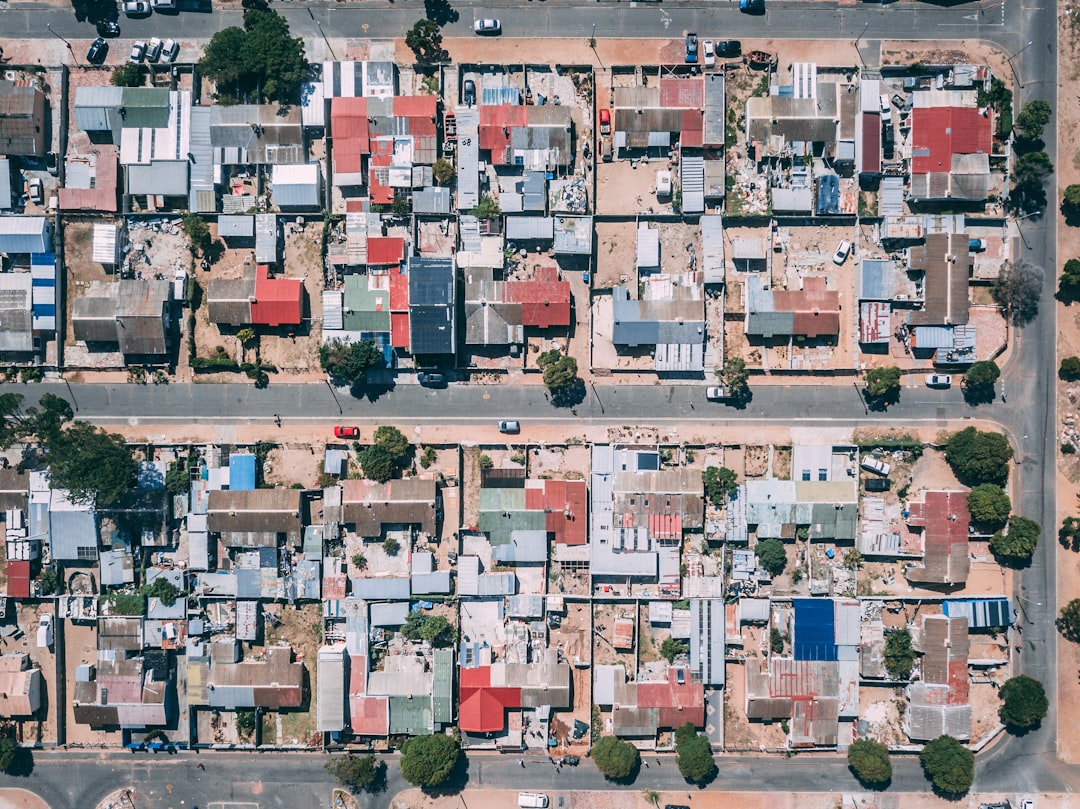
You may not have noticed it yet, or perhaps you’ve felt its slow, insidious crawl, but a significant economic pressure system is building on the horizon. This isn’t a storm you can batten down the hatches against with a simple umbrella; it’s a fundamental shift in the landscape of homeownership, and it affects you directly. We are talking about the looming housing affordability crisis, a multifaceted problem with deep roots and far-reaching consequences for individuals, communities, and national economies. You will observe its effects in your own life, your financial planning, and the decisions you make about your future.
To fully grasp the scope of this challenge, you must first understand its origins. The current housing affordability crisis isn’t a sudden anomaly but rather the culmination of several interconnected factors that have been brewing for decades. Think of it as a complex stew, with each ingredient, simmering for years, now contributing to a potent and challenging dish.
Supply-Side Constraints
A primary driver of the crisis lies in the fundamental imbalance between housing supply and demand. You may recall the principle of scarcity from basic economics, and nowhere is it more evident than in the housing market.
- Restrictive Zoning Laws: Across many developed nations, you will find a patchwork of zoning regulations that severely limit the construction of diverse housing types. Single-family zoning, for instance, often restricts new development to detached homes on large lots, effectively preventing the creation of more affordable multi-family units or smaller, denser housing options. These regulations may have originated with good intentions, such as preserving neighborhood character, but their cumulative effect has been to stunt housing growth.
- Slow Development Processes: The journey from groundbreaking to move-in day is often fraught with bureaucratic hurdles. You will encounter lengthy permitting processes, environmental reviews, and often fierce local opposition to new construction. These delays add significant costs to developers, which are ultimately passed on to you, the buyer or renter.
- Labor and Material Shortages: The construction industry has faced persistent challenges in recent years, including a shortage of skilled labor and increasing costs of essential building materials. The pandemic exacerbated these issues, as supply chains buckled under pressure. These higher input costs translate directly into higher housing prices.
- Land Scarcity: In desirable urban and suburban areas, you are witnessing an increasing scarcity of developable land. As populations grow and urbanization continues, the available land for new construction diminishes, driving up land values and, consequently, the final cost of housing.
Demand-Side Pressures
While supply struggles to keep pace, demand has been relentlessly pushing upwards. You are not alone in your desire for a safe, comfortable, and affordable place to live; millions share that same aspiration.
- Population Growth: A simple truth: more people need more homes. You see this in growing populations, both from natural increase and immigration, adding constant pressure to existing housing stock. Each new household represents a new unit of demand.
- Urbanization Trends: The magnetic pull of cities, with their opportunities for employment, education, and culture, continues unabated. You may have experienced this yourself, drawn to urban centers for various reasons. This ongoing migration from rural to urban areas concentrates demand in specific, often already expensive, locations.
- Low Interest Rates (Historical Context): For an extended period, you benefited from historically low interest rates, which made borrowing money for a mortgage more affordable. While this was a boon for those who could afford to buy, it also stimulated demand, pushing prices higher as more buyers entered the market. As interest rates begin to climb, which they have, this effect reverses, making mortgages more expensive and further straining affordability.
- Investor Activity: A significant portion of housing demand now comes from institutional and individual investors purchasing properties not to live in, but as assets. You will see these investors buying up single-family homes for rental income or flipping properties for quick profit. Their activity, while economically rational for them, reduces the supply of homes available to owner-occupiers and can inflate prices.
The ongoing housing affordability crisis has become a pressing issue for many communities, leading to increased discussions about potential solutions and policy changes. A related article that delves into the various factors contributing to this crisis and explores innovative approaches to improve housing access can be found at How Wealth Grows. This resource provides valuable insights into the economic and social implications of housing affordability, making it a must-read for anyone interested in understanding this complex issue.
The Financial Fallout: How it Affects You
The confluence of limited supply and surging demand has created a perfect storm, with severe financial implications for you and your peers. This isn’t abstract economic theory; it’s a direct hit to your personal finances.
The Homeownership Dream Recedes
For generations, you’ve been told that homeownership is a cornerstone of the American Dream, a path to wealth accumulation and stability. For many, that dream is increasingly out of reach.
- Skyrocketing Home Prices: You have likely observed a relentless ascent in home prices in recent years. This appreciation has far outstripped wage growth in many regions, meaning it takes a larger proportion of your income, and a longer time, to save for a down payment. The gap between what you earn and what a home costs is widening into an unbridgeable chasm for many.
- Unaffordable Down Payments: The initial barrier to entry is the down payment. With median home prices reaching unprecedented highs, a 20% down payment now represents a staggering sum that could take decades to save, especially if you are also grappling with student loan debt or other financial obligations.
- Rising Mortgage Rates: As central banks combat inflation, you are seeing interest rates climb. While low rates previously subsidized demand, higher rates now mean you pay significantly more over the life of a loan, even for the same principal amount. This dramatically increases your monthly housing expenses, further eroding affordability.
The Rental Market Squeeze
For those unable to purchase a home, the rental market offers little respite. You will find that the forces driving up homeownership costs are also at play, perhaps even more acutely, in the rental sector.
- Soaring Rents: Landlords, facing their own increased costs (property taxes, maintenance, sometimes higher mortgage payments on their investment properties), pass these expenses on to you in the form of higher rents. Competition for desirable rental units is fierce, allowing landlords to command premium prices.
- Low Vacancy Rates: In many popular urban and suburban areas, you will encounter incredibly low vacancy rates. This scarcity gives landlords significant leverage, as you have fewer options and less bargaining power.
- Eviction Risk and Housing Insecurity: When a significant portion of your income is consumed by rent, you become vulnerable. A sudden job loss, unexpected medical expense, or even a modest rent increase can tip you over the edge, leading to housing insecurity and, in severe cases, eviction. This creates a precarious existence for many.
Broader Economic and Social Consequences
The housing affordability crisis isn’t confined to individual financial statements; it ripples outwards, affecting the very fabric of society and the broader economy. You will begin to see its impact on communities, labor markets, and even national productivity.
Impact on Labor Markets and Talent Retention
Businesses are discovering that you and your potential colleagues are finding it increasingly difficult to live in regions where jobs are abundant. This creates a complex problem for employers.
- Worker Relocation Challenges: If housing is unaffordable, you may be less willing to relocate for a job, even if it offers better pay or career advancement. This constrains the labor pool for businesses in high-cost areas.
- Commuting Burdens: Faced with unaffordable housing near work, you might be forced to live further away, enduring longer and more expensive commutes. This reduces your quality of life, adds to traffic congestion, and contributes to environmental degradation.
- Brain Drain: Highly skilled workers, often those you need most for innovation and economic growth, may choose to move to more affordable cities or countries if the costs of living outweigh the benefits of working in a specific location. You actively contribute to this outward migration when faced with such choices.
Exacerbation of Wealth Inequality
The housing market, once a leveling ground for wealth generation, is now a powerful engine of inequality. You are either on the train, or watching it pull away from the station.
- Growing Generational Divide: If your parents or grandparents bought homes decades ago, they likely did so at a fraction of today’s prices, and their property has appreciated significantly. You, on the other hand, are facing an unprecedented challenge to achieve that same milestone. This creates a stark wealth disparity between generations.
- Widening Gap Between Homeowners and Non-Homeowners: Owning a home allows you to build equity, a form of forced savings and a hedge against inflation. This asset grows in value, providing a cushion for retirement or emergencies. If you cannot afford to buy, you miss out on this crucial wealth-building mechanism, and the gap between homeowner and non-homeowner net worth continues to widen.
- Impact on Social Mobility: The ability to move to areas with better job opportunities or schools is often tied to housing affordability. If you are priced out of these areas, your social mobility and that of your children can be severely limited.
Policy Responses and Potential Solutions
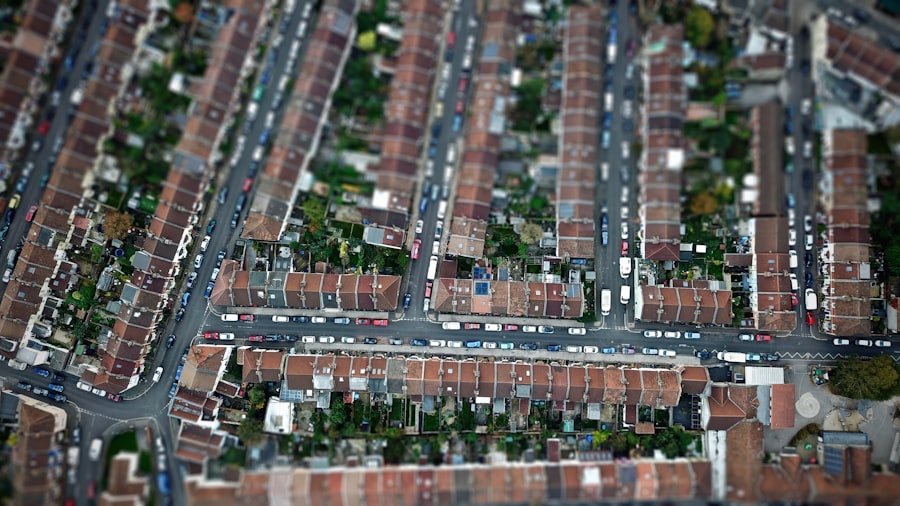
Addressing a problem of this magnitude requires a multi-pronged approach, drawing on the wisdom of urban planners, economists, and policymakers. You, as a citizen, also have a role in advocating for change.
Supply-Side Interventions
Many solutions focus on increasing the supply of housing, thereby mitigating the scarcity driving up prices. You can imagine that freeing up the flow of housing units is paramount.
- Zoning Reform: This is perhaps the most critical lever. You can push for policies that encourage denser housing, allow for mixed-use developments, and reduce minimum lot size requirements. States like California have begun to implement such reforms, preempting local control in an effort to spur construction.
- Streamlining Permitting Processes: You can advocate for accelerating the approval process for new construction by reducing bureaucratic red tape and digitalizing applications. This can shorten development timelines and reduce costs.
- Incentivizing Affordable Housing Construction: Governments can offer tax credits, subsidies, or low-interest loans to developers who commit to building affordable housing units. These incentives can make otherwise unviable projects financially feasible.
- Investing in Infrastructure: Building new housing often requires corresponding infrastructure investments (roads, utilities, schools). You can support public investment in these areas to unlock new development potential.
Demand-Side Management (Careful Considerations)
While increasing supply is crucial, some policies aim to temper demand, particularly from non-owner-occupiers. You must approach these with caution, as poorly implemented policies can have unintended consequences.
- Taxes on Vacant Homes or Speculative Purchases: Some jurisdictions impose taxes on homes that are left vacant for extended periods or on properties bought and sold within a short timeframe (anti-flipping taxes). The goal is to discourage speculative investment and encourage homes to be occupied.
- Restrictions on Foreign Ownership: Some countries have limited foreign ownership of residential property, arguing it contributes to inflated prices. You must weigh the economic benefits of foreign investment against its potential impact on local affordability.
- First-Time Buyer Programs: While these often stimulate demand, well-designed programs can help you overcome the down payment barrier without excessively inflating prices. These might include shared equity schemes or targeted grants.
Other Supportive Measures
Beyond supply and demand, you can also consider policies that provide direct support or stabilize the housing market.
- Rent Control (Debated Efficacy): While often popular, the economic efficacy of traditional rent control is fiercely debated. Critics argue it discourages new construction and can lead to a decline in housing quality. However, you will find proponents who argue for its role in protecting tenants from egregious rent hikes. More nuanced approaches, such as “rent stabilization,” are often proposed.
- Increased Housing Vouchers and Subsidies: For the most vulnerable, direct financial assistance, such as housing vouchers, can provide a lifeline. You can support increased funding for these programs, ensuring that everyone has access to safe housing.
- Community Land Trusts: These models separate land ownership from homeownership, allowing you to own the home while the trust owns the land, ensuring long-term affordability. You can find these gaining traction in communities seeking innovative solutions.
The ongoing housing affordability crisis has become a pressing issue for many families across the nation, as rising prices and stagnant wages create significant barriers to homeownership. In light of this situation, it’s essential to explore various factors contributing to the crisis and potential solutions. For a deeper understanding of the economic dynamics at play, you can read a related article that discusses how wealth accumulation impacts housing markets and affordability. This insightful piece can be found here.
The Future: A Choice We Must Make
| Metric | Value | Unit | Year | Notes |
|---|---|---|---|---|
| Median Home Price | 450,000 | USD | 2023 | National average in the United States |
| Median Household Income | 70,000 | USD | 2023 | National average in the United States |
| Housing Affordability Index | 120 | Index Value | 2023 | 100 = median income can exactly afford median home |
| Percentage of Income Spent on Housing | 35 | % | 2023 | Average for renters and homeowners combined |
| Rent Increase Year-over-Year | 8 | % | 2023 | National average rent increase |
| Homeownership Rate | 65 | % | 2023 | Percentage of households owning homes |
| Number of Affordable Housing Units Needed | 7,000,000 | Units | 2023 | Estimated shortage in the United States |
The looming housing affordability crisis is not an inevitable tide; it is a human-made problem, and therefore, it has human-made solutions. You are at a crossroads, where the decisions made today will profoundly shape your ability, and the ability of future generations, to find stable and affordable housing.
You have seen the data, understood the complex interplay of factors, and recognized the personal and societal costs. The current trajectory points towards a future where the ownership class becomes more entrenched, where renters face perpetual financial strain, and where the economic opportunities of vibrant metropolitan areas are accessible only to a select few. This future, if you are honest with yourself, serves very few well.
Ignoring this crisis is no longer an option. You must engage with local and national dialogues, challenge outdated regulations, and advocate for innovative solutions. The dream of a secure and affordable home, once a mainstream aspiration, is eroding before your eyes. It is time for collective action to rebuild that foundation, ensuring that you, your children, and your community have a place to call home. Your future, in a very real sense, depends on it.
FAQs
What is the housing affordability crisis?
The housing affordability crisis refers to the situation where a significant portion of the population struggles to afford adequate housing due to high costs relative to their income. This often results in increased financial stress, overcrowding, or homelessness.
What factors contribute to the housing affordability crisis?
Key factors include rising property prices, limited housing supply, stagnant wages, increased demand in urban areas, and insufficient affordable housing development. Economic conditions and government policies also play a role.
How is housing affordability measured?
Housing affordability is commonly measured by the percentage of income spent on housing costs. A standard benchmark is that housing is affordable if it costs no more than 30% of a household’s gross income.
Who is most affected by the housing affordability crisis?
Low- and moderate-income households, young adults, renters, and marginalized communities are typically the most affected groups, as they have fewer financial resources and less access to affordable housing options.
What solutions are being proposed to address the housing affordability crisis?
Solutions include increasing the supply of affordable housing, implementing rent control policies, offering subsidies or housing vouchers, reforming zoning laws to allow for more diverse housing types, and investing in public housing projects.