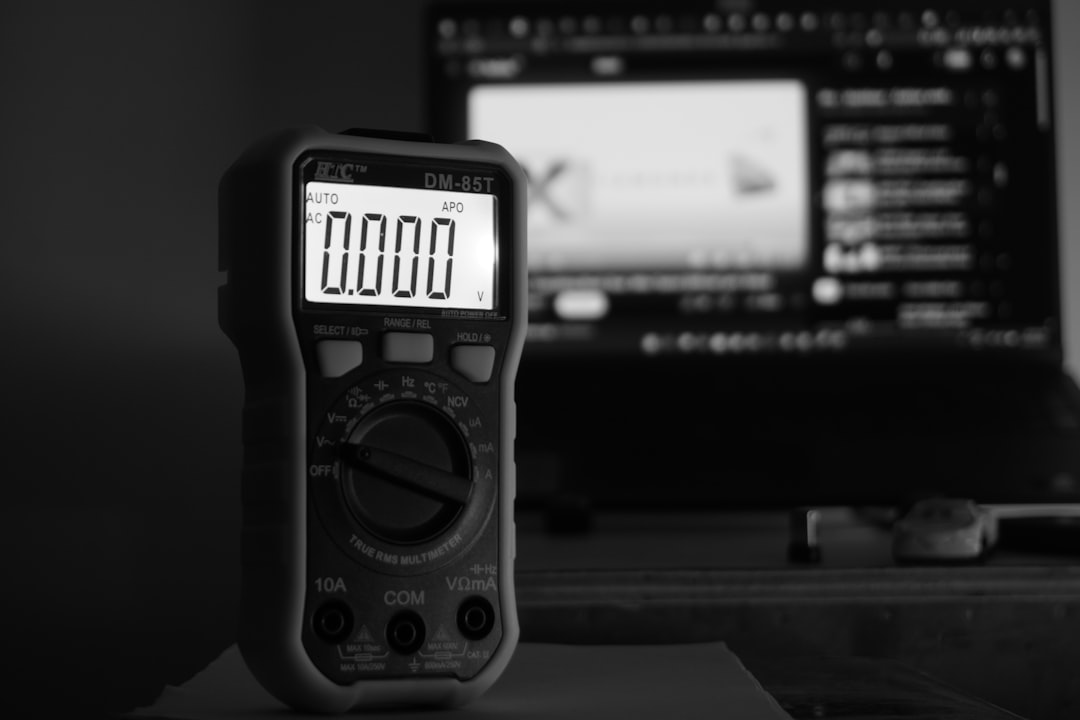
You may experience a nagging sensation that your energy bills are unusually high. Perhaps your water consumption seems disproportionate to your habits, or your gas usage appears to defy explanation. This unease can be disconcerting, particularly when you are diligently monitoring your consumption and adjusting your lifestyle accordingly. When faced with such discrepancies, a crucial step you can take is to request a meter accuracy test from your utility provider. This article will guide you through the process, empowering you to navigate the bureaucratic channels effectively and ensure you are only paying for the energy you truly consume.
Your utility meter is the sole arbiter of your consumption and, consequently, your bill. It acts as the financial gatekeeper, translating your usage of electricity, gas, or water into a monetary figure. Therefore, its accuracy is paramount. A faulty meter, much like a flawed ruler, will provide an incorrect measurement, leading to either overcharging or undercharging. While the latter might seem appealing in the short term, it can lead to retrospective billing and disputes. The primary concern, however, lies with overcharging, which directly impacts your finances and can erode your trust in the utility provider.
The regulatory bodies governing utility companies typically mandate a certain level of accuracy for their meters. This is often expressed as a percentage deviation allowed from the true consumption. For instance, an electric meter might be considered accurate if it measures within a ±2% margin. This small allowable deviation acknowledges the inherent complexities of mechanical and electronic measurement devices. However, deviations exceeding this threshold or consistent over-registration can significantly inflate your bills over time.
Types of Meters and Their Operation
To fully appreciate the implications of a faulty meter, it’s helpful to understand the basic principles behind their operation.
- Electric Meters: The most common electric meters for residential use are either electromechanical (older, with rotating dials) or electronic (digital displays). Electromechanical meters measure the flow of current and voltage, using a rotating disc that spins proportional to the power consumed. Electronic meters utilize digital signal processing to convert electrical signals into kilowatt-hour (kWh) readings. Both types are subject to wear and tear, calibration drifts, or even external interference.
- Gas Meters: Gas meters typically measure the volume of gas flowing through them. Diaphragm meters, a common type, use sealed compartments that expand and contract as gas fills and empties them, driving a crankshaft that registers the volume. Turbine meters, often used for larger consumers, measure the velocity of gas flow. These mechanical components can degrade, leading to inaccurate measurements.
- Water Meters: Water meters, like gas meters, primarily measure volume. Positive displacement meters trap and release fixed volumes of water, while velocity meters measure the speed of water flowing through a known pipe area. Mineral deposits, corrosion, or debris can impede their internal mechanisms and affect their accuracy.
Common Causes of Meter Inaccuracy
Several factors can contribute to a meter providing inaccurate readings. Understanding these can help you better articulate your concerns to the utility company.
- Age and Wear: Like any mechanical or electronic device, meters degrade over time. Moving parts wear out, electronic components can drift, and seals can weaken. This is a natural consequence of continuous operation.
- Environmental Factors: Extreme temperatures, humidity, or even lightning strikes can impact the performance of electronic meters. Physical damage from external sources can also compromise their integrity.
- Installation Issues: Improper installation can lead to inaccurate readings from the outset. This could involve incorrect wiring for electric meters, leaks in gas or water meter connections, or even magnetic interference.
- Internal Defects: While rare, manufacturing defects can result in a meter that is inaccurate from its production. These may only become apparent over an extended period of use.
- Tampering: While not typically classified as an “inaccuracy” in the sense of a malfunctioning device, deliberate tampering with a meter can lead to fraudulently lowered readings and is a serious offense. Utility companies are vigilant about detecting such activities.
If you’re looking to ensure that your utility meter is functioning accurately, it’s essential to understand the process of obtaining a meter accuracy test from your utility provider. For a comprehensive guide on this topic, you can refer to a related article that outlines the steps and considerations involved in requesting such a test. This resource can help you navigate the process effectively and ensure that you are being billed correctly for your energy consumption. For more information, check out the article here: How Wealth Grows.
Recognizing the Red Flags: When to Suspect a Faulty Meter
The decision to request a meter test should not be taken lightly, as utility companies may charge a fee if the meter is found to be accurate. Therefore, it’s crucial to identify clear indicators that point towards a potential malfunction. Think of these as the smoke signals preceding a fire.
Unexplained Spikes in Consumption
The most common and immediate indicator is a sudden and sustained increase in your utility bills without a corresponding change in your consumption habits. If your electricity bill doubles in a month, but you haven’t bought any new appliances or significantly altered your routine, this warrants investigation.
- Seasonal Anomalies: While seasonal changes often correlate with higher utility usage (e.g., air conditioning in summer, heating in winter), an unusually large increase beyond typical seasonal fluctuations should raise a red flag. If your winter heating bill is significantly higher than previous winters despite similar temperatures and thermostat settings, it’s worth considering.
- Consistent High Usage with Lifestyle Changes: Conversely, if you have actively reduced your consumption (e.g., replaced old appliances, insulated your home, taken shorter showers), but your bills remain stubbornly high, your meter might be the culprit.
Discrepancies with Usage Estimates
Many modern homes feature smart meters or utility company portals that provide detailed usage data. If you are actively monitoring your consumption and observing significant discrepancies between your estimated usage and the meter readings, this is a strong indicator of an issue.
- “Phantom Load” Effect: For electricity, if your meter appears to be registering significant consumption even when all appliances are turned off or unplugged, this could point to a faulty meter or an internal wiring issue within your property that is causing a constant drain. You can test this by turning off all circuit breakers at your main panel and observing if the electric meter stops completely.
- Steady Gas/Water Consumption When Off: Similarly, for gas and water, if you turn off all appliances that use these utilities (e.g., furnace, water heater, faucets), and the meter continues to register usage, you likely have a leak or a faulty meter.
Physical Damage or Unusual Sounds
Sometimes, the problem is visually or audibly apparent.
- Visible Damage: Cracked casings, corroded terminals, or evidence of tampering on your meter are clear signs that its integrity has been compromised. Do not attempt to repair or interfere with the meter yourself.
- Unusual Noises: Old electromechanical electric meters might hum or click. However, if you notice new, loud, or persistent grinding, squealing, or other unusual noises coming from your gas or water meter, it could indicate internal mechanical problems.
- Spinning Disc (Electric Meter) Without Load: For older electric meters with a spinning disc, if the disc continues to rotate even when all electrical appliances in your home are demonstrably turned off, this signifies a problem.
Initiating the Request: Your First Steps
Once you’ve identified potential red flags, the next critical step is to formally initiate a request for a meter accuracy test. This is not a casual inquiry; it requires a structured approach to ensure your concerns are properly addressed.
Gathering Your Evidence
Before contacting your utility provider, consolidate your evidence. This will strengthen your case and demonstrate that your request is based on tangible observations, not just a vague feeling.
- Old Bills: Collect at least 12-24 months of your utility bills. This historical data will allow you to demonstrate patterns of inconsistent or unusually high consumption. Highlight specific periods of concern.
- Consumption Records: If you’ve been tracking your daily or weekly meter readings yourself, present this data. This can be highly compelling evidence.
- Photos/Videos: If there’s visible damage to the meter or if you’ve observed the electric meter’s disc spinning without load, or the gas/water meter moving when it shouldn’t, document this with clear photographs or short videos.
- Appliance Information: Note down any significant appliance changes you’ve made (e.g., replaced an old refrigerator with an energy-efficient model) that should have resulted in lower consumption.
Contacting Your Utility Provider
Every utility company has a dedicated customer service department. This is your initial point of contact.
- Phone Call: Begin with a phone call. Be prepared to clearly and concisely explain your concerns. Reference your gathered evidence. Ask for the specific procedure for requesting a meter accuracy test. Document the date, time, and name of the representative you speak with.
- Online Portal/Email: Many utility providers offer online portals or email addresses for customer service. Using these channels can provide a written record of your communication. Attach your supporting evidence when possible.
- Formal Letter: For more serious or persistent issues, a formal letter sent via certified mail can be highly effective. This ensures proof of delivery and creates an undeniable paper trail. Clearly state your reasons for requesting the test and include all relevant evidence.
Understanding the Utility’s Process
The utility company will have a defined process for handling meter accuracy test requests. Familiarize yourself with it.
- Initial Troubleshooting: They may first try to troubleshoot over the phone, asking questions about your consumption habits or recent changes. Be patient and provide accurate answers. They might suggest simple checks you can perform, such as verifying all appliances are off before checking the meter.
- On-Site Visit: If phone troubleshooting doesn’t resolve the issue, they will likely schedule an on-site visit by a technician. The technician’s role is typically to inspect the meter visually, look for obvious faults, and potentially perform preliminary checks. They may not conduct a full accuracy test at this stage.
- Meter Test Request: Clearly state that you are formally requesting a meter accuracy test. This is distinct from a general service call or inspection. Emphasize that you believe the meter is malfunctioning.
The Meter Accuracy Test: What to Expect
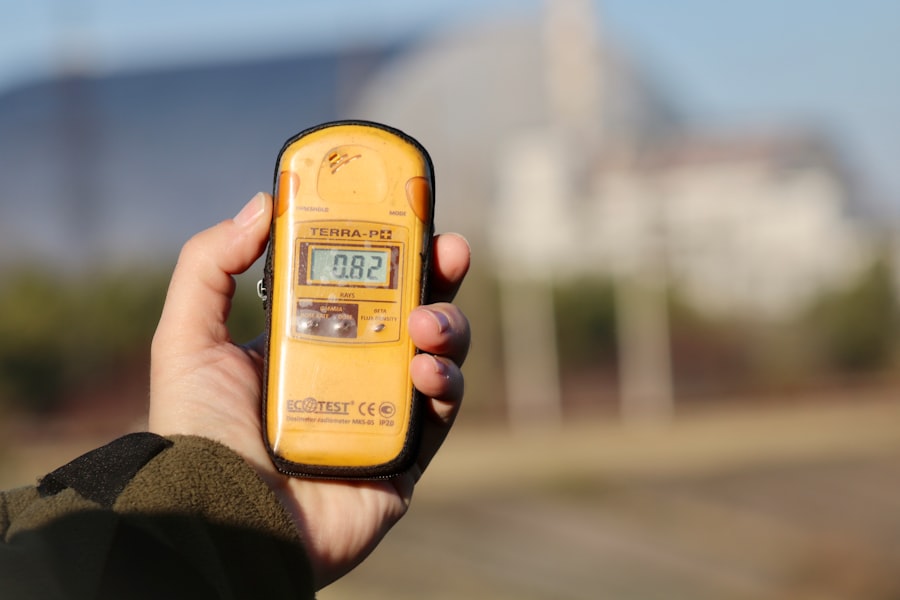
Once your request for a formal meter accuracy test is accepted, the utility company will proceed with the examination of your meter. This is a critical juncture in the process.
Types of Tests
The specific test performed will depend on the type of meter and the utility.
- In-Situ Testing: For some meters, especially electronic electric meters, technicians can perform accuracy checks directly at your property using specialized equipment. This involves comparing the meter’s reading against a known, precise current or flow.
- Laboratory Testing: For other meters, particularly older electromechanical ones or gas/water meters, the utility may opt to remove your meter and replace it with a new or calibrated one. Your original meter will then be taken to a laboratory for a thorough, controlled accuracy test by specialized technicians. This allows for a more comprehensive assessment under controlled conditions.
Your Rights During the Test
You have certain rights during this process, and it’s essential to be aware of them.
- Presence During Test: You generally have the right to be present during any on-site test or removal of your meter. If the meter is taken to a lab, you might have the right to witness the lab test, although this often requires advance arrangements and may be at a specific utility facility. Always confirm this with your utility provider.
- Independent Witness: If you feel it’s necessary, you may be able to bring an independent, qualified witness to observe the test, particularly if it’s an on-site examination. Again, check with your utility’s policies.
- Documentation and Results: Demand a copy of the official test results. This document should clearly state the meter’s serial number, the test date, the methodology used, and the findings regarding its accuracy (e.g., percentage deviation from actual consumption).
Potential Outcomes and Next Steps
The meter accuracy test will yield one of two primary outcomes.
- Meter Found Accurate: If the meter is found to be within the allowable tolerance (e.g., ±2%), you may be charged a fee for the test. This fee covers the utility’s costs for conducting the test. In this scenario, you will need to look for other explanations for your high bills, such as hidden leaks, inefficient appliances, or changes in household energy consumption patterns. The utility might offer energy audit services to help pinpoint these issues.
- Meter Found Inaccurate: If the meter is found to be outside the allowable tolerance and consistently over-registering consumption, the utility company is typically obligated to issue a refund or credit for past overcharges. The extent of this refund varies by jurisdiction and utility policy but often covers a period of several months or even years, back to the point where the inaccuracy likely began or was last tested. The utility will replace your faulty meter with a new, calibrated one at no charge. Ensure you understand the refund calculation and confirm the credited amount on your subsequent bills.
If you’re looking to ensure that your utility meter is functioning accurately, it’s important to know how to request a meter accuracy test from your utility provider. This process can vary by company, but typically involves contacting customer service and providing specific details about your meter and concerns. For a comprehensive guide on this topic, you can refer to a related article that outlines the steps you need to take to initiate the testing process. You can find it here: how to get a meter accuracy test. Understanding your rights and the procedures involved can help you address any discrepancies in your billing effectively.
Escalating Your Concerns: When to Seek External Help
| Step | Action | Details | Typical Timeframe | Possible Fees |
|---|---|---|---|---|
| 1 | Contact Utility Provider | Call or visit the utility company’s customer service to request a meter accuracy test. | 1-3 business days | Usually free or nominal fee |
| 2 | Submit Formal Request | Fill out any required forms or provide account details for the test request. | Same day to 2 days | Varies by utility |
| 3 | Schedule Meter Test | Utility schedules a technician visit or arranges meter removal for testing. | 1-2 weeks | May apply depending on policy |
| 4 | Meter Testing | Meter is tested for accuracy either onsite or at a certified lab. | 1-5 business days | Fee waived if meter is inaccurate |
| 5 | Receive Test Results | Utility provides a report detailing meter accuracy and any adjustments. | Within 1 week after testing | Usually no fee |
| 6 | Dispute or Follow-up | If meter is inaccurate, request correction or billing adjustment. | Varies | Typically no fee |
Despite your best efforts, you might encounter resistance or an unsatisfactory outcome from your utility provider. When navigating these situations, it’s crucial to know how and when to escalate your concerns beyond the utility’s internal channels.
Internal Escalation within the Utility
Before reaching out to external bodies, exhaust the utility’s internal complaint resolution process.
- Supervisor/Manager: If your initial contact with customer service doesn’t yield results, ask to speak with a supervisor or manager. Clearly state that you are escalating the issue. Be prepared to reiterate your case and evidence.
- Formal Complaint Department: Many large utility companies have a dedicated “customer relations” or “complaint resolution” department. These departments are often staffed by individuals with more authority to investigate and resolve complex issues.
- Written Communication: As you escalate, switch primarily to written communication (email or formal letter) for a clear record of all exchanges, including dates, times, and points of contact.
Regulatory Bodies and Consumer Protection Agencies
If you have exhausted all internal avenues within the utility company and remain dissatisfied with their response or the outcome of the meter test, it’s time to turn to external regulatory bodies. These organizations exist to protect consumers and ensure utility companies adhere to regulations.
- Public Utility Commission (PUC) or Public Service Commission (PSC): In the United States, each state has a PUC or PSC (or similar agency) responsible for regulating utility services, including rate setting, service quality, and consumer complaints. This is often the primary body to contact. They have the authority to investigate your complaint, mediate disputes, and even mandate utility actions.
- Ofgem (UK): In the United Kingdom, Ofgem (Office of Gas and Electricity Markets) regulates the gas and electricity markets and handles consumer complaints that cannot be resolved directly with the supplier.
- Energy Ombudsman: Many countries, including the UK, Australia, and parts of Canada, have an Energy Ombudsman service specifically designed to resolve disputes between consumers and energy companies. The Ombudsman acts as an independent arbitrator.
- Consumer Protection Agencies: At a broader level, general consumer protection agencies in your jurisdiction might also be able to offer guidance or intervention, though they typically refer specific utility complaints to the relevant regulatory commission.
Documenting Everything
Throughout the entire process, from your first phone call to any external escalation, meticulous documentation is your strongest ally.
- Journal of Interactions: Maintain a detailed journal of every interaction. Include dates, times, names of individuals spoken to, summaries of conversations, and any commitments made.
- Copies of All Correspondence: Keep copies of all emails, letters, and faxes sent and received.
- Evidence Files: Ensure your evidence (bills, photos, consumption records) is organized and easily accessible.
- Case Numbers: Most regulatory bodies will assign a case number to your complaint. Keep this number secure.
Remember, persistence and clear communication, backed by solid evidence and a thorough understanding of your rights, are key to successfully addressing utility meter accuracy concerns. You are not merely a number on a bill; you are a consumer with a right to accurate service.

WATCH NOW ▶️ WARNING: Why You’ll Never Have Cheap Power Again
FAQs
What is a meter accuracy test from a utility company?
A meter accuracy test is an evaluation conducted by your utility company to determine if your electric, gas, or water meter is measuring your consumption correctly. This test ensures that you are being billed accurately based on your actual usage.
How can I request a meter accuracy test from my utility provider?
To request a meter accuracy test, you typically need to contact your utility company’s customer service department. They may require you to submit a formal request either online, by phone, or in writing. Some utilities may have specific forms or procedures to follow.
Is there usually a fee for a meter accuracy test?
Many utility companies charge a fee for conducting a meter accuracy test. However, if the meter is found to be inaccurate beyond acceptable limits, the fee is often waived or refunded. It’s best to check with your utility provider about their specific policies.
How long does a meter accuracy test take?
The duration of a meter accuracy test can vary depending on the utility and the type of meter. Some tests can be completed within a few hours, while others may take several days if the meter needs to be removed and tested in a laboratory.
What happens if my meter is found to be inaccurate?
If the meter is found to be inaccurate, the utility company will typically adjust your billing to reflect the correct usage. They may also repair or replace the faulty meter to ensure future readings are accurate.