
The landscape of employment, much like a desert under the relentless sun, is undergoing a profound transformation. The skills that once served as reliable oases, providing a steady livelihood, are now drying up, leaving many unprepared for the new terrain. You stand at the precipice of an era where your current professional toolkit might be antiquated, your knowledge base a relic of a bygone industrial age. This is not an alarmist prediction, but a factual assessment of the forces reshaping the way we earn our living.
The digital revolution is not a gentle tide; it is a tsunami, and its waves are crashing over traditional employment structures with increasing ferocity. Artificial intelligence (AI), automation, and advanced data analytics are no longer theoretical concepts confined to research labs. They are tangible forces actively reconfiguring industries, from manufacturing floors to executive suites. Your job, in some form, is directly susceptible to these advancements.
Automation and the Shifting Sands of Manual Labor
Consider the factory floor. Once, human hands were indispensable for assembly, quality control, and logistics. Today, sophisticated robots perform these tasks with greater precision, speed, and consistency. This is not just about repetitive tasks. AI-powered systems are increasingly capable of complex problem-solving, predictive maintenance, and even adaptive manufacturing processes. Your role as a skilled machinist or assembly line worker, if built solely on manual dexterity, is like a lighthouse on a receding coastline, its utility diminished by the encroaching sea of automation.
Machine Learning and its Impact on Analytical Roles
Even roles perceived as intellectual are not immune. Machine learning algorithms can now sift through vast datasets, identify patterns, and generate insights at a speed and scale unimaginable to human analysts. Tasks like basic data entry, report generation, and even initial legal document review are being significantly augmented, if not entirely automated. Your expertise in meticulously compiling spreadsheets or conducting routine market research might be akin to a scribe meticulously copying manuscripts in an age of printing presses. The value shifts from the execution of the task to the interpretation of the insights and the strategic application of the information.
Robotics and the Redevelopment of Service Industries
The service sector, often thought to be a bastion of human interaction, is also being reshaped. From self-checkout kiosks in supermarkets to AI-powered chatbots handling customer inquiries, the human touch is being streamlined or replaced in many touchpoints. Autonomous delivery vehicles and robotic assistants in hospitality are no longer science fiction; they are becoming increasingly common. Your skills in roles that involve predictable, rule-based interactions, customer service, or routine logistical support are facing a metamorphosis. The question is not if these technologies will impact your job, but when and to what extent.
The Rise of the Gig Economy and the Erosion of Traditional Employment Models
Beyond technological shifts, the very structure of employment is undergoing a seismic jolt. The traditional model of a lifelong career with a single employer, characterized by stability, predictable progression, and generous benefits, is becoming a fading memory for many. The gig economy, with its emphasis on project-based work and freelance contracts, offers flexibility but often at the cost of security.
Freelancing and the Demands of Agility
The rise of platforms connecting freelancers with clients means that your expertise is now often viewed as a modular component, hired for specific tasks. This can be an empowering shift, allowing you to curate your career and work on diverse projects. However, it also means that your value is continuously being tested and re-evaluated with each new contract. The ability to adapt, learn new skills quickly, and market yourself effectively becomes paramount. If your engagement is based on a niche skill that can be easily replicated by numerous other freelancers, you are essentially competing in a crowded marketplace where your leverage is limited.
Portfolio Careers and the Need for Multi-Skilled Professionals
Many individuals are now cultivating “portfolio careers,” juggling multiple income streams and diverse roles. This requires a broader skill set and a willingness to move between different industries and disciplines. The specialist, once lauded for their deep, narrow expertise, may find themselves less adaptable than the generalist who can wear multiple hats. Your ability to pivot from one area of responsibility to another, to connect disparate fields of knowledge, is becoming a crucial survival skill in this new employment ecosystem.
In today’s rapidly changing job market, it’s crucial to stay informed about the evolving landscape of skills and employment opportunities. A related article that delves deeper into this topic is available at How Wealth Grows, which explores the importance of continuous learning and adaptation in order to remain competitive. As technology advances and industries transform, understanding how to update and enhance your skill set can make all the difference in securing your career’s future.
The Skills Gap: A Chasm Between Demand and Supply
The most significant consequence of these shifts is a widening skills gap. The marketplace is clamoring for expertise that your current training may not provide. This is not about a lack of jobs, but a mismatch of capabilities. Your existing skillset, honed over years, might represent a supply that is no longer in demand, while the skills that are highly sought after remain scarce.
The Obsolescence of Tacit Knowledge and the Premium on Explicit Learning
Much of traditional education and professional development has focused on acquiring tacit knowledge – the implicit understanding and intuition gained through experience. While valuable, this is often difficult to transfer and less adaptable to rapidly evolving technological demands. The future rewards explicit learning – the ability to acquire new information, understand complex systems, and apply theoretical knowledge to practical problems. If your career has been built on “knowing how” without a strong foundation in “knowing why,” you might find yourself struggling to keep pace.
The Illusion of Stability in Specialized Professions
Certain professions, perceived as stable anchors in the economic storm, are also subject to this erosion. Think of certain roles in law, accounting, or even medicine. While the need for human judgment and complex ethical decision-making will persist, many of the routine tasks – document review in law, bookkeeping in accounting, even initial diagnostics in medicine – are being augmented or automated. Your expertise in meticulously following established procedures might be less valuable than your ability to leverage AI tools to enhance those procedures, or to focus on the more complex, less predictable aspects of these fields.
The Demise of Linear Career Progression
The idea of climbing a single ladder, ascending through ranks and responsibilities within one organization, is becoming increasingly rare. The future demands a more fluid, iterative approach to career development. Your current job might be a stepping stone, a training ground for a future role that doesn’t yet exist. If your career aspirations are rigidly defined by a linear path, you may find yourself stranded when that path deviates or disappears altogether.
The Myth of the Permanent Position
The concept of a permanent job, a steady paycheck for life, is a relic of the industrial era’s workforce management. Today’s economy thrives on agility and adaptability. Businesses are less likely to invest in extensive, long-term training for a single role. Instead, they seek individuals who can contribute immediately and readily acquire new skills as needed. If your expectation is a job for life, you are akin to someone expecting the horse and buggy to remain the primary mode of transportation in an era of automobiles.
The Emergence of Future-Ready Skillsets
The good news, however challenging, is that the future is not a predetermined fait accompli. It is a canvas, and you are the artist. The skills that will be in demand are not insurmountable mysteries; they are learnable, acquirable, and increasingly valued. Your ability to adapt, to learn, and to evolve is your most potent defense against obsolescence.
The Ascendancy of Cognitive Agility and Lifelong Learning
The paramount skill in the future of work is the capacity for continuous learning. This transcends simply acquiring new software proficiency. It involves developing a mindset of intellectual curiosity, a willingness to embrace change, and the ability to unlearn outdated information. If your approach to professional development is confined to periodic formal training sessions, you are missing the mark. Lifelong learning is an ongoing process of exploration, experimentation, and self-directed education.
Critical Thinking and Problem-Solving in an Age of Information Overload
With the explosion of data and readily available information, the ability to critically evaluate sources, discern truth from falsehood, and solve complex problems is more crucial than ever. AI can assist in data analysis, but human judgment, nuanced understanding, and creative problem-solving remain indispensable. If your approach to challenges is to rely on pre-existing solutions without questioning their applicability, you are ill-equipped for a world that demands innovation.
Creativity and Innovation as Competitive Advantages
As automation takes over routine tasks, human creativity and innovation become the unique differentiators. The ability to generate novel ideas, develop new solutions, and approach challenges from unconventional perspectives is where human value will increasingly lie. If your professional life is characterized by adherence to established norms and a reluctance to experiment, you are cultivating a skill set that is becoming less relevant.
The Growing Importance of Emotional Intelligence and Interpersonal Skills
In a world increasingly mediated by technology, the human element becomes even more precious. Emotional intelligence (EQ) – the ability to understand, manage, and express your own emotions, and to navigate the emotions of others – is no longer a soft skill; it is a hard requirement for success.
Collaboration and Teamwork in Distributed and Hybrid Environments
The future of work often involves collaboration across diverse teams, geographically dispersed and working in hybrid environments. The ability to communicate effectively, build rapport, and contribute to a shared goal, even when not physically present with colleagues, is essential. If your preferred mode of interaction is solely face-to-face and you struggle with digital communication tools, you are building a barrier to your own advancement.
Empathy and Customer-Centricity in a Human-Focused Economy
As businesses increasingly recognize the importance of customer experience, empathy – the ability to understand and share the feelings of another – becomes a critical skill. This applies not only to customer interactions but also to internal team dynamics and leadership. If your approach is purely transactional and you lack the capacity to connect with others on an emotional level, you are missing a vital component of effective engagement.
The Imperative of Upskilling and Reskilling
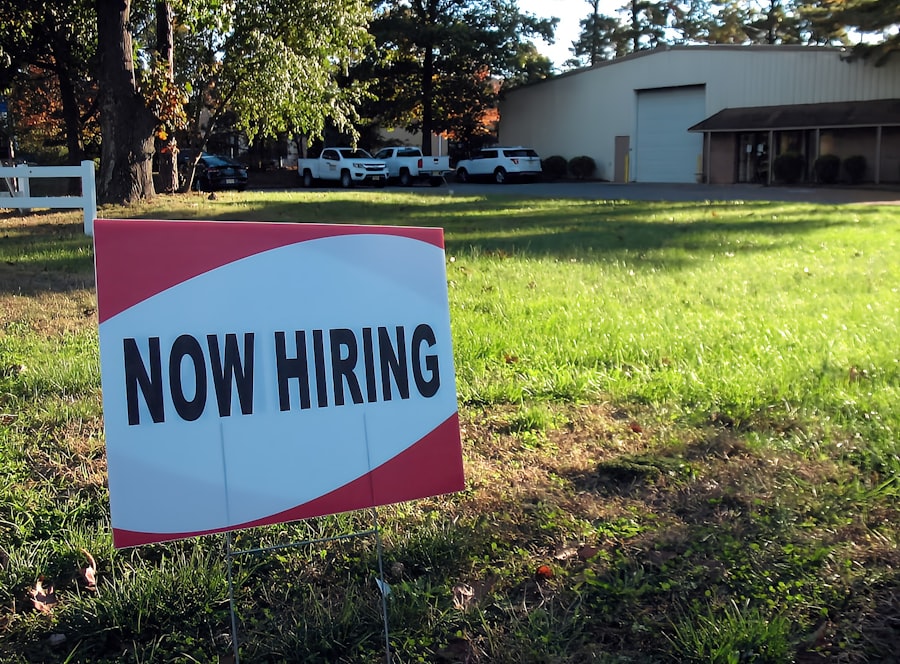
The stark reality is that if you do not actively engage in upskilling and reskilling, your current job skills are indeed becoming obsolete. This is not a suggestion; it is a survival imperative. The longer you delay, the wider the chasm between your capabilities and the demands of the market will become.
Embracing Digital Literacy and Technological Fluency
At its core, the future of work is digital. This means understanding and being proficient with a range of digital tools and platforms. This goes beyond basic computer literacy; it encompasses an understanding of how technology shapes industries, how data is utilized, and how to leverage new technological advancements. If your comfort zone is limited to analogue tools and processes, you are choosing to remain in a past era.
Data Analysis and Interpretation: The New Literacy
Data is the lifeblood of the modern economy. The ability to understand, interpret, and draw meaningful insights from data is a skill as fundamental as reading and writing. This doesn’t necessarily mean becoming a data scientist, but it does require a foundational understanding of data principles, statistical concepts, and how to use data to inform decisions. If numbers and spreadsheets make you nervous, you are fundamentally disarmed in the modern professional arena.
Cybersecurity Awareness and Digital Ethics
As our reliance on digital systems grows, so does the risk of cyber threats. A basic understanding of cybersecurity principles and an awareness of digital ethics are no longer optional extras. They are essential for protecting yourself, your organization, and your reputation. Ignorance in this domain can be as detrimental as a physical security breach.
Cultivating Adaptability and Resilience
In an unpredictable world, adaptability and resilience are not just desirable traits; they are survival mechanisms. The ability to bounce back from setbacks, adjust to new circumstances, and maintain effectiveness in the face of adversity is what will distinguish those who thrive from those who falter.
Embracing Change as an Opportunity, Not a Threat
If your reaction to change is one of trepidation and resistance, you are fighting a losing battle. The future of work is characterized by constant evolution. Viewing change as an opportunity for growth and learning, rather than a threat to your established routine, is a fundamental shift in perspective.
Developing a Growth Mindset: The Key to Continuous Improvement
A growth mindset, the belief that your abilities can be developed through dedication and hard work, is the engine of lifelong learning. It is the antithesis of a fixed mindset, which believes that talents are static. If you believe you are inherently “not good at” a certain skill, you are closing doors before you have even begun to explore them.
In today’s rapidly evolving job market, it’s crucial to stay informed about the changing landscape of skills and employment opportunities. A related article that delves deeper into this topic is available at How Wealth Grows, where you can explore insights on adapting to new trends and enhancing your career resilience. Understanding the factors contributing to skill obsolescence can help you take proactive steps to remain competitive and relevant in your field.
Your Role in Shaping Your Future
| Factor | Description | Impact on Job Skills | Example Metrics |
|---|---|---|---|
| Technological Advancements | Rapid development of new technologies such as AI, automation, and software tools. | Skills related to manual or repetitive tasks become less relevant. | 70% of jobs expected to be affected by automation by 2030 |
| Changing Industry Standards | New regulations, methodologies, and best practices evolve over time. | Outdated certifications and processes lose value. | 50% of professionals need retraining every 5 years |
| Globalization | Increased competition and collaboration across borders. | Skills must adapt to diverse markets and technologies. | 60% of companies require cross-cultural communication skills |
| Shift to Digital Economy | More businesses operate online, requiring digital literacy. | Traditional skills without digital components become obsolete. | 80% of jobs require basic digital skills by 2025 |
| Shorter Skill Lifecycles | Skills become outdated faster due to rapid innovation. | Continuous learning is necessary to stay relevant. | Average skill half-life reduced from 10 years to 5 years |
Ultimately, the future of work is not an impersonal force that will simply happen to you. It is a landscape that you, as an individual, have the power to shape, at least within the confines of your own career trajectory. The skills that are becoming obsolete are the ones that are static, predictable, and easily replicated by machines. The skills that are ascendant are those that are uniquely human: creativity, critical thinking, emotional intelligence, and the unwavering commitment to lifelong learning.
Proactive Skill Development: An Investment in Your Future
Do not wait for your job skills to become entirely worthless, like a forgotten spellbook gathering dust. Invest proactively in your own development. Seek out online courses, attend workshops, engage in self-directed learning projects. Treat your career as an ongoing expedition, constantly charting new territories and acquiring new navigational tools.
Networking and Building a Diverse Professional Community
Your professional network is your safety net and your launchpad. Building relationships with individuals from diverse backgrounds and industries can expose you to new ideas, different perspectives, and unexpected opportunities. It can also provide vital support and guidance as you navigate the evolving employment landscape. If your professional interactions are limited to your immediate colleagues, you are operating in a closed ecosystem, insulated from the broader currents of change.
Understanding the Economic and Societal Shifts
The transformation of work is not happening in a vacuum. It is intertwined with broader economic and societal shifts. Understanding these macro trends – such as demographic changes, geopolitical influences, and evolving consumer demands – can provide valuable context for your own career planning. It allows you to anticipate where future opportunities might lie and to develop skills that align with these emerging demands.
The Entrepreneurial Spirit: A New Paradigm for many
The rise of the gig economy and portfolio careers has blurred the lines between employee and entrepreneur. Many individuals are now operating with an entrepreneurial mindset, taking ownership of their career development, managing their own personal brand, and seeking out opportunities proactively. This spirit of initiative and self-reliance is becoming increasingly valuable, even within traditional employment structures.
In conclusion, the notion that your job skills are becoming obsolete is not a pronouncement of doom, but a call to action. The future of work demands that you become a student of change, a cultivator of adaptability, and a lifelong learner. The tools and knowledge that once secured your livelihood may be fading, but the human capacity for innovation, connection, and continuous growth remains your most powerful and enduring asset. The question is not whether you will adapt, but how and when you will choose to begin.
FAQs
1. Why are job skills becoming obsolete more quickly today?
Advancements in technology, automation, and changing industry demands are accelerating the pace at which job skills become outdated. New tools, software, and processes often replace older methods, requiring workers to continuously update their skills.
2. Which industries are most affected by skill obsolescence?
Industries such as manufacturing, information technology, retail, and finance are particularly affected due to rapid technological innovation and automation. Jobs involving routine or repetitive tasks are more vulnerable to becoming obsolete.
3. How can workers prevent their skills from becoming obsolete?
Workers can prevent skill obsolescence by engaging in lifelong learning, pursuing continuous professional development, staying informed about industry trends, and acquiring new skills relevant to emerging technologies and market needs.
4. What role do employers play in addressing skill obsolescence?
Employers can support their workforce by providing training programs, encouraging skill development, investing in upskilling and reskilling initiatives, and fostering a culture of continuous learning to adapt to changing job requirements.
5. How does skill obsolescence impact career growth?
Skill obsolescence can limit career advancement opportunities, reduce job security, and decrease employability. Staying current with relevant skills is essential for maintaining competitiveness in the job market and achieving long-term career success.